Category : Explainers(54)
Almost everything about every airport is complicated. And Sea-Tac Airport is more challenging than most. These short-form articles try to make things as simple as possible. Use them to branch off into deeper dives.
-
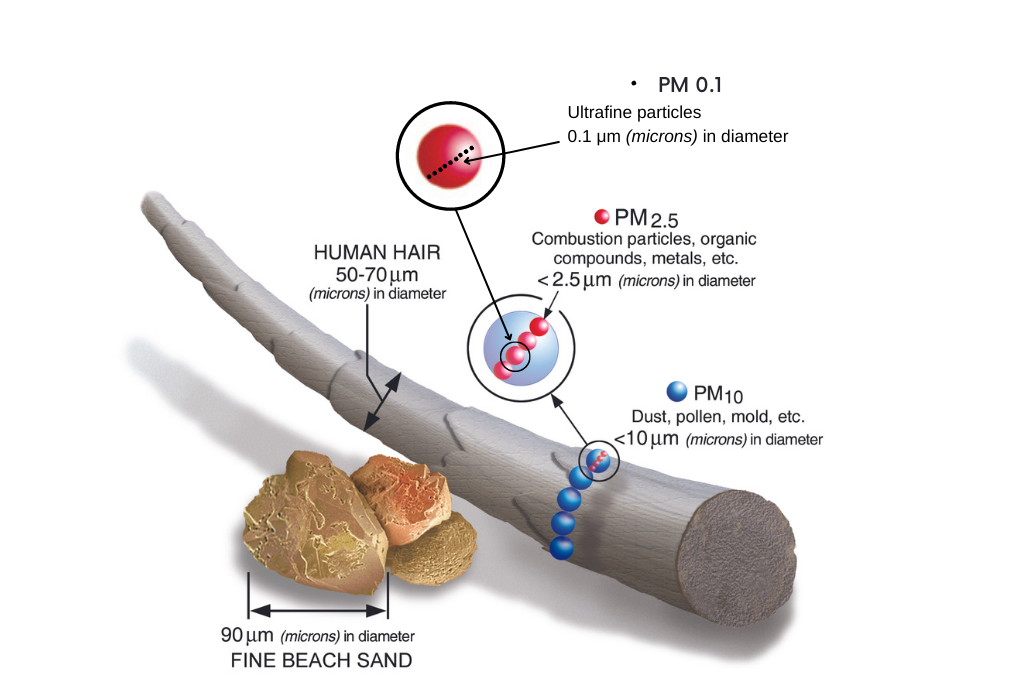
Ultrafine particles for dummies
You already know air pollution is bad. But do you know about the tiny particles so small your body can't even detect them — let alone defend against them? Ultrafine particles (UFPs) represent a growing public health concern that most people have never heard of, and the science community hasn't done a great job of explaining why you should care. Unlike larger pollutants your nose and lungs naturally filter out, UFPs — largely produced by jet engines, vehicles, and industrial activity — are so small they slip past every biological defense, entering your bloodstream, lungs, and even your brain. Once they're in, they don't leave. This article breaks down what we know, what we don't, and why the gap between scientific caution and public urgency may be putting lives at risk. -
City of SeaTac primary Interlocal Agreements with Port of Seattle (ILA)
The City of SeaTac has had a unique relationship with 1Sea-Tac Airport since its founding in 1990. (Fun fact: the originally proposed city boundaries did not include the property which now comprises 43% of its land area.) But as soon as the decision was made, how to benefit from the relationship with the Port of -
Third Runway Decision Process (PSRC)
You can’t follow the game without a program Financing the Third Runway was unlike any other airport expansion–including the SAMP. In order to obtain federal funding, the Port was required to obtain an elaborate set of approvals from a regional agency most people are unfamiliar with–the Puget Sound Regional Council. In the broadest possible strokes, -
 2026-07-04
SAMP NTP: 31 projects by the numbers
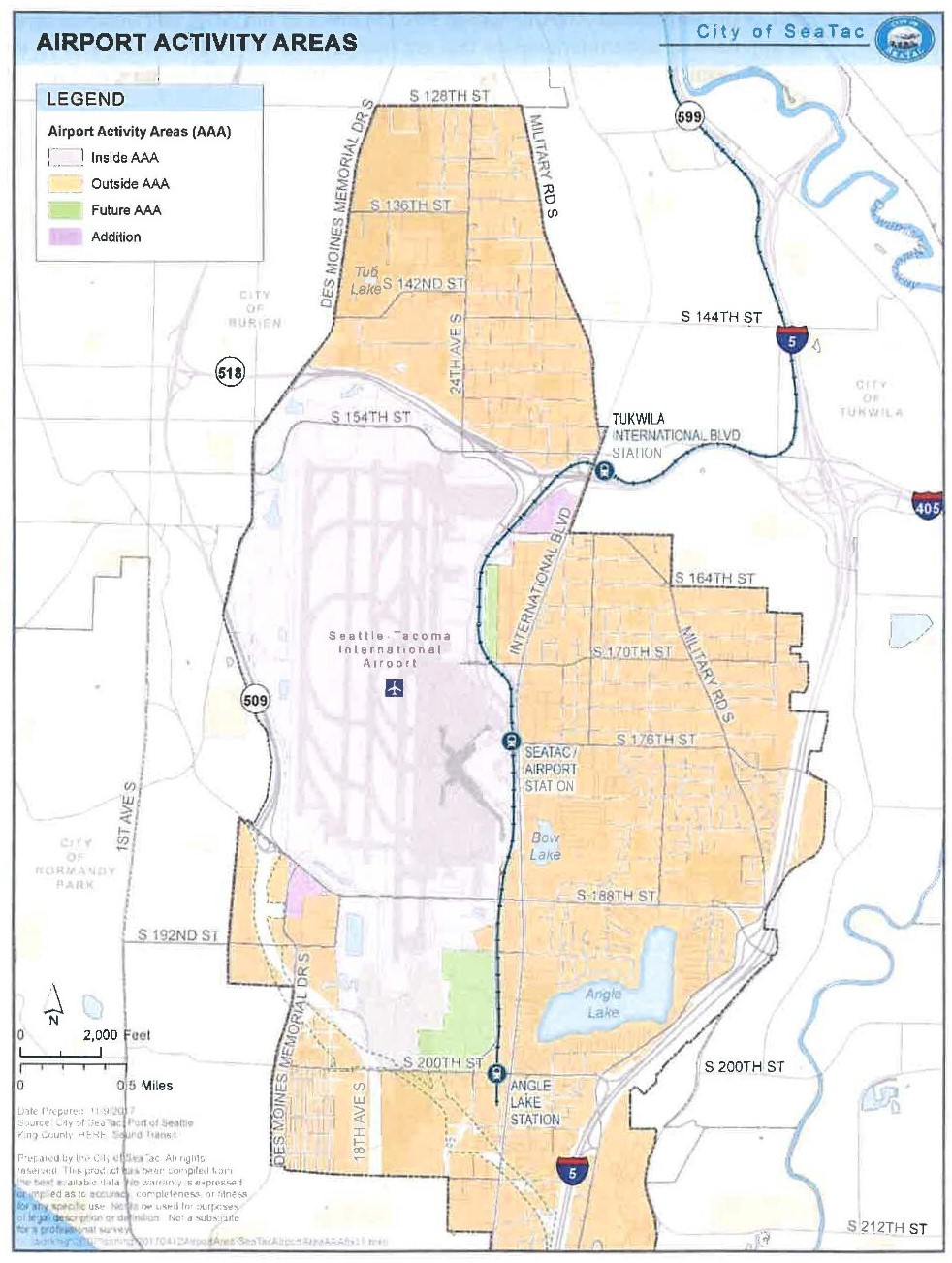
It’s all about construction permits The Sustainable Airport Master Plan Near Term Projects Draft Environmental Impact Statement is a description of the effects of the largest expansion in airport history. But at bottom, it consists of thirty-one construction projects. What we find striking is the absence of detail on most of those projects. In most -
 2026-05-17
SAMP/SEPA Preview
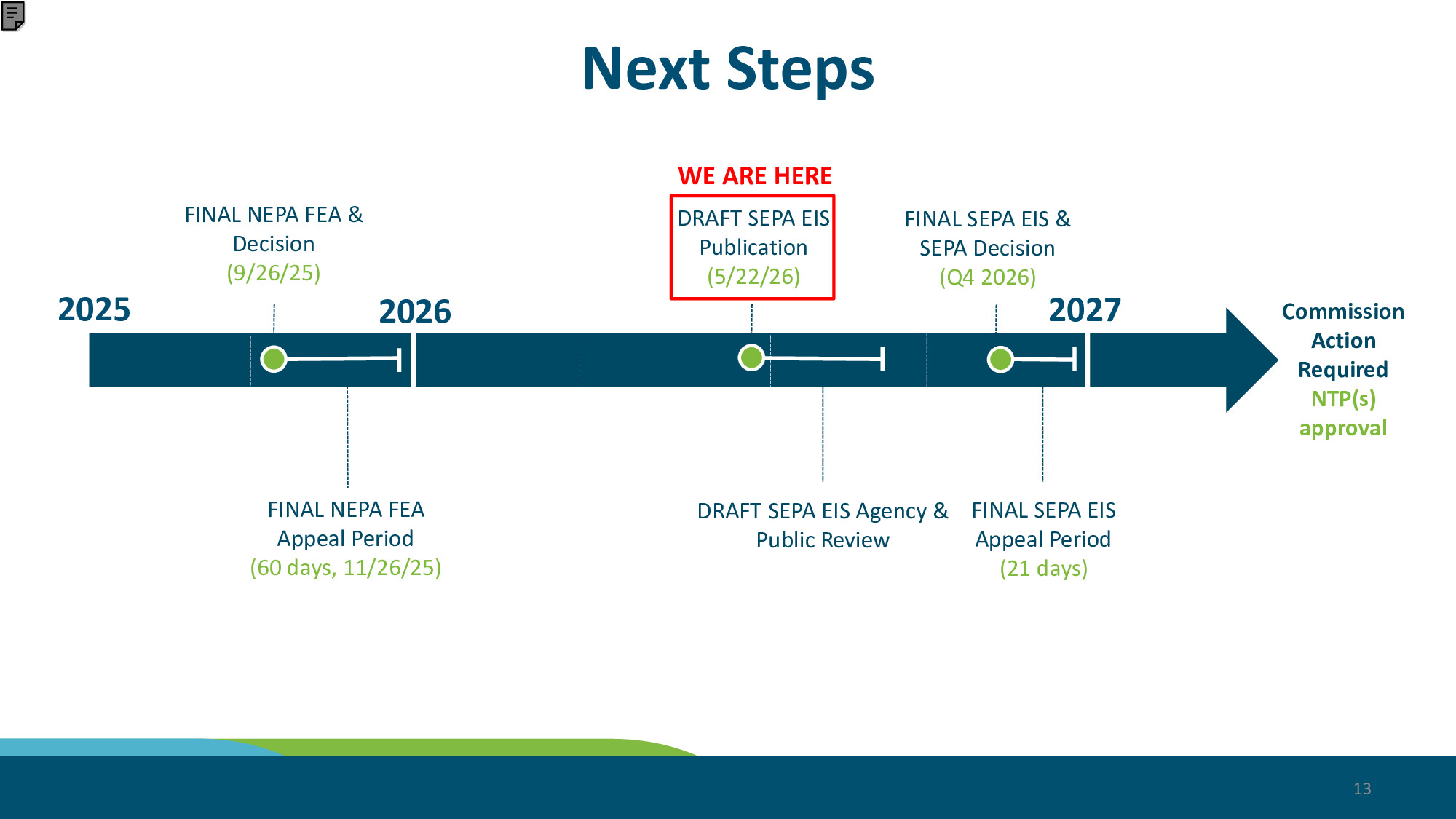
Sixty days to shape Sea-Tac's future. Draft SEPA comment period opens May 22. Subscribe now—learn how to make your voice heard on airport expansion. -
Everything you ever wanted to know about Flight Paths
You can think of any major airport as the most extravagant short-term parking lot imaginable, with an equally extravagant quickie-mart. Both are connected to a 1super-highway. But instead of one on and off ramp, there are many known as Standard Instrument Departures (SIDs) and Standard Terminal Arrival Routes (STARs). SIDs are the flight procedures that -
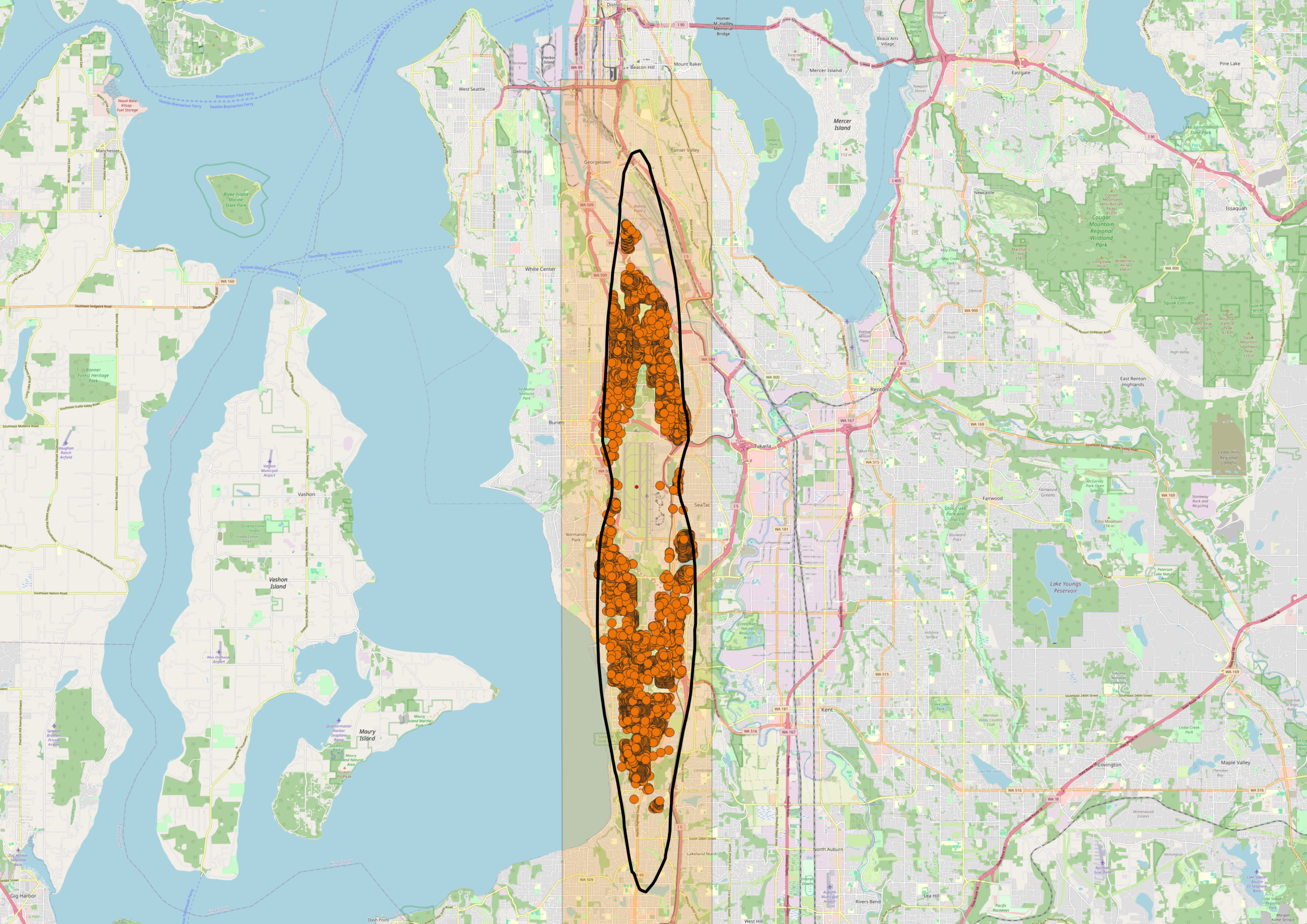
Port Packages mapped: eligibility over time
Changes 1985-2032 The black outline depicts the 1985-2013 Part 150 noise contour. The light orange rectangle is the 92 sq mile area defined under State of Washington law (RCW 53.54.020) that is eligible for funding to mitigate noise impacts–but only those generated by Sea-Tac Airport. All sound insulated homes inside the original DNL65 (1985-2032). Sound -
The Grant Explainer
The current Port of Seattle grant programs began in 2016 with a proposal by Commissioner John Creighton–responding to the uproar over the Flight Corridor Safety Program. As the name implies, the Airport Community Ecology (ACE) Fund (2016–2020) was meant as an environmental grants program. In late 2018 the Port created a separate, much broader South -
 2025-10-29
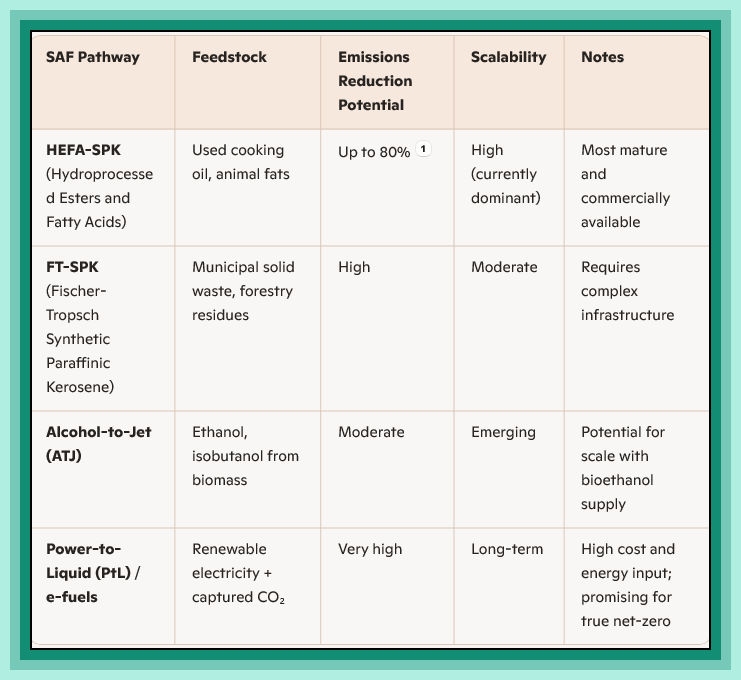
SAF Pathway Comparison Chart
A structured comparison table outlining four Sustainable Aviation Fuel (SAF) production pathways: HEFA-SPK, FT-SPK, Alcohol-to-Jet (ATJ), and Power-to-Liquid (PtL)/e-fuels, detailing their feedstocks, emissions reduction potential, scalability, and notes. No specific organizational authorship or date is visible in the image.