TagSAF(52)
Content concerning a variety of biomass replacements and/or blends for commercial Jet-A fuel. These are referred to broadly as Sustainable Aviation Fuel.
-
 2026-09-01
SEA Stakeholder Advisory Round Table Shared Policy Priorities – 2025 State Legislative Session
SEA Stakeholder Advisory Round Table (StART) shared policy priorities document for the 2025 Washington State Legislative Session, jointly issued by Port Of Seattle and near-airport communities. Covers five priority areas: (1) Noise Insulation Repair and Replacement Program implementation, including RCW 53.54 amendments and Port District Equity Fund/Grant; (2) regional airport capacity expansion via Commercial Aviation -
2026-09-01
SEA Stakeholder Advisory Round Table Shared Policy Priorities – 2025 State Legislative Session
SEA Stakeholder Advisory Round Table (StART) shared policy priorities document for the 2025 Washington State Legislative Session, jointly issued by Port Of Seattle and near-airport communities. Covers five priority areas: (1) Noise Insulation Repair and Replacement Program implementation, including RCW 53.54 amendments and Port District Equity Fund/Grant; (2) regional airport capacity expansion via Commercial Aviation -
 2026-08-31
Emissions Forecast: Traffic Growth Outpaces Fleet Renewal Improvements
IBA’s Sustainability Watch: September 2026 Written by Archie Brown, Senior Analyst IBA’s sustainability team has modelled commercial passenger aviation emissions through to 2050, also including our own state-policy baseline scenario in the analysis. Rather than applying a top-down growth rate, it combines IBA’s aircraft series-level delivery and retirement forecast with projected demand, utilisation and load -
 2026-06-21
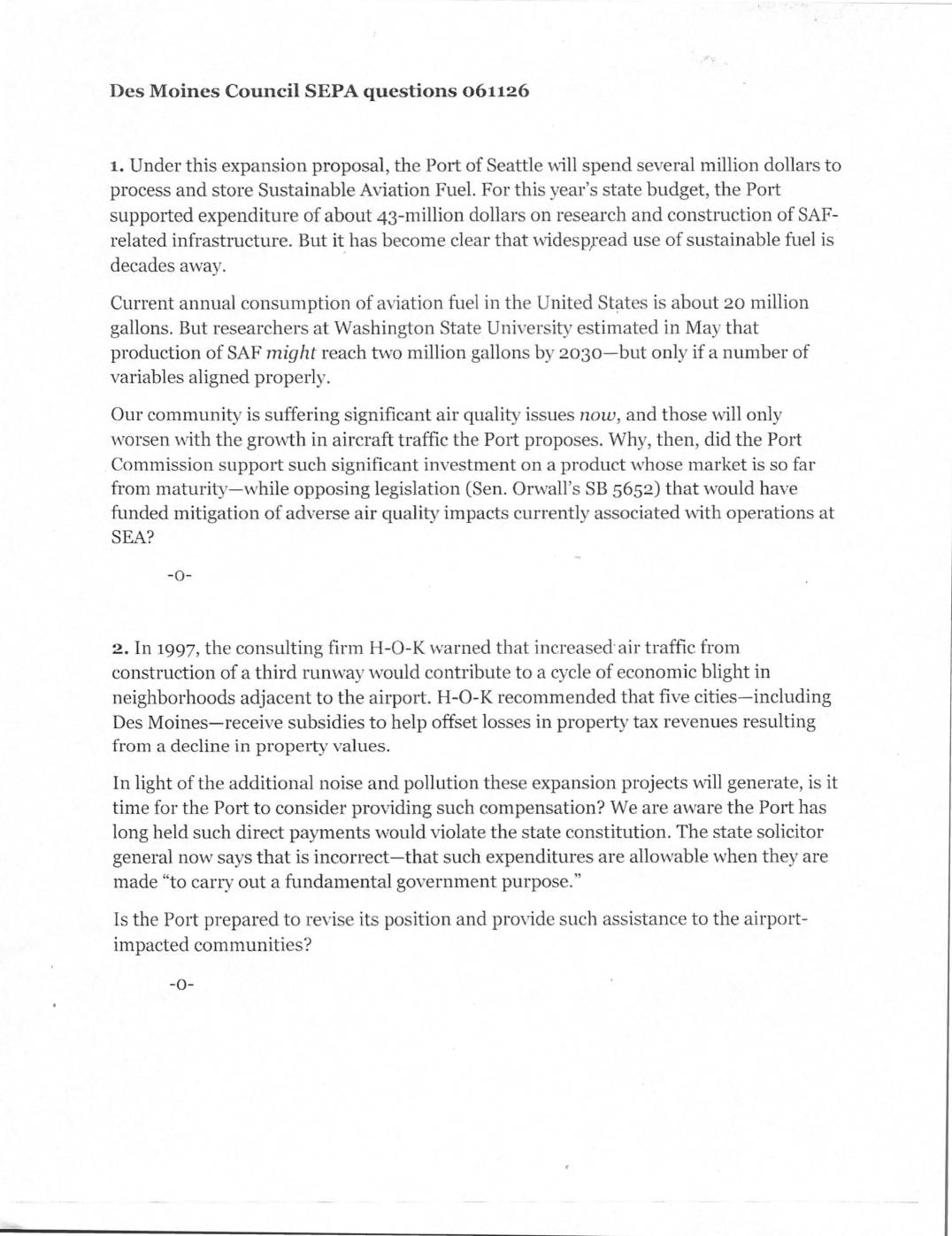
Des Moines Council SEPA questions 061126
The Des Moines City Council submitted a series of formal questions challenging the Port of Seattle's environmental review of its airport expansion plan, raising concerns about air quality, noise impacts, and community compensation. Key issues include the Port's heavy investment in Sustainable Aviation Fuel despite its limited near-term viability, the use of outdated federal noise standards, failed home noise-mitigation packages with no funding to repair them, and whether the SEPA review adequately analyzed hazardous air pollutants and peak traffic impacts. The Council also questioned whether the Port should provide direct financial assistance to affected neighboring cities, citing a state solicitor general opinion that such payments may be legally permissible. -
 2026-06-12
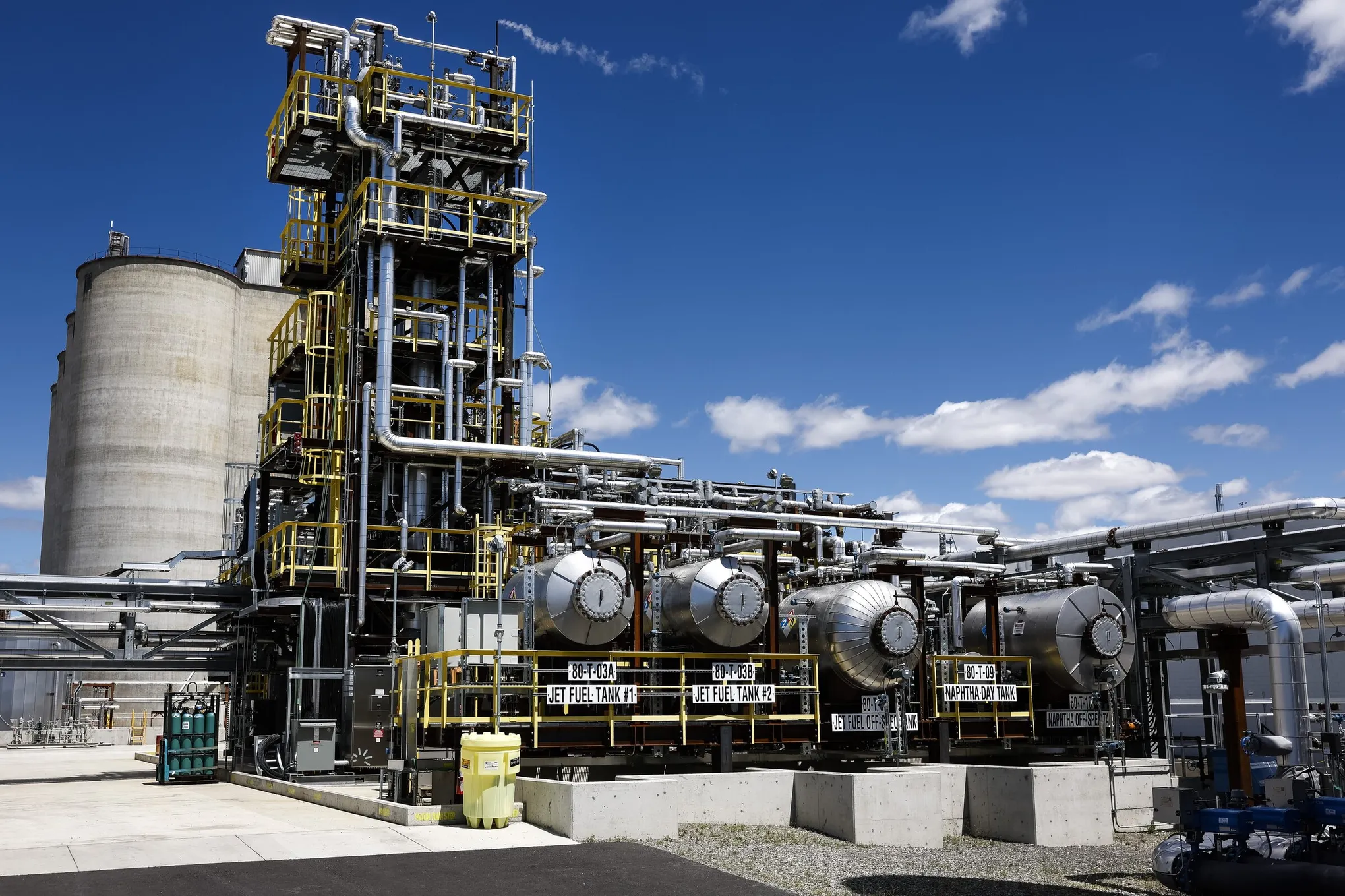
Aviation has a climate problem a Moses Lake refinery may help fix it
Twelve’s sustainable jet fuel plant on Wednesday in Moses Lake. Twelve uses renewable electricity, water and CO2 to create its “E-Jet” jet fuel. (Nick Wagner / The Seattle Times) By Lauren Rosenblatt Seattle Times business reporter MOSES LAKE — A startup-style company developing a greener way to produce jet fuel using carbon dioxide, water and -
 2026-06-09
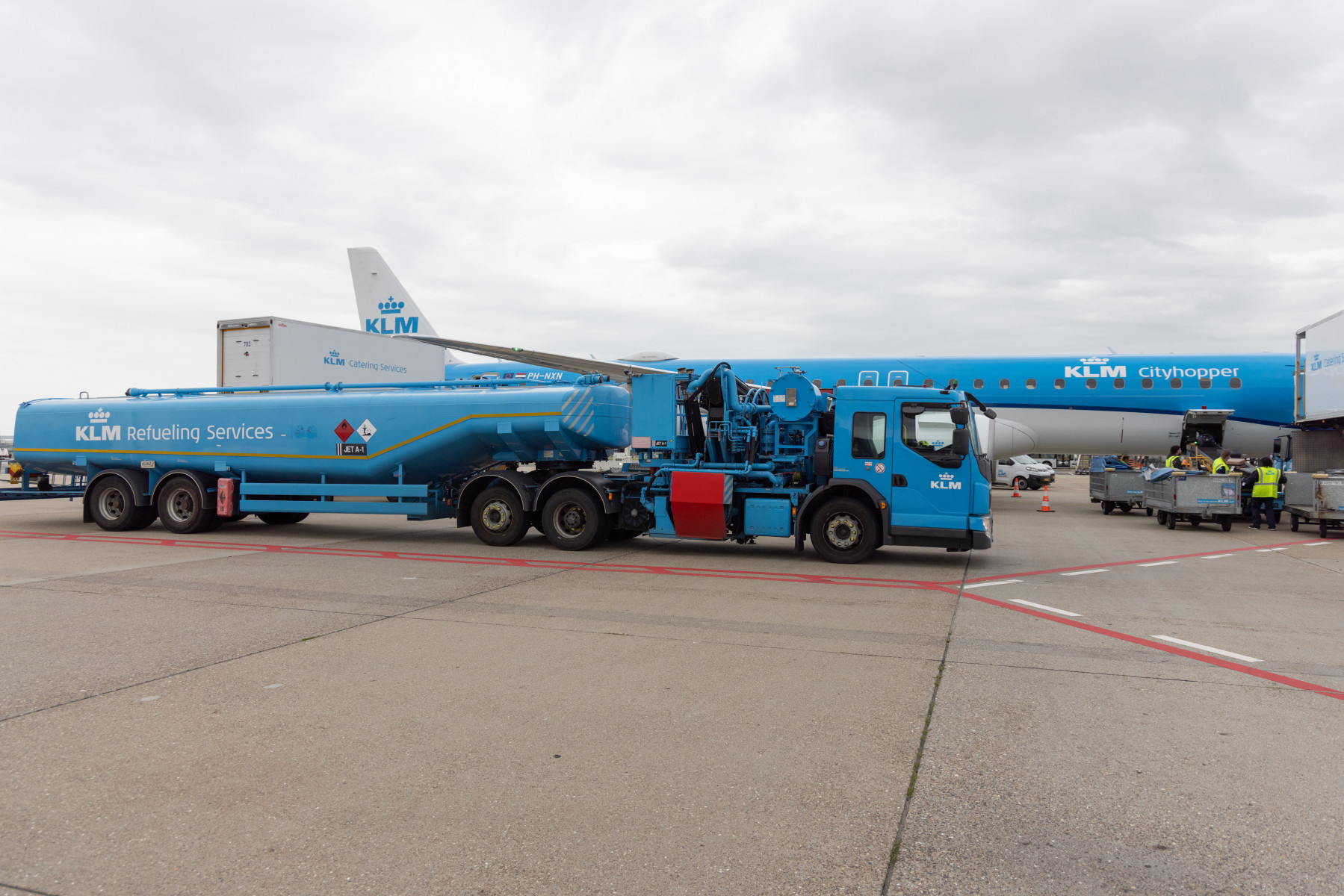
KLM operates passenger flight to Germany with a blend of synthetic kerosene
Today, in collaboration with INERATEC, MB Energy, and Hamburg Airport, KLM Cityhopper operated a passenger flight between Amsterdam and Hamburg using a 5% blend of synthetic kerosene (e-SAF). This is the first passenger flight to Germany using this fuel. With this, KLM once again demonstrates that flying on e-SAF is technically possible, despite the current challenges -
 2026-01-09
WA commits $20M to green aviation as Walla Walla fuel plant progresses
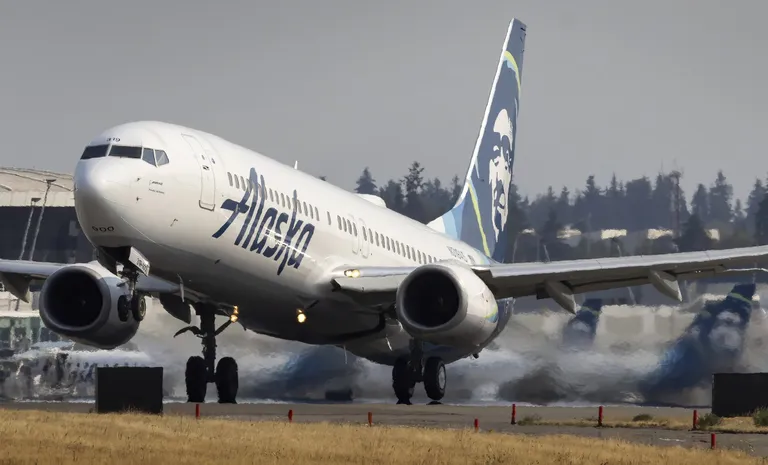
A Boeing 737 takes off at Seattle-Tacoma International Airport. On Thursday, Washington leaders launched a nonprofit committed to sustainable aviation fuel, which promises to reduce aviation carbon emissions by 80%… (Ellen M. Banner / The Seattle Times, 2024)More By Lauren Rosenblatt Seattle Times business reporter MUKILTEO — Washington hopes to be a leader in producing -
 2026-01-08
Sustainable Aviation Fuel: Climate Promise, Legal Structure, and the Community Gap
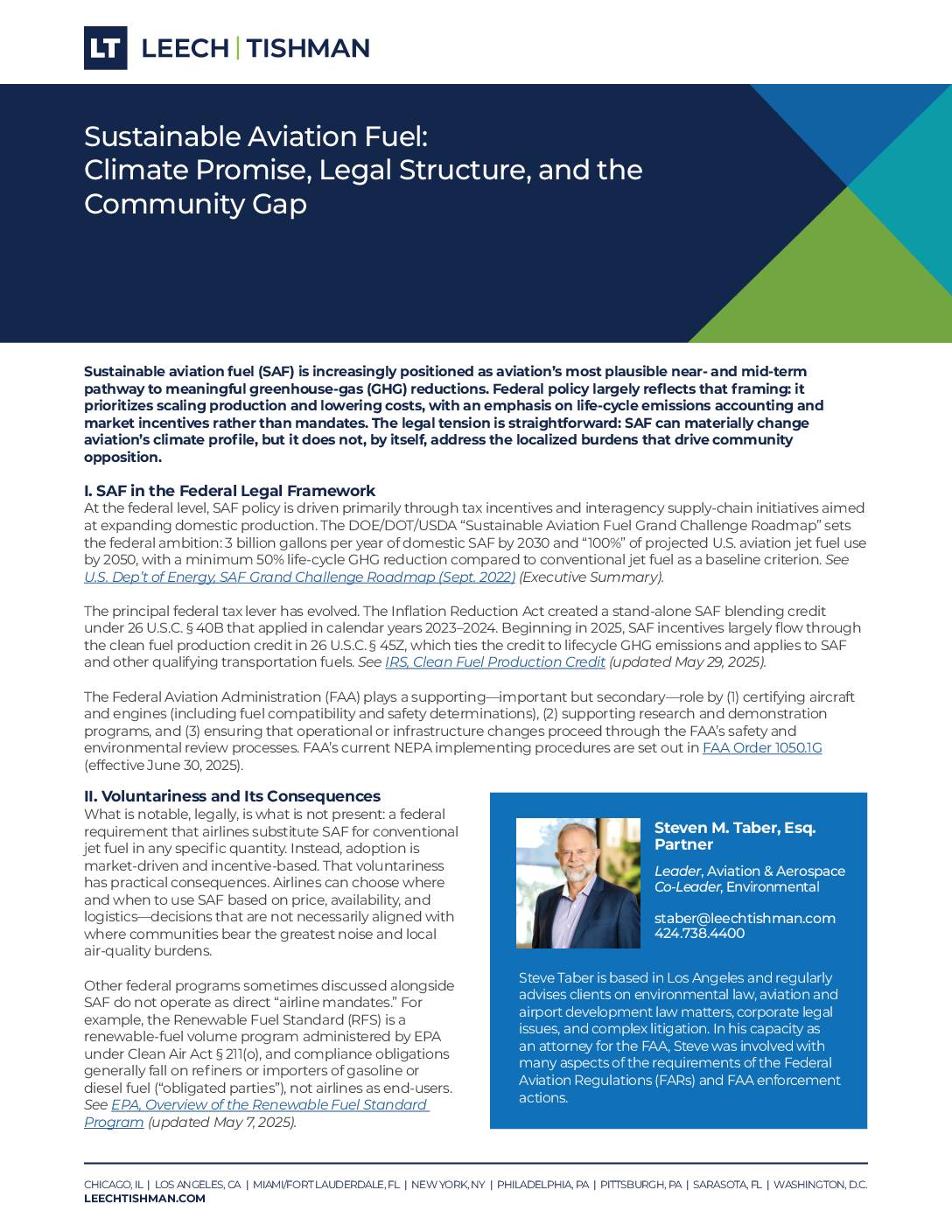
Legal analysis from Steve Taber @ Leech Tishman examining how Sustainable Aviation Fuel (SAF) addresses climate goals through federal tax incentives and production targets, while highlighting the gap between SAF’s global climate benefits and local community impacts like noise and air quality that remain unaddressed. -
 2025-12-10
Sustainable Aviation Fuel Use at a Washington State International Airport: Regional Air Quality Benefits
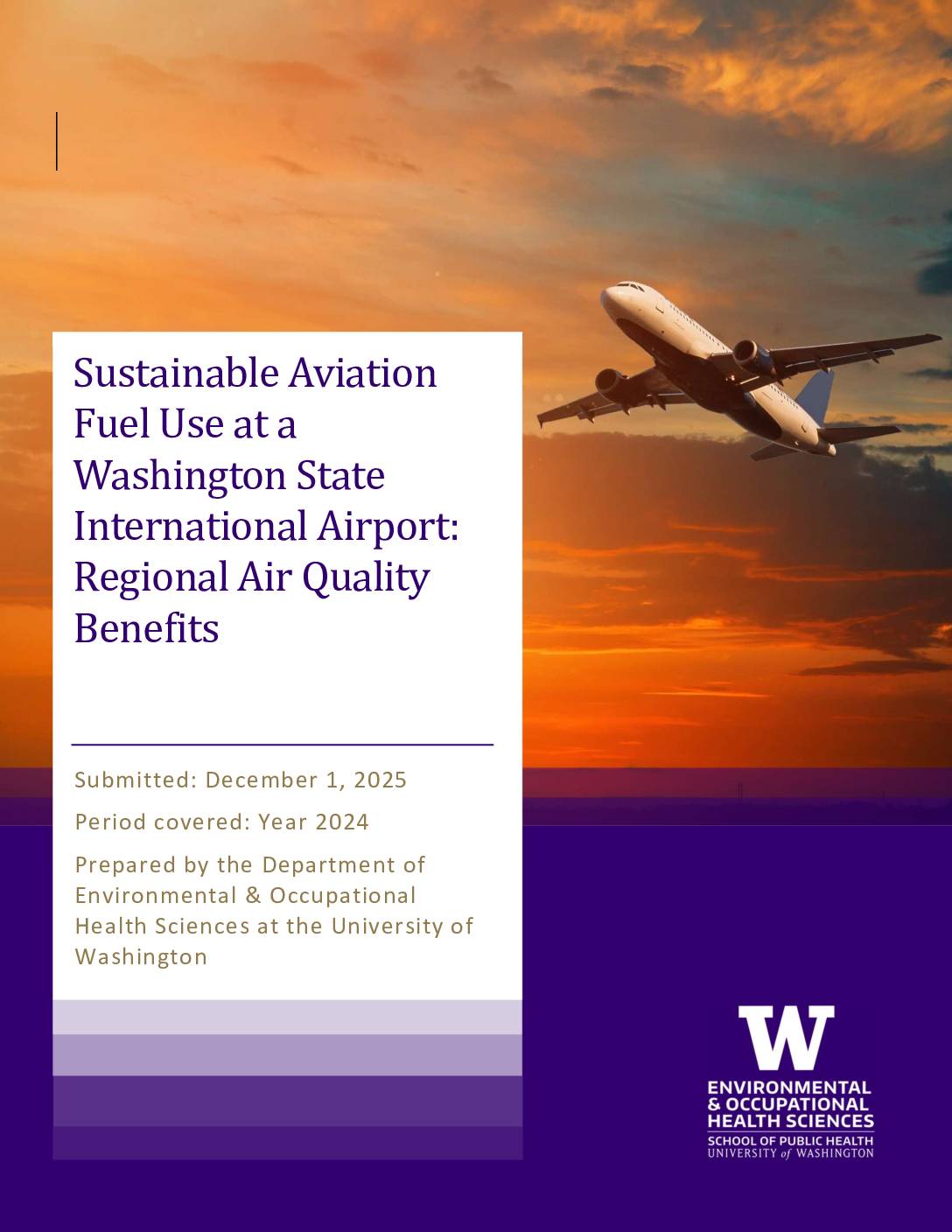
A University of Washington research team examined the air quality benefits of using Sustainable Aviation Fuel (SAF) at a Washington State international airport, covering activity during the year 2024. The report, prepared by the Department of Environmental & Occupational Health Sciences and submitted in December 2025, analyzes how SAF adoption can reduce harmful emissions in the surrounding region. It offers findings relevant to policymakers, airport operators, and communities concerned about the environmental impact of aviation fuel use. -
 2025-10-14
Barriers to Implementing SAF in MA Institute for Policy Studies
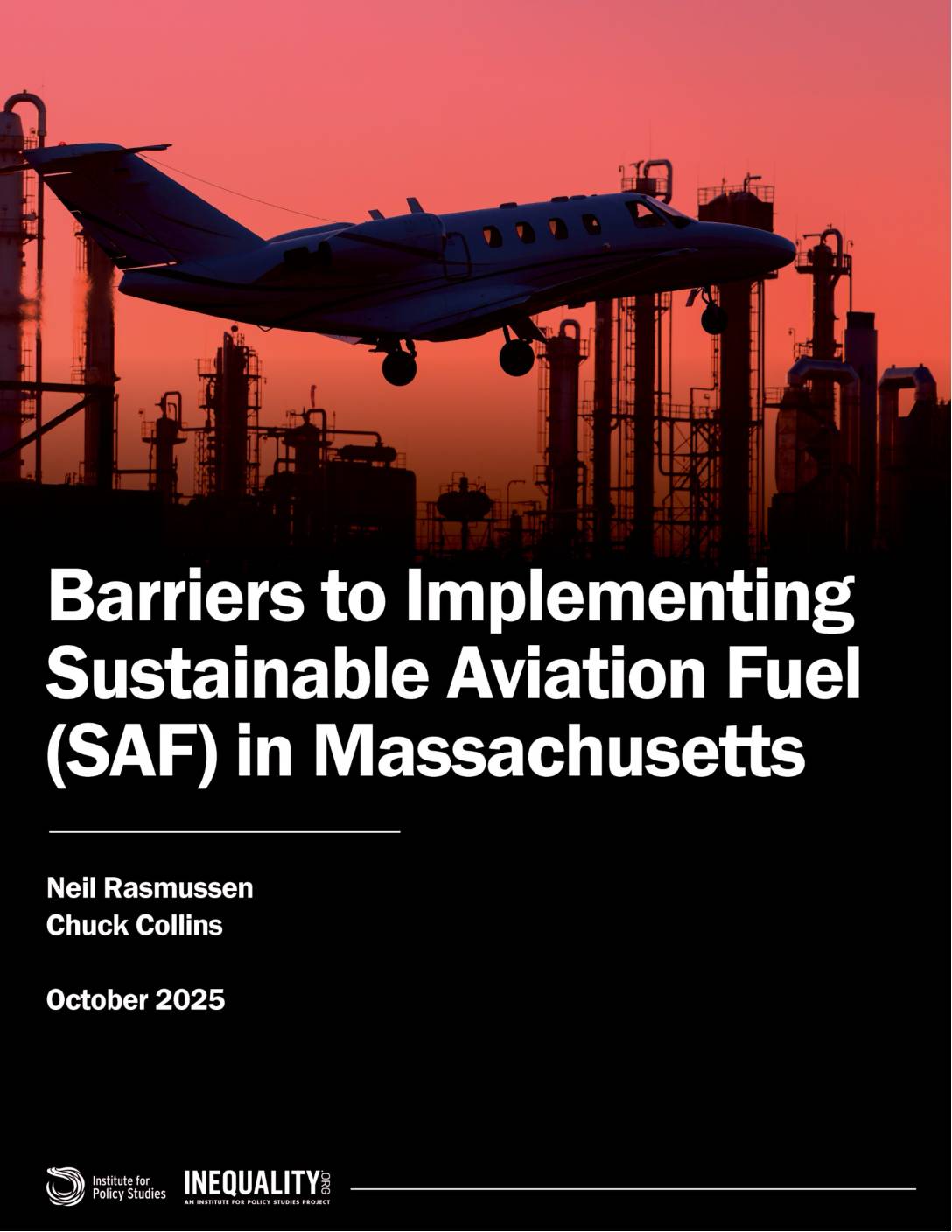
A report examining the barriers to implementing sustainable aviation fuel (SAF) in Massachusetts, authored by Neil Rasmussen and Chuck Collins from the Institute for Policy Studies. The report analyzes challenges and obstacles facing SAF adoption in the state.