TagAviation Fuel(70)
-
 2026-09-30
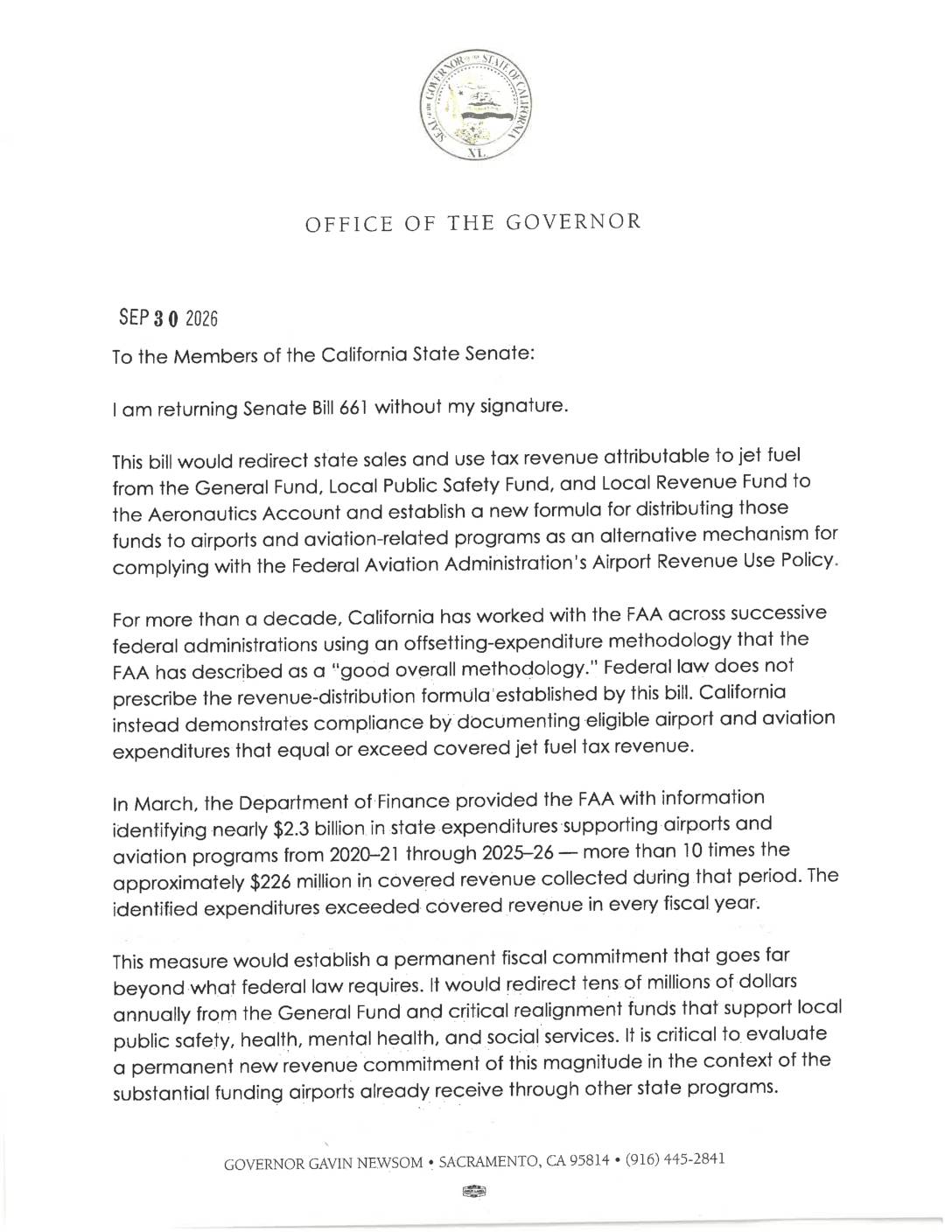
Governor Gavin Newsom VETO Message: Senate Bill 661
Veto message dated September 30, 2026 from California Governor Gavin Newsom returning Senate Bill 661 (SB 661). SB 661 would have redirected state sales and use tax revenue attributable to jet fuel from the General Fund, Local Public Safety Fund, and Local Revenue Fund to the Aeronautics Account and established a new formula for distributing funds to airports and aviation-related programs as an alternative mechanism for complying with the FAA's Airport Revenue Use Policy. Had this bill passed into law it would have set a precedent for WA, which also depends heavily on aviation fuel taxes for off-airport purposes. -
 2026-08-19
Hurtado’s Aviation Infrastructure Bill Clears Assembly and Returns to Senate for Final Legislative Push
August 20, 2026 Sacramento, Calif. (August 20, 2026)— Senator Melissa Hurtado’s SB 661 cleared a major legislative hurdle after passing the Assembly with unanimous support, moving California one step closer to strengthening regional airports, modernizing aviation infrastructure and expanding air service across the state. The Assembly amended SB 661 before passage, sending the measure back -
Aviation fuel uplift in the State of Washington 2018 – 2025
Uses and impacts Aviation fuel “uplift” means fuel deliveries, which makes it a useful proxy for several aspects of airport impacts. But the fuels aircraft burn are very different, and they break down into two classes: kerosene-based (Jet-A), used by commercial jets, and gasoline-based (AvGas), used by the piston-engine aircraft common to private pilots. Money -
 2026-06-23
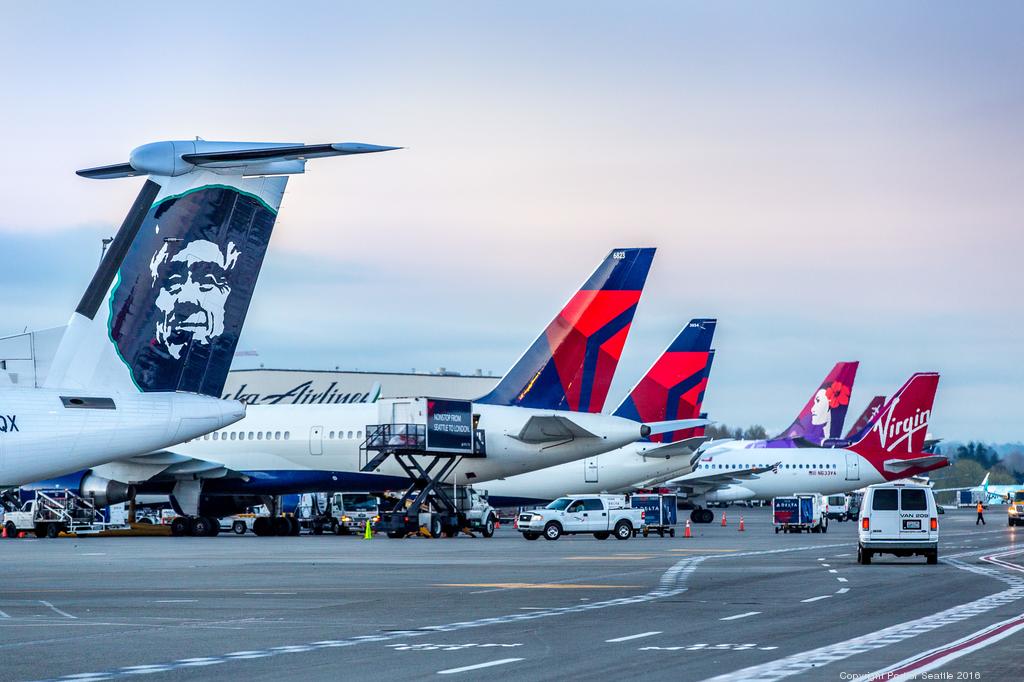
Sea-Tac Airport sets new record for fuel use, though growth is slowing
Story Highlights Airlines at Seattle-Tacoma International Airport consumed 709.46 million gallons of jet fuel in 2025. Alaska Airlines and Delta Air Lines purchased over 388 million gallons combined last year. The Port of Seattle plans to expand fuel storage capacity to meet sustainability goals. Airlines flying out of Seattle-Tacoma International Airport hit a new high -
 2026-06-09
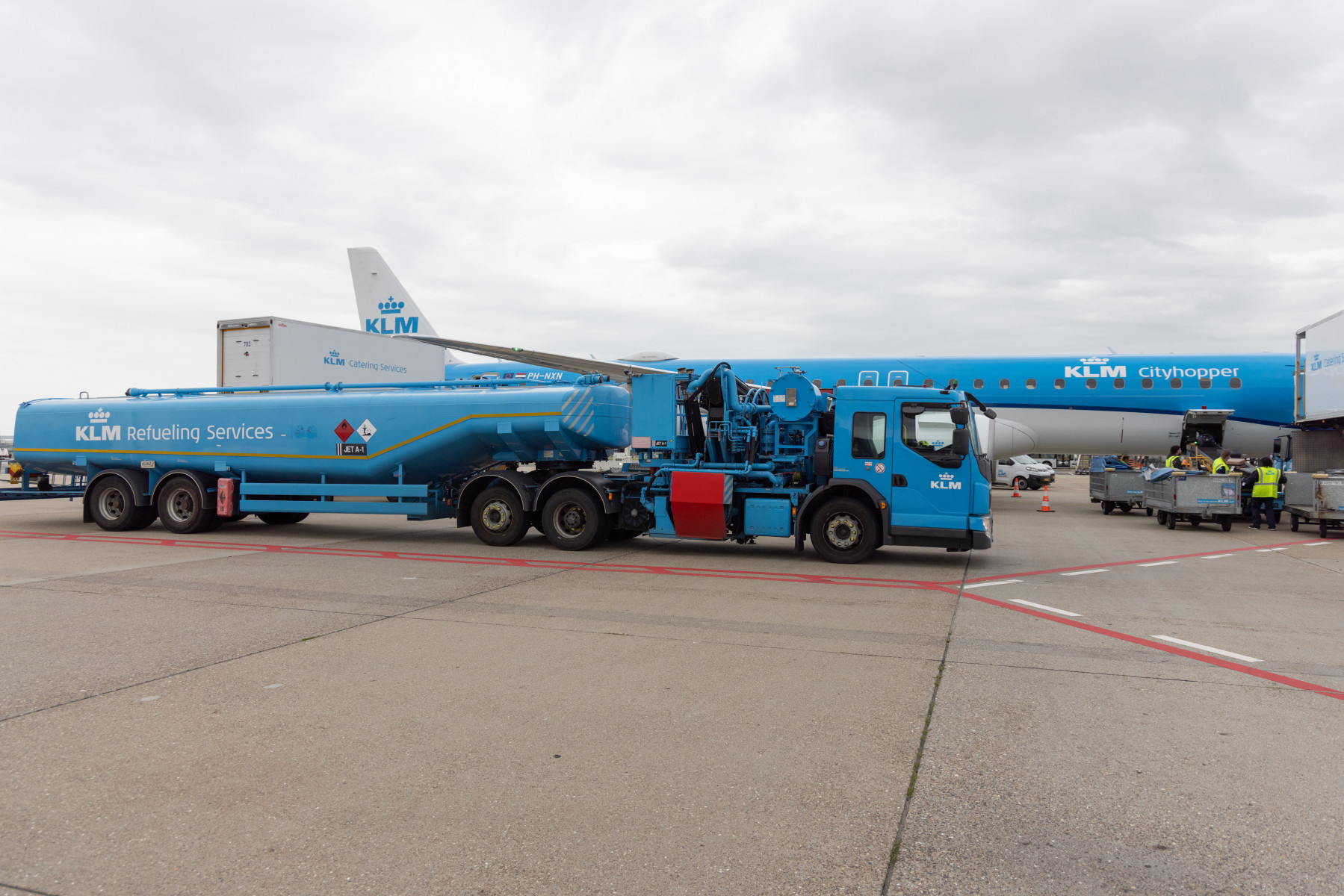
KLM operates passenger flight to Germany with a blend of synthetic kerosene
Today, in collaboration with INERATEC, MB Energy, and Hamburg Airport, KLM Cityhopper operated a passenger flight between Amsterdam and Hamburg using a 5% blend of synthetic kerosene (e-SAF). This is the first passenger flight to Germany using this fuel. With this, KLM once again demonstrates that flying on e-SAF is technically possible, despite the current challenges -
 2026-05-12
State penalizes four organizations over $19,000 for fuel tank back fees at King County International Airport
Department of Ecology News Release – May 13, 2026 SEATTLE – After failing to pay a decade’s worth of back fees related to their underground storage tanks supplying King County International Airport – Boeing Field, Signature Aviation, Shultz, Inc., Sky Services, and King County have been penalized $19,681 by the Washington Department of Ecology. The -
 2026-05-08
Washington State Aviation Fuel Tax Compliance Information: Email Correspondence with FAA
Email chain forwarded by Ann Richart (WSDOT Aviation Director) to Terri Palumbo on May 8, 2026, regarding Washington State aviation fuel tax collections and dispersants compliance. FAA Director of Office of Airport Compliance Michael Helvey (michael.helvey@faa.gov, (202) 267-9363) acknowledges receipt of compliance information submitted April 24, 2026 by Richart on behalf of Washington State Secretary -
2026-05-08
Washington State Aviation Fuel Tax Compliance Information: Email Correspondence with FAA
Email chain forwarded by Ann Richart (WSDOT Aviation Director) to Terri Palumbo on May 8, 2026, regarding Washington State aviation fuel tax collections and dispersants compliance. FAA Director of Office of Airport Compliance Michael Helvey (michael.helvey@faa.gov, (202) 267-9363) acknowledges receipt of compliance information submitted April 24, 2026 by Richart on behalf of Washington State Secretary