TagPM25(10)
-
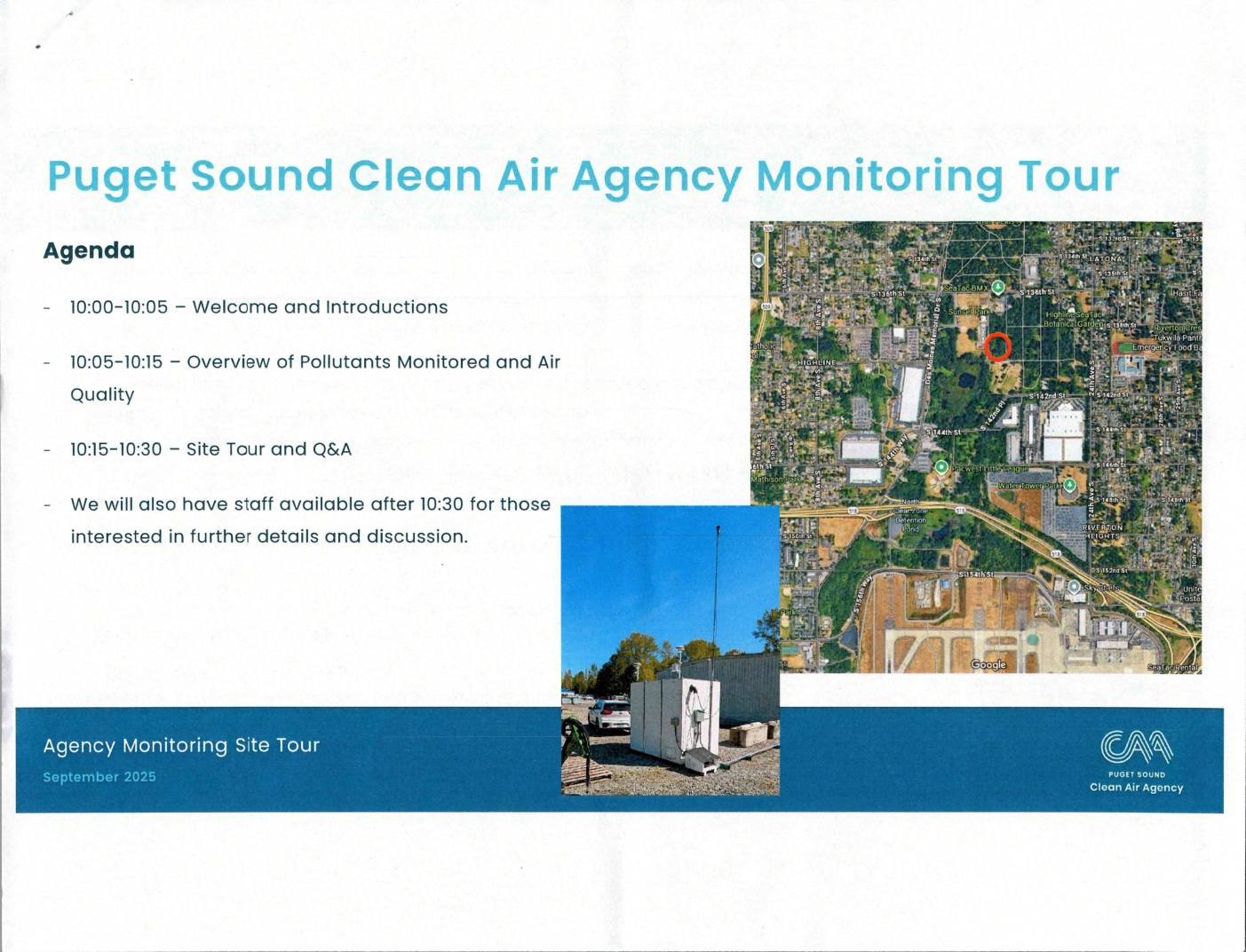 2025-09-15
Puget Sound Clean Air Agency Monitoring Site Tour: Agenda and Overview
This document presents materials from a Puget Sound Clean Air Agency Monitoring Site Tour held in September 2025, covering the agency's mission to protect air quality across King, Pierce, Snohomish, and Kitsap counties. It outlines key programs including climate action planning, wood stove replacement, and diesel emissions reduction, with a focus on fine particulate matter (PM2.5), which accounts for 90% of cardiac and respiratory health risk from air pollution in the region. Note: this document relates to regional air quality monitoring and does not contain information about Sea-Tac Airport noise policy. -
 2024-06-26
Airborne nanoparticle concentrations are associated with increased mortality risk in Canada’s two largest cities
A Canadian research study found that exposure to airborne nanoparticles is linked to higher mortality risk in Toronto and Montreal. The study, published in 2024 and funded by the Health Effects Institute, analyzed particle concentration data across Canada's two largest cities to assess long-term health impacts. While focused on urban air quality in Canada, the findings contribute to broader scientific understanding of how fine airborne particles from traffic and other sources affect public health. -
Washington Air Monitoring Network: Air Quality Program
Washington State Department of Ecology -
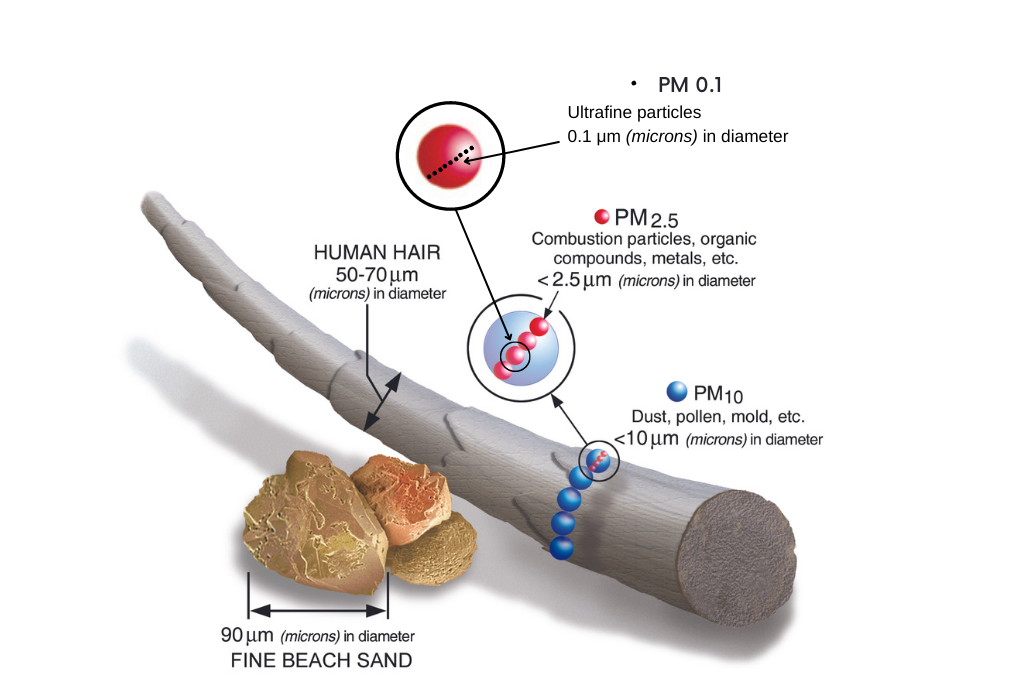
UWDEOHS-PM particle size
An educational diagram comparing the sizes of airborne particulate matter categories: PM0.1 (ultrafine particles, 0.1 microns), PM2.5 (combustion particles, organic compounds, metals; <2.5 microns), and PM10 (dust, pollen, mold; <10 microns). These are shown relative to a human hair (50–70 microns in diameter) and fine beach sand (90 microns in diameter). -
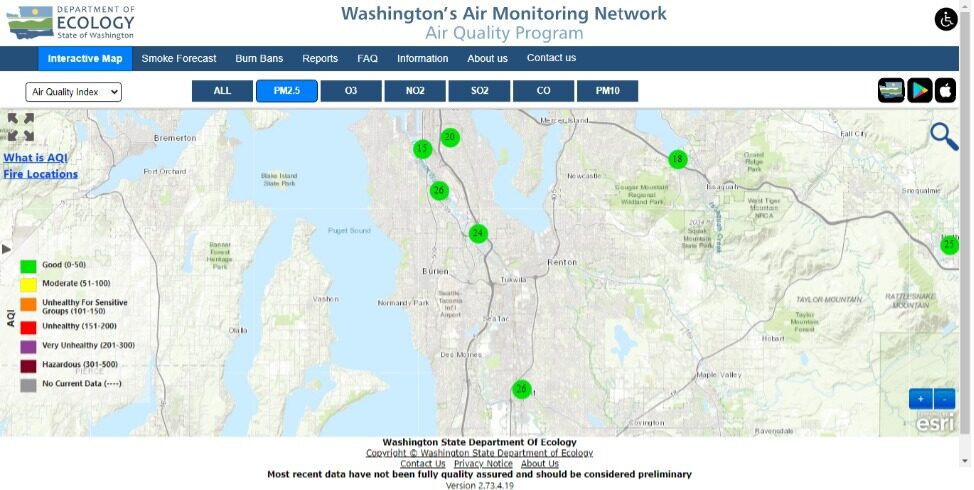
Washington State Department of Ecology – Air Quality Index Map, Seattle/Sea-Tac Region
Screenshot of Washington's Air Monitoring Network interactive map (Air Quality Program, WDOE, version 2.73.4.19) showing PM2.5 Air Quality Index readings across the greater Seattle–Sea-Tac–Puget Sound area. All visible monitoring stations display green indicators (Good, AQI 0–50). -
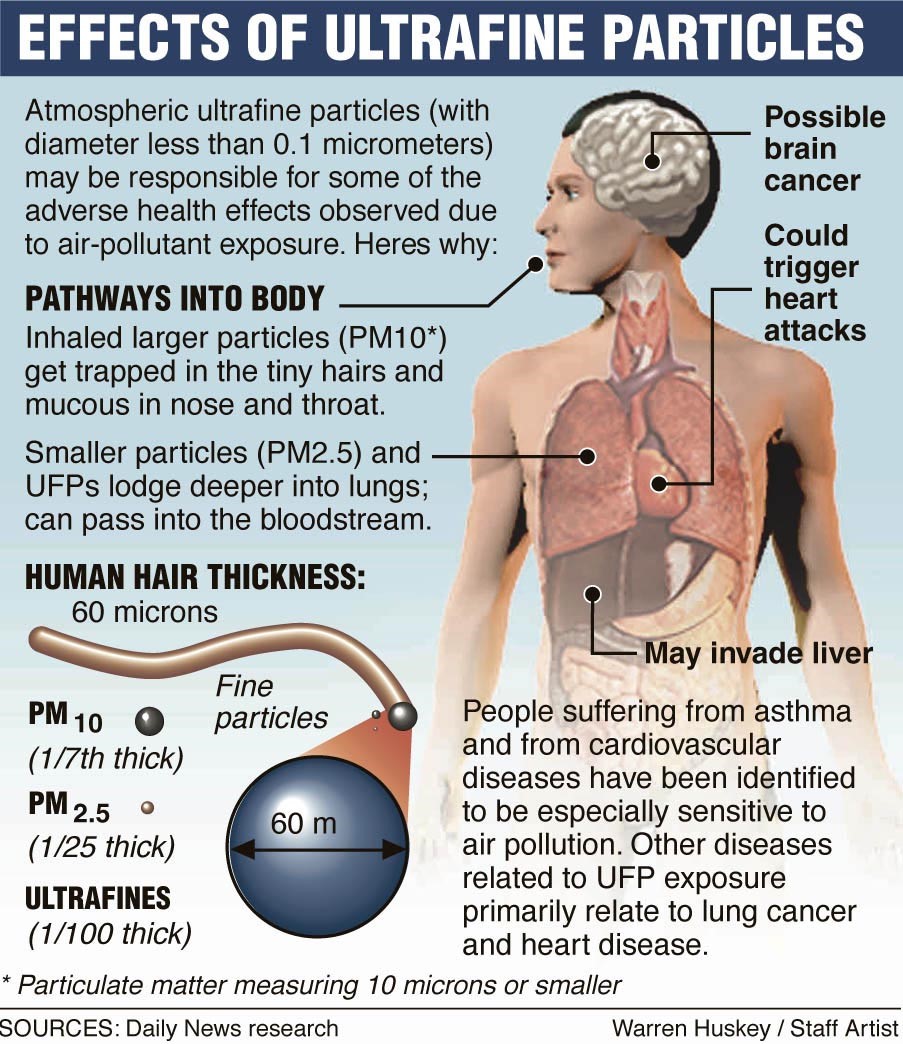
Effects of Ultrafine Particles
Infographic from Daily News, illustrated by staff artist Warren Huskey, explaining how atmospheric ultrafine particles (diameter less than 0.1 micrometers) enter the human body and cause adverse health effects including possible brain cancer, heart attacks, and liver invasion. It details particle size comparisons (PM10, PM2.5, and ultrafines) relative to human hair thickness of 60 microns. -
Who Gets to Breathe Clean Air in New Delhi?
A visual story of pollution in New Delhi. A great explainer on PM25. -
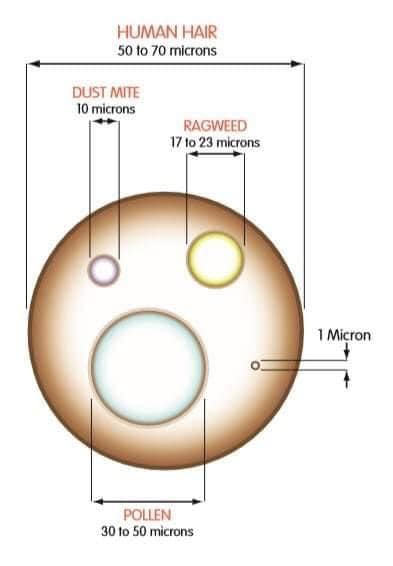
Relative sizes of various allergens
Diagram comparing the sizes of common airborne particles including human hair (50–70 microns), pollen (30–50 microns), ragweed (17–23 microns), dust mite (10 microns), and a 1-micron reference marker. The illustration uses scaled circles to visually represent relative particle sizes, relevant to air quality and filtration contexts. -
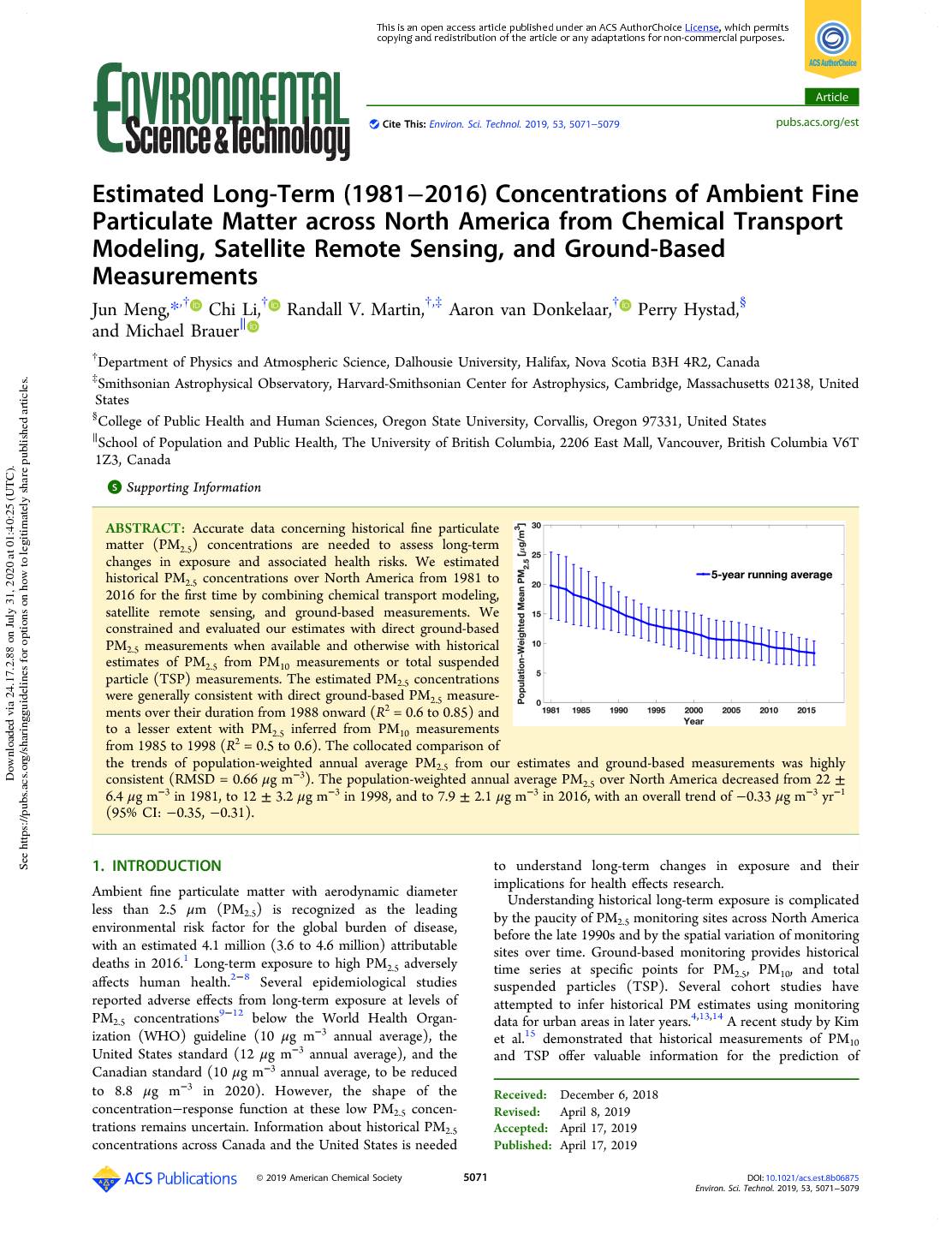 2019-04-17
Estimated long-term (1981−2016) concentrations of ambient fine particulate matter across North America from chemical transport modeling, satellite remote sensing, and ground-based measurements
Researchers estimated historical fine particulate matter (PM2.5) air pollution levels across North America from 1981 to 2016 by combining satellite data, computer modeling, and ground-based measurements. The study found that average PM2.5 concentrations fell dramatically over the period, dropping from 22 μg per cubic meter in 1981 to about 7.9 μg per cubic meter in 2016. While this research focuses on air quality rather than airport noise, it provides a scientific framework for tracking long-term environmental exposure trends relevant to public health policy. -
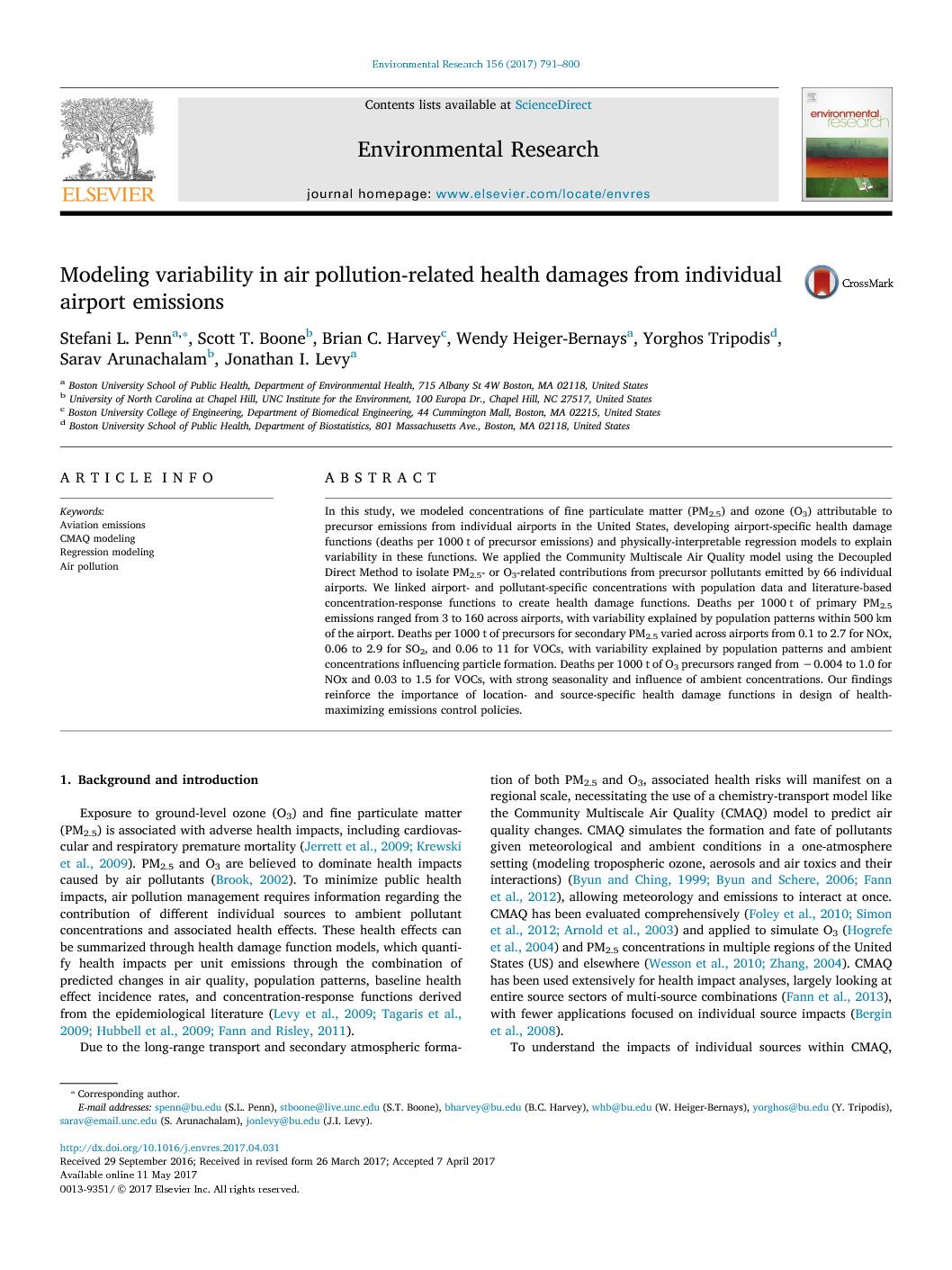 2017-05-11
Modeling variability in air pollution-related health damages from individual airport emissions
Researchers used advanced air quality modeling to estimate the health impacts of emissions from 66 U.S. airports, including how pollution from each individual airport contributes to premature deaths. The study found wide variation in health damage across airports, driven largely by nearby population density and local atmospheric conditions. These findings can help inform emissions control policies at specific airports to better protect public health.