-
The Podcast!
Subscribe to the only podcast devoted to helping people under the flight path everywhere. It’s definitely not just about noise!Most Recent: Ep #43 Air Quality Monitoring Update (Raw!)
The Issues
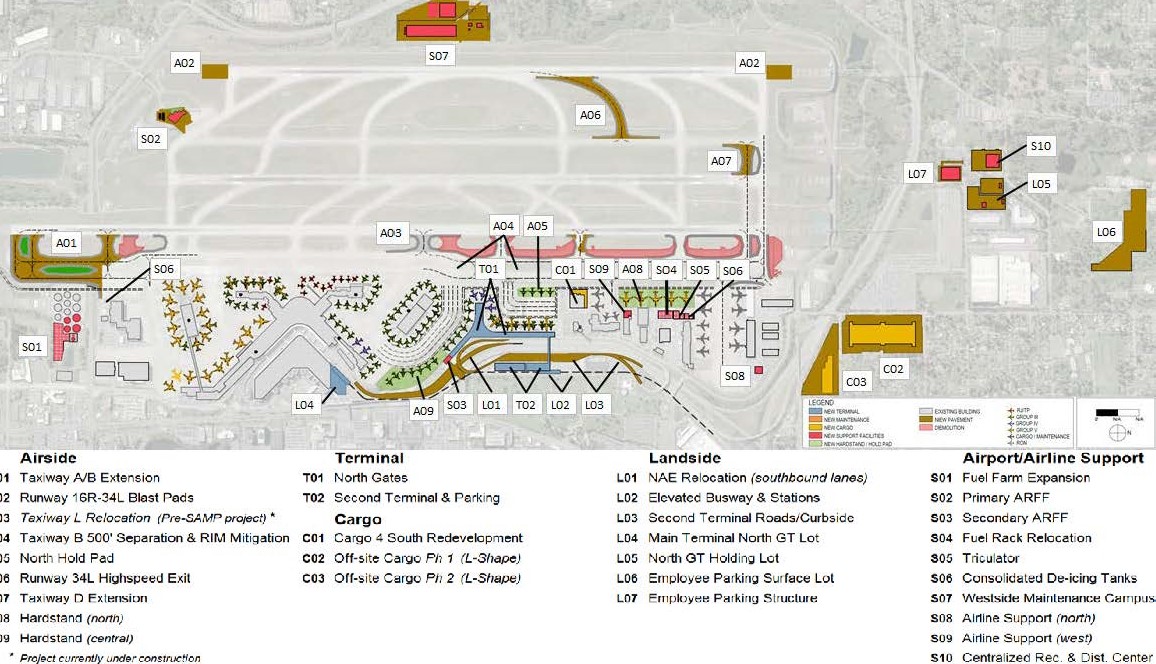 The Sustainable Airport Master Plan (SAMP) is the blueprint for increasing flight capacity by one third in the next ten years. It will have the same community impact as the Third Runway. In fact, it is happening now. How this is possible, and what it means for us.continue...
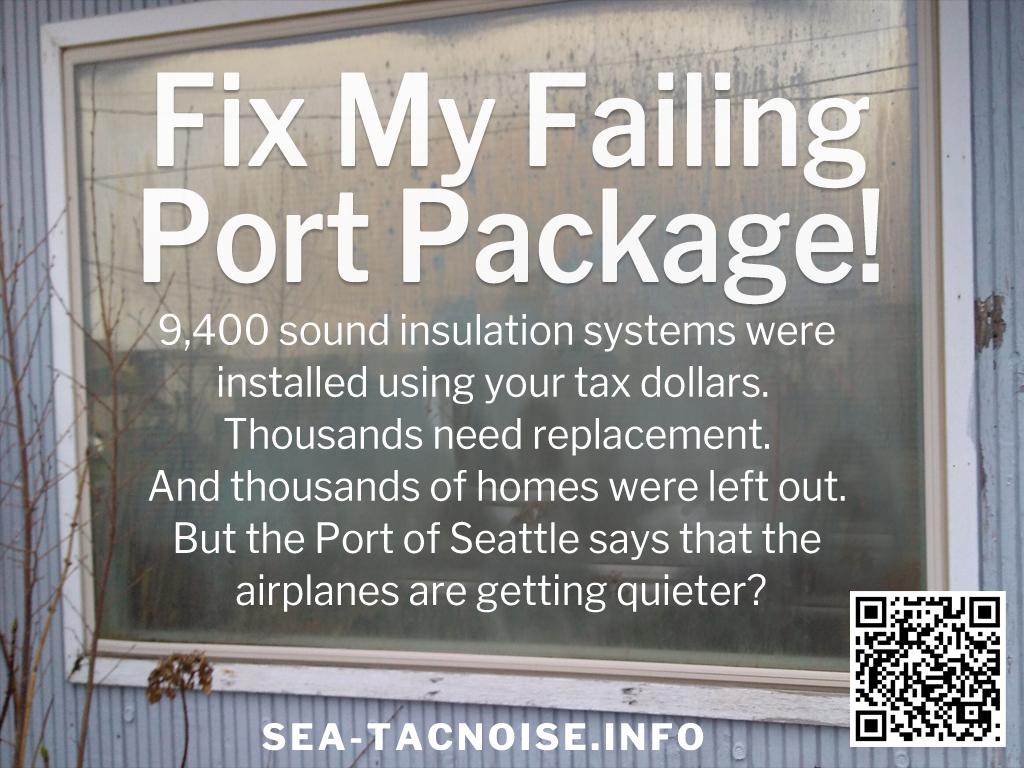 Does your home have a Port Package of noise mitigation windows and insulation? Having problems with your windows? Mold? You're not alone. Help us help you.continue...
-
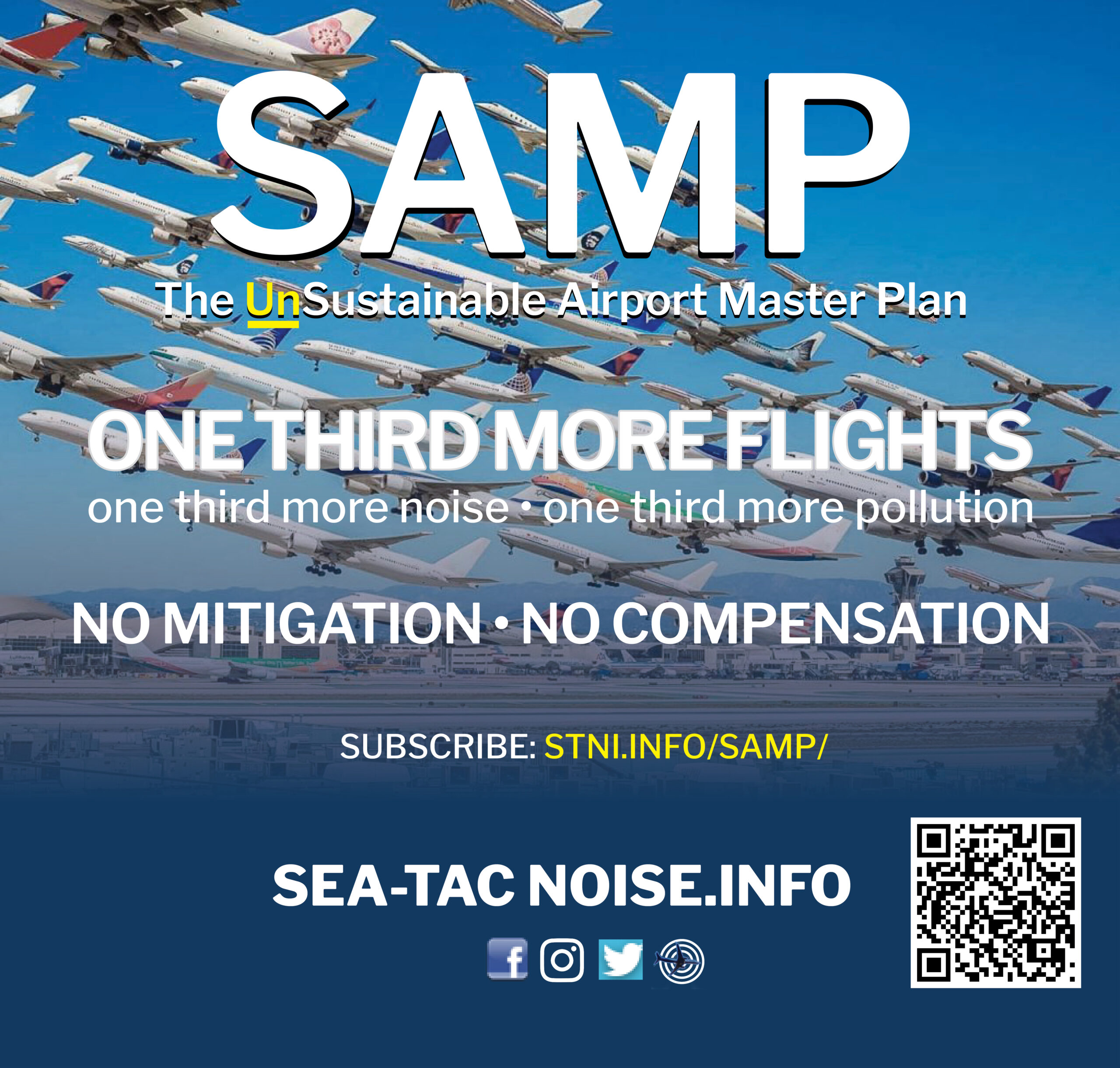 The SAMP SEPA EIS Public Comment Period is open now from May 22 – August 20, 2026. Learn what is coming and what you can do to help reduce the noise, the pollution, and obtain the compensation we’ve deserved for decades.
Top Story
Ep #43 Air Quality Monitoring Update (Raw!)
September 26, 2026
A 'raw' episode to show progress on one of our main goals: establishing the first true aviation-specific air quality monitoring network in the United States.
We took a big step forward in aviation pollution research last week with the opening of a new station in Des Moines.
Sea-Tac is the only airport in America with coverage at both ends of the flight path!
Learn how we got here and why this matters for the future of research and improving the health for everyone under the flight path.
Next up? A series of stories on the Sea-Tac Communities Plan, and our 2027 Legislative Agenda.
To learn how you can make a difference:
Recent Stories
-
High profile Sea-Tac air pollution class action lawsuit grounded by Ninth Circuit
Clean Air Act preempts state claims over aircraft pollution After three years, a widely-promoted class action lawsuit on behalf of residents around Sea-Tac Airport has finally been heard in federal court. The September 23 opinion by the Ninth Circuit Court of Appeals is not good. The original complaint tried to hold the Port of Seattle, -
Highline Forum Postgame
The sparsely attended meeting of electeds and administrators from the Highline Cities and Schools was held at the Des Moines Police Station and featured two updates of interest to readers: SAMP SEPA DEIS Summary Port Environmental Manager Steve Rybolt is charged with reviewing public the 490 comments provided. He stated that though this number is -
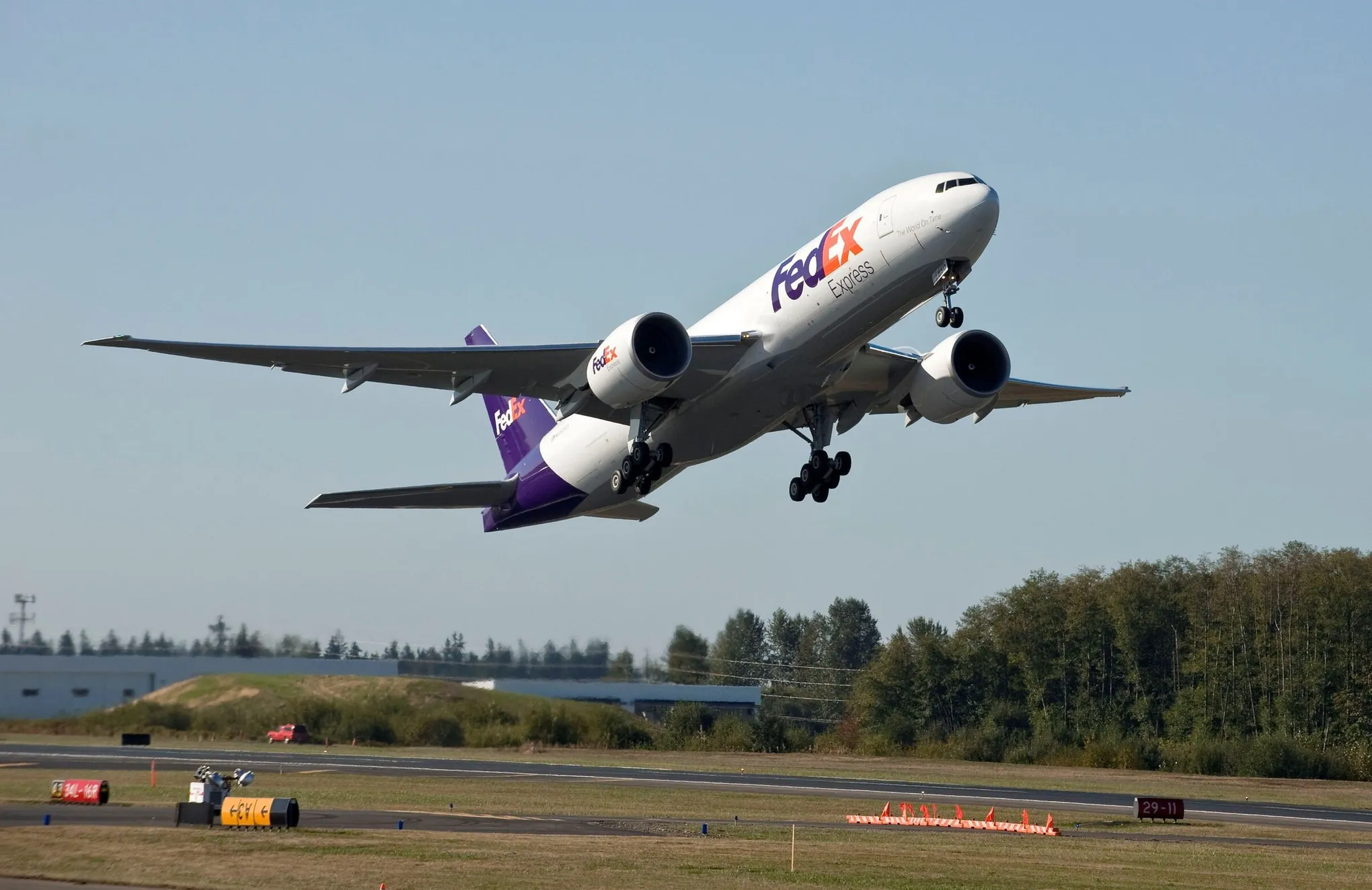
Boeing allowed to keep making 777 freighter despite climate rules
By Lauren Rosenblatt Seattle Times business reporter The Federal Aviation Administration last week granted Boeing’s 777 freighter a few more years of production, waiving looming emissions requirements for up to 35 new aircraft. Without that exemption, Boeing would have had to sunset production of the Everett-built 777 freighter in 2028 because the cargo plane would -
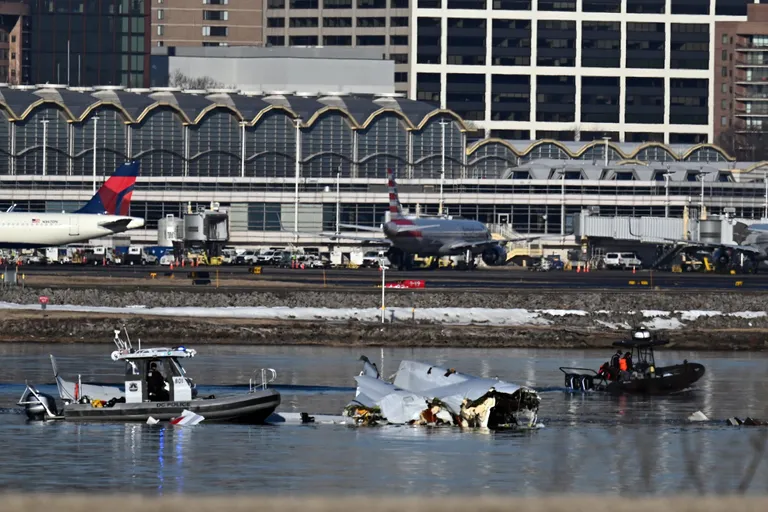
VA Senators drop bill to cap operations at Reagan DCA
Targets all the right problems. Almost no chance of passing. On September 10, Senators Tim Kaine and Mark Warner introduced the DCA Air Safety Act, a response to the January 2025 midair collision near Reagan National that killed 67 people. It is the single most direct statement for rational airport management in four decades. It -
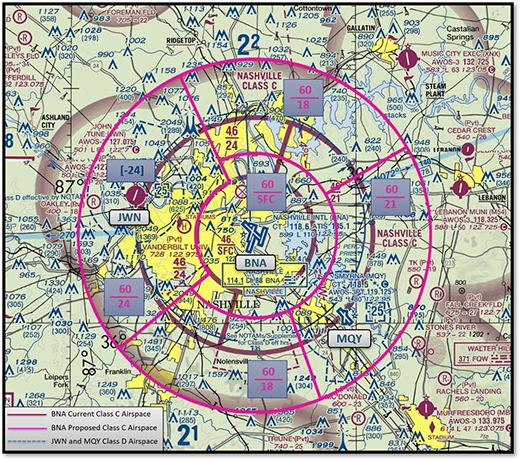
Nashville suburbs sue FAA over new departure headings
Nashville's suburbs are taking the FAA to court arguing against the same shortcut to changing flight paths used in so many previous community lawsuits: CATEX, challenging new departure headings and Performance-Based Navigation procedures at Nashville International Airport — an airport growing from 200,000 to an expected 300,000-plus annual operations by 2037. At the heart of the case are troubling contradictions in the FAA's own paperwork: noise modeling that claims zero impact anywhere in the study area, while a separate FAA letter quietly acknowledges noise increases of more than 5 dB in two locations. Add in a categorical exclusion that deliberately splits one airspace redesign into smaller pieces to avoid public environmental review, and a nature preserve being modeled without accounting for terrain — and a familiar pattern emerges.
-
Upcoming Events
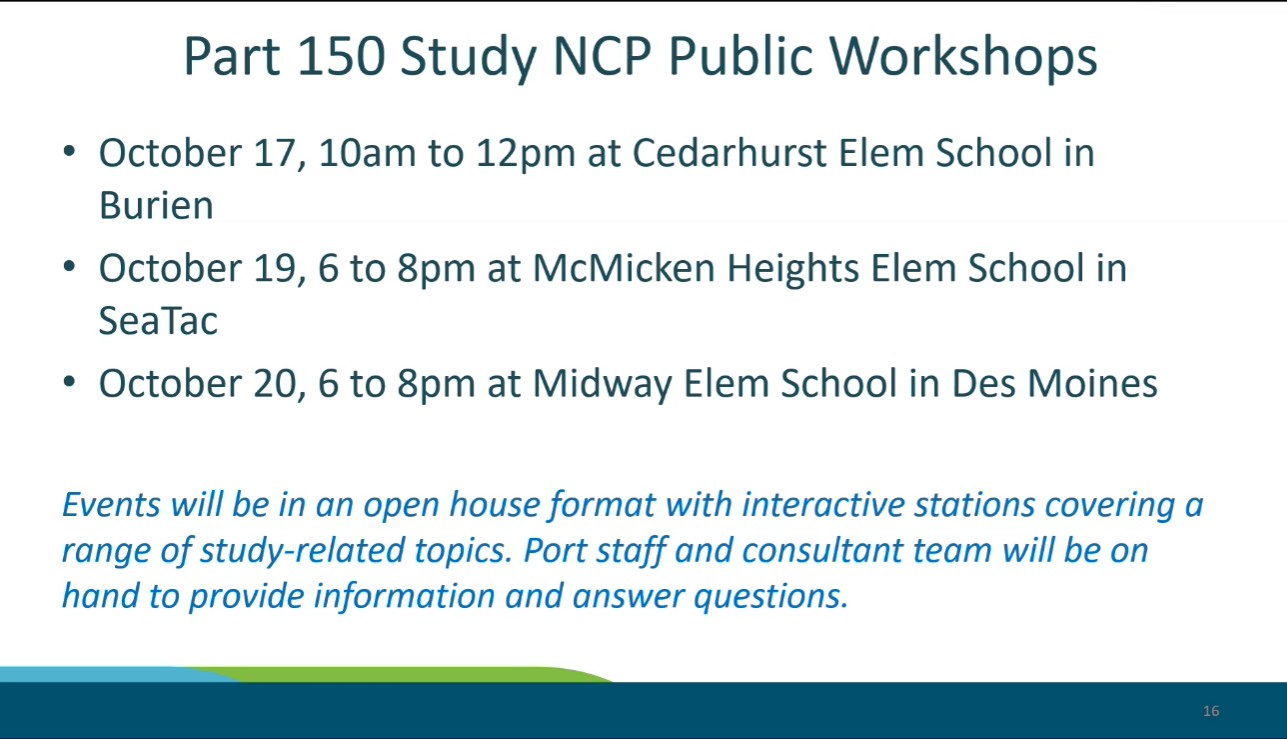
Attend a Port of Seattle open house on the Part 150 Study Noise Compatibility Program (NCP). The Part 150 program determines the noise boundary around the airport and opportunities for noise mitigation such as sound insulation.
[...]Attend a Port of Seattle open house on the Part 150 Study Noise Compatibility Program (NCP). The Part 150 program determines the noise boundary around the airport and opportunities for noise mitigation such as sound insulation.
[...]Attend a Port of Seattle open house on the Part 150 Study Noise Compatibility Program (NCP). The Part 150 program determines the noise boundary around the airport and opportunities for noise mitigation such as sound insulation.
[...]
From The Web
- October 1, 2026
 Airport Roundtable to meet October 5, October 26 Due to the Indigenous Peoples Day holiday, the regular Airport Roundtable meeting for October will be held one week earlier than normal, on Monday, October 5. The regular Roundtable Zoom link will work to attend virtually. To receive the link, register to attend. An agenda and meeting [...]
From The Library
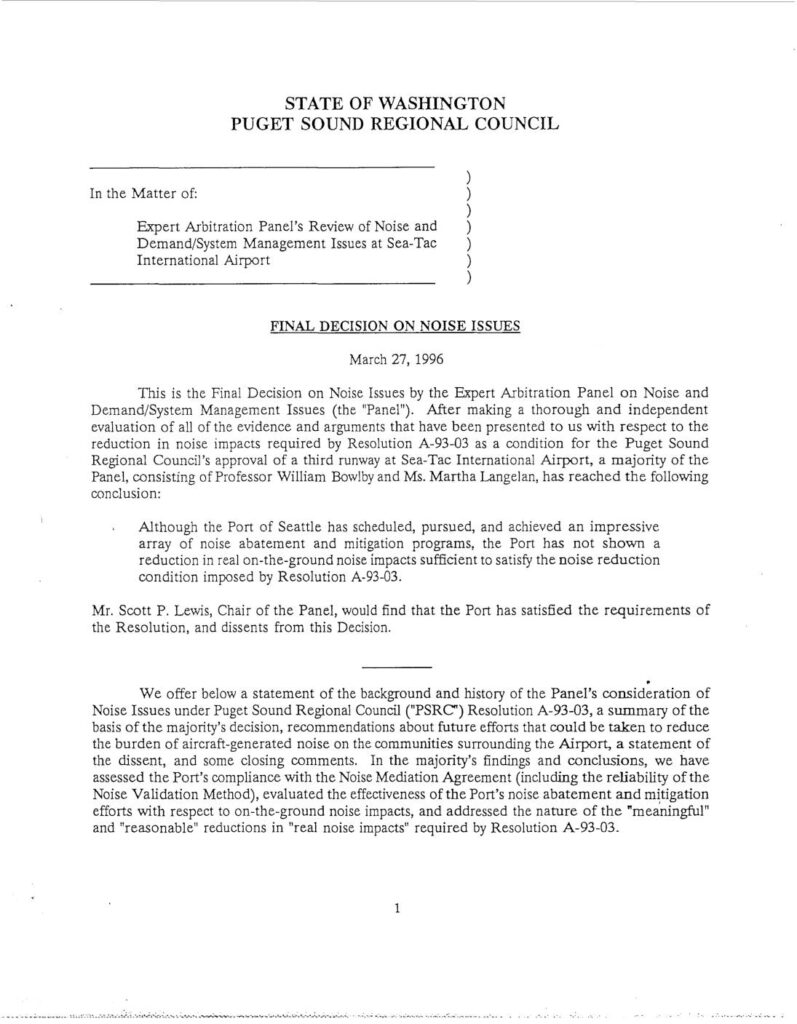 As the source for federal transportation grants, the Puget Sound Regional Council was charged with developing a system to meet the growing need for commercial aviation. When the search for a second airport failed, they authorized the Port of Seattle to build the Third Runway, with a mandate to develop a noise abatement and mitigation program. In their effort to…continue...
Under The Flight Path
 Under The Flight Path: A Community History of Sea-Tac Airport. Help us complete the first comprehensive documentary of any major US airport; the impacts on the cities and the people.continue...
FAQs