TagSustainable Aviation Fuels(42)
-
 2025-07-23 01:45
Greenhouse gas accounting procedures may overlook bio-derived aviation fuel
by University of Illinois at Urbana-Champaign edited by Sadie Harley, reviewed by Andrew Zinin Editors’ notes Credit: Pixabay/CC0 Public Domain Low carbon fuel policies are intended to reduce greenhouse gas (GHG) emissions from transportation. However, rigid carbon intensity (CI) accounting procedures in current policies may limit CI responsiveness across candidate sites and facilities. Work published in the journal ACS Sustainable Resource -
 2025-02-21 20:31
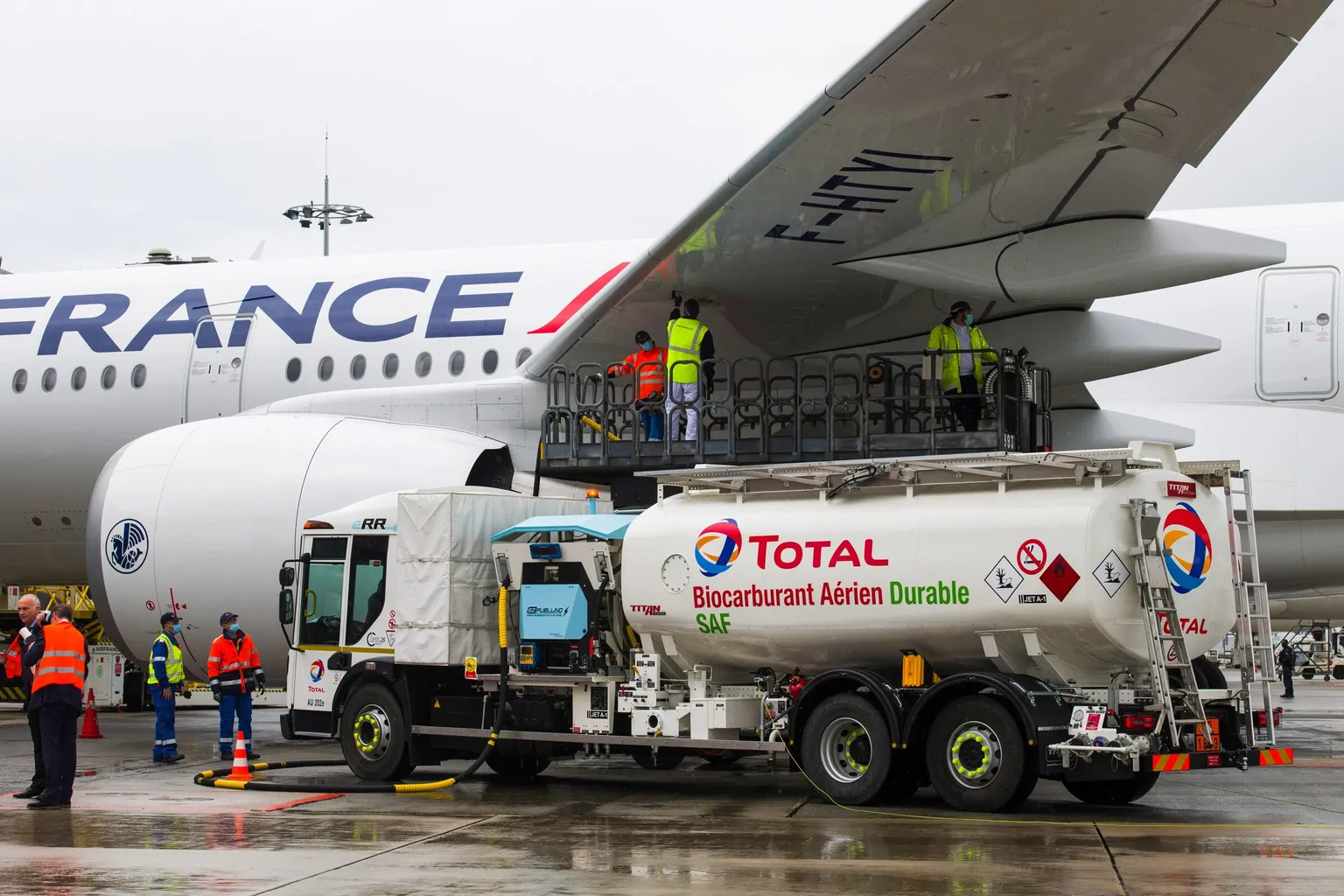
State backs green aviation fuel plant as industry struggles to cut emissions
By Dominic Gates Seattle Times aerospace reporter Washington state has awarded a new $1.5 million grant for a planned sustainable aviation fuels and renewable diesel production facility projected to open in 2029 at Wallula Gap on the Columbia River. That’s a very small portion of the funding required to complete the facility being developed by -
 2024-07-27 16:41
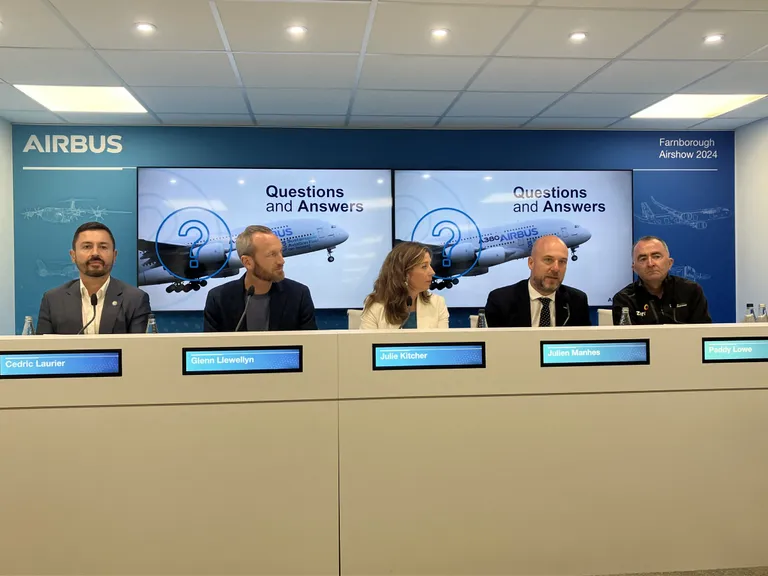
Green aviation solutions have yet to take off as climate restrictions loom
Airbus officials hold a panel on sustainable aviation on Wednesday at the Farnborough Air Show. (Dominic Gates / The Seattle Times) By Dominic Gates Seattle Times aerospace reporter FARNBOROUGH, England — The aviation industry has preached for years that low-carbon sustainable aviation fuel, or SAF, will be key to making the airline business carbon neutral. -
 2024-06-26 23:02
McKinsey Making Net-Zero Aviation Possible
net zero within the sector by 2050 and to comply with a 1.5°C target. The Mission Possible Partnership At current emissions levels, staying within the global carbon budget for 1.5°C might slip out of reach in this decade. Yet efforts to slow climate change by reducing greenhouse gas (GHG) emissions run into a central challenge: some of the biggest emitters of greenhouse gases into the atmosphere — transportation sectors like aviation, shipping and trucking, and heavy industries like steel, aluminium, cement/concrete, and chemicals manufacturing — are the hardest to abate. Transitioning these industries to climate-neutral energy sources requires complex, costly, and sometimes immature technologies, as well as direct collaboration across the whole value chain, including companies, suppliers, customers, banks, institutional investors, and governments. Catalysing these changes is the goal of the Mission Possible Partnership (MPP), an alliance of climate leaders focused on supercharging efforts to decarbonise these industries. Our objective is to propel a committed community of CEOs from carbon-intensive industries, together with their financiers, customers, and suppliers, to agree and, more importantly, to act on the essential decisions required for decarbonising heavy industry and transport. Led by the Energy Transitions Commission, the Rocky Mountain Institute, the We Mean Business Coalition, and the World Economic Forum, MPP will orchestrate high-ambition disruption through net-zero industry platforms for seven of the world’s most hard-to-abate sectors: aviation, shipping, trucking, steel, aluminium, cement/concrete, and chemicals. The foundation of MPP’s approach: Sector Transition Strategies Transitioning heavy industry and transport to net-zero GHG emissions by 2050… -
 2024-06-23 21:33
FORBES MONEY MARKETS Is Europe’s 2050 Sustainable Aviation Fuel Quota Unsustainable?
Europe's airlines have been queuing up to buy sustainable aviation fuels (SAFs). However, the European industry will most likely fail in meeting the EU's 2050 quota target, because the target itself is not very realistic, according to the boss of the company operating one of Europe's largest airports. -
 2024-06-05 21:44
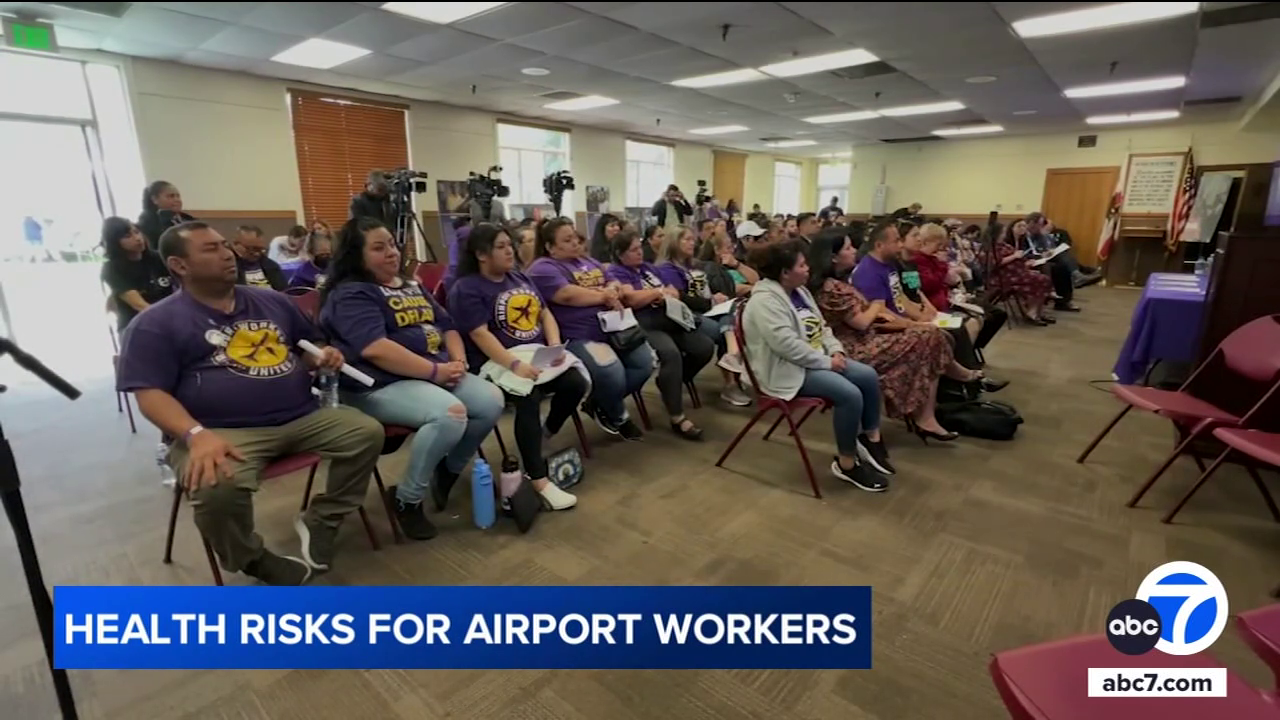
Airport workers asking Sacramento to mandate airlines report jet fuel emissions
Sid Garcia Wednesday, June 5, 2024 12:57PM A new study has detailed the health effects of jet fuel emissions on airport workers and people living near an airport or flight path. A new study has detailed the health effects of jet fuel emissions on airport workers and people living near an airport or flight path. -
 2024-05-24 23:30
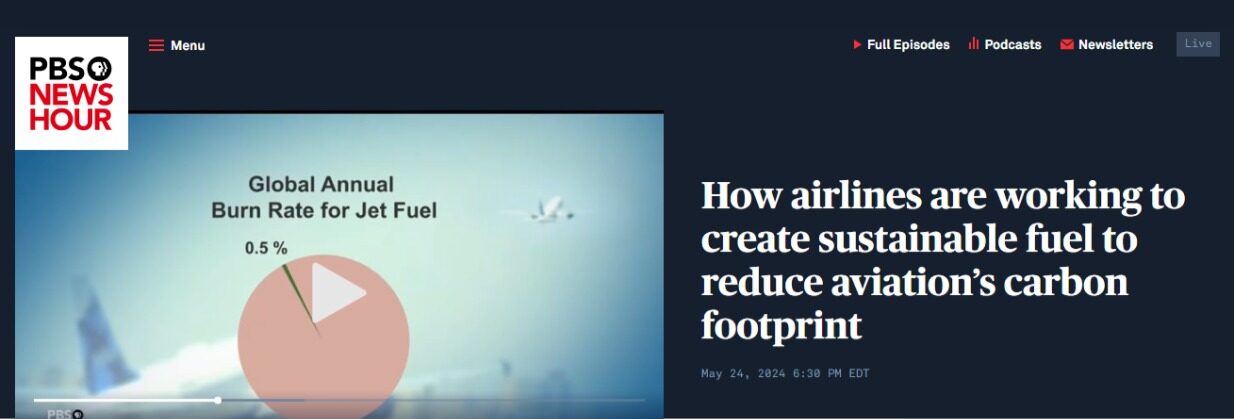
How airlines are working to create sustainable fuel to reduce aviation’s carbon footprint
Memorial Day weekend is the unofficial start of the summer travel season and that means a lot of driving and flying. When discussing greenhouse gas emissions, the focus is usually on cars and trucks since they generate the most. But the aviation sector is under pressure to reduce its carbon footprint. Science correspondent Miles O’Brien -
 2024-05-12 21:11
Southwest Airlines invests in sustainable aviation fuel
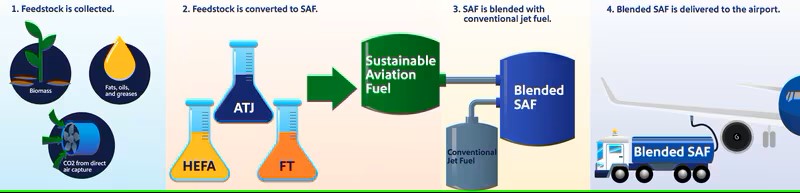
From cornfield to airplane By Erica Quinlan May 12, 2024 at 12:50 pm CDT A chart shows how sustainable aviation fuel is created. INDIANAPOLIS — Boilermaker Anthony Gregory recently attended the High Performance Low Carbon Liquid Fuels Summit. Gregory, who works as renewable ventures chief operating officer at Southwest Airlines, discussed sustainable aviation fuel. Southwest -
 2024-05-08 22:23
Farm To Fly: Greenwashing at your expense
Proposal would subsidize farmers to grow crops to create aviation fuel The Farm To Fly Act is the most basic reason STNI has never endorsed so-called sustainable aviation fuels. In theory, aviation fuels created exclusively from scrap biomass may pollute less and might create fewer greenhouse gases than fossil fuels. However, the amount of such available material -
2024-04-24 21:49
Airlines, farm groups urge crop-based aviation fuel in farm bill
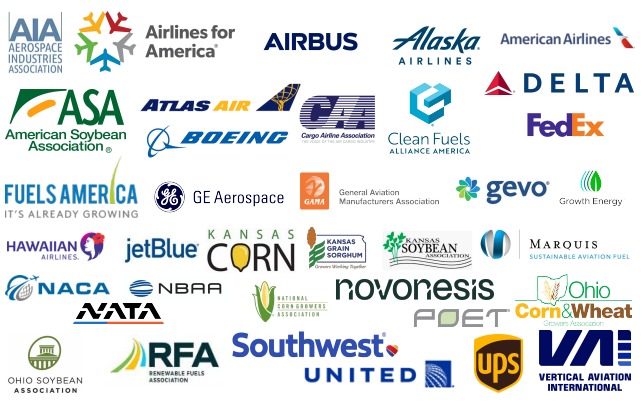
By Marc Heller | 04/24/2024 01:40 PM EDT Organizations asked Agriculture Committee leaders in Congress to include incentives for sustainable aviation fuel in the upcoming farm bill. Rep. Max Miller (R-Ohio) is leading legislation on sustainable aviation fuel that groups want included in the farm bill. Francis Chung/POLITICO Commercial airlines and biofuel industry groups pressed key lawmakers Wednesday