2026-06-23
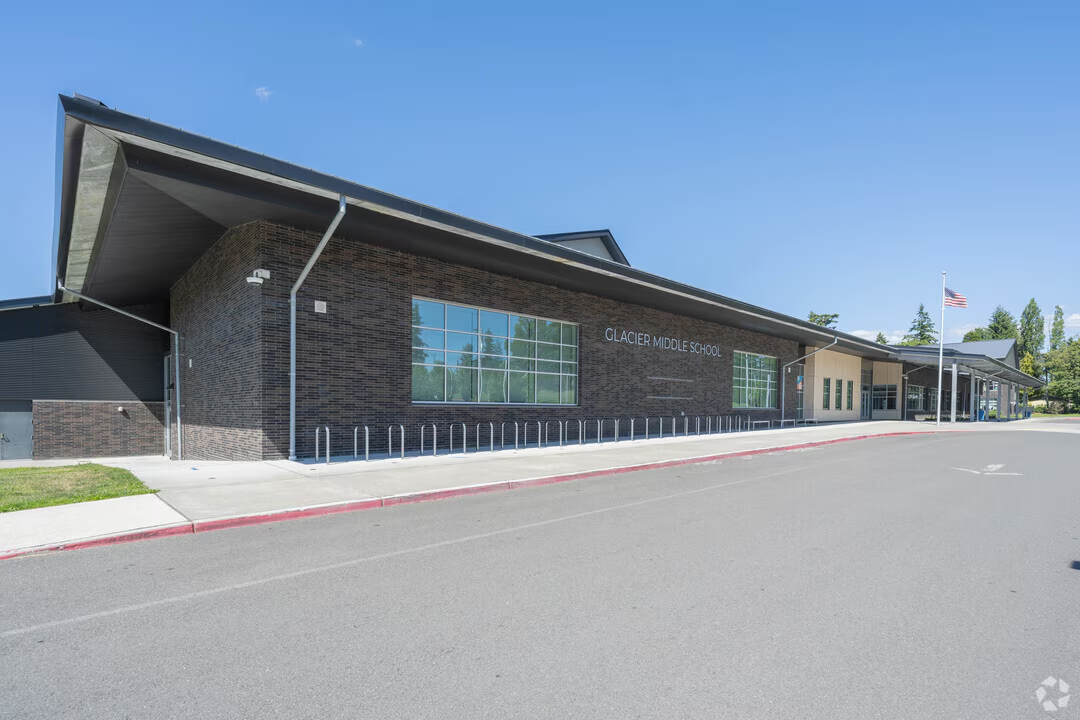
Attending a Port of Seattle open house can feel like going through the motions — and that's exactly the point. After visiting the first of four SAMP open houses at Glacier Middle School, we're giving you an honest preview of what to expect: low turnout, recycled poster boards, and out-of-town consultants who fly in, answer questions, and fly right back out. But here's what matters most: if you're frustrated about airport expansion, noise, and public health impacts, you're likely directing your anger at the wrong people. Port staff don't set policy. The real accountability gap lies with your elected officials — city councilmembers and Port Commissioners — who have had decades to monitor and respond to expansion plans that were effectively decided before the Third Runway even opened. We'll tell you exactly who deserves your attention, why these open houses primarily serve the Port's FAA checkbox requirements, and what a more effective strategy for community advocacy actually looks like.
2026-04-22
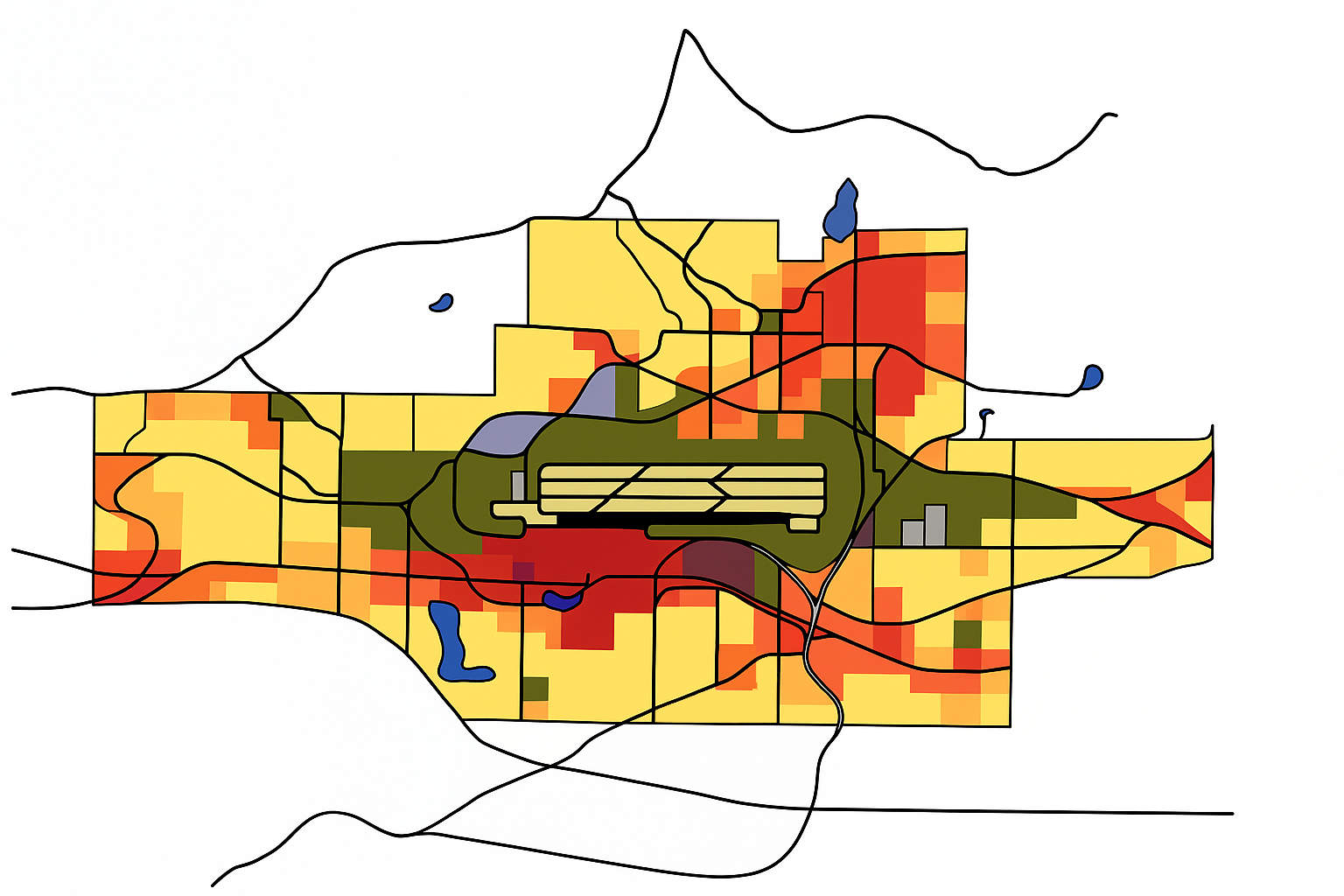
Airport advocacy’s roots in environmentalism When Earth Day began in 1970 the problems of environmental damage were obvious to everyone. There was almost complete bipartisan support for major legislation to improve the quality of life for everyone in America — including airports. Even President Nixon was on board, signing into law every piece of environmental
2026-04-13
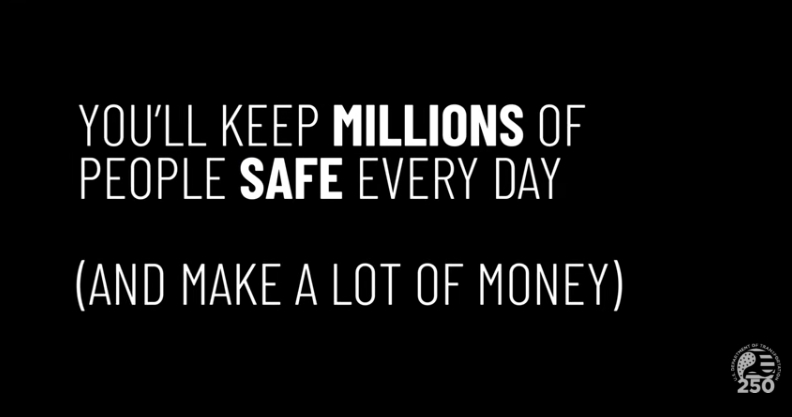
Level Up: April 17th Historically, the FAA’s approach to recruiting and retaining Air Traffic Controllers has been to say the least, a slightly schizophrenic. On the one hand, the physical and mental requirements are more challenging than most government or military positions. By government standards, the compensation, and particularly the retirement benefits are very good.
2026-02-19
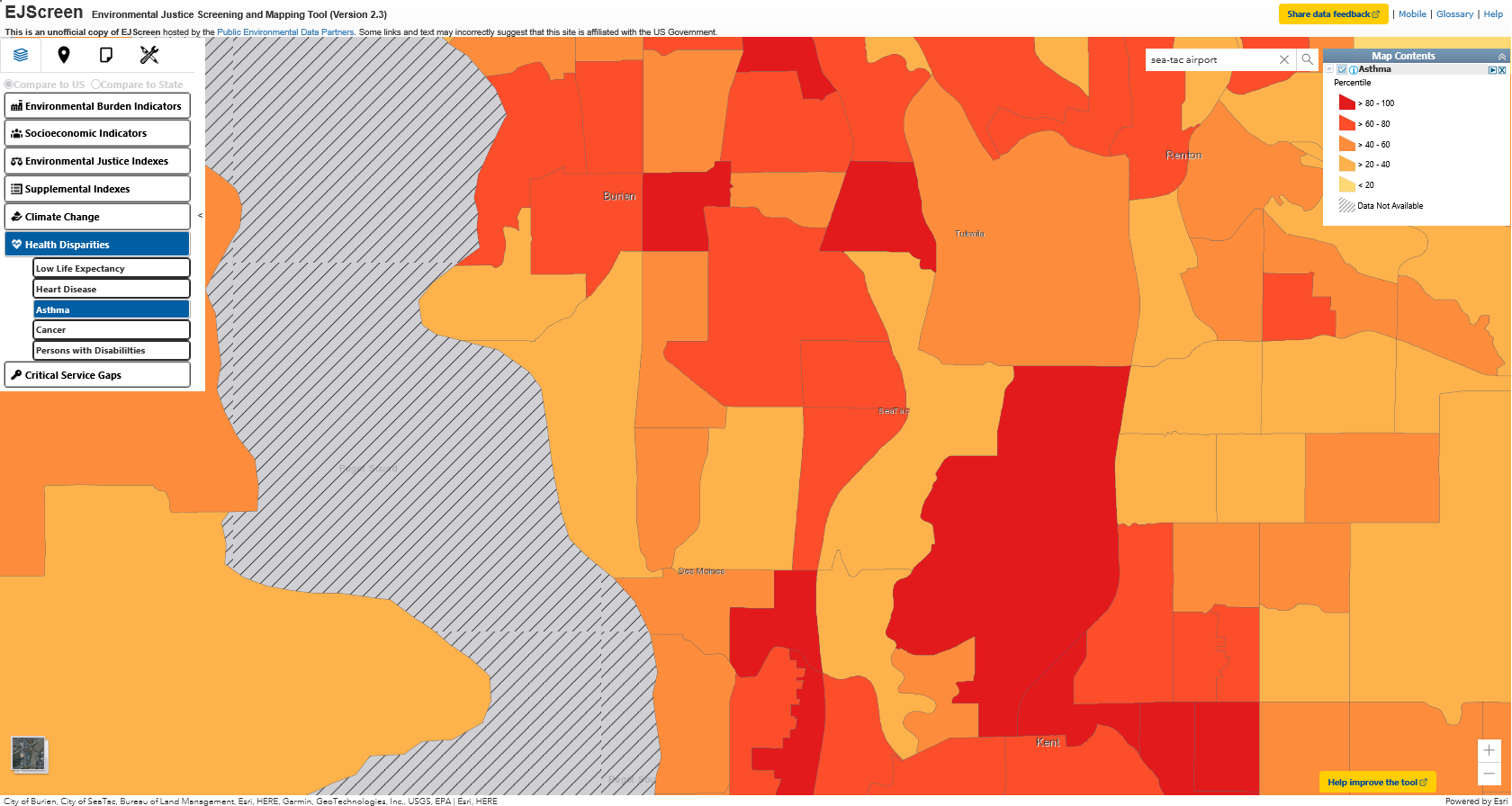
The benefits and consequences for airport communities In January 2025, the Trump administration began removing content from federal websites following Executive Order 14151. The order directed all government agencies to terminate DEI and environmental justice–related programs. These include environmental justice and climate mapping using a nationally consistent dataset for evaluating the socioeconomic impacts of airports.
A modern, community-based approach A failed 50 year natural experiment It has been axiomatic that transportation, land, sea, and air, will eventually accrue to the benefit of all–or at least the vast majority of stakeholders–including the communities through which they flow. At bottom, the Port of Seattle is a transportation agency. All of its work
2026-01-01
Happy New Year 2026 As we enter our tenth year, we want to thank everyone who helped out last year and ask for renewed support in the next. This is a big year and what we need most–to continue helping you–right now are a few more donations. Two slogans As the slogan says, “Solve for
2025-07-19
Using ‘bird deterrents’ to think about airport community compensation On November 21, 2024 the Des Moines City Council voted to spend $124,191 of Des Moines taxpayer money for Bird-X (brand) ‘bird balls’. This was not a discretionary purchase. According to FAA Advisory Circular 150-5200-33C a property owner of a retention pond near an airport is
Why Fly Quiet programs are not great. And the magic of DNL Sleep disruption, specifically from aircraft, is very unhealthy, creating both acute and chronic illnesses. The FAA recognizes this and takes night time flights into account when establishing the noise boundary (DNL) determining which homes get sound insulation. But there is a lot more
2025-06-12
Our last post on funding Port Package updates (Three Votes. Three Dollars.) got many more letters than most. The reactions were everything from enthusiasm to sarcasm and in this year of the SAMP we think it’s time for a reality check. We recently picked up a new volunteer. That in itself is unusual these days.
 2026-04-22
 2026-04-13
 2026-02-19
 2026-01-01
 2025-10-23
 2025-06-12