TagUWDEOHS(34)
-
 2024-10-24
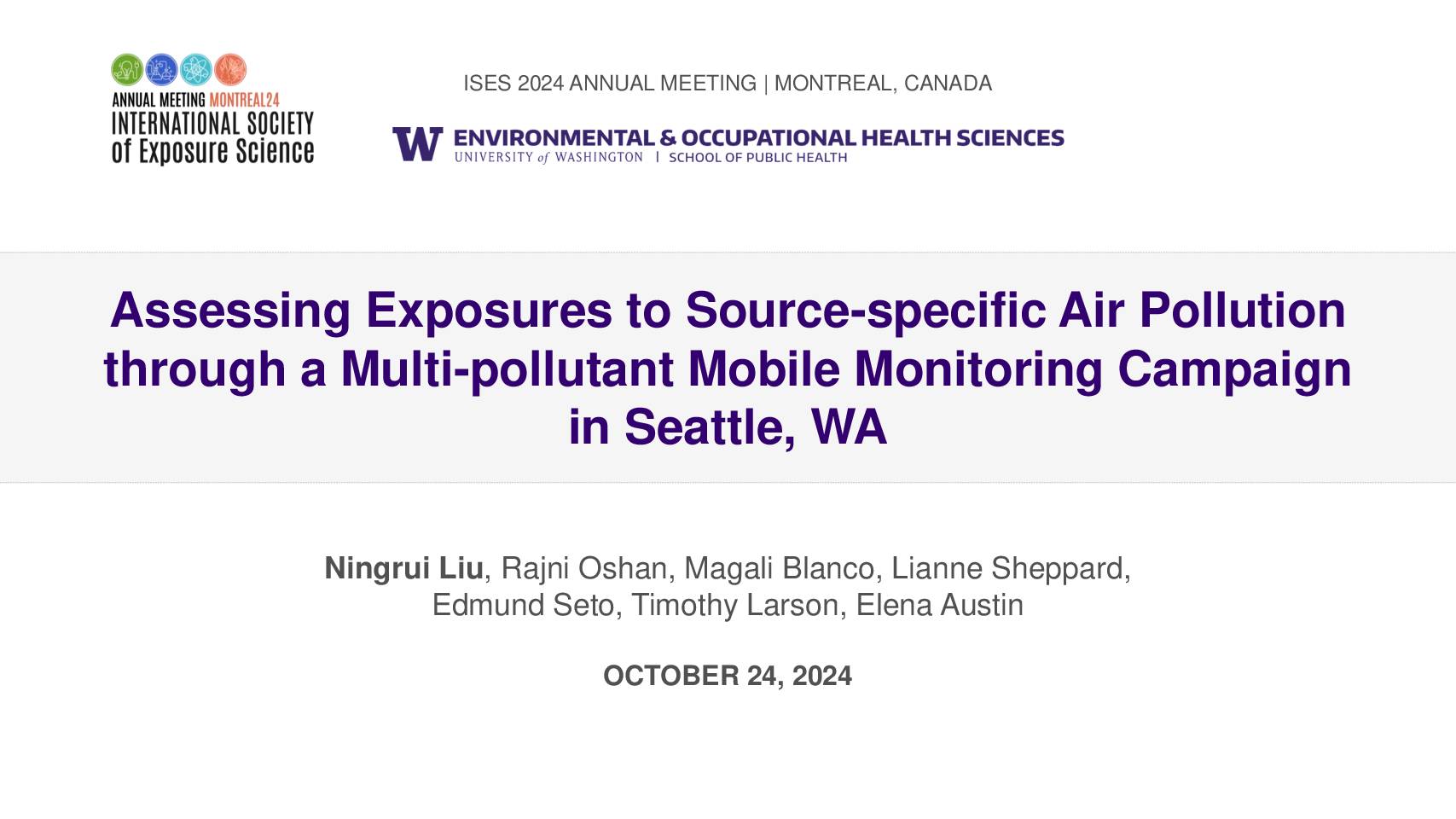
Assessing exposures to source-specific air pollution through a multi-pollutant mobile monitoring campaign in Seattle, WA
This presentation from the 2024 International Society of Exposure Science annual meeting describes a mobile air quality monitoring study conducted in Seattle, Washington, examining exposure to pollutants from specific sources such as traffic and industry. Researchers from the University of Washington used a multi-pollutant mobile monitoring campaign to measure and assess how people in the Seattle area are exposed to different types of air pollution across various locations. The study covers introduction, methods, results, and conclusions related to source-specific air pollution exposure assessment. -
 2024-09-23
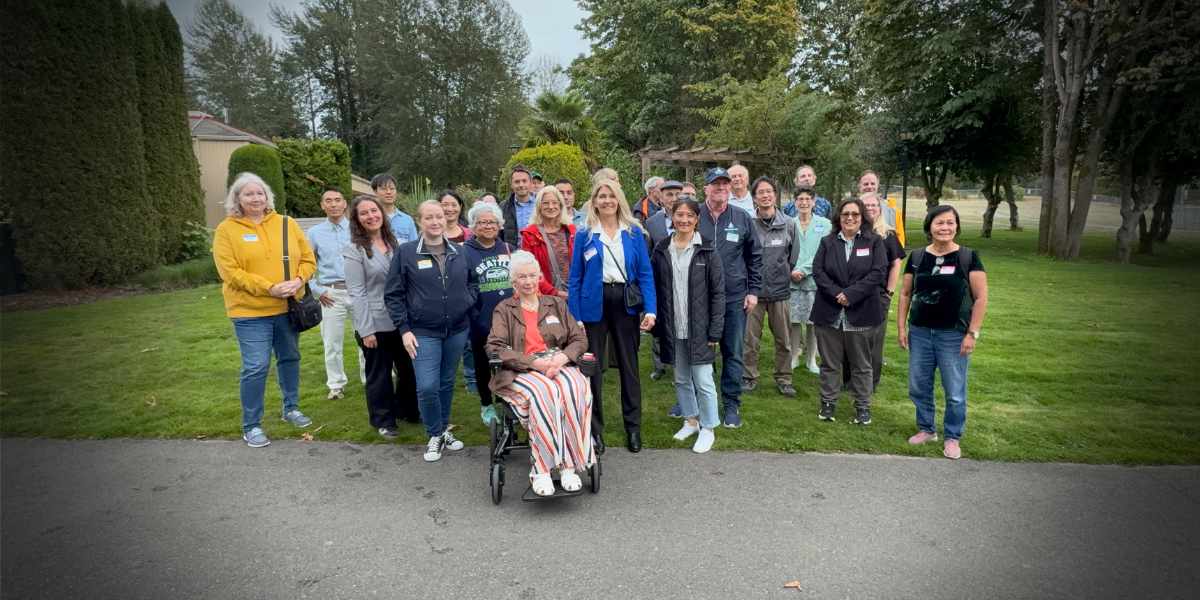
New Air Quality Monitor Begins Tracking Sea-Tac Airport Pollution in Des Moines
A new air quality monitoring station is now operating in Des Moines, providing ongoing measurements of ultrafine particles and other pollutants near Sea-Tac Airport. The City of Des Moines joined community members and project partners for a ribbon cutting on Thursday, Sept. 24, celebrating the opening of the site (see video below). The station will -
2024-05-09
Population health implications of exposure to pervasive military aircraft noise pollution
Giordano Jacuzzi, Lauren M. Kuehne, Anne Harvey, Christine Hurley, Robert Wilbur, Edmund Seto & Julian D. Olden Journal of Exposure Science & Environmental Epidemiology (2024)Cite this article 1267 Accesses 318 Altmetric Metricsdetails Abstract Background While the adverse health effects of civil aircraft noise are relatively well studied, impacts associated with more intense and intermittent noise from military aviation have -
 2024-03-07
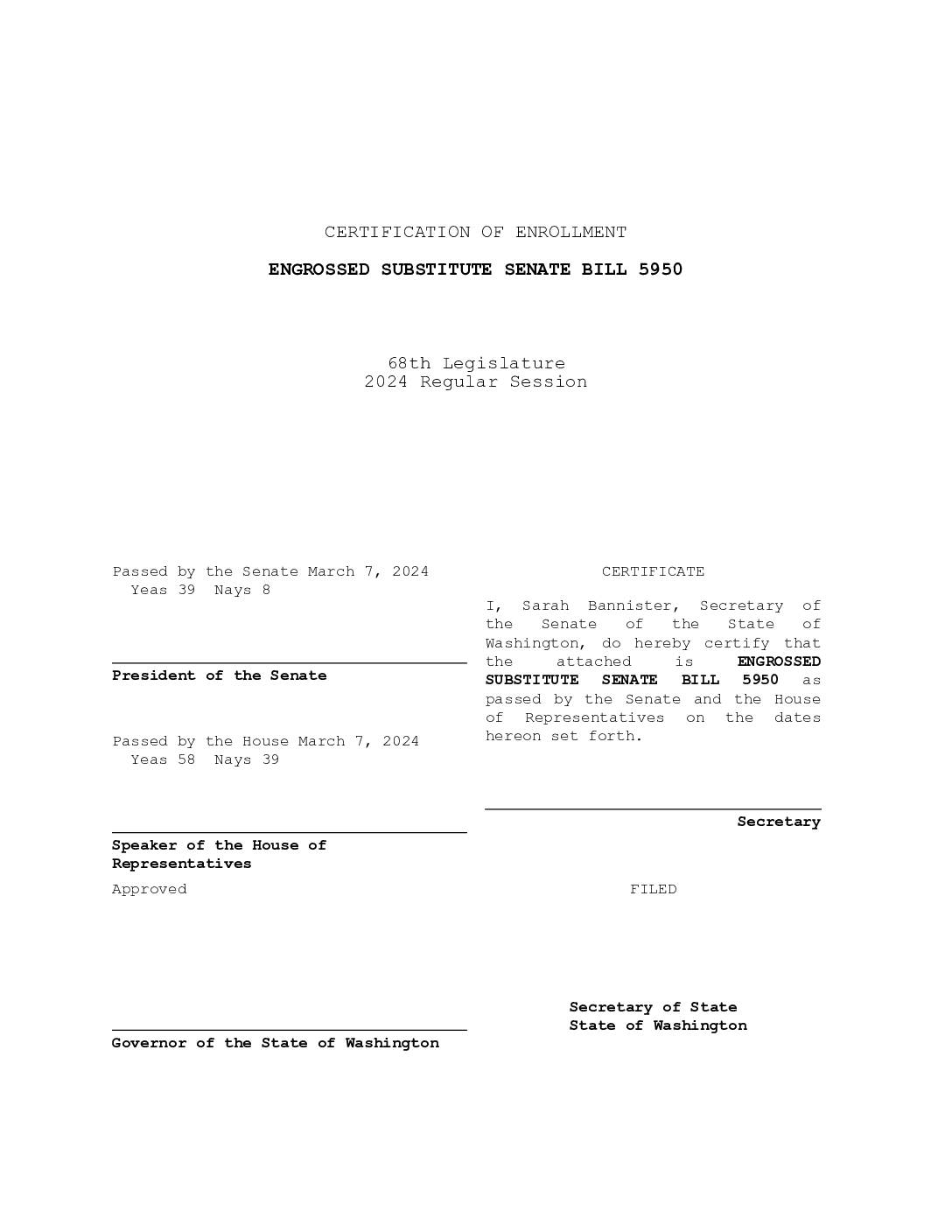
Engrossed Substitute Senate Bill 5950: Washington State Fiscal Matters Appropriations Act, 2024
Engrossed Substitute Senate Bill 5950, passed by the Washington State Legislature on March 7, 2024, is a fiscal appropriations bill that adopts a state budget for the biennium running from July 1, 2023, through June 30, 2025. The bill authorizes spending from various state funds for agency salaries, wages, and other specified purposes, while amending several existing statutes related to financial management. Note: This bill addresses general state fiscal matters and does not contain provisions specifically related to Sea-Tac Airport noise policy. -
ANES 2023 Program Information
Adapting for Tomorrow, Today While climate change is an urgent challenge for every sector, forcing businesses and people to rethink their actions, the airline industry and affected communities are also facing even deeper challenges in attempting to alleviate continued noise, health and climate change impacts. This year’s sessions will take a deep dive into how aviation noise and emissions assessments -
 2023-07-10
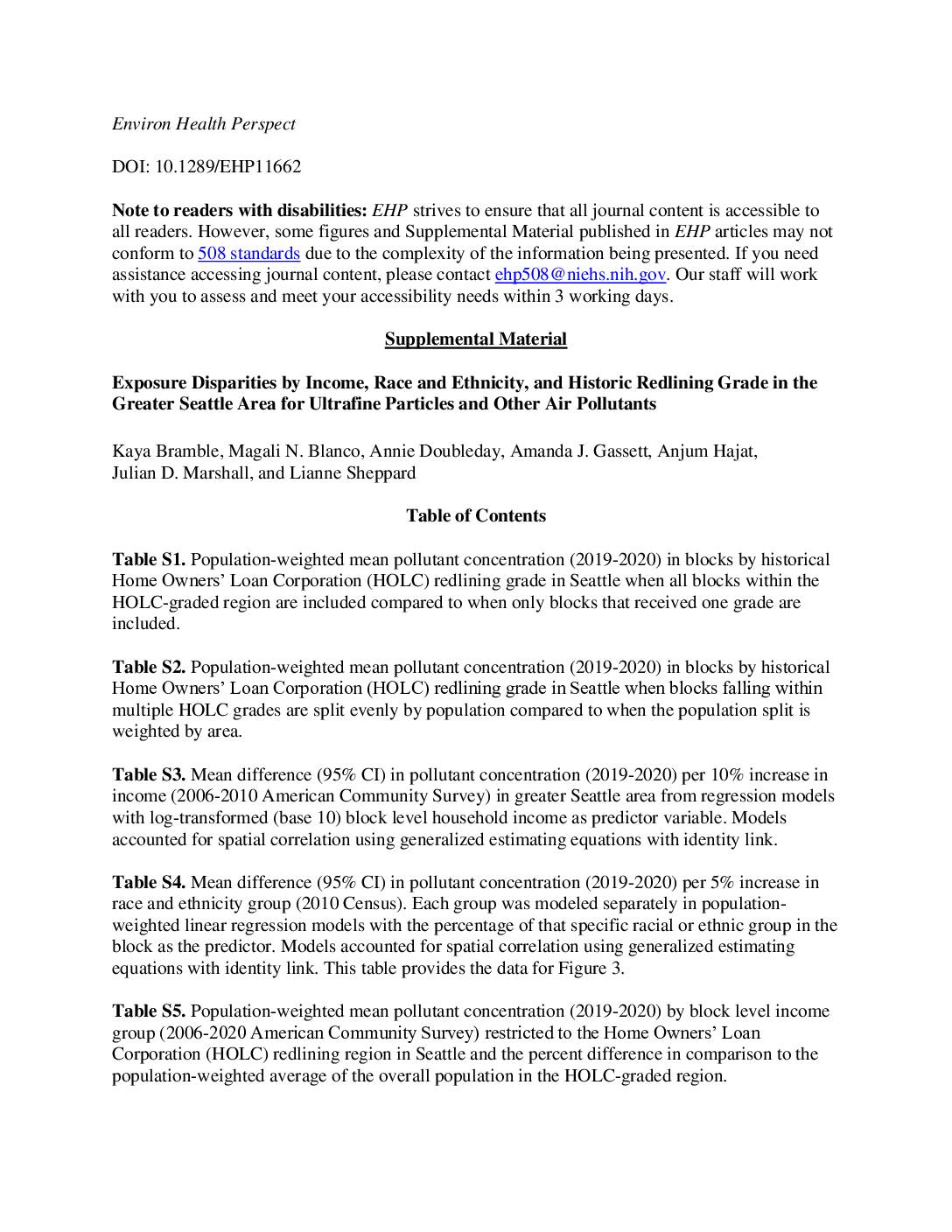
Supplemental material: Exposure disparities by income, race and ethnicity, and historic redlining grade in the greater Seattle area for ultrafine particles and other air pollutants
This environmental health study examines how exposure to ultrafine particles and other air pollutants varies across the greater Seattle area based on income, race and ethnicity, and historical redlining grades assigned by the Home Owners' Loan Corporation (HOLC). Researchers analyzed pollutant concentration data from 2019-2020 alongside census and demographic data to identify disparities between communities. The supplemental materials include statistical tables and scatterplots supporting the main findings on environmental inequality across Seattle neighborhoods. -
UW study shows Seattle’s historically redlined communities have worse air quality
By Isabella Breda Seattle Times staff reporter As Seattleites awoke to a hazy concoction of wildfire and Fourth of July firework smoke Wednesday morning, a new study dropped, revealing that some neighborhoods in the city are regularly subject to worse air pollution, reflective of historic racist policies. Those neighborhoods, according to research published Wednesday from the University of Washington, -
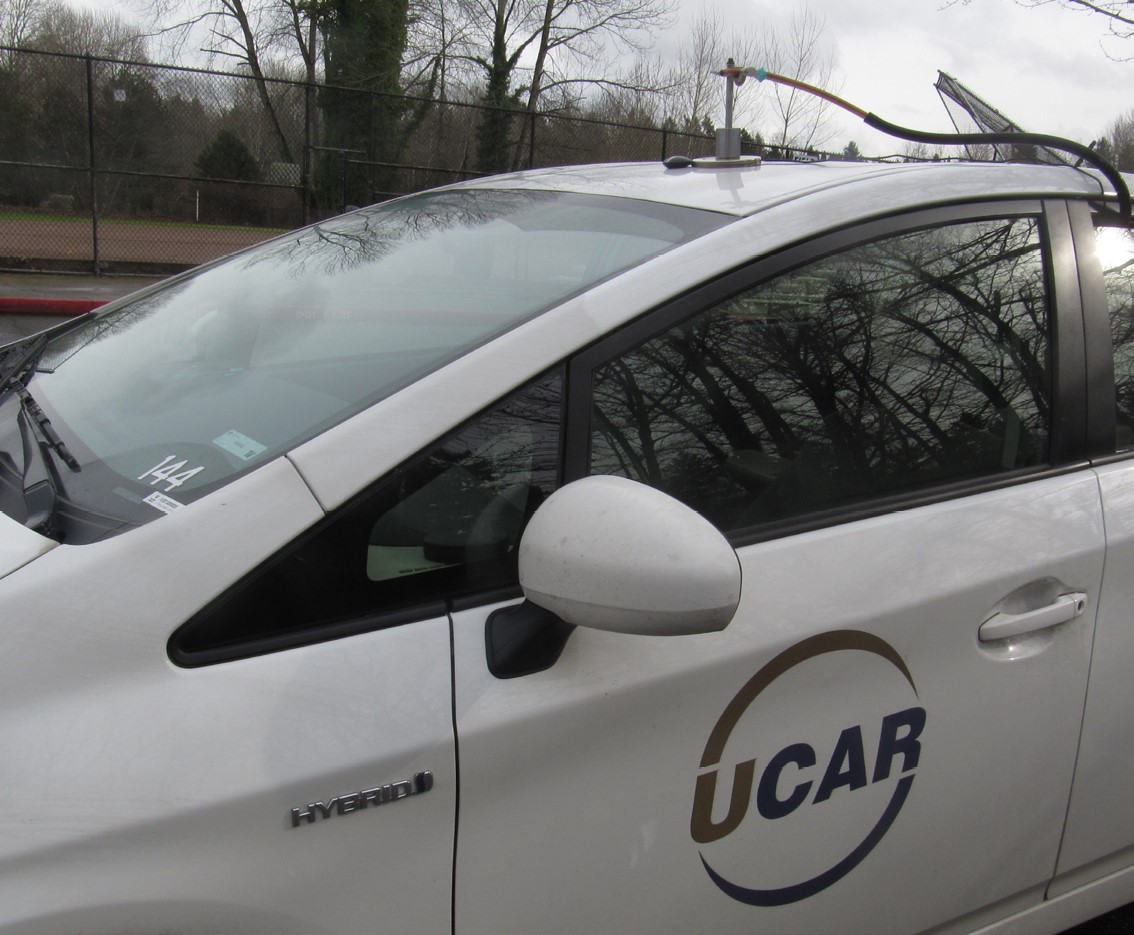
MOV-UP report vehicle — UCAR atmospheric monitoring Prius
A white Toyota Prius Hybrid bearing the UCAR (University Corporation for Atmospheric Research) logo on its door, equipped with roof-mounted scientific instrumentation including sensors and probes. The vehicle is numbered 144 and appears to be configured for atmospheric or environmental data collection fieldwork. -
 2022-10-05
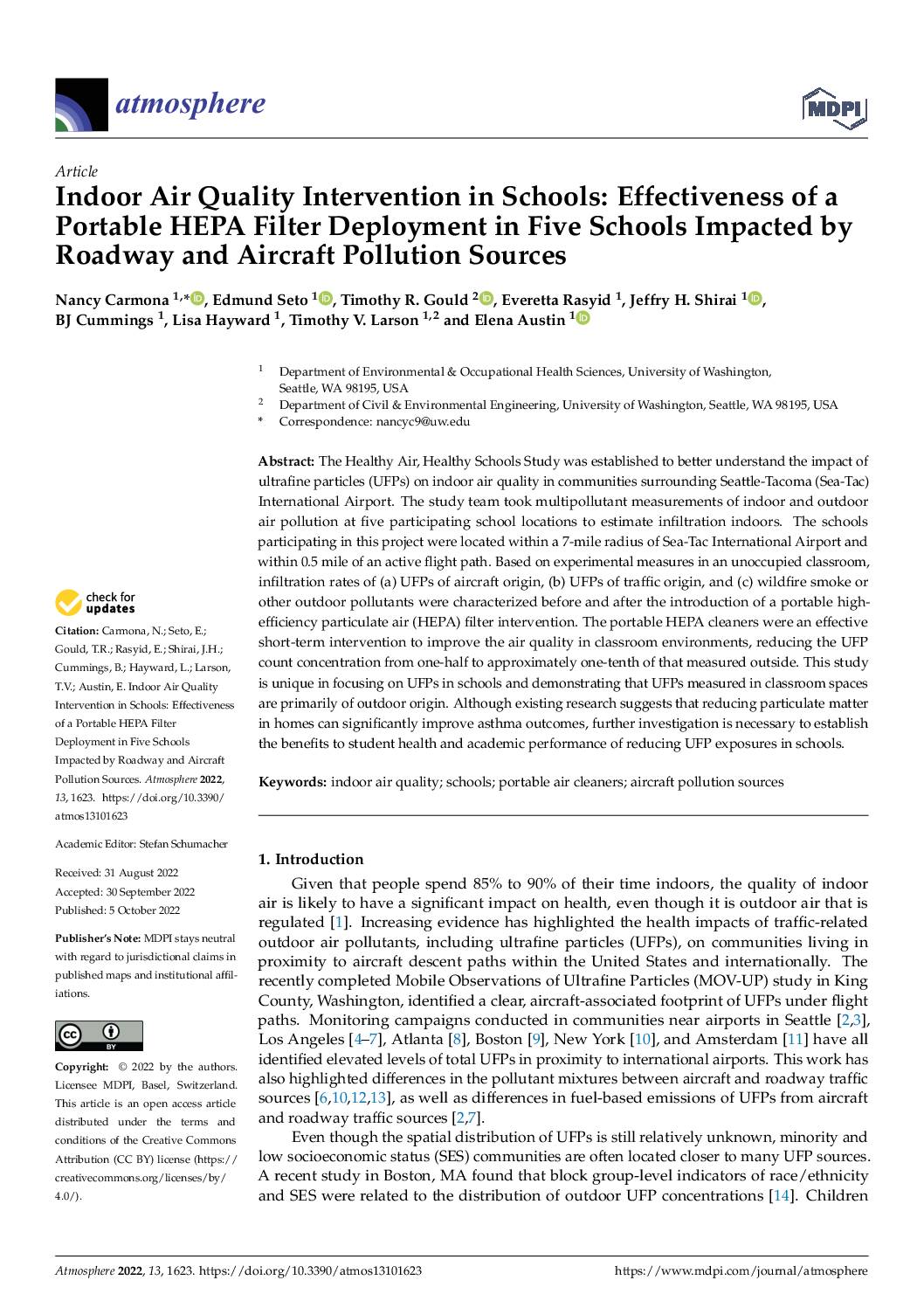
Atmosphere 2022: UWDEOHS Healthy Air, Healthy Schools
A study examining the effectiveness of portable HEPA filters in reducing ultrafine particles (UFPs) from aircraft and traffic sources in five schools near Sea-Tac International Airport. The research found that HEPA cleaners significantly reduced indoor UFP concentrations to one-half to one-tenth of outdoor levels. Atmosphere 2022: https://www.mdpi.com/2073-4433/13/10/1623 -
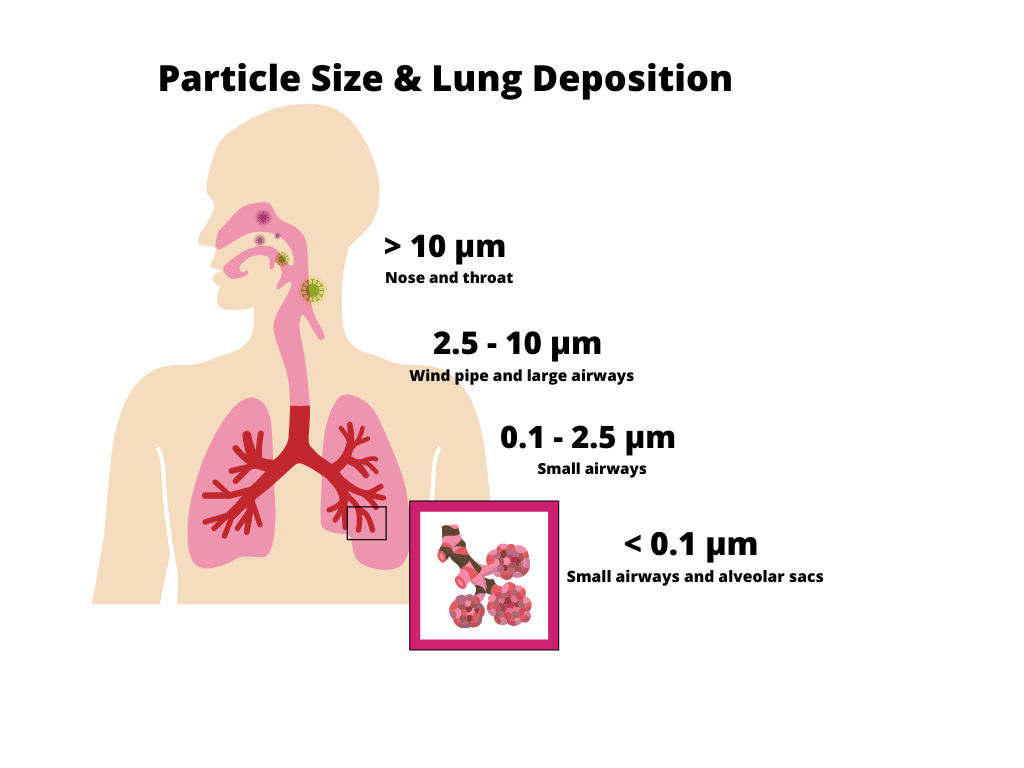
UWDEOHS-particle deposition
An educational infographic titled 'Particle Size & Lung Deposition' illustrating how airborne particles of different sizes deposit in various regions of the respiratory tract: particles >10 μm in the nose and throat, 2.5–10 μm in the windpipe and large airways, 0.1–2.5 μm in small airways, and <0.1 μm in small airways and alveolar sacs. The diagram includes an anatomical illustration of the human respiratory system with a magnified inset of alveolar sacs.