TagSea-Tac Airport(1835)
-
 2022-01-01
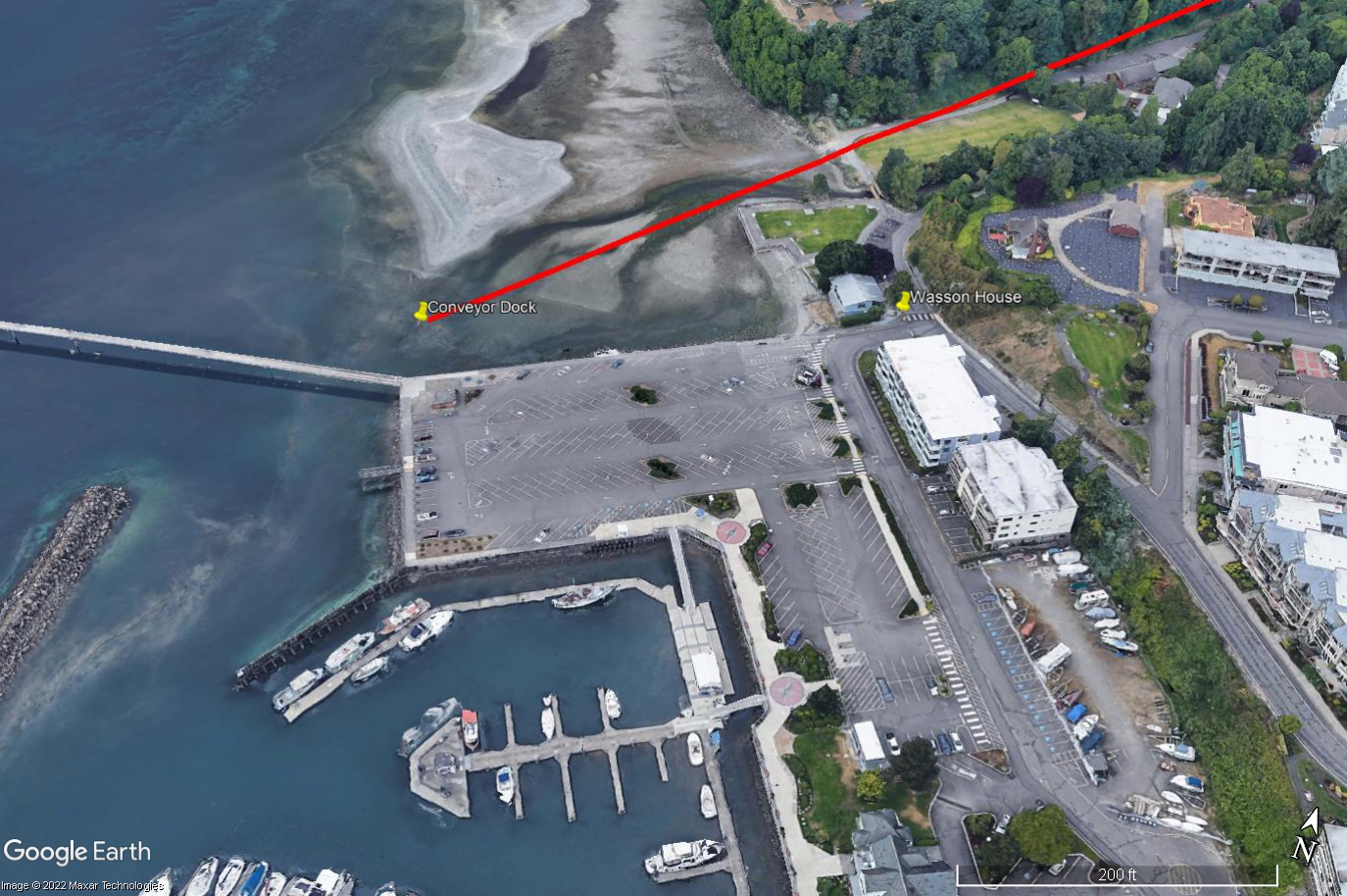
Don Wasson House and Des Moines Marina — 2022 Google Earth Satellite View
A 2022 Google Earth/Maxar Technologies satellite image showing a Des Moines, Washington waterfront marina, parking areas, and shoreline. Labels directly on the image identify the 'Conveyor Dock' and 'Wasson House,' with a red line drawn diagonally across the image roughly following the shoreline, likely indicating a flight path or noise contour relevant to an airport noise study. -
 2022-01-01
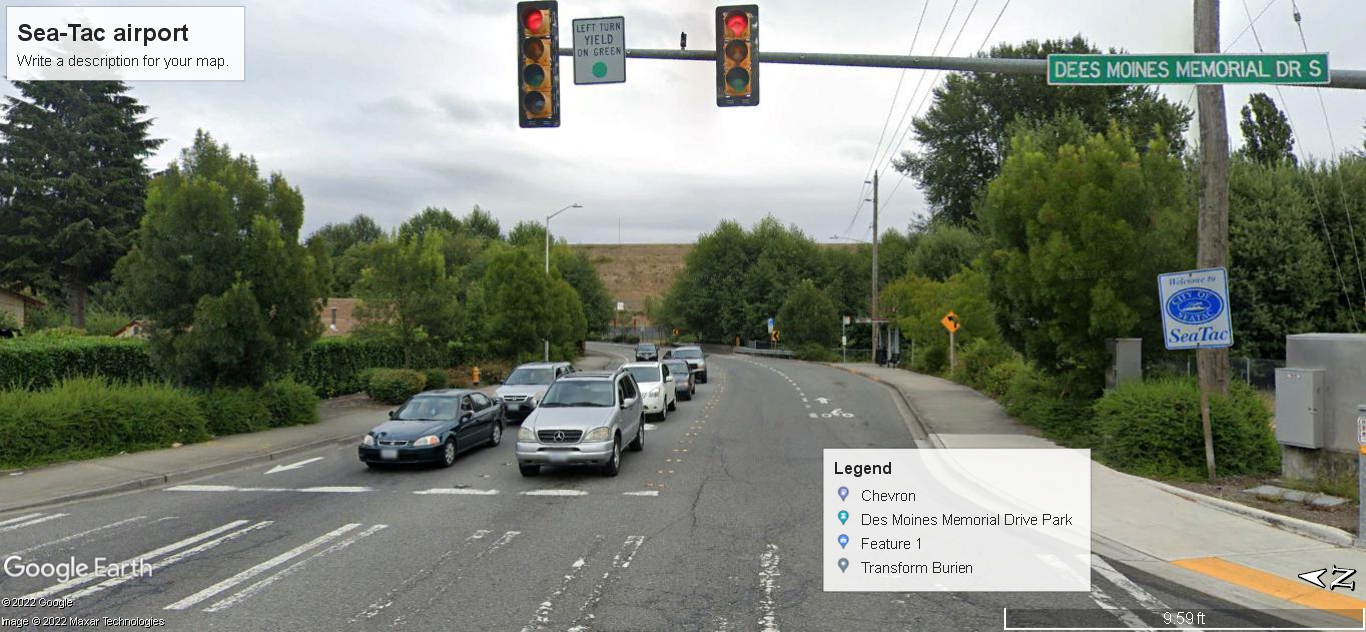
Des Moines Memorial Drive S at SeaTac City Boundary — Google Earth Street View
Google Earth street-view image (© 2022 Google / Maxar Technologies) looking north along Des Moines Memorial Drive S at the signalized intersection marking the SeaTac city boundary, as indicated by the visible 'Welcome to SeaTac' city sign on the right. A Google My Maps overlay labels nearby points of interest including Chevron, Des Moines Memorial Drive Park, and Transform Burien, in the context of a Sea-Tac Airport mapping project. -
 2022-01-01
A Property Value Study for King County and Port Affected Areas
A property value study prepared by Saundra Mock of John L. Scott Real Estate examines how home values in King County and areas affected by Sea-Tac Airport air traffic compare to surrounding communities without an air traffic freeway overhead. Using data from the Northwest Multiple Listing Service, the study presents maps, zip codes, and median home values for affected and unaffected cities in the Seattle area, allowing readers to draw their own conclusions about the impact of airport noise on local real estate. -
 2021-12-31
Port Of Seattle 2021 financial performance report
The Port of Seattle's 2021 Financial Performance Report details the port's financial results as of December 31, 2021, covering revenues, expenses, and net operating income across its Aviation, Maritime, Economic Development, and Central Services divisions. Despite pandemic-related disruptions, total operating revenues reached $621.8 million, aided by federal relief funds, strong public parking and rental car performance, and a partial return of cruise ship activity. The report does not directly address Sea-Tac Airport noise policy, making it of limited relevance for noise-related research. -
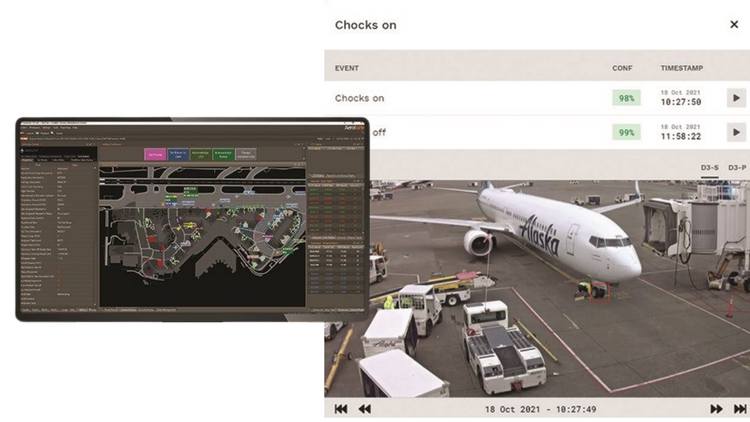
Seattle-Tacoma Int’l leverages Artificial Intelligence to improve visibility, management of ground operations
Assaia’s system helps Seattle-Tacoma International (SEA) improve the predictability of aircraft at gates and reduce average taxi time by 49 seconds. Space is at a premium for many airports, particularly those in North America. When it’s time to grow, they are often expected to find creative ways to accommodate more flight operations in their existing -
-
 2021-10-20
SKM Construction Inc. Business Card — Sheila K. Morrison, President
Business card for SKM Construction Inc., a general contractor operating since 1991, held by President Sheila K. Morrison. The company is located at 14415 SE 143rd Pl, Renton, WA 98059, with license number SKMCOI*052L3 and office/fax number (425) 235-5569. -
 2021-10-18
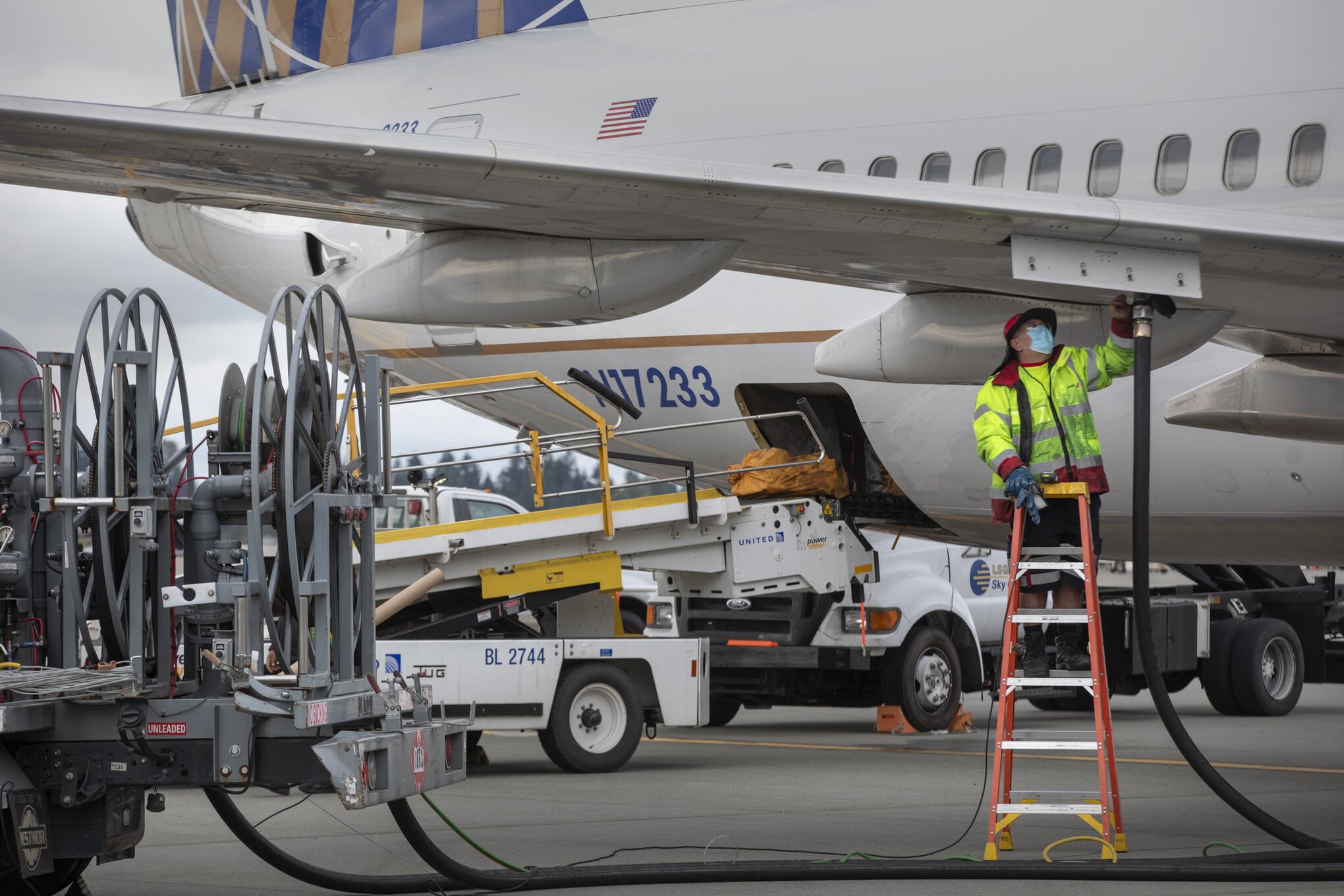
United Airlines Aircraft Fueling at Sea-Tac Airport
A ground crew member in a high-visibility jacket and face mask stands on a red ladder to connect a fuel hose to United Airlines aircraft registration N17233 on the tarmac. Support vehicles including a TUG BL 2744 baggage tractor and what appears to be a Lge Sky fuel truck are visible in the background. -
 2021-10-08
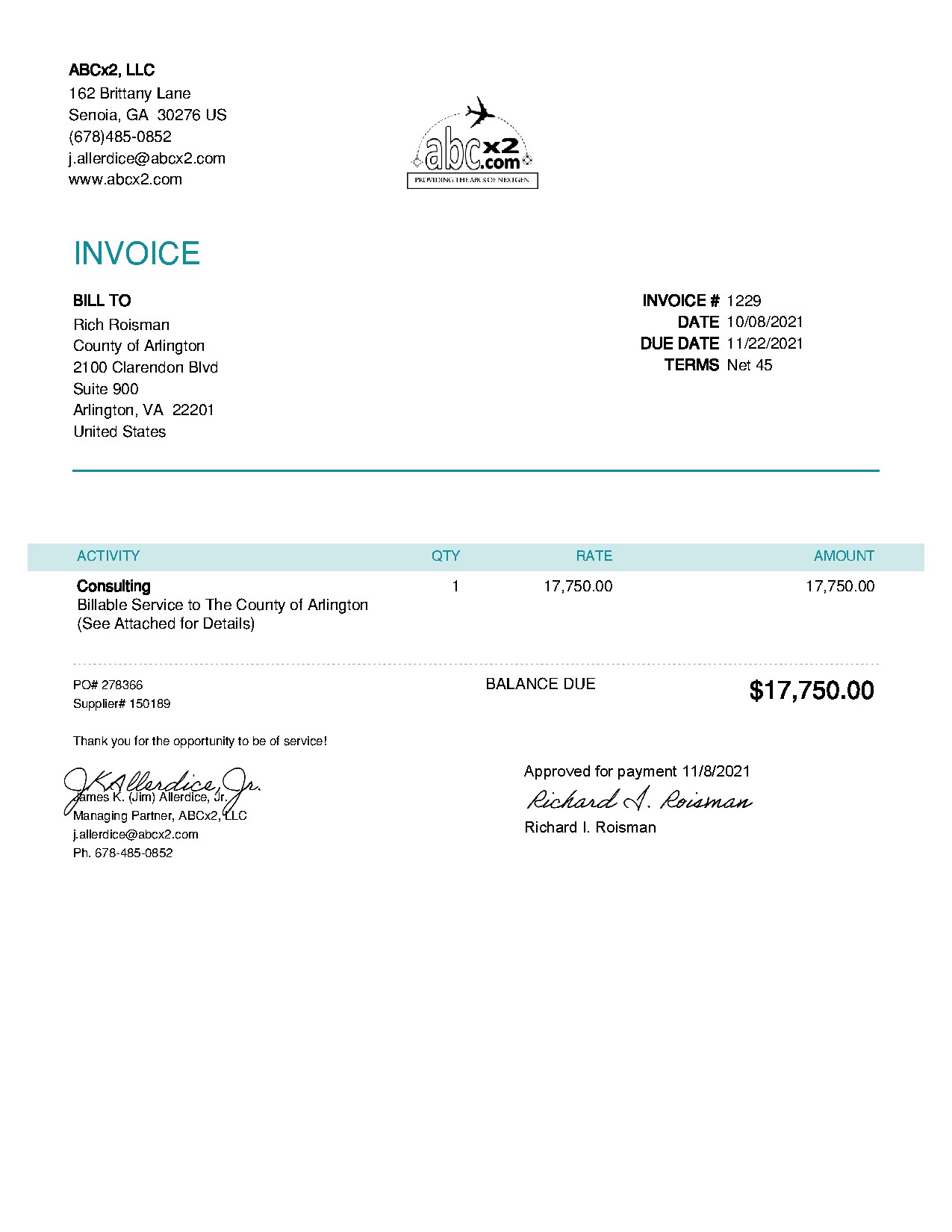
Invoice #1229 – ABCx2, LLC consulting services to County of Arlington
This document is an invoice dated October 8, 2021, from ABCx2, LLC to the County of Arlington, Virginia, for $17,750 in consulting services related to aviation noise policy work, including SID (Standard Instrument Departure) design meetings, white paper drafting, and flight tracking analysis. The attached billing detail shows the work was performed in September 2021 by a team including aviation consultants and a flight analysis firm called Vianair, with tasks involving FAA coordination and NextGen Advisory Committee engagement. The invoice represents one installment of a broader Phase II project with a total budget of $150,000, of which approximately $94,387 had been billed through September 2021. -
 2021-09-09
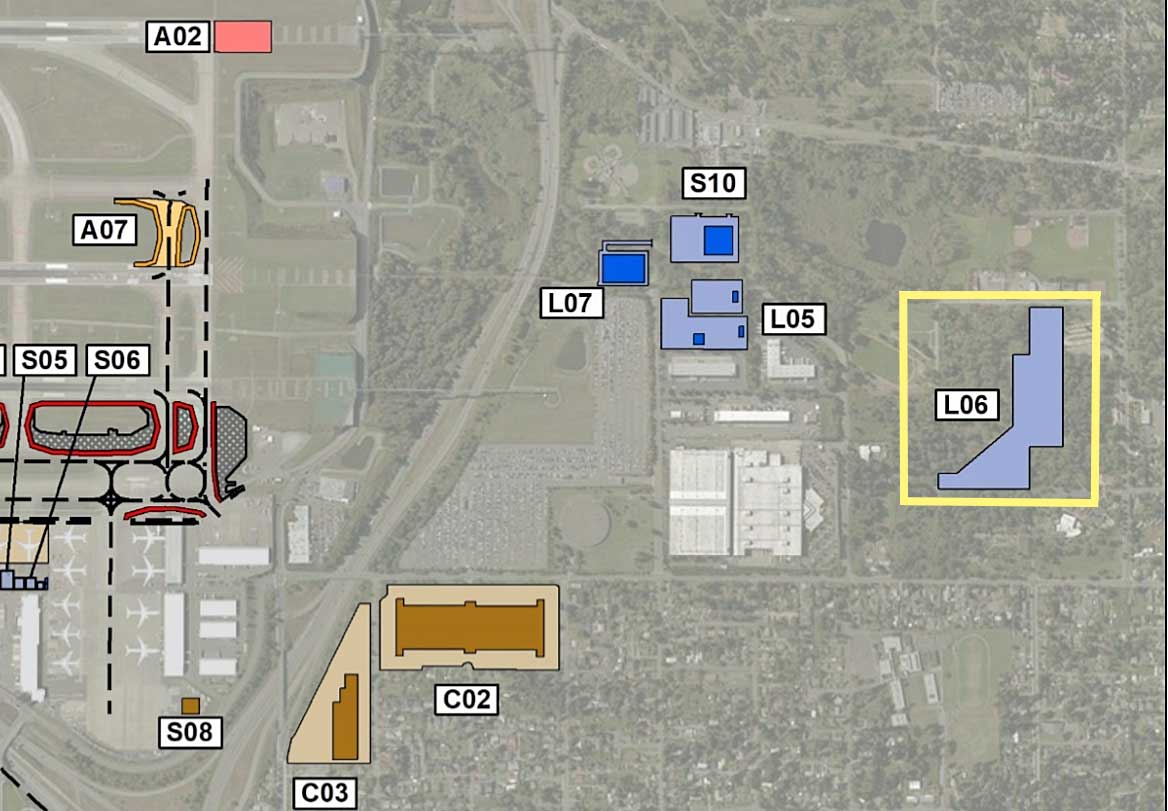
Sea-Tac Airport Parking Lot L06 Site Map
An aerial map overlay showing labeled parcels or project zones (A02, A07, S05, S06, S08, S10, L05, L06, L07, C02, C03) near what appears to be a major airport, with color-coded polygons indicating different land use or development categories. Zone L06 is highlighted with a yellow border, suggesting it is a focus area in this planning or noise-policy document.