TagFAA(687)
-
 2025-05-27
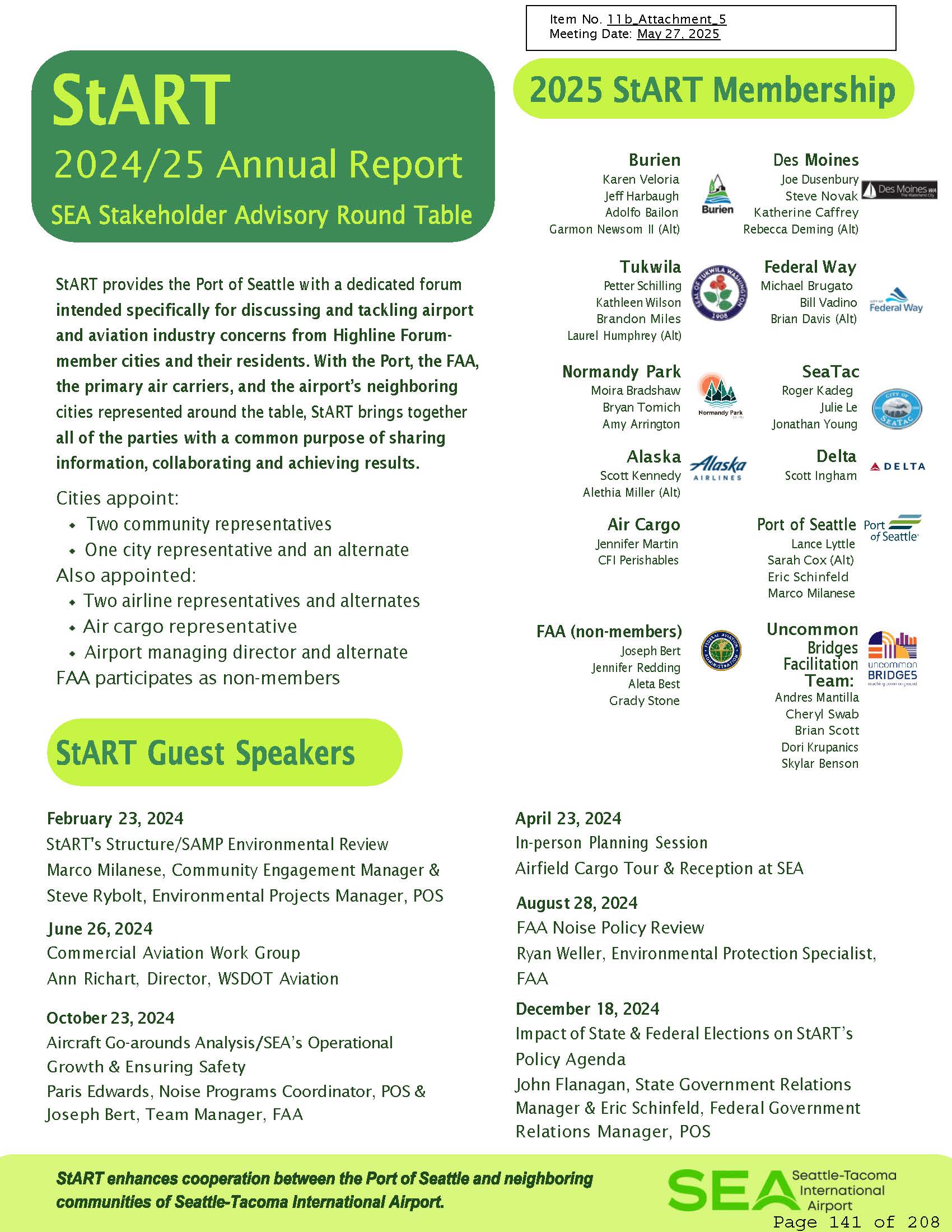
StART 2024/25 Annual Report — May 27, 2025 Commission Meeting
This is the StART (SEA Stakeholder Advisory Round Table) 2024/25 Annual Report, Item No. 11b_Attachment_5, dated for a May 27, 2025 meeting. It lists 2025 StART membership from cities including Burien, Des Moines, Tukwila, Federal Way, Normandy Park, SeaTac, and organizations including Alaska Airlines, Delta, Air Cargo, Port of Seattle, and FAA (non-members), along with guest speaker events held between February and December 2024 covering topics such as FAA noise policy, aircraft go-arounds, and the SAMP Environmental Review. -
2025-05-13
Opposition to proposed revisions in FAA grant program, removing Environmental Justice, Climate, and Leaded fuel requirements
Re https://www.regulations.gov/docket/FAA-2025-0605 Our comment to https://www.regulations.gov/docket/FAA-2025-0605 on the negative impacts new FAA regulations will have on Sea-Tac and KCIA airport communities. Although the new regulations are confined to the AIP grant program, because they are being implemented via Executive Order, it is likely that similar features will be tacked onto all FAA programs concerning leaded -
 2025-05-11
Key Provisions in the 2024 FAA Reauthorization Act and Related GAO Work
GAO-25-108502 Published: May 15, 2025. Publicly Released: May 15, 2025. Fast Facts The U.S. national airspace system is the busiest and most complex in the world, with over 45,000 flights per day. The Federal Aviation Administration Reauthorization Act of 2024 directs FAA on how the agency is to ensure its safety and efficiency. We testified -
 2025-05-09
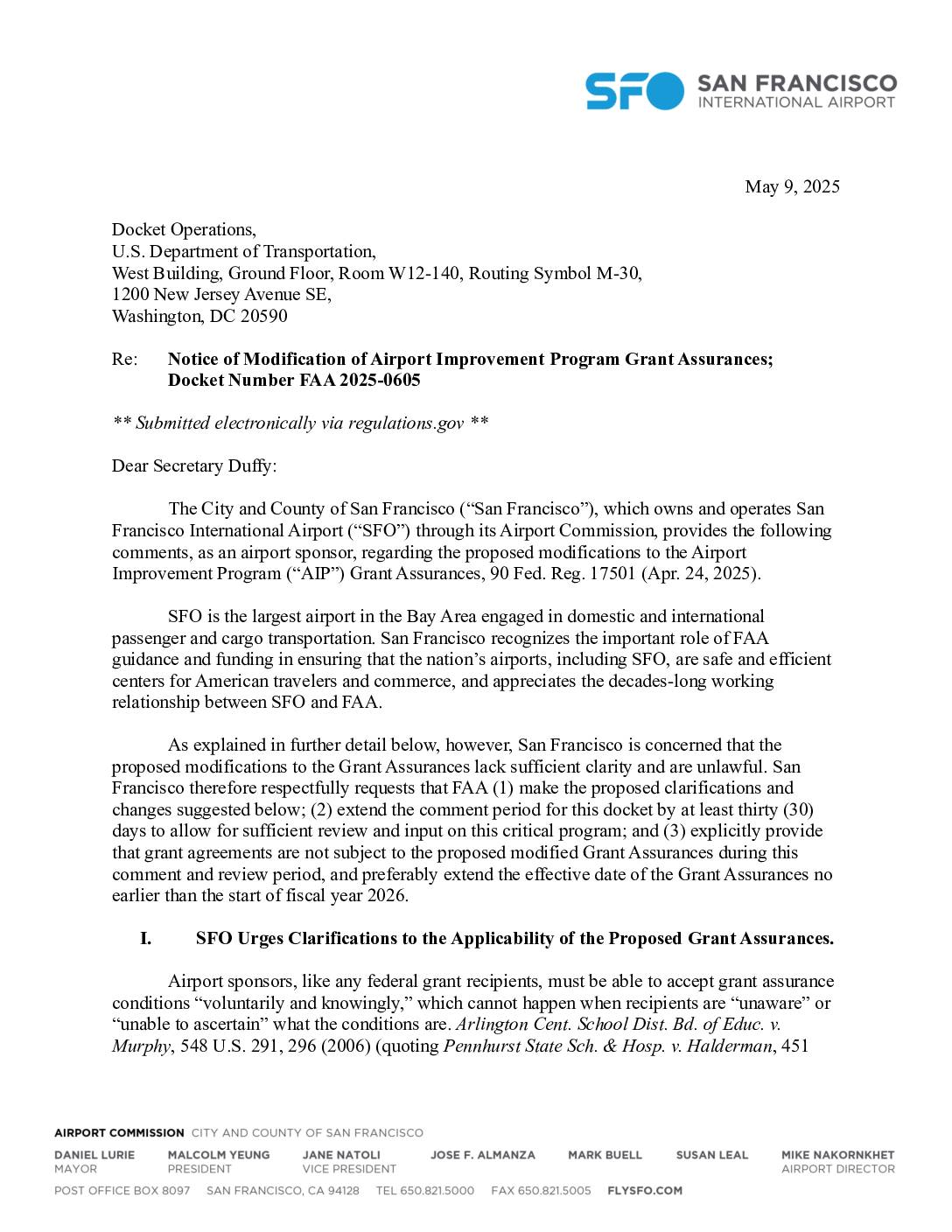
Letter from San Francisco International Airport to FAA re: Proposed Modifications to Airport Improvement Program Grant Assurances (Docket FAA 2025-0605)
San Francisco International Airport (SFO) submitted formal comments to the FAA on May 9, 2025, opposing proposed changes to Airport Improvement Program (AIP) Grant Assurances, arguing the modifications lack legal clarity and were being rushed into effect mid-fiscal year. SFO raised concerns that incorporating certain presidential Executive Orders into grant conditions is legally problematic, as those orders are directed at federal agencies rather than state or local governments. The airport requested a 30-day comment period extension and asked that any new requirements not take effect before the start of fiscal year 2026. -
 2025-05-08
A Frightening Moment to Fly (The Daily Podcast)
A 90-second failure of Newark Airport’s air-traffic safety systems, which blacked out communication to planes carrying thousands of passengers, has exposed a new level of crisis in air travel. Kate Kelly, an investigative reporter for The New York Times, explains what the problems at one of the country’s biggest airports tell us about air-travel safety -
 2025-05-08
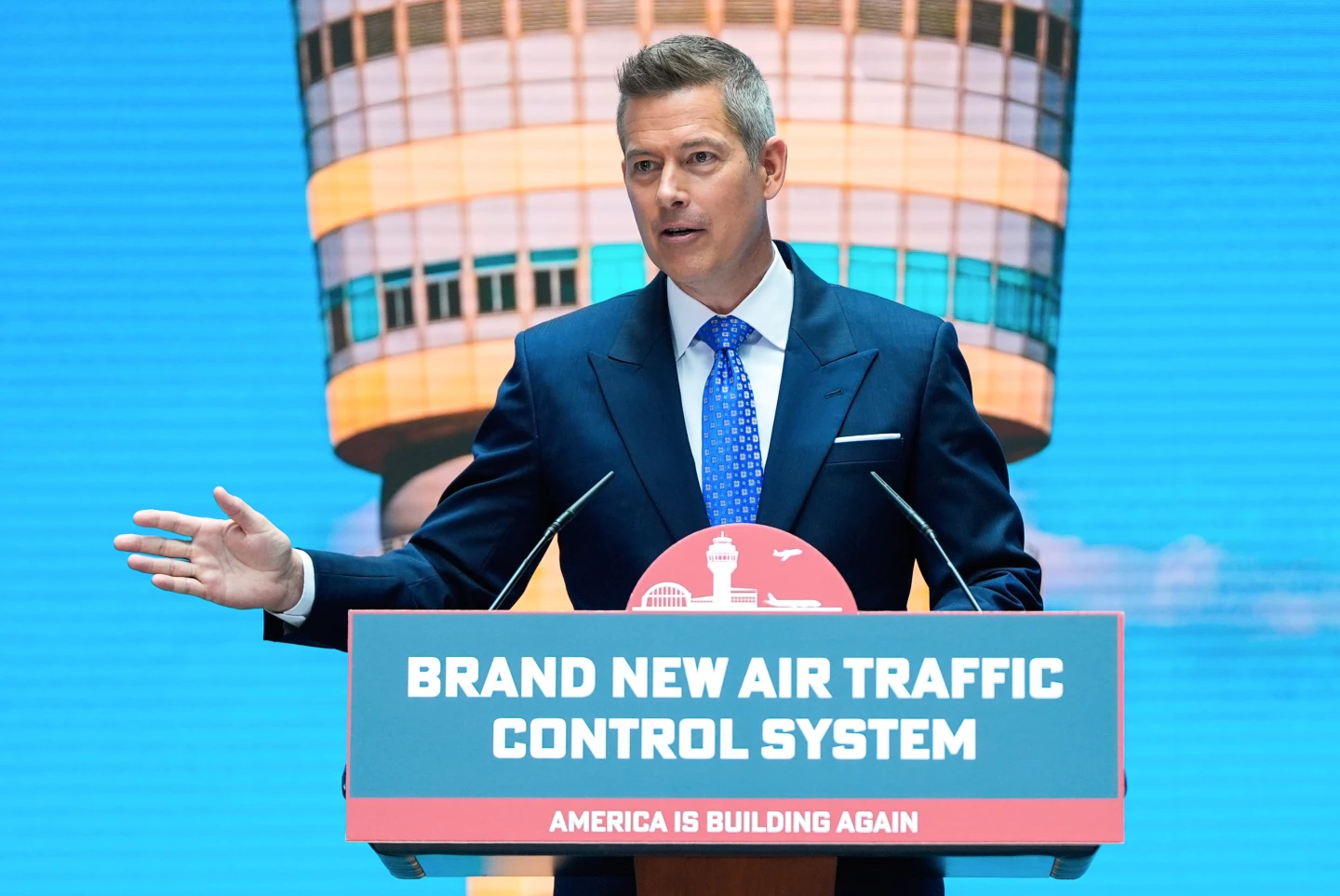
FAA unveils overhaul of troubled US air traffic control system ‘Brand New’
By JOSH FUNK and JOHN SEEWER The Trump administration on Thursday proposed a multibillion-dollar overhaul of a U.S. air traffic control system that it said still relies on floppy disks and replacement parts found on eBay and has come under renewed scrutiny in the wake of recent deadly plane crashes and technical failures. The plan calls for six new air traffic -
 2025-05-01
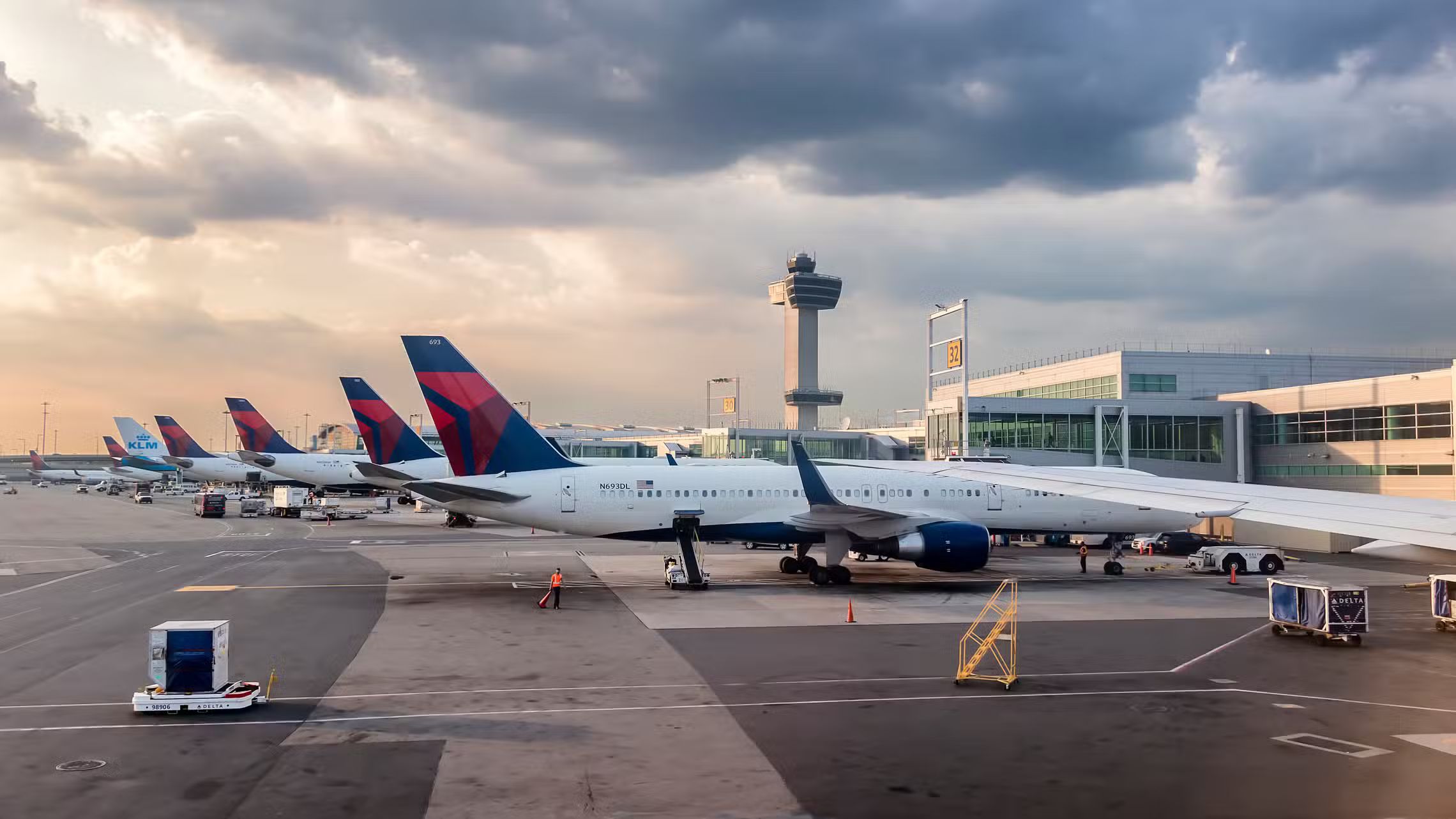
Airline Trade Group Asks FAA To Extend New York Flight Requirement Cuts Due To Inadequate ATC Staffing
By Alexander Mitchell On April 30, 2025, multiple major US-based airlines asked the Federal Aviation Administration (FAA) to extend cuts to minimum flight requirements at highly congested airports in the New York City area. The organization of airline industry representatives has requested that these cuts be made through October 2027, with the group citing severe -
2025-04-25
FAA to roll back environmental, climate and Civil Rights commitments in Airport Grant rules
Executive Orders have significant impact on environmental justice and lead The Federal Aviation Administration (FAA) has issued a notice updating the Airport Improvement Program (AIP) grant assurances, making several important changes that airport-affected communities should know about. These new rules take immediate effect for Fiscal Year 2025 AIP grants, but the FAA is accepting public -
 2025-04-25
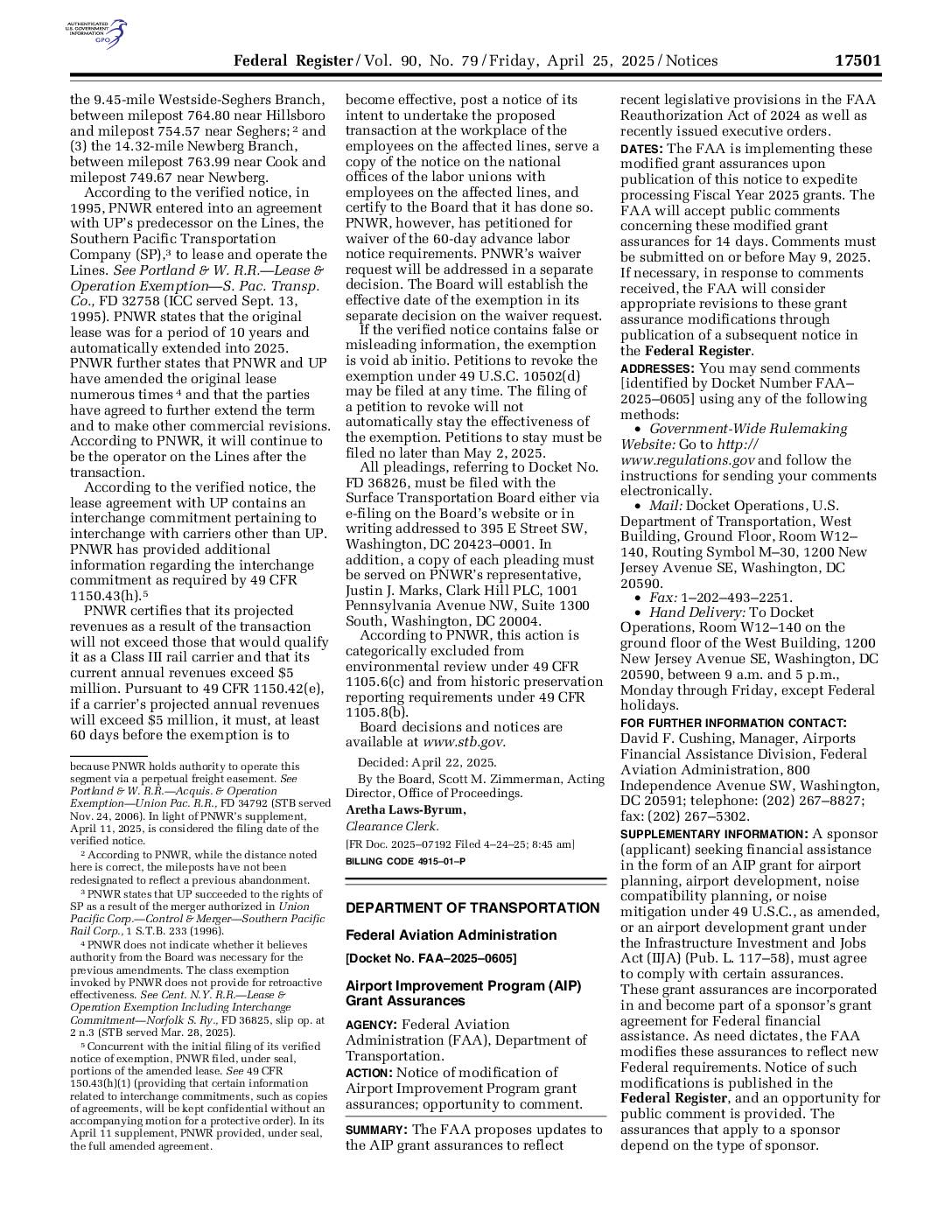
Airport Improvement Program (AIP) grant assurances
The FAA has proposed updates to its Airport Improvement Program (AIP) grant assurances to reflect new requirements from the FAA Reauthorization Act of 2024 and recent executive orders. Key changes include removing older equity- and climate-related executive orders, adding new ones focused on free speech and ending DEI programs, and introducing a new assurance requiring airports to continue offering leaded aviation fuel (100LL) until a safe unleaded replacement is widely available. Public comments on these changes were accepted through May 9, 2025. -
2025-04-25
Airport Improvement Program (AIP) grant assurances
The FAA has proposed updates to its Airport Improvement Program (AIP) grant assurances to reflect new requirements from the FAA Reauthorization Act of 2024 and recent executive orders. Key changes include removing older equity- and climate-related executive orders, adding new ones focused on free speech and ending DEI programs, and introducing a new assurance requiring airports to continue offering leaded aviation fuel (100LL) until a safe unleaded replacement is widely available. Public comments on these changes were accepted through May 9, 2025.