TagEcology(788)
-
 2021-05-17
Engrossed Second Substitute Senate Bill 5141: Environmental Justice—Various Provisions (HEAL Act)
Washington State's Engrossed Second Substitute Senate Bill 5141, signed into law in May 2021, aims to reduce environmental and health disparities by implementing recommendations from the state's Environmental Justice Task Force. The law requires covered state agencies—including the departments of ecology, health, transportation, and others—to address the disproportionate environmental burdens faced by low-income communities and communities of color. It establishes an Environmental Justice Council and directs state programs to prioritize benefits for communities with the greatest environmental and health burdens. -
 2021-03-12
E2SSB 5141: House Bill Analysis — Reducing Environmental and Health Disparities (HEAL Act)
Washington State Senate Bill 5141 requires several state agencies, including the departments of Ecology, Health, Transportation, and others, to incorporate environmental justice principles into their planning and decision-making processes. The bill mandates that these agencies complete environmental justice assessments for significant actions, create community engagement plans for overburdened communities, and consult with Indian tribes on decisions affecting tribal lands. An environmental justice council would be established to oversee implementation, and the Department of Health would maintain an environmental health disparities map tracking conditions across Washington communities. -
 2021-01-01
Final Bill Report: E2SSB 5141 — Washington Environmental Justice Act (HEAL Act)
Washington State's E2SSB 5141, enacted in 2021, requires key state agencies including Transportation and Ecology to incorporate environmental justice principles into their planning and decision-making processes, with a focus on protecting overburdened communities from disproportionate environmental and health harms. Agencies must develop community engagement plans by 2022, environmental justice implementation plans by 2023, and conduct formal environmental justice assessments for significant actions such as new rules, grants, and capital investments. Note: this legislation addresses statewide environmental justice policy broadly and does not specifically address Sea-Tac Airport noise issues. -
 2021-01-01
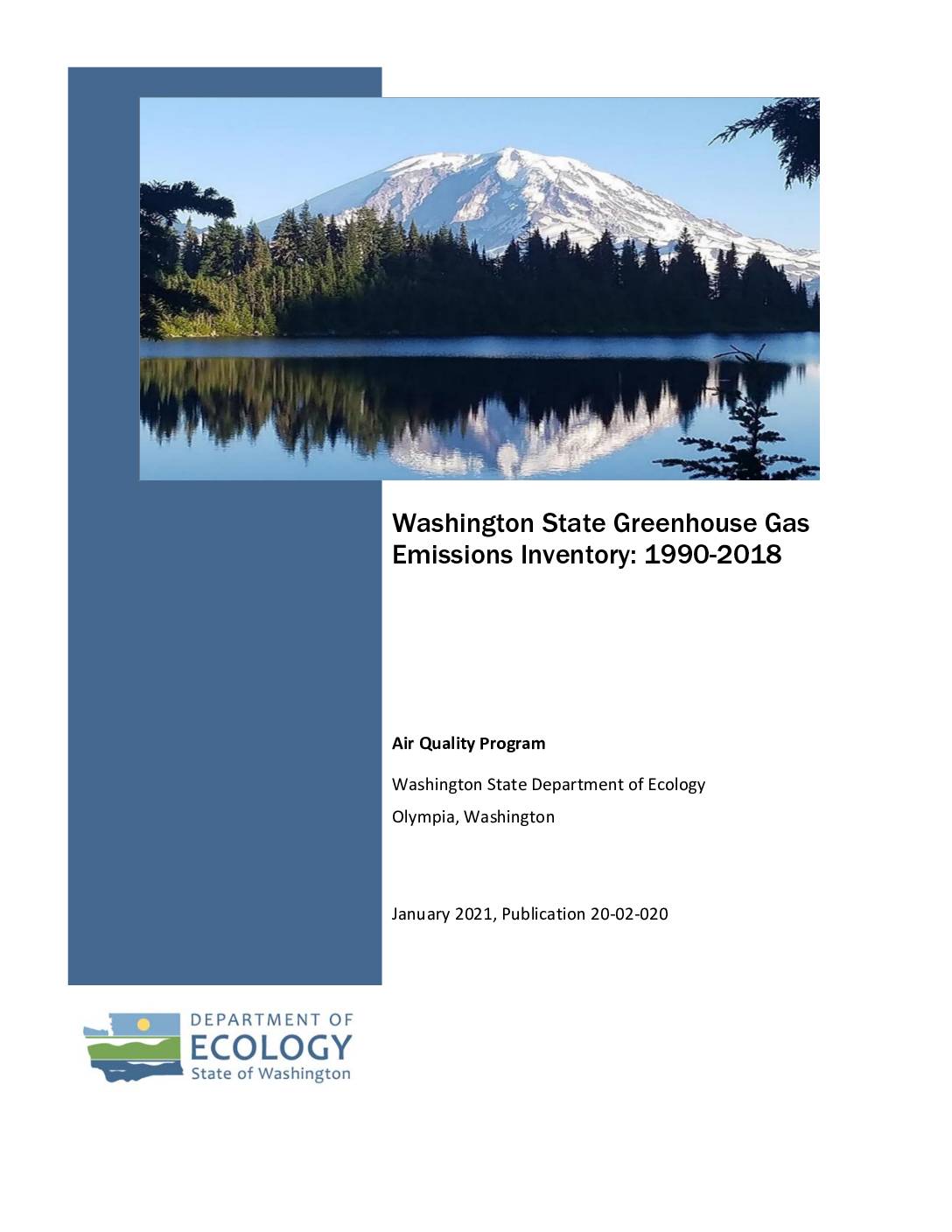
Washington State greenhouse gas emissions inventory: 1990-2018
This January 2021 report from the Washington State Department of Ecology tracks greenhouse gas emissions across Washington State from 1990 to 2018. Published by the Air Quality Program, it provides a comprehensive inventory of the state's emissions data over nearly three decades. Note that this document focuses on statewide air quality and climate data and does not specifically address Sea-Tac Airport noise policy. -
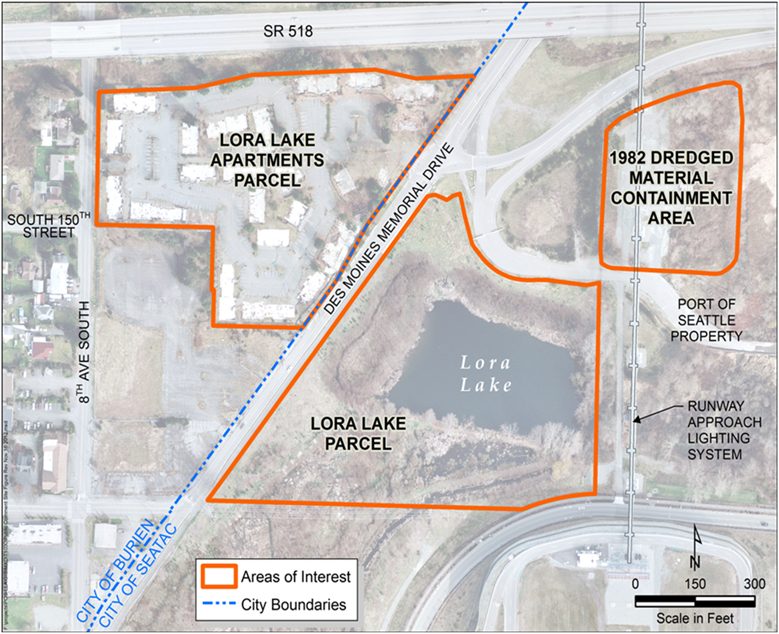
Lora Lake Apartments
15001 Des Moines Memorial Dr Burien, King County Lora Lake Apartments Cleanup Update – February 2022 Facility Site ID: 1880040 Cleanup Site ID: 2008 Cleanup completed in January 2020. Ecology finalized the Lora Lake Apartments Site Construction As-Built Report in January 2021. The cleanup work was conducted over two construction seasons: April to December 2017, -
Lawmakers want tougher carbon-reduction goals, even as WA falls short of current targets
Citing the latest scientific research, Gov. Jay Inslee is urging legislators to adopt a more aggressive course for curbing emissions. by Shauna Sowersby / January 17, 2020 Piles of wood chips sit near the RockTenn paper mill in Tacoma, June 1, 2016. State measures to limit greenhouse gas emissions from large polluters, including the mill, aren’t -
KUOW: These Are Washington’s Top 10 Climate Polluters 01/29/16
he Tesoro refinery in Anacortes, one of Washington’s top 10 sources of greenhouse gases. Credit: Flickr Photo/Scott Butner (CC BY NC ND 2.0) These Are Washington’s Top 10 Climate Polluters By John Ryan Jan 29, 2016 at 9:30 am The biggest climate polluters in Washington have been identified, according to numbers out this week: the -
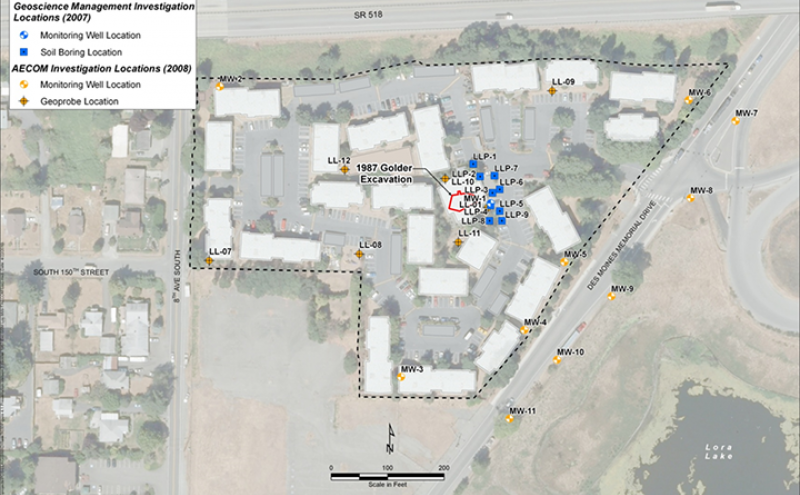
Lora Lake Apartments Clean Up
Prior to the 1940s, the current Lora Lake Apartments site at 15001 Des Moines Memorial Dr, Burien, WA 98148 was used as residential and farmlands. During the 1940s, it became the site of Novak Barrel Washing. From the 1950s to the mid-1980s, Burien Auto Wrecking was located here. In the mid-1980s, the Lora Lake Apartments -
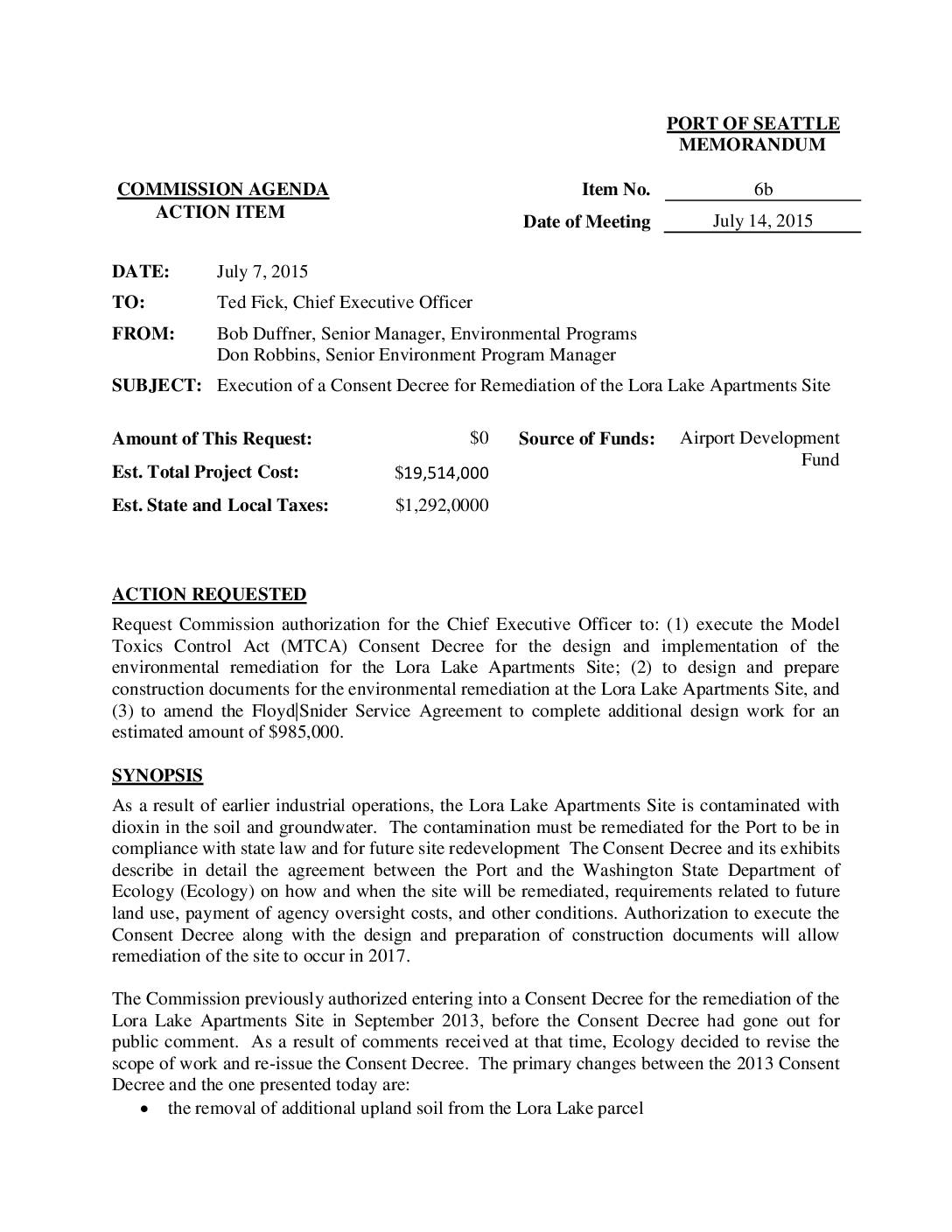 2015-07-07
Execution of a consent decree for remediation of the Lora Lake apartments site
Port of Seattle memorandum requesting Commission authorization to execute a Model Toxics Control Act (MTCA) Consent Decree with Washington State Department of Ecology for environmental remediation of the Lora Lake Apartments Site contaminated with dioxin. The project includes design work and construction documents with an estimated total cost of $19.5 million. -
Airport offers a glimpse at tightening stormwater regulations
Key takeaways Sea-Tac Airport operates under one of the strictest stormwater permits in the state. Every inch of rain that falls at Sea-Tac generates about 6 million gallons of wasterwater, according to the airport. Despite many toxic chemicals used on-site, such as jet fuel and deicer, the airport reports that its most contaminated area is