TagSound Insulation(121)
-
-
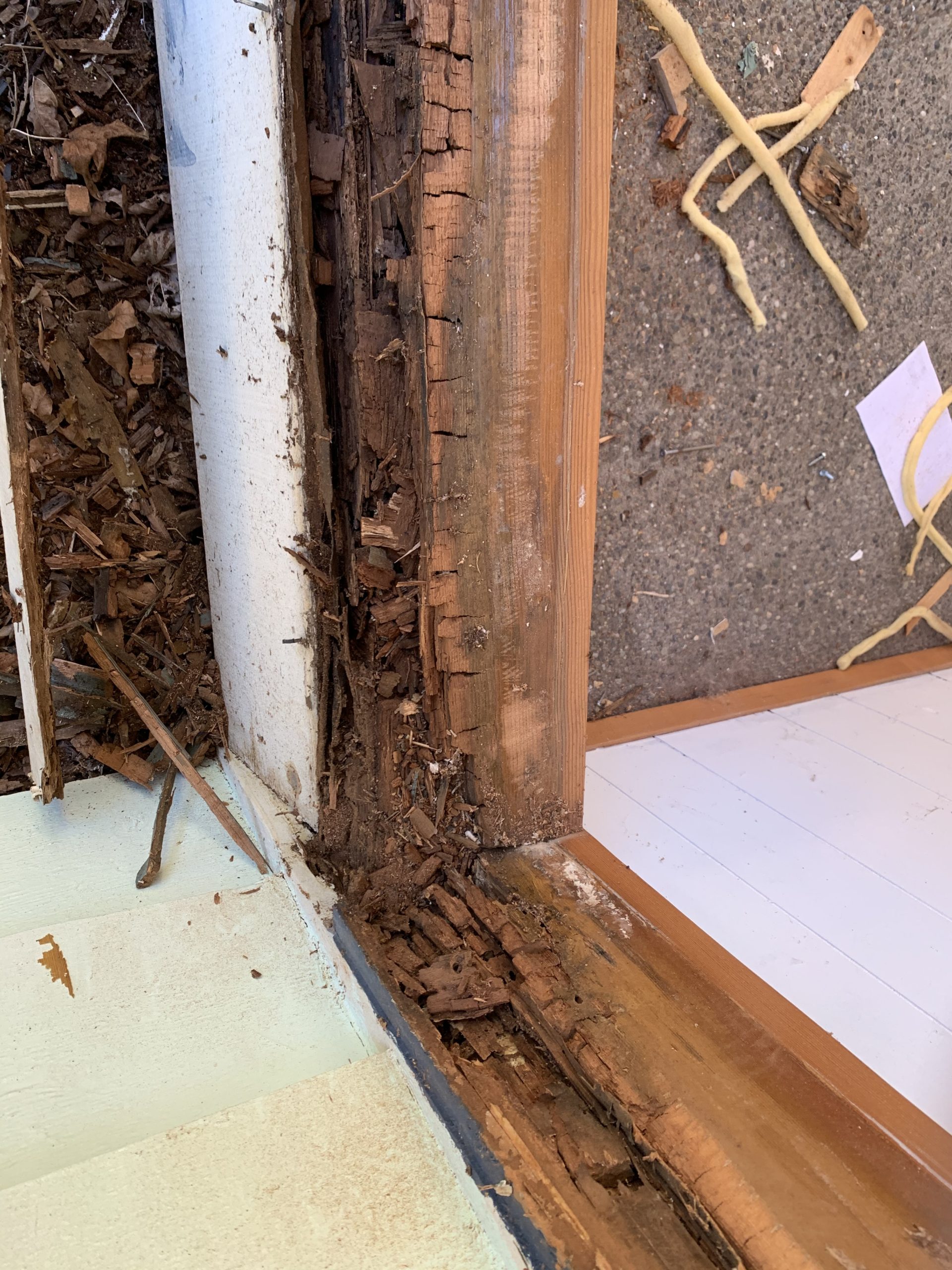
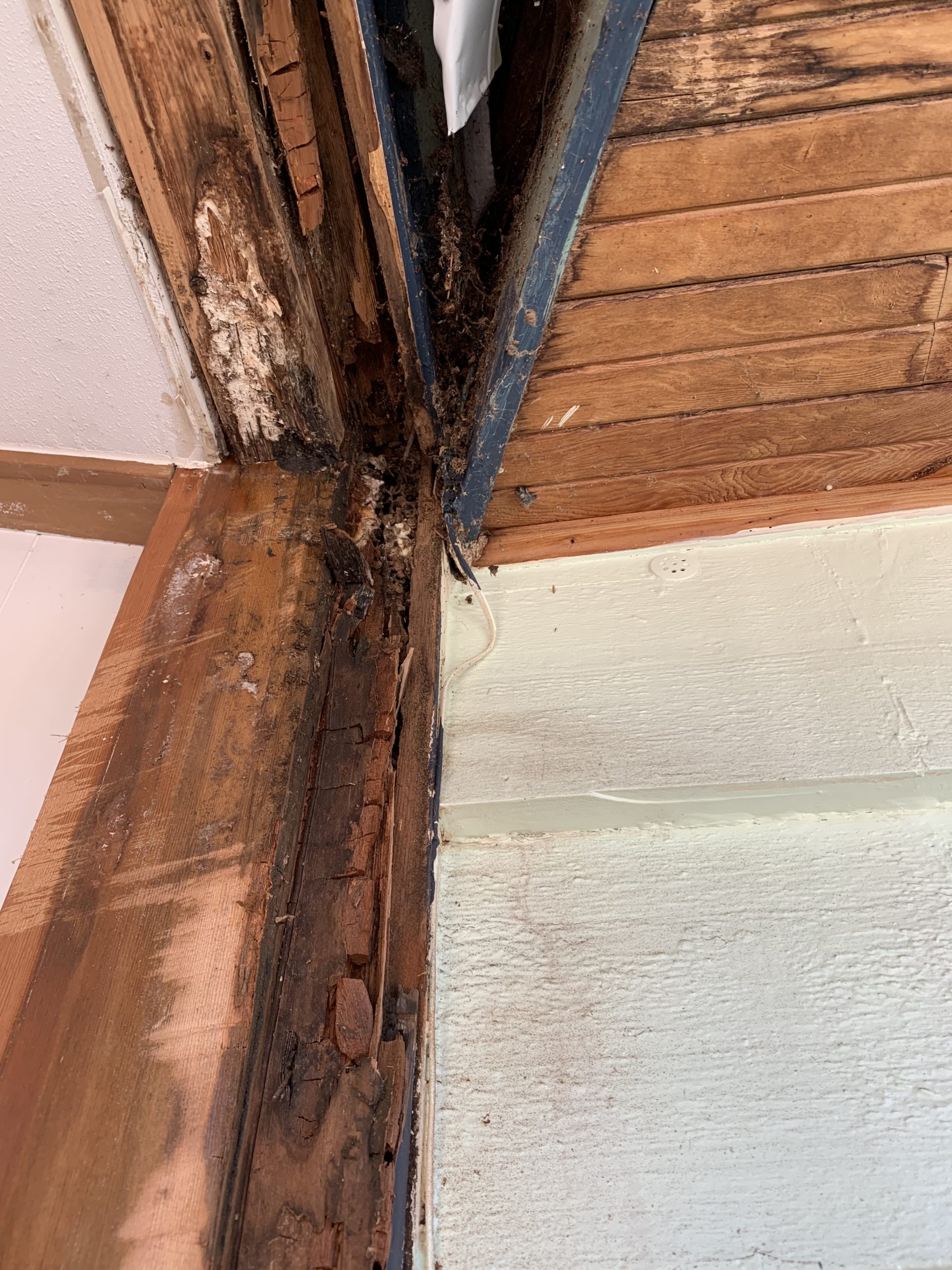
Port Package Documentation – Rotted Window Sill
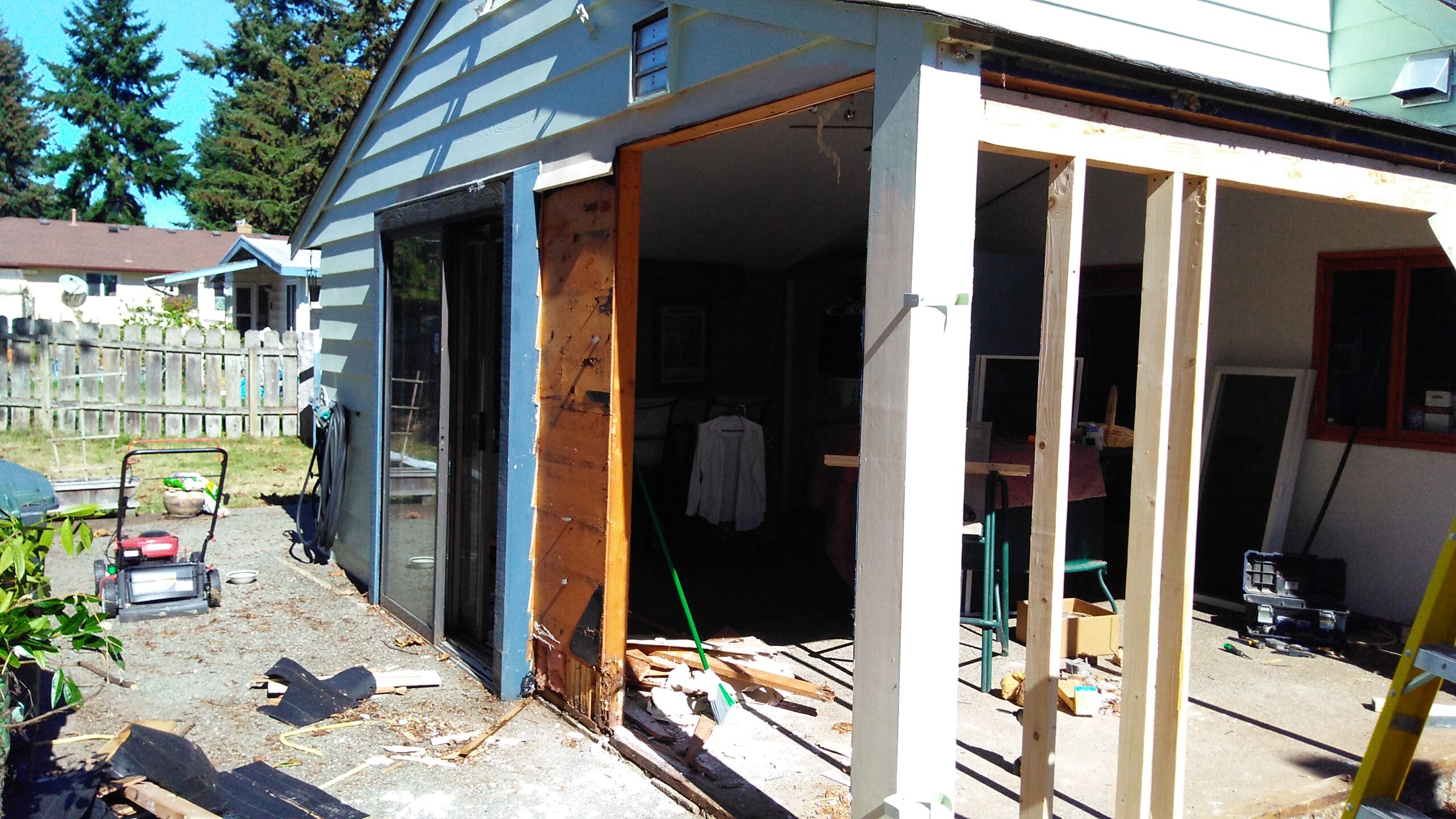
Karen Hynes, Des Moines, outer wall replacement Port Package 09-29-2020 -
-
 2020-09-29
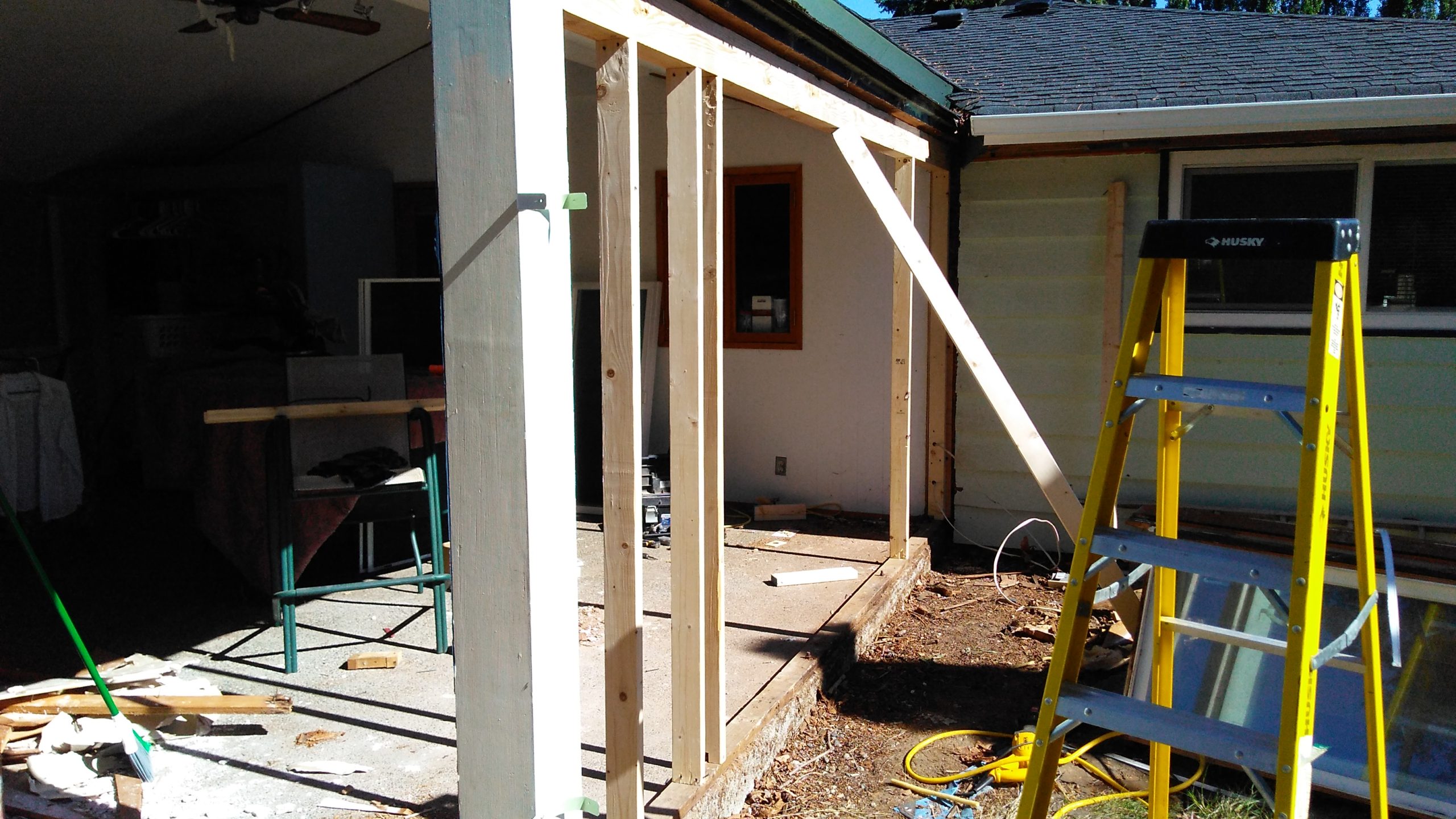
Residential Construction Framing With Husky Ladder
A home renovation or addition project showing wood stud wall framing being constructed against an existing single-story residence. A yellow Husky-brand step ladder is visible on the right side, along with construction debris and tools scattered around the work area. -
 2020-02-25
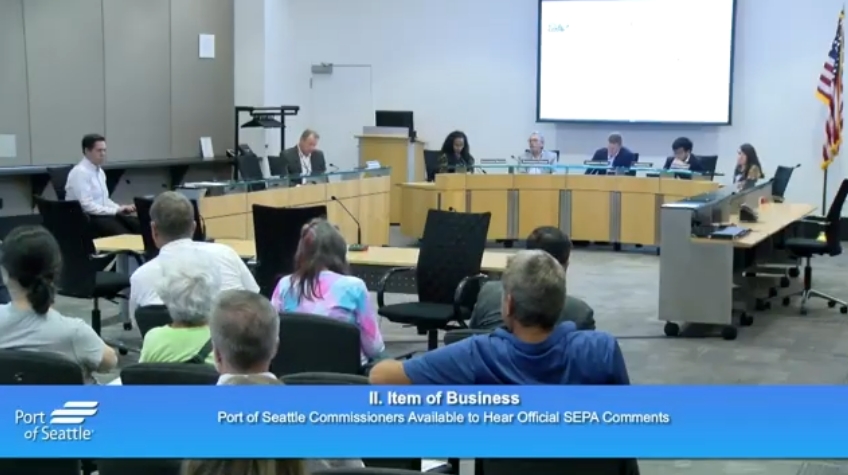
Port of Seattle Commission Meeting February 25, 2020 Postgame
Accelerated Sound Insulation Program Agenda The most important meeting on sound insulation in many years–and that was just one item. The airport passes its two-year re-certification (Part 139) with flying colors. The Sustainable Airport Master Plan environmental review changes direction from a combined NEPA/SEPA to separate processes. Important update on Flight Corridor Safety Program and -
 2019-08-14
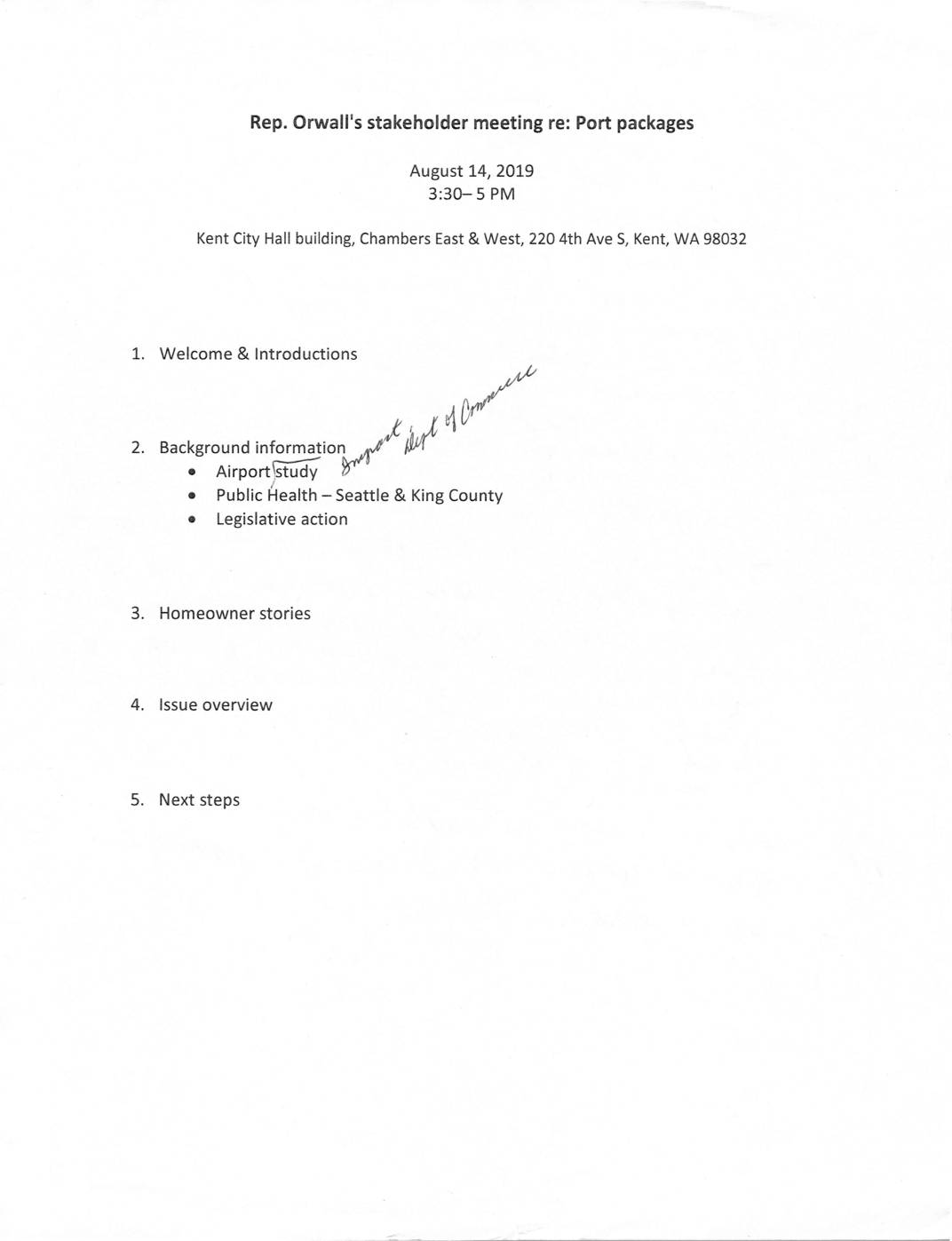
Rep. Orwall’s stakeholder meeting re: Port packages
On August 14, 2019, Representative Orwall held a stakeholder meeting at Kent City Hall to discuss Port noise-insulation packages affecting homeowners near Sea-Tac Airport. The agenda included background information from an airport study, Public Health – Seattle & King County, and a review of legislative action, followed by homeowner testimonials describing issues such as failed insulation, mold, structural damage, sleep disruption from flight noise, and air quality concerns. Residents shared personal accounts dating back to the 1980s and 1990s, highlighting ongoing frustrations with inadequate soundproofing and health impacts tied to airport operations. -
 2019-01-01
Report to Congress on the aging of sound insulation
This FAA Report to Congress examines the aging of federally funded sound insulation installed in homes near airports to reduce aircraft noise, focusing on treatments installed before 2007 such as window and door replacements, weatherstripping, and other upgrades. The report identifies key factors affecting long-term effectiveness, including product quality, installer workmanship, deterioration over time, and lack of homeowner maintenance. It draws on research covering over 143,000 residences treated since the early 1980s and offers recommendations for repairing or replacing insulation that has exceeded its effective lifespan. -
 2018-12-19
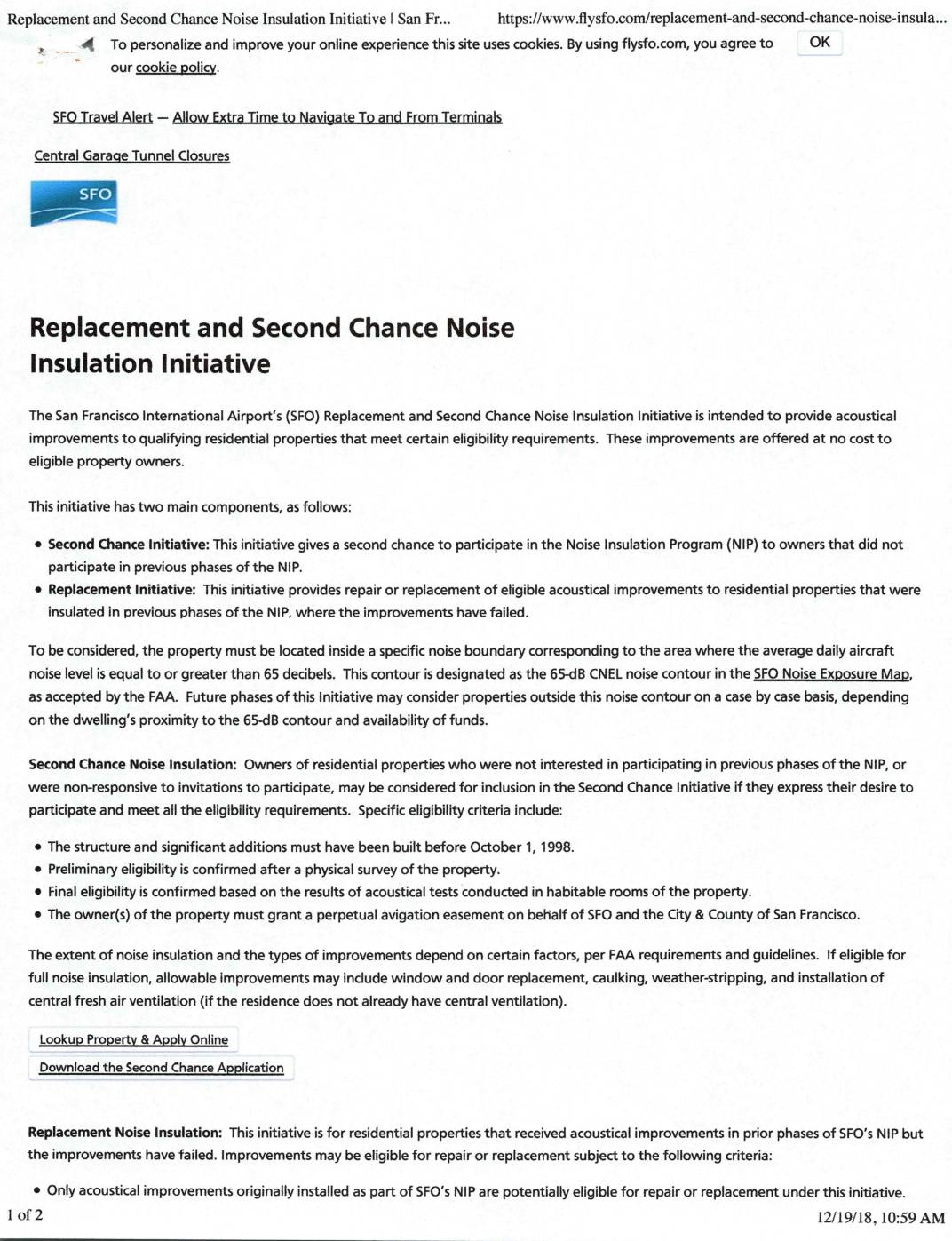
Replacement and Second Chance Noise Insulation Initiative
These documents relate to airport noise insulation programs and community advocacy efforts. The first section describes San Francisco International Airport's Replacement and Second Chance Noise Insulation Initiative, which offers free acoustical improvements—such as window replacement and ventilation installation—to eligible homeowners within the 65-decibel noise contour. The accompanying letter, written by a member of the League of Quiet Skies Voters, calls for gathering comparative data on noise mitigation programs from major airports across the country, with the goal of holding the Port of Seattle accountable by benchmarking its practices against peer airports. -
 2018-06-22
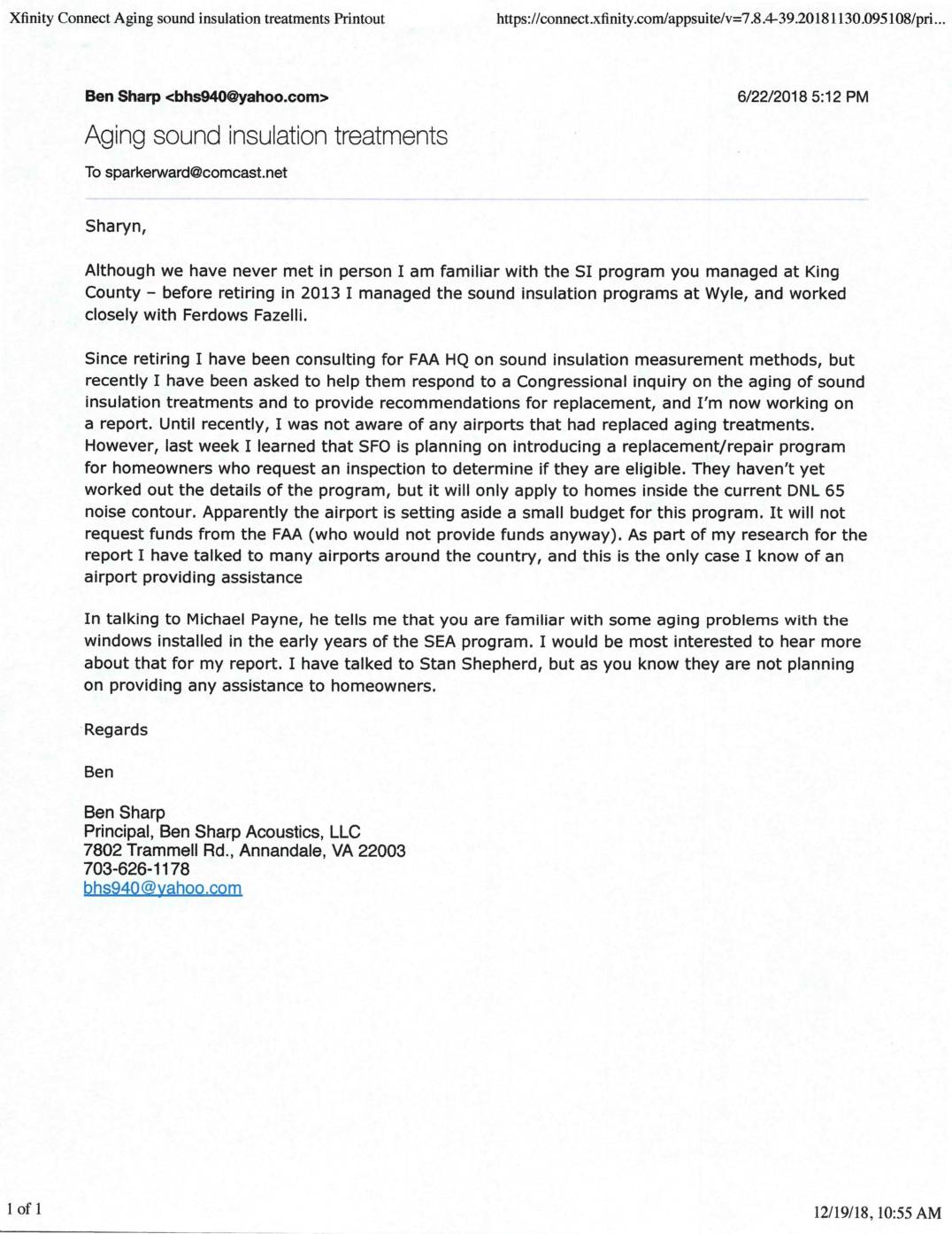
Aging sound insulation treatments
In a June 2018 email, acoustics consultant Ben Sharp contacts Sharyn Ward, former manager of King County's Sound Insulation (SI) program, while researching aging airport sound insulation treatments for an FAA report responding to a Congressional inquiry. Sharp notes that SFO is the only airport he has found planning a replacement/repair program for homeowners within the DNL 65 noise contour, funded without FAA assistance. He specifically asks Ward about known aging problems with windows installed during the early years of the Sea-Tac (SEA) sound insulation program, noting that the program is not currently planning to offer any assistance to affected homeowners. -
 2018-06-12
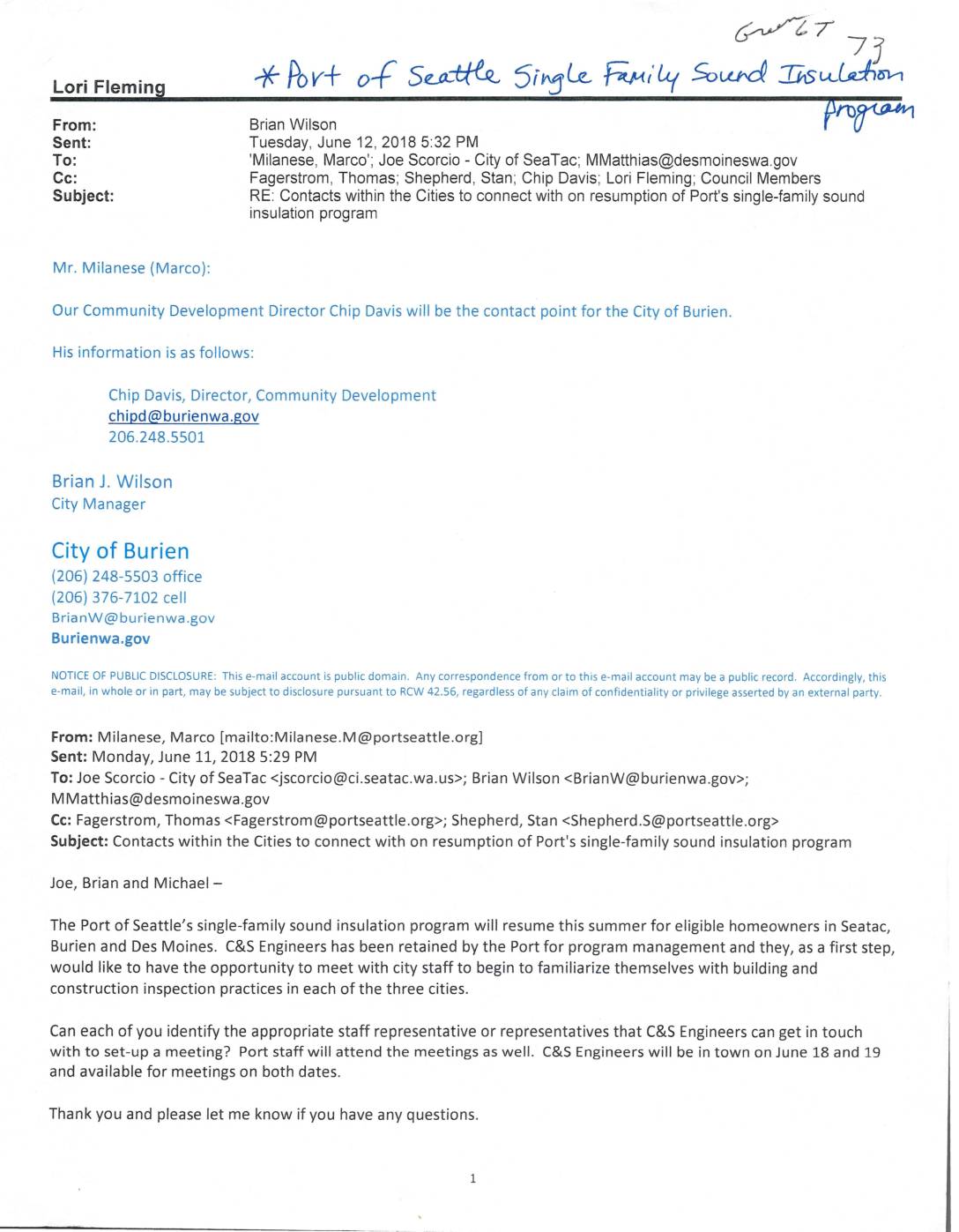
RE: Contacts within the Cities to connect with on resumption of Port’s single-family sound insulation program
In June 2018, the Port of Seattle notified the cities of SeaTac, Burien, and Des Moines that its single-family sound insulation program would resume that summer for eligible homeowners near Sea-Tac Airport. The Port's program manager, C&S Engineers, requested meetings with city staff to review local building and construction inspection practices. In response, Burien City Manager Brian Wilson designated Community Development Director Chip Davis as the city's primary contact for the program.