TagAcademic Journals(54)
-
 2022-10-05
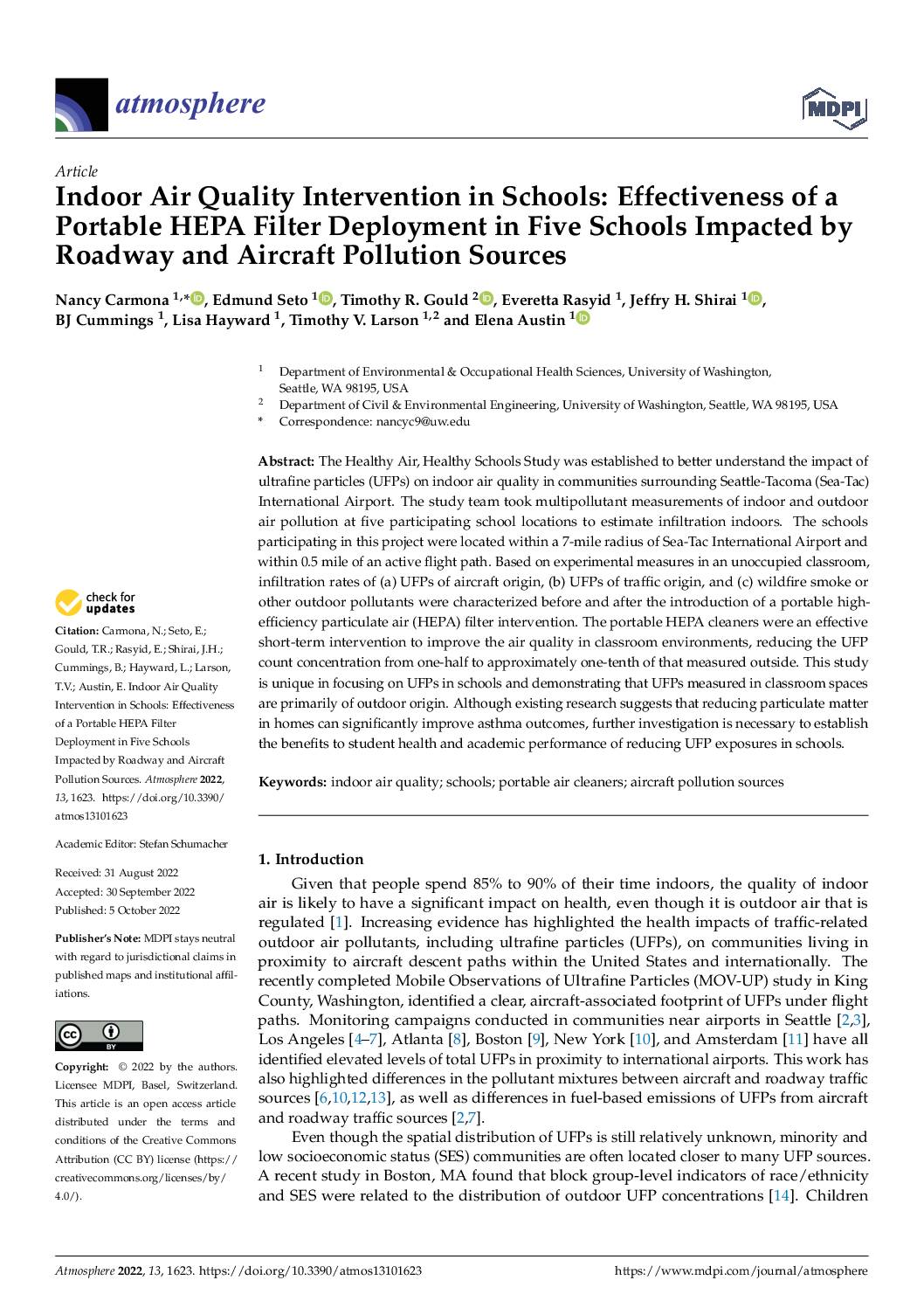
Atmosphere 2022: UWDEOHS Healthy Air, Healthy Schools
A study examining the effectiveness of portable HEPA filters in reducing ultrafine particles (UFPs) from aircraft and traffic sources in five schools near Sea-Tac International Airport. The research found that HEPA cleaners significantly reduced indoor UFP concentrations to one-half to one-tenth of outdoor levels. Atmosphere 2022: https://www.mdpi.com/2073-4433/13/10/1623 -
 2022-08-20
The Effect of Occupational Exposures to Aircraft Ultrafine Particles on Acute Cardiorespiratory Health, and Control Using Personal Protective Equipment
A University of Washington thesis by Mariah Dittmore investigates whether short-term exposure to ultrafine particles from aircraft engines causes measurable cardiorespiratory harm at concentrations found in surrounding communities, and whether personal protective equipment can reduce that harm. The research builds on a 2018 Los Angeles study that linked walking near aircraft pollution to elevated blood inflammation markers, while noting that roadway traffic posed its own distinct respiratory risks. The findings are relevant to policy discussions around Seattle-Tacoma International Airport and the health of workers and residents exposed to aircraft emissions. -
 2020-09-24
The Impact of Airport Proximity on Single-Family House Prices—Evidence from Poland
Academic journal article published in MDPI Sustainability (2020, vol. 12, 7928) by Mirosław Bełej, Radosław Cellmer (University of Warmia and Mazury in Olsztyn), and Michał Głuszak (Cracow University of Economics) examining the impact of airport proximity on single-family house prices in Poland, 2013–2017. Analyzes Gdańsk Lech Walesa Airport and Warsaw Chopin Airport limited use areas -
2020-09-24
The Impact of Airport Proximity on Single-Family House Prices—Evidence from Poland
Academic journal article published in MDPI Sustainability (2020, vol. 12, 7928) by Mirosław Bełej, Radosław Cellmer (University of Warmia and Mazury in Olsztyn), and Michał Głuszak (Cracow University of Economics) examining the impact of airport proximity on single-family house prices in Poland, 2013–2017. Analyzes Gdańsk Lech Walesa Airport and Warsaw Chopin Airport limited use areas -
 2020-09-03
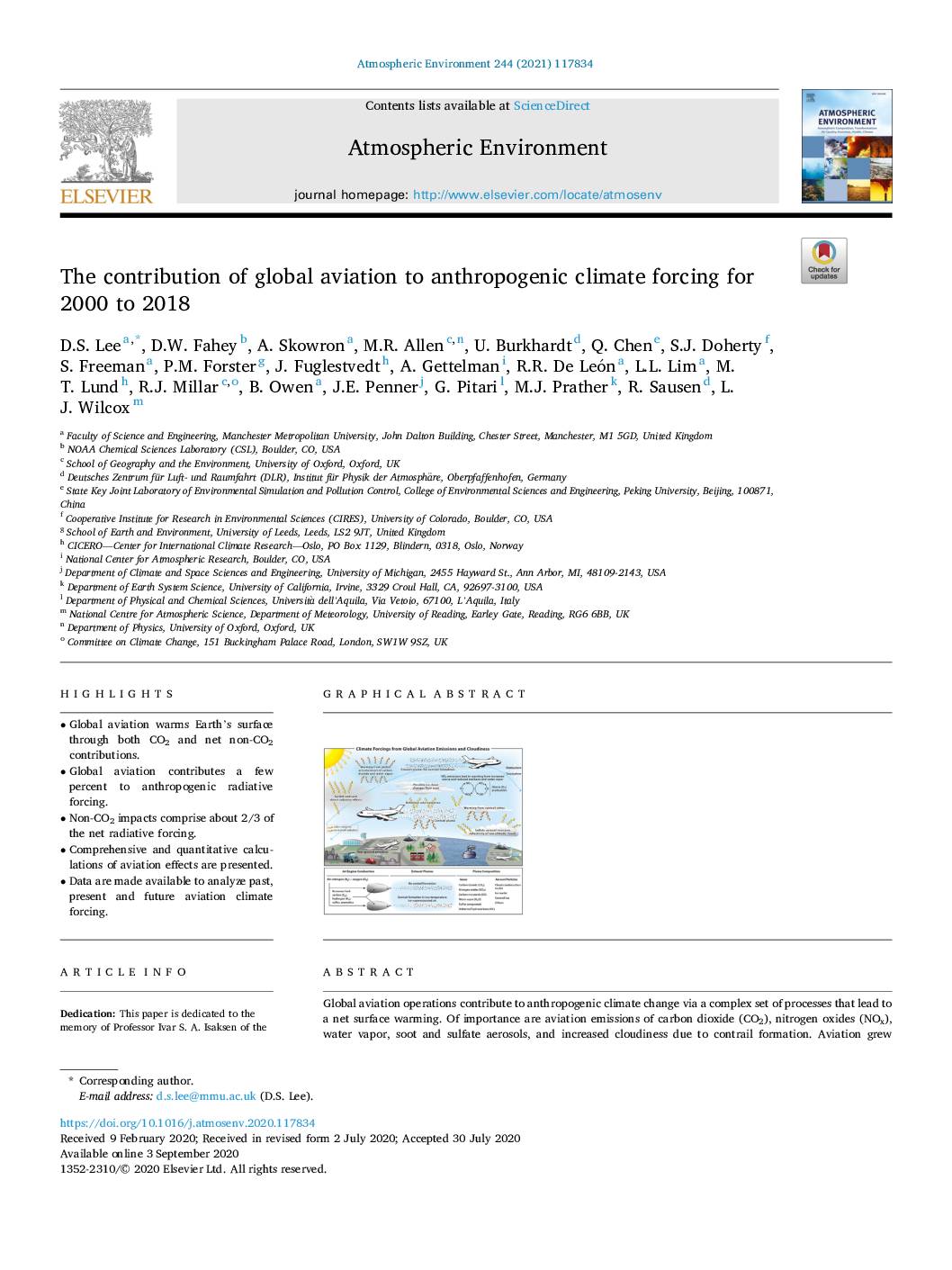
The contribution of global aviation to anthropogenic climate forcing for 2000 to 2018
A 2021 scientific study found that global aviation contributes a small but meaningful share of human-caused climate change, primarily through carbon dioxide emissions and the formation of contrail clouds at high altitude. The research, covering the years 2000 to 2018, found that non-CO2 effects such as contrails account for roughly two-thirds of aviation's total warming impact. The findings are relevant to ongoing policy discussions about reducing the climate footprint of air travel. -
 2020-07-01
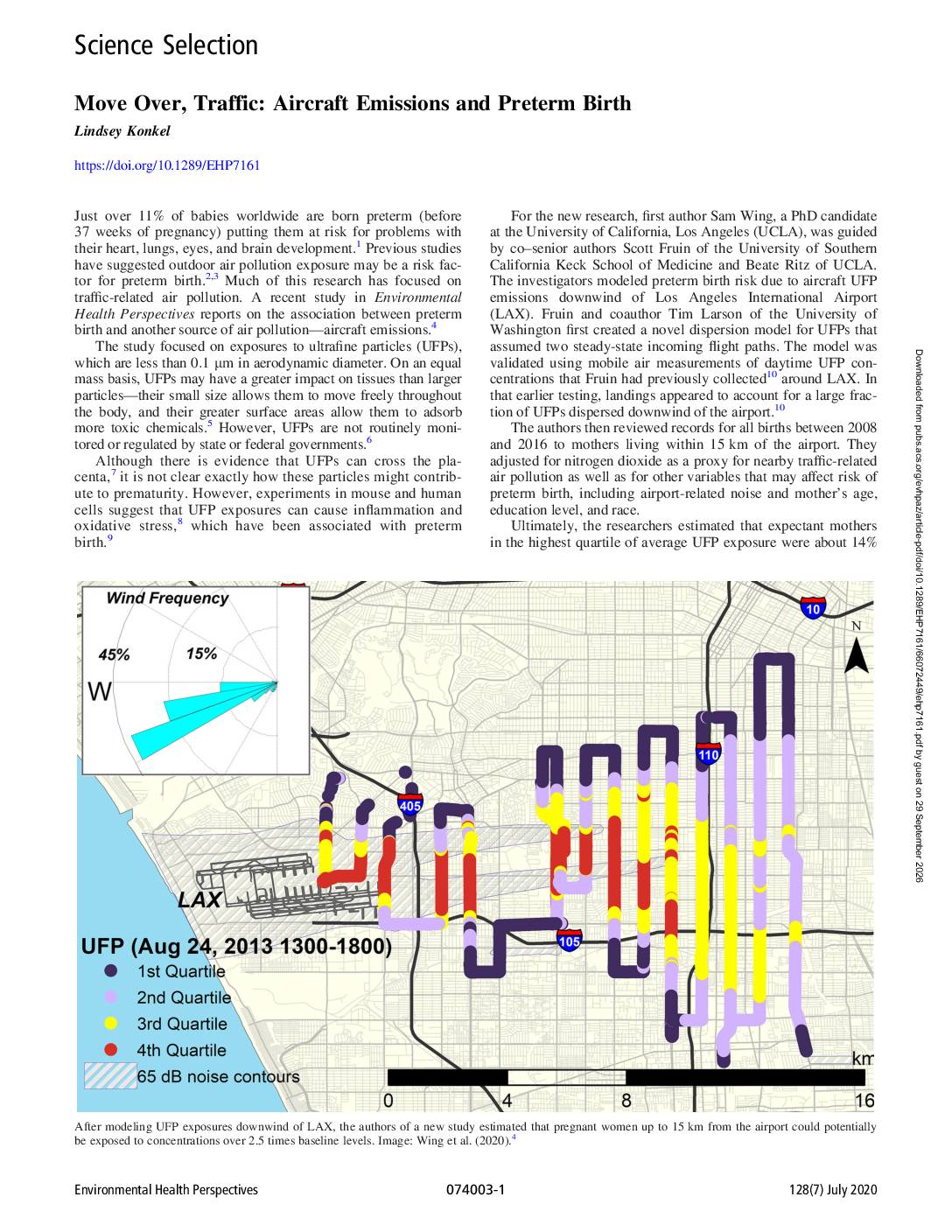
Move Over, Traffic: Aircraft emissions and preterm birth
Science selection article by Lindsey Konkel published in Environmental Health Perspectives (July 2020, vol. 128, no. 7, doi:10.1289/EHP7161) summarizing a UCLA/USC study by Sam Wing, Scott Fruin, and Beate Ritz on preterm birth risk associated with ultrafine particle (UFP) aircraft emissions downwind of Los Angeles International Airport (LAX). The study modeled UFP dispersion from LAX -
 2020-04-02
Preterm Birth among Infants Exposed to in Utero Ultrafine Particles from Aircraft Emissions
Academic journal article published in Environmental Health Perspectives (April 2020, Vol. 128(4)) by Wing, Larson, Hudda, Boonyarattaphan, Fruin, and Ritz examining whether ultrafine particles (UFPs) from jet aircraft emissions at Los Angeles International Airport (LAX) are associated with increased preterm birth (PTB) rates. Study used California Department of Public Health birth records (2008–2016) for 174,186 -
 2020-01-10
Adverse Cardiovascular Effects of Traffic Noise with a Focus on Nighttime Noise and the New WHO Noise Guidelines
A comprehensive review examining the cardiovascular health impacts of traffic noise exposure, with particular emphasis on nighttime noise effects. The study discusses WHO guidelines, mechanistic pathways involving oxidative stress and vascular dysfunction, and epidemiological evidence linking noise exposure to heart disease, stroke, and other cardiometabolic conditions. -
 2020-01-01
The health effects of ultrafine particles
Review article by Dean E. Schraufnagel published in Experimental & Molecular Medicine (2020) 52:311–317, DOI 10.1038/s12276-020-0403-3, examining the health effects of ultrafine particles (PM0.1, also called nanoparticles). Covers PM0.1 sources (traffic exhaust, welding, forest fires, cooking, tobacco smoke), absorption and retention in the lung, translocation to distal organs, pulmonary inflammation, metal fume fever, cardiovascular disease, -
 2018-08-15
The Trade-Off between Optimizing Flight Patterns and Human Health: A Case Study of Aircraft Noise in Queens, NY, USA
Peer-reviewed article published in the International Journal of Environmental Research and Public Health (MDPI) by Zafari, Jiao, Will, Li, and Muennig (Columbia University/University of Maryland) examining the health and economic costs of year-round use of the TNNIS Climb departure route at LaGuardia Airport (LGA), Queens, NY, implemented in 2012 under the FAA NextGen automated flight