TagAcademic Journals(54)
-
 2024-04-15
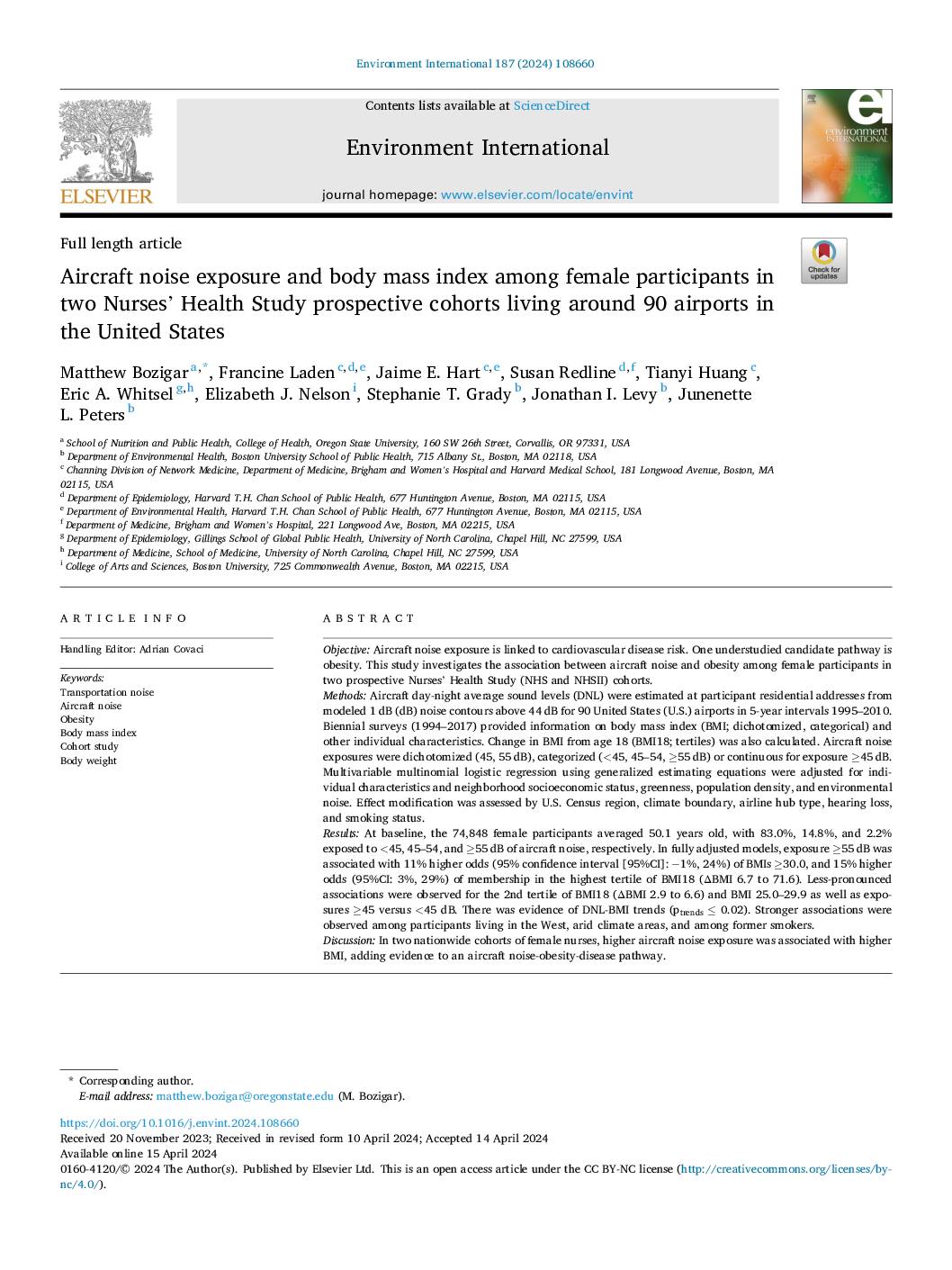
Aircraft noise exposure and body mass index among female participants in two Nurses’ Health Study prospective cohorts living around 90 airports in the United States
A large study of nearly 75,000 female nurses living near 90 U.S. airports found that those exposed to higher levels of aircraft noise were more likely to have higher body mass index (BMI) and greater weight gain since age 18. Women exposed to the loudest aircraft noise (55 decibels or more) had an 11% higher chance of being obese and a 15% higher chance of falling into the highest category of weight gain compared to those in quieter areas. The findings suggest that chronic aircraft noise exposure — such as that experienced by residents near Sea-Tac Airport — may contribute to obesity risk, potentially through stress-related pathways including disrupted sleep and hormonal changes. -
 2023-09-04
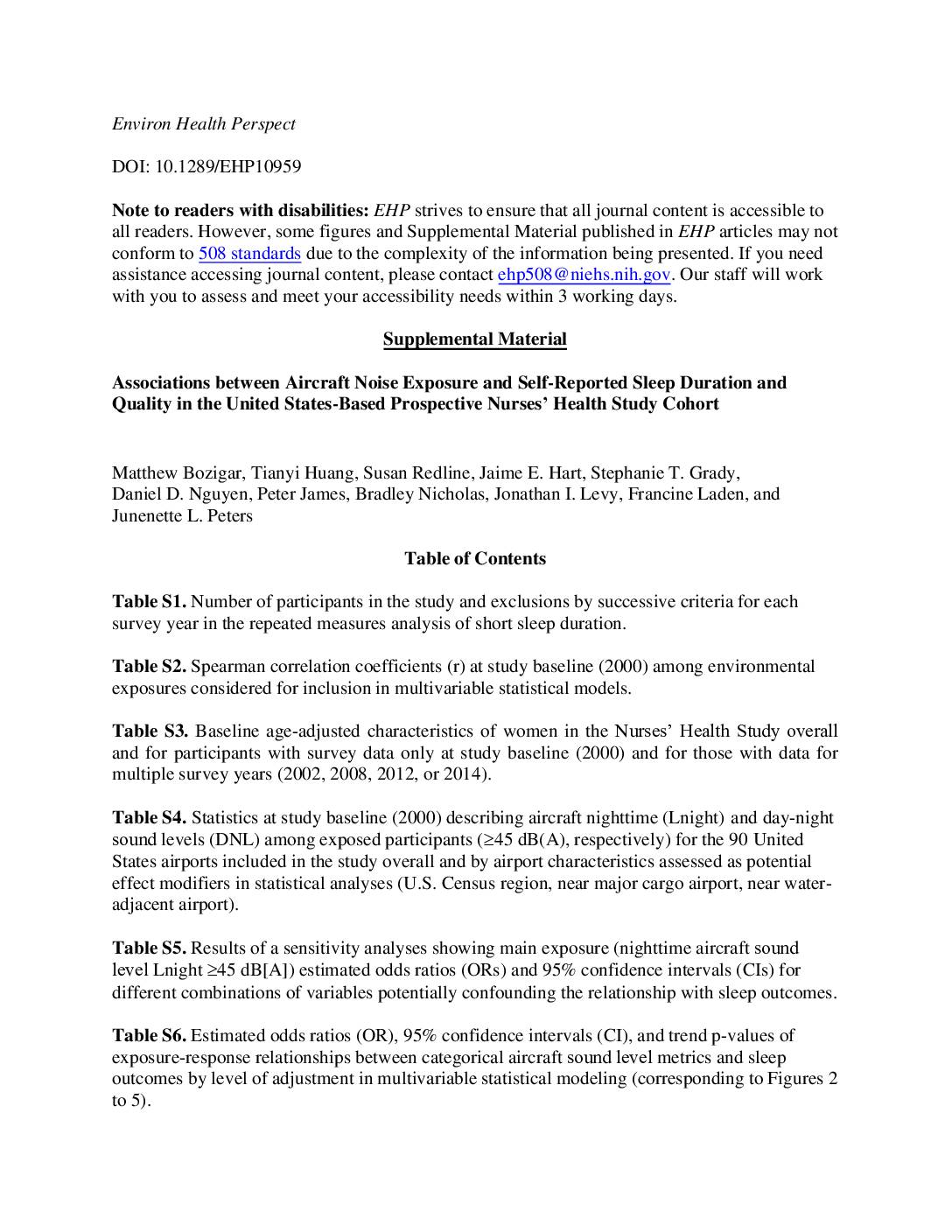
Associations between aircraft noise exposure and self-reported sleep duration and quality in the United States-based prospective Nurses’ Health Study cohort: supplemental material
This supplemental material accompanies a research study examining whether aircraft noise exposure is linked to poorer sleep among women in the Nurses' Health Study, a large U.S. health cohort. The study measured nighttime and day-night aircraft sound levels near 90 U.S. airports and analyzed their association with self-reported short sleep duration and poor sleep quality. Researchers used detailed statistical methods, including directed acyclic graphs and multivariable models, to account for confounding factors and assess exposure-response relationships. -
 2023-07-10
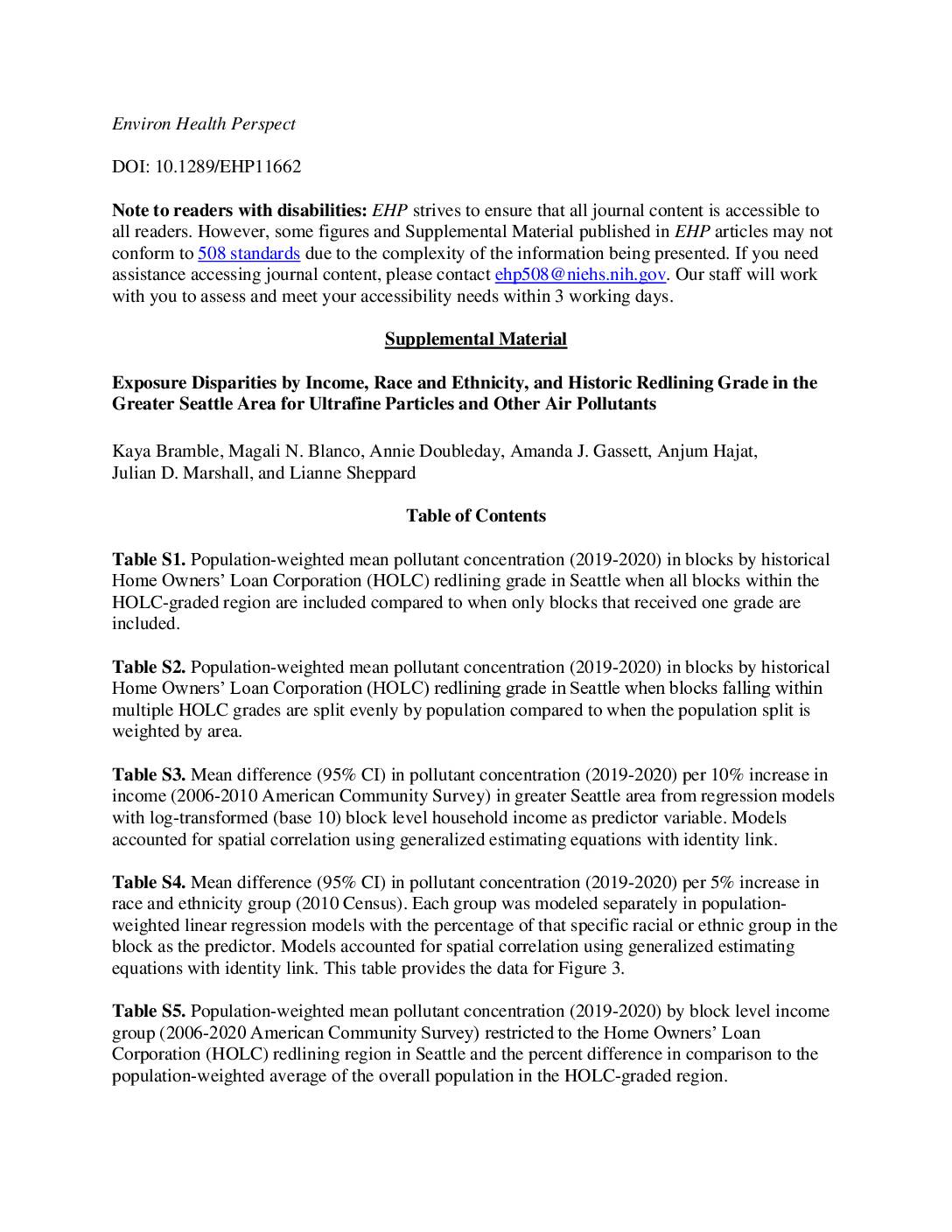
Exposure disparities by income, race and ethnicity, and historic redlining grade in the greater Seattle area for ultrafine particles and other air pollutants: supplemental material
https://ehp.niehs.nih.gov/doi/full/10.1289/EHP11662 -
 2023-07-10
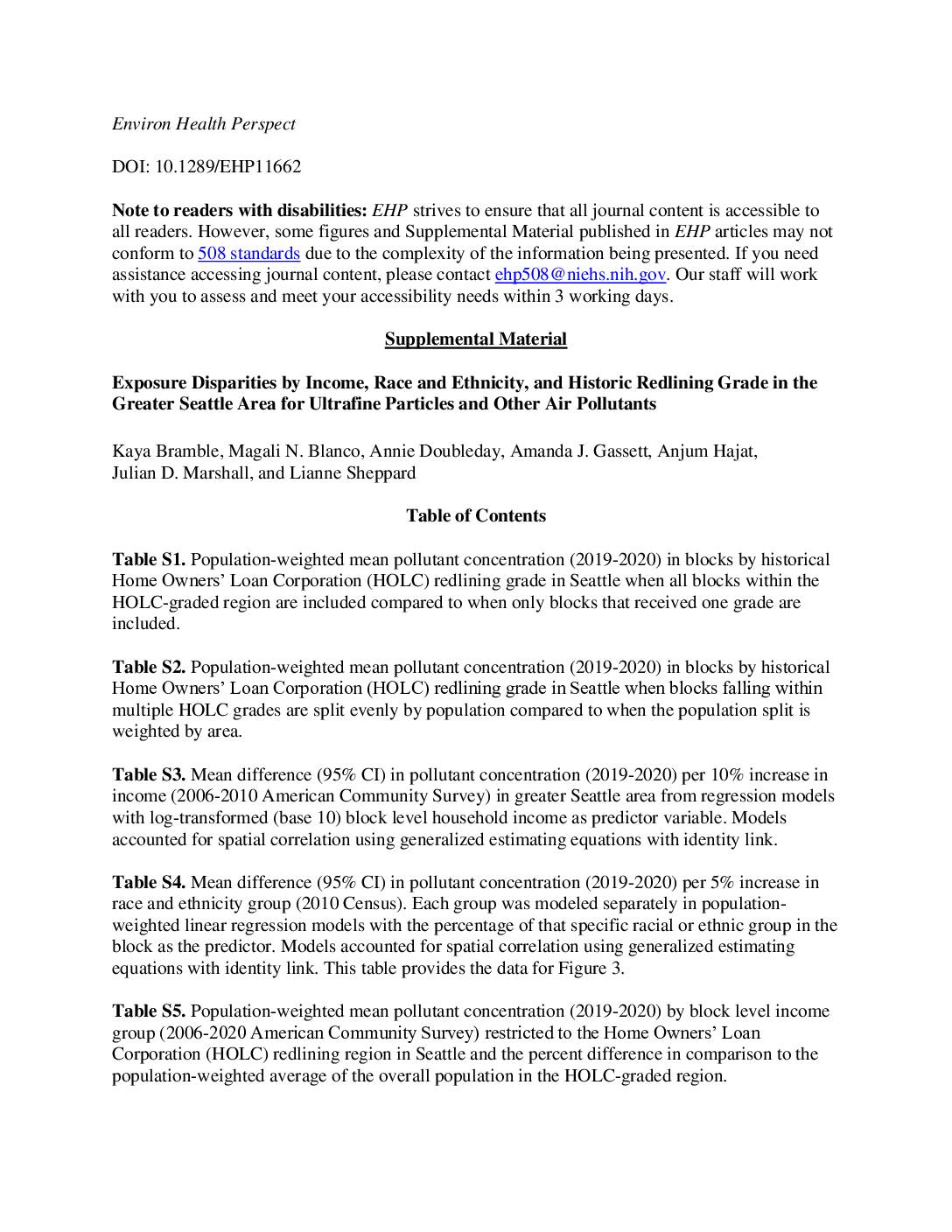
Supplemental material: Exposure disparities by income, race and ethnicity, and historic redlining grade in the greater Seattle area for ultrafine particles and other air pollutants
This environmental health study examines how exposure to ultrafine particles and other air pollutants varies across the greater Seattle area based on income, race and ethnicity, and historical redlining grades assigned by the Home Owners' Loan Corporation (HOLC). Researchers analyzed pollutant concentration data from 2019-2020 alongside census and demographic data to identify disparities between communities. The supplemental materials include statistical tables and scatterplots supporting the main findings on environmental inequality across Seattle neighborhoods. -
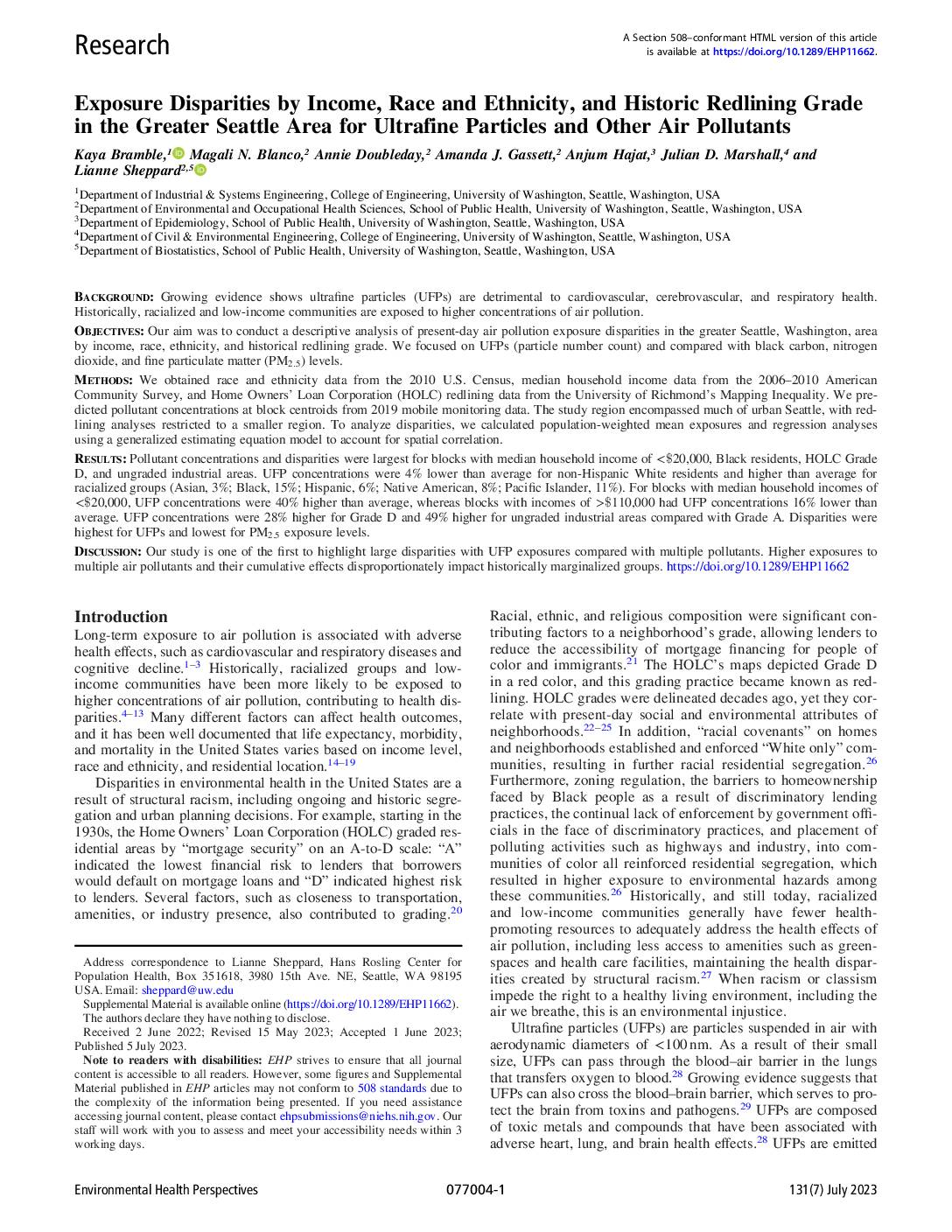 2023-07-05
Exposure disparities by income, race and ethnicity, and historic redlining grade in the greater Seattle area for ultrafine particles and other air pollutants
A University of Washington study found that low-income and minority communities in the greater Seattle area are exposed to significantly higher levels of ultrafine particles (UFPs) and other air pollutants compared to wealthier, predominantly white neighborhoods. The research also revealed that neighborhoods historically designated as 'hazardous' under 1930s redlining practices continue to experience disproportionately poor air quality today. Disparities were most pronounced for UFPs, which are tiny particles linked to heart, lung, and brain health problems, and least pronounced for fine particulate matter (PM2.5). -
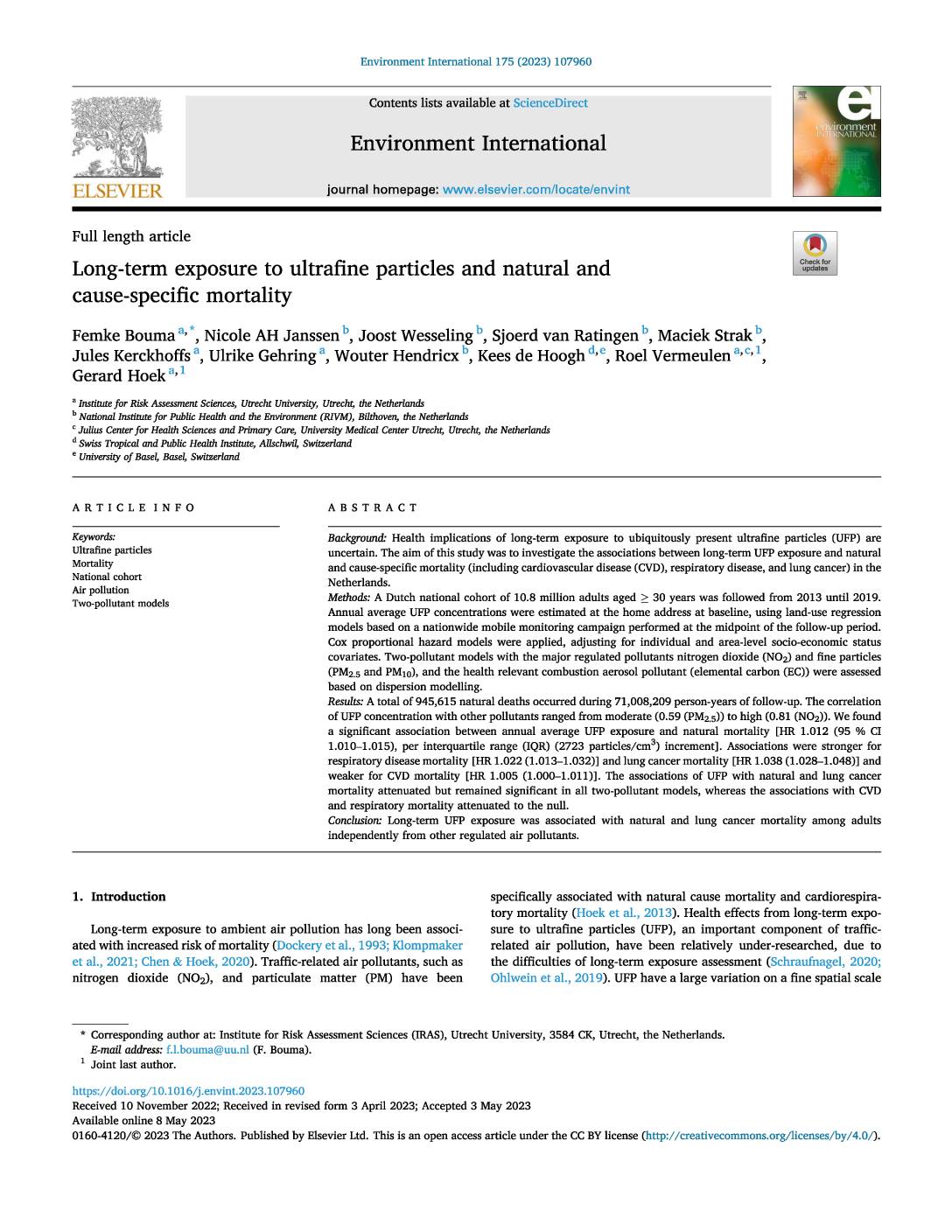 2023-05-08
Long-term exposure to ultrafine particles and natural and cause-specific mortality
This study examined whether long-term exposure to ultrafine air particles (UFP) is linked to higher death rates among 10.8 million Dutch adults followed from 2013 to 2019. Researchers found that higher UFP exposure was significantly associated with increased risk of natural cause, lung cancer, and respiratory disease mortality, even after accounting for other air pollutants like nitrogen dioxide and fine particles. The findings suggest UFP pose health risks independent of other regulated air pollutants, though this research is unrelated to airport noise policy. -
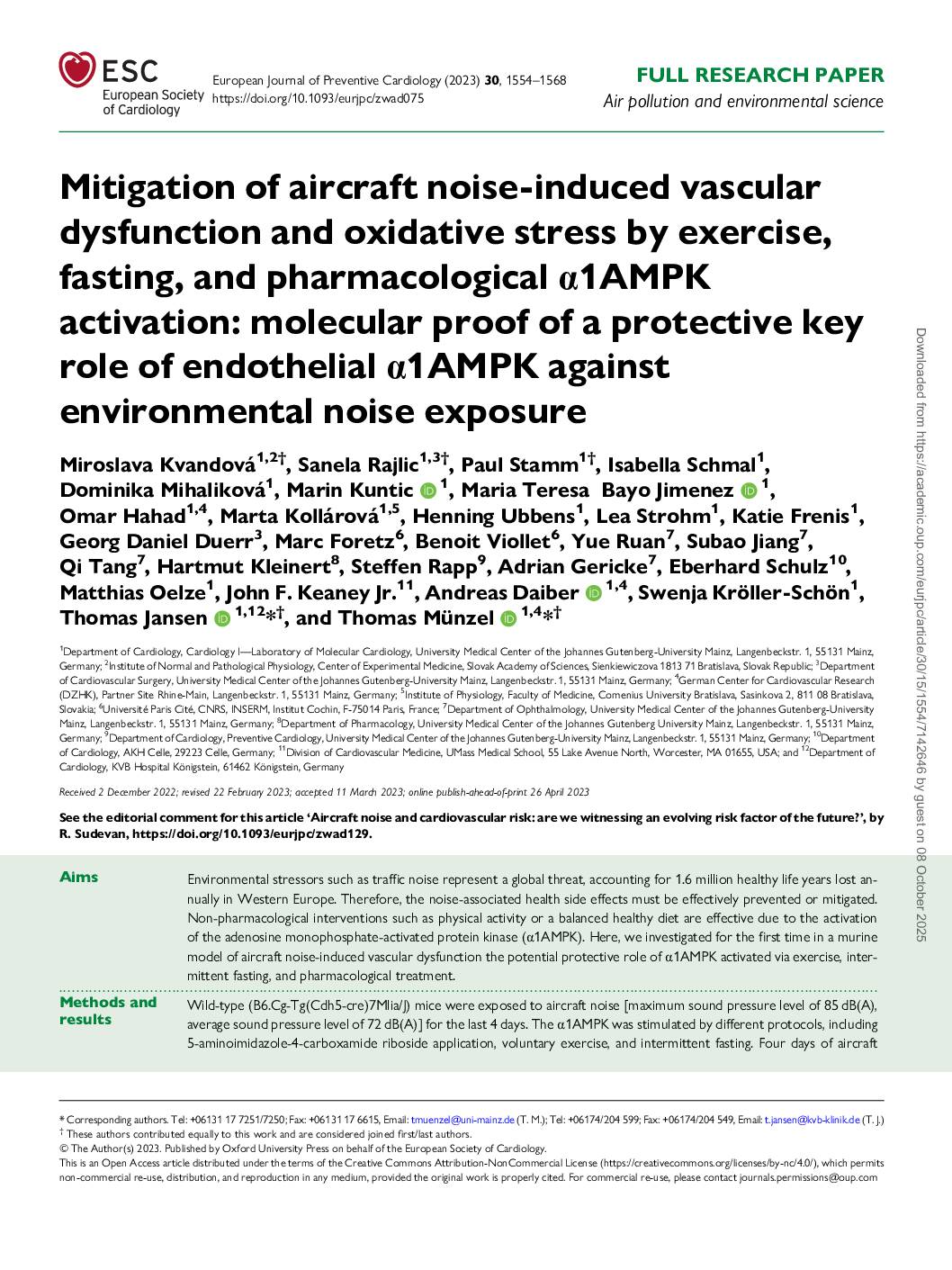 2023-04-26
Mitigation of aircraft noise-induced vascular dysfunction and oxidative stress by exercise, fasting, and pharmacological α1AMPK activation: molecular proof of a protective key role of endothelial α1AMPK against environmental noise exposure
A scientific study found that aircraft noise exposure causes measurable damage to blood vessel function and increases harmful oxidative stress in mice, mimicking cardiovascular risks seen in human populations living near airports. Researchers demonstrated that three interventions — regular physical exercise, intermittent fasting, and a drug that activates a protective enzyme called α1AMPK — can each effectively prevent or reduce this noise-induced vascular damage. These findings suggest that lifestyle changes like exercise and dietary restriction may offer practical, evidence-based strategies for mitigating the cardiovascular health risks associated with aircraft noise exposure. -
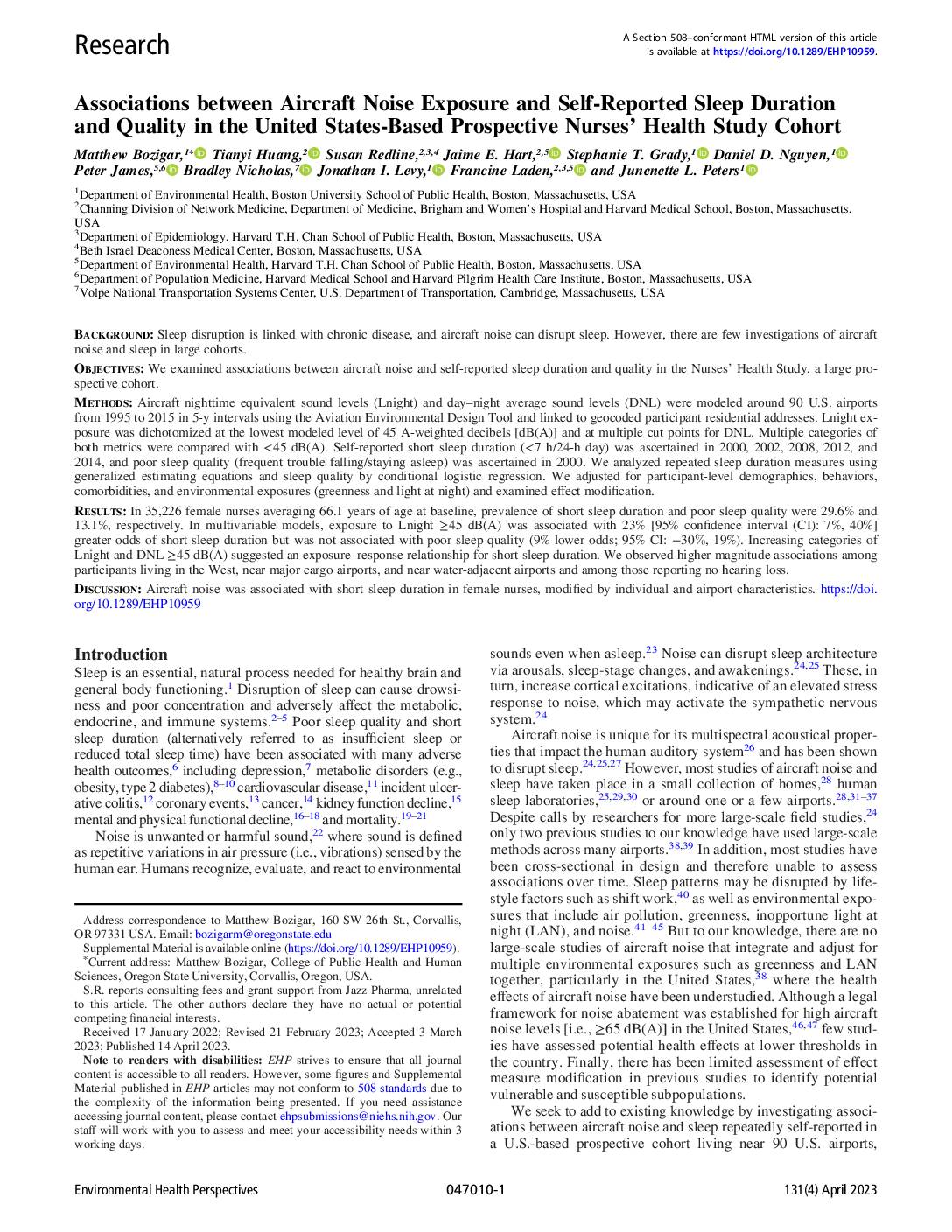 2023-04-14
Associations between aircraft noise exposure and self-reported sleep duration and quality in the United States-based prospective Nurses’ Health Study cohort
A large study of over 35,000 female nurses across the United States found that exposure to aircraft nighttime noise levels at or above 45 decibels was associated with 23% greater odds of sleeping less than 7 hours per night. The research, which tracked participants living near 90 U.S. airports between 2000 and 2014, suggests that aircraft noise — including at levels below the federally regulated threshold of 65 decibels — may meaningfully disrupt sleep duration. Stronger effects were observed among residents in the Western United States and those living near major cargo airports, findings with direct relevance to communities around airports like Sea-Tac. -
 2023-01-01
Impact of roadside conifers vegetation growth on air pollution mitigation
This study examines how the growth of conifer trees planted alongside roads affects their ability to reduce traffic-related air pollution over time. Researchers found that as conifers grow taller, they become less dense, and the ideal tree height for maximum pollution reduction is between 4 and 6 meters. The findings suggest that regular pruning is essential to maintain roadside vegetation barriers at their most effective size for improving air quality in nearby communities. -
 2022-12-05
The FAA’s 65 dBA DNL is not a safe noise exposure level for the American public
Academic paper presented at the 183rd Meeting of the Acoustical Society of America arguing that the FAA’s 65 dBA day-night average sound level standard is not safe for public health. The paper discusses how the EPA calculated safer levels at 55 dB for outdoor activities and 45 dB for indoor activities, and examines the non-auditory