TagSAMP(650)
Articles tagged with the Sustainable Airport Master Plan.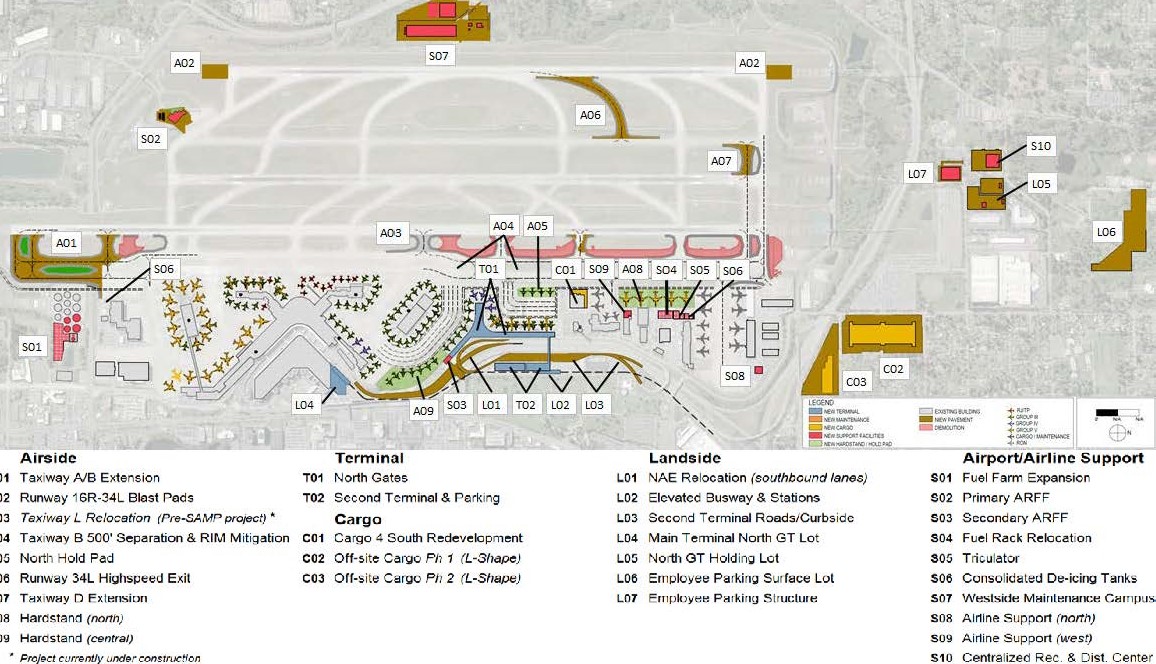
-
 2026-06-08
Proposed Seattle Tacoma airport expansion will be good for region
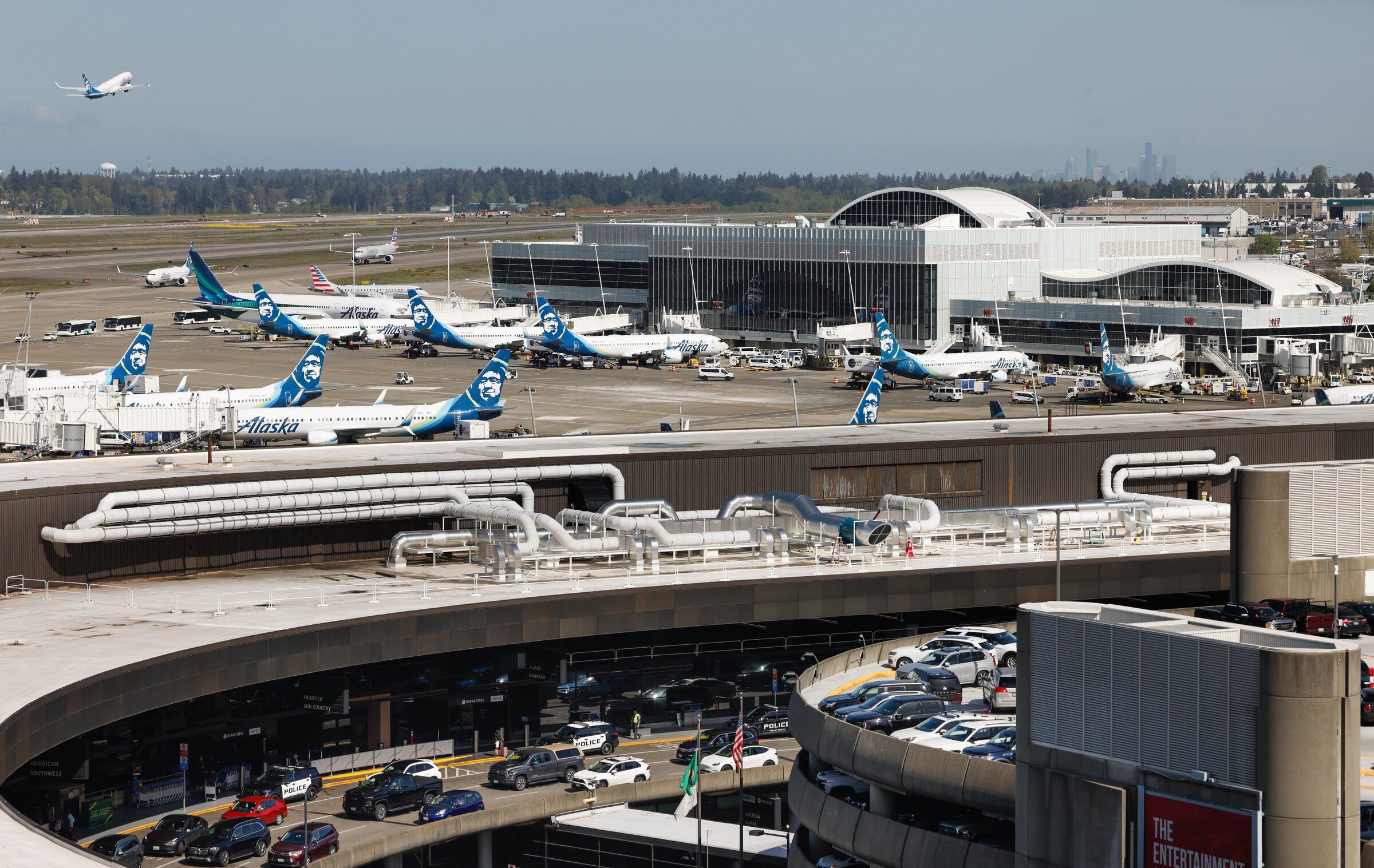
By Angela Birney and Dana Ralph Special to The Seattle Times As elected officials, we are committed to serving the public good. That requires us not only to think beyond what’s needed for our communities to thrive today but also to focus on long-term planning for current and future residents. That is why we both -
 2026-06-08
Joint Des Moines and Burien Airport Committee Meeting June 8, 2026
Joint meeting with Burien Airport Committee: Sustainable Airport Master Plan (SAMP) Study Session -
2026-06-08
Joint Des Moines and Burien Airport Committee Meeting Agenda June 8, 2026
The Joint Des Moines and Burien Airport Committee is scheduled to meet on June 8, 2026, at 4:00 PM in the Des Moines City Council Chambers to hold a study session on the Sustainable Airport Master Plan (SAMP), with reference materials available at sea-samp.com/materials. The SAMP is a planning process relevant to Sea-Tac Airport's future development and its noise and environmental impacts on surrounding communities. The next scheduled meeting is the Des Moines Airport Advisory Committee Meeting on July 13, 2026. -
 2026-05-28
Formal Comment by Jeffrey Bogen: Aircraft Seat Capacity Estimates and Fleet Upgauging in the Seattle-Area Metroplex (SAMP) Environmental Impact Statement
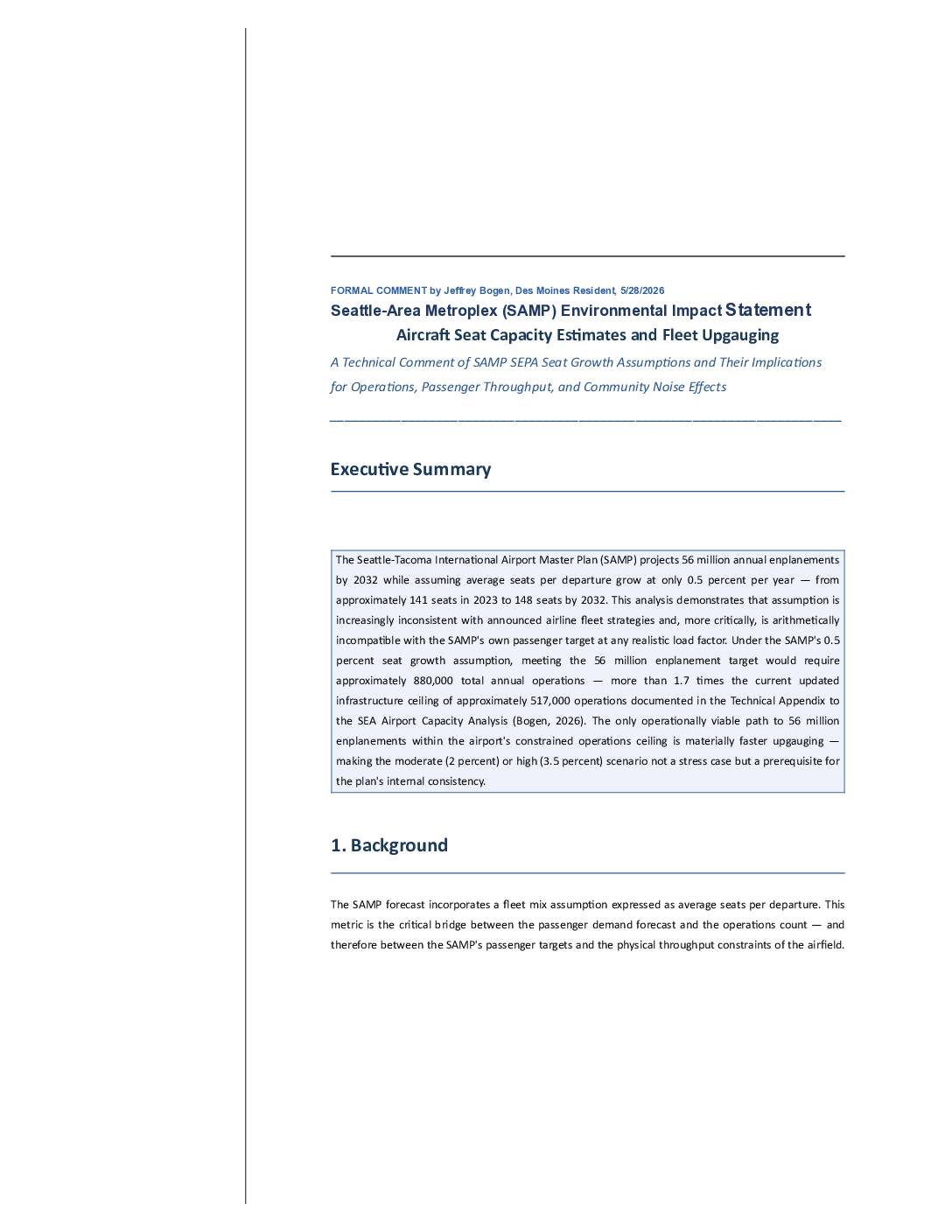
A Des Moines resident's formal comment on the Seattle-Area Metroplex Environmental Impact Statement argues that Sea-Tac Airport's official planning assumption — that average aircraft size will grow by only 0.5% per year — is mathematically incompatible with the airport's own goal of 56 million annual passengers by 2032. The comment shows that reaching that passenger target under the current assumption would require roughly 880,000 flights per year, far exceeding the airport's infrastructure ceiling of about 517,000 operations. The author contends that airlines like Alaska and Delta are already ordering larger aircraft and expanding international routes at Sea-Tac, meaning faster fleet upgauging is not a worst-case scenario but a necessity for the plan to make sense. -
 2026-05-28
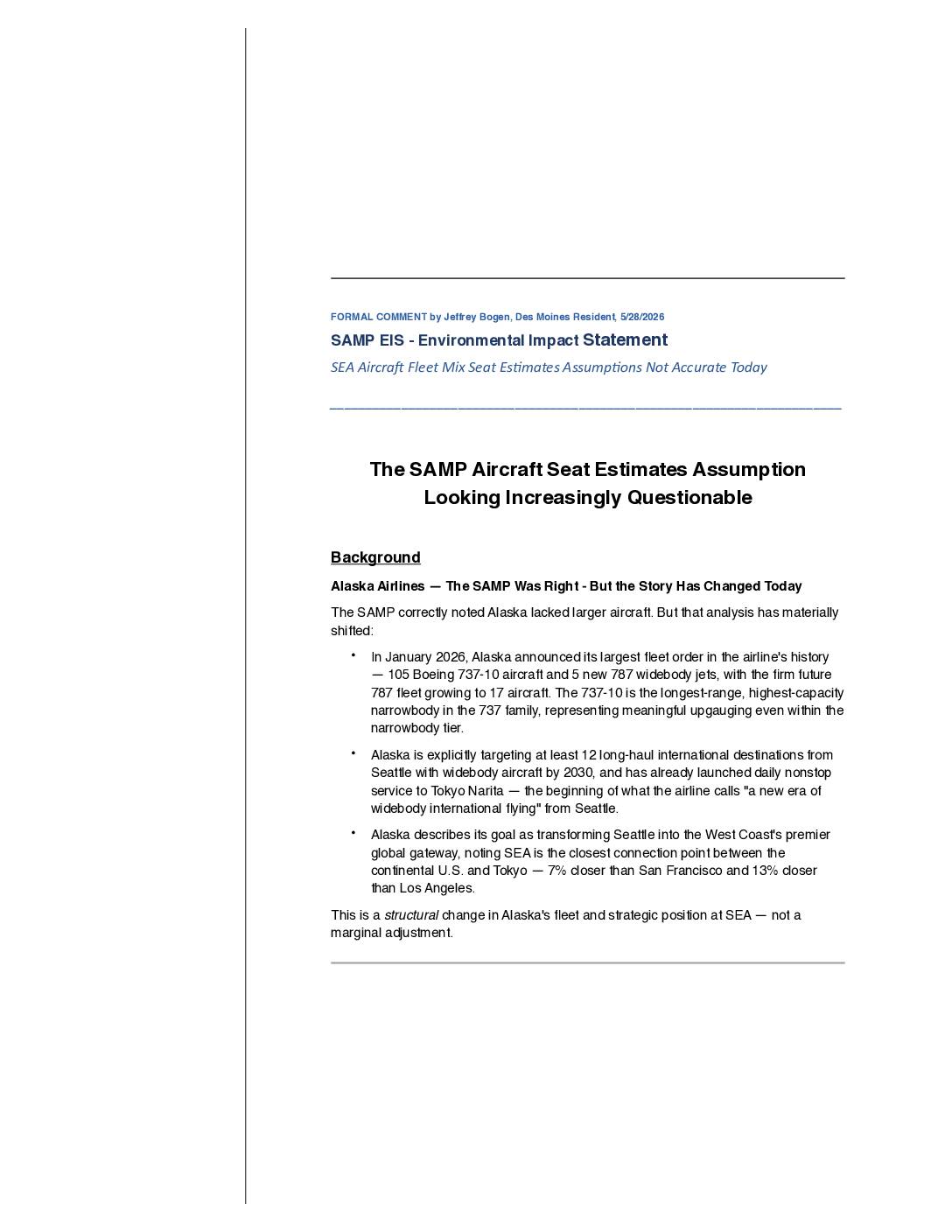
Formal Comment by Jeffrey Bogen: SAMP EIS Aircraft Fleet Mix Seat Estimates Assumptions Not Accurate Today
A Des Moines resident's formal comment on the Sea-Tac Airport Master Plan (SAMP) Environmental Impact Statement argues that the SAMP's aircraft seat capacity assumptions are now outdated, pointing to major 2026 fleet expansions by Alaska Airlines and Delta that include significantly more and larger widebody aircraft operating from SEA. The comment contends that because larger planes carry more passengers per flight, fewer total aircraft operations would be needed to reach the SAMP's 56 million passenger target, meaning the airport could handle projected growth with less noise impact than the SAMP currently estimates. The author presents revised seat-capacity scenarios suggesting the SAMP's low-growth assumption is internally inconsistent and that updated fleet data should be incorporated into the EIS before final conclusions are drawn. -
 2026-05-28
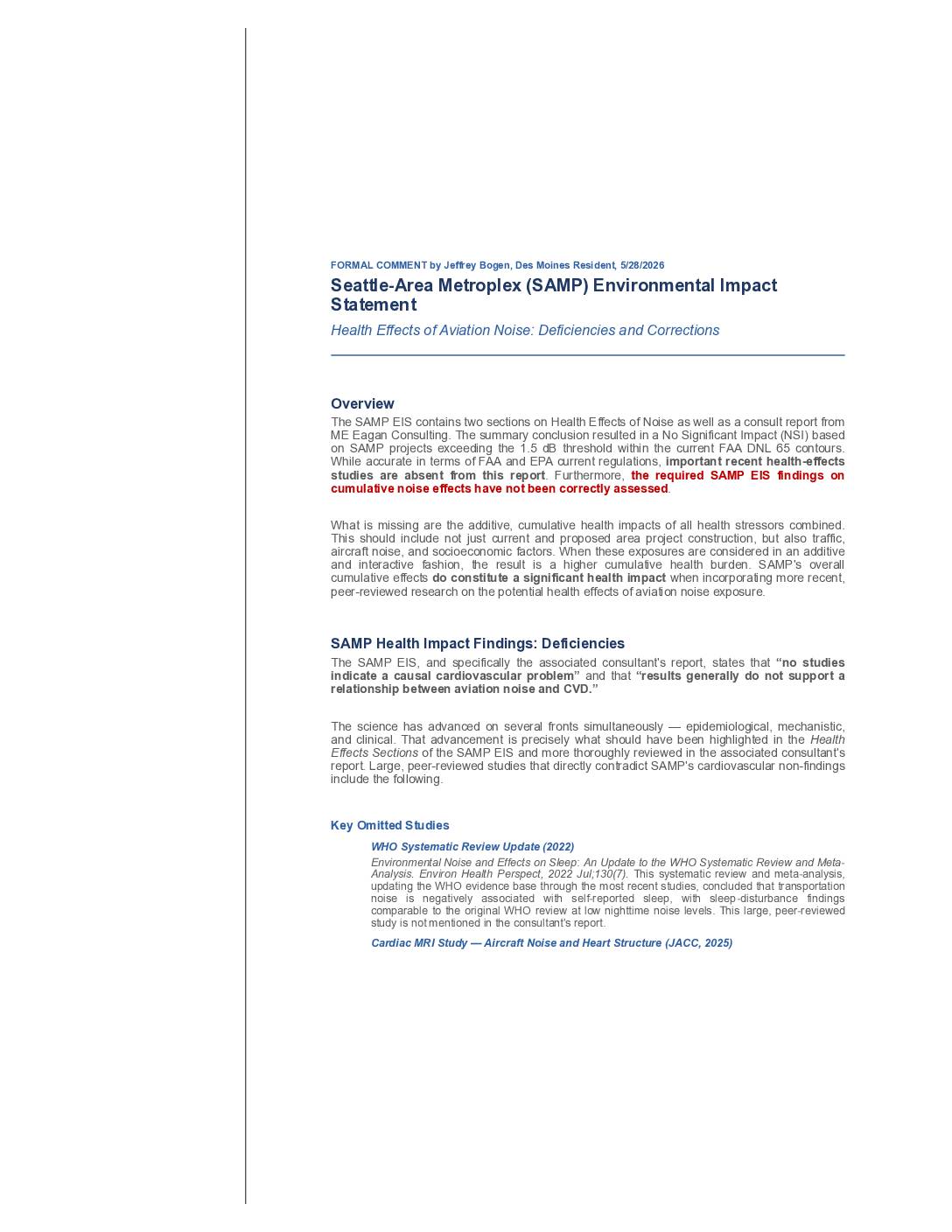
Formal Comment by Jeffrey Bogen: Seattle-Area Metroplex (SAMP) Environmental Impact Statement — Health Effects of Aviation Noise: Deficiencies and Corrections
A Des Moines resident submitted a formal comment arguing that the Seattle-Area Metroplex Environmental Impact Statement (SAMP EIS) significantly underestimates the health risks of aviation noise by omitting key peer-reviewed studies linking aircraft noise to cardiovascular disease, heart structural changes, and sleep disruption. The commenter contends that the EIS relies on outdated and methodologically flawed research, particularly FICAN studies using extrapolated rather than measured data, while ignoring more recent findings from the WHO, the HYENA Project, and a 2025 cardiac MRI study. The comment calls on the FAA to conduct a proper cumulative health effects analysis and require additional noise mitigation measures beyond the current DNL 65 dB contour threshold. -
 2026-05-28
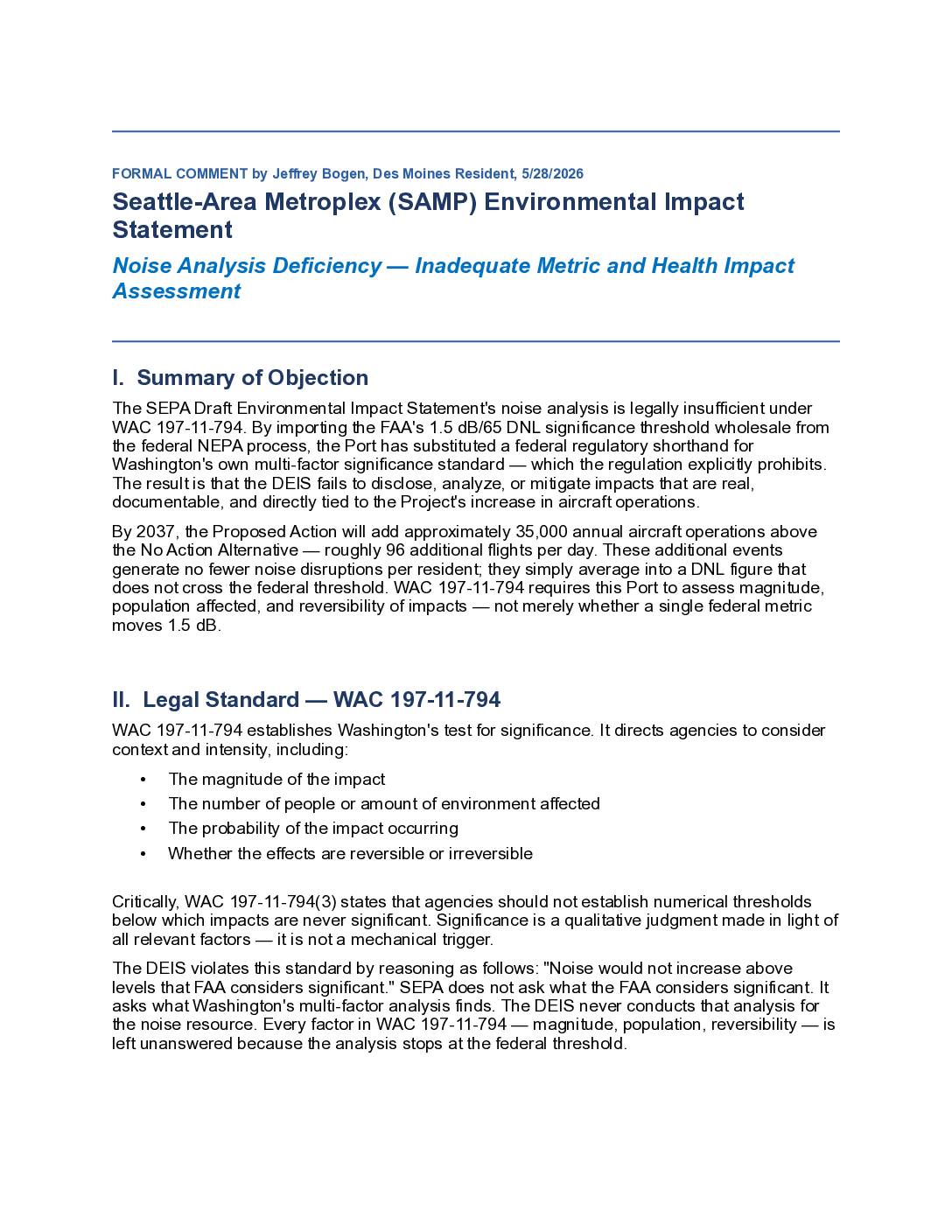
Formal Comment of Jeffrey Bogen: SAMP Draft EIS Noise Analysis Deficiency — Inadequate Metric and Health Impact Assessment
A Des Moines resident's formal comment argues that the Seattle-Area Metroplex Environmental Impact Statement's noise analysis is legally inadequate because it relies solely on a federal FAA noise threshold rather than Washington State's own multi-factor significance standard. The comment contends that the standard noise metric used (DNL) masks the real impact of roughly 96 additional daily flights projected by 2037, since it averages out individual disturbance events rather than counting them. The commenter calls for supplemental analysis using alternative metrics—such as single-event sound levels and nighttime averages—supported by peer-reviewed health studies linking aircraft noise to sleep disruption and cardiovascular harm. -
 2026-05-28
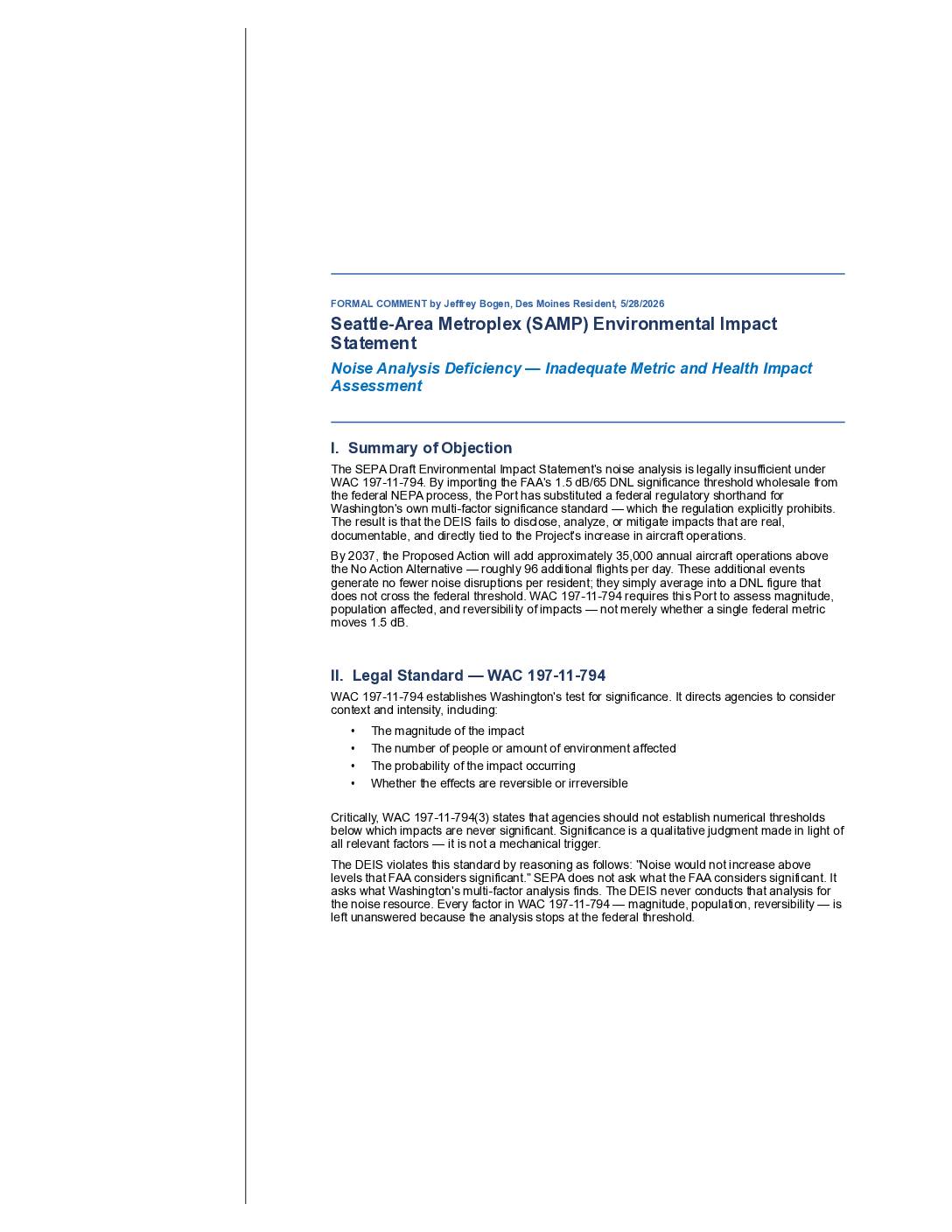
Formal Comment by Jeffrey Bogen: SAMP SEPA Draft EIS Noise Analysis Deficiency — Inadequate Metric and Health Impact Assessment
Des Moines resident Jeffrey Bogen submitted a formal comment arguing that the Seattle-Area Metroplex Environmental Impact Statement's noise analysis is legally inadequate because it relies solely on a federal average-noise metric (DNL) rather than Washington State's broader, multi-factor significance standard. Bogen contends that with roughly 96 additional flights per day projected by 2037, residents will experience more frequent individual noise disruptions — including sleep disturbance and cardiovascular stress — that the DNL metric is mathematically incapable of detecting. He calls on the Port of Seattle to supplement its Final EIS with event-level and nighttime noise metrics supported by peer-reviewed health research, including the FAA's own National Sleep Study. -
 2026-05-28
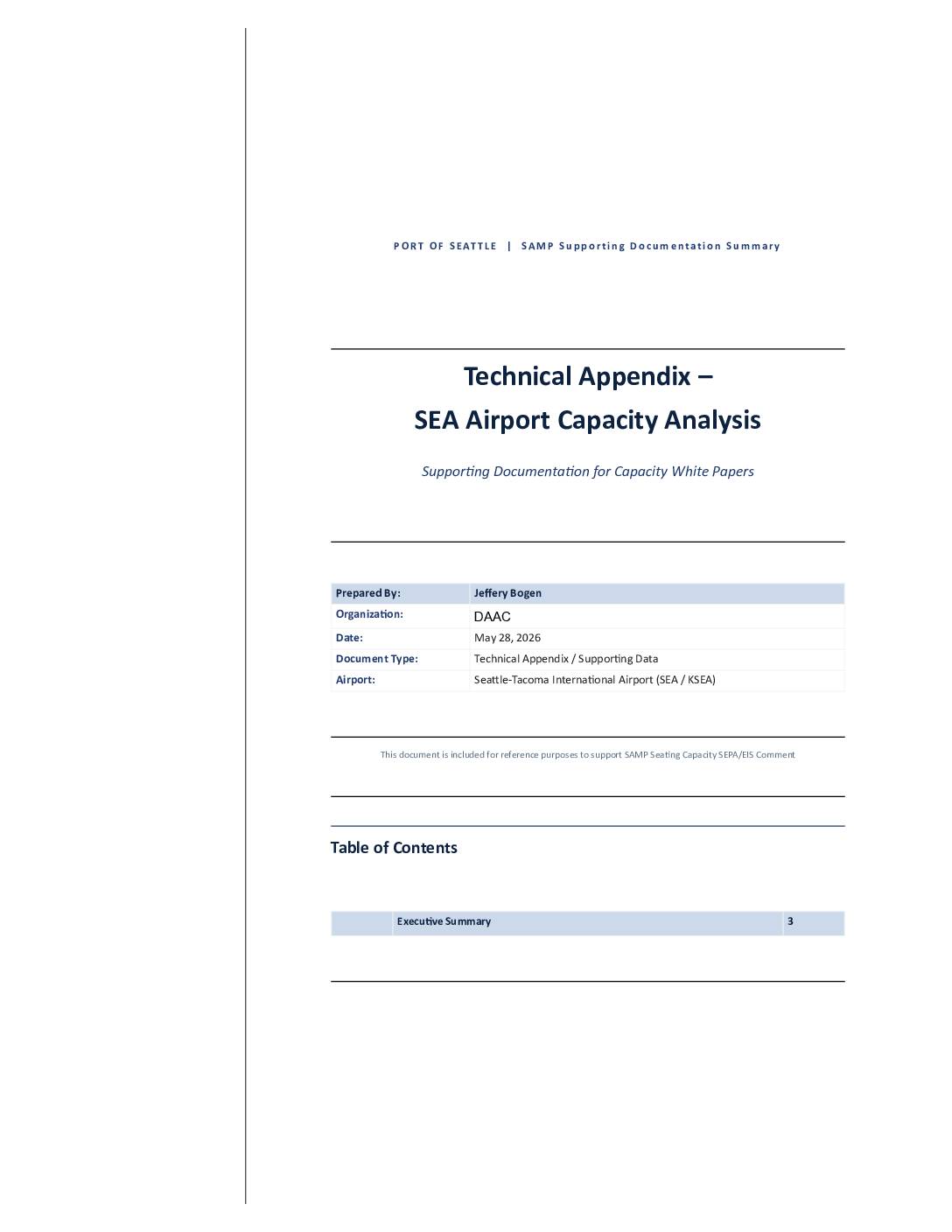
Technical Appendix: SEA Airport Capacity Analysis — Supporting Documentation for Capacity White Papers
This technical appendix, prepared by Jeffery Bogen of DAAC in May 2026, analyzes runway and airspace capacity at Seattle-Tacoma International Airport (SEA) to support the Port of Seattle's Sustainable Airport Master Plan (SAMP) environmental review process. It compares FAA 2016 baseline hourly flow rates against observed 2024–2026 performance data, documents current capacity improvements, and projects annual flight operations through 2037 under both constrained and unconstrained growth scenarios. The document is intended as supporting reference material for public comments on seating capacity impacts under SEPA/EIS review. -
 2026-05-28
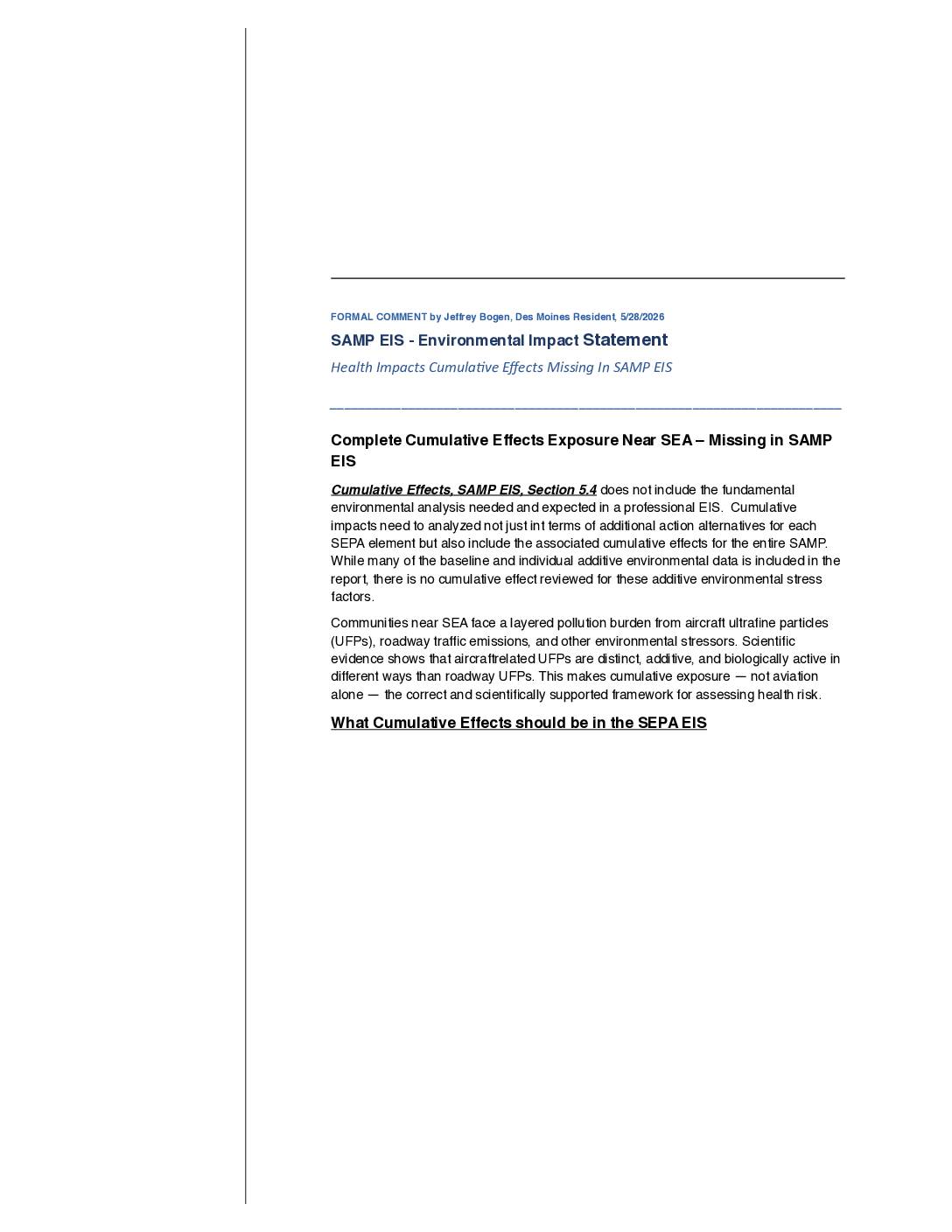
Formal Comment by Jeffrey Bogen: Cumulative Health Effects Missing in SAMP EIS
Des Moines resident Jeffrey Bogen submitted a formal comment arguing that the Sea-Tac Airport Master Plan (SAMP) Environmental Impact Statement fails to adequately analyze cumulative health effects on nearby communities. He contends that the EIS must go beyond examining individual pollution sources and instead assess the combined burden of aircraft ultrafine particles, roadway traffic emissions, chronic noise, and other stressors together, since scientific research shows these exposures interact and compound one another. Bogen calls for a comprehensive cumulative-risk framework, backed by ten peer-reviewed studies, to be incorporated into the EIS before any accurate public health or policy conclusions can be drawn.