TagClimate(79)
-
 2022-10-01
Corporate capture and the UN International Civil Aviation Organization
A 2022 report by InfluenceMap examines how aviation industry interests shape climate policy at the UN's International Civil Aviation Organization (ICAO), finding that 31% of delegates at recent climate negotiations represented industry. The report highlights that ICAO's limited transparency practices—including non-disclosure agreements, restricted media access, and undisclosed delegate affiliations—allow corporate influence to steer global aviation emissions policy. As a result, ICAO has prioritized carbon offsetting over direct emissions reductions, with global aviation CO2 emissions projected to grow by 190–277% between 2015 and 2050. -
 2022-09-01
King County Communitywide Consumption-Based GHG Emissions Inventory: Puget Sound Regional Emissions Analysis
This 2022 report by EcoDataLab and Stockholm Environment Institute provides a consumption-based greenhouse gas emissions inventory for King County and the broader Puget Sound region, tracking emissions tied to residents' purchases and behaviors across categories such as transportation, food, housing, goods, and services. It analyzes historical emissions trends, neighborhood-level variations, and supply chain stages, then outlines potential strategies for reducing those emissions through policy changes and shifts in household consumption patterns. -
 2022-08-21
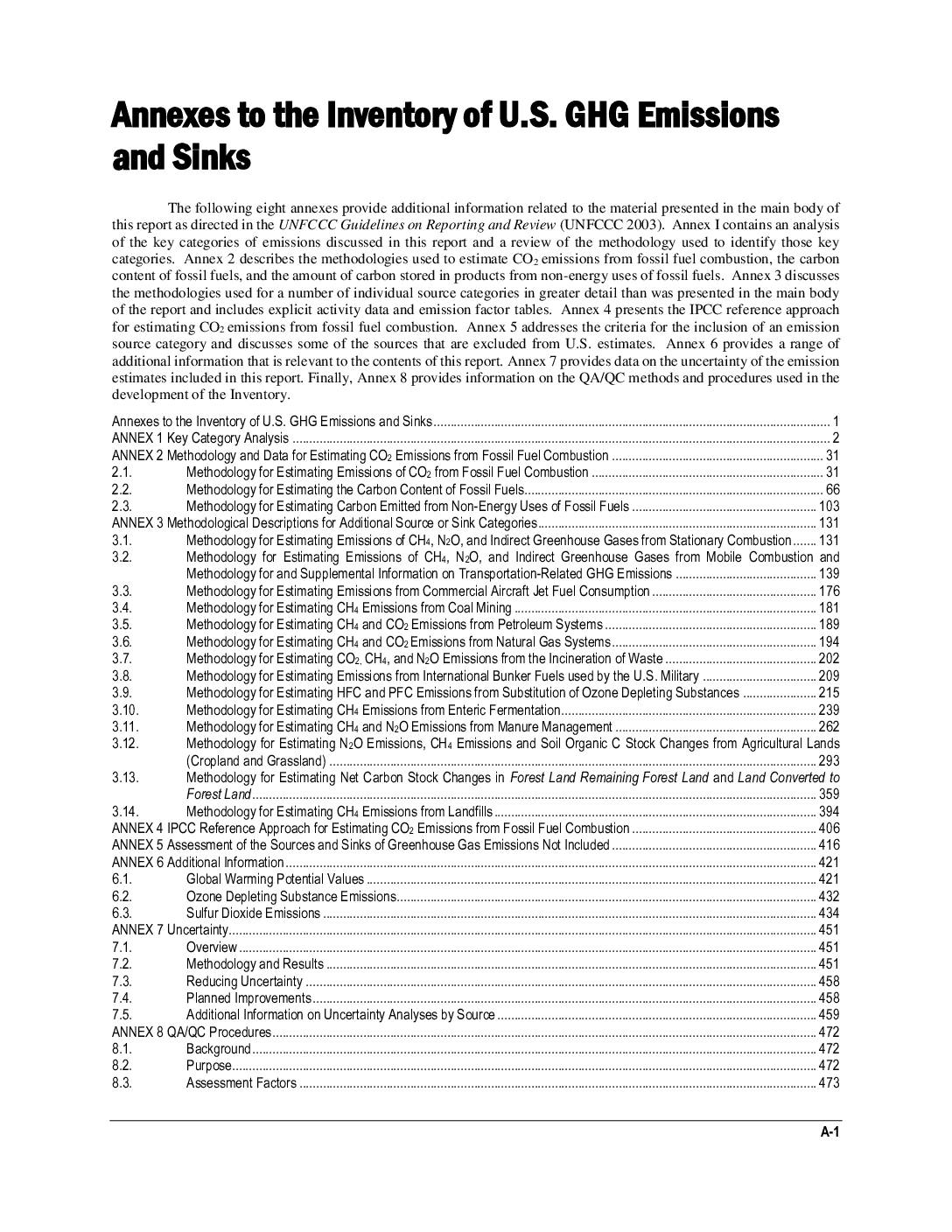
Annexes to the inventory of U.S. GHG emissions and sinks
This document is a technical annex to the U.S. Greenhouse Gas Emissions and Sinks Inventory, outlining the methodologies used to measure and categorize national greenhouse gas emissions from 1990 to 2015. It identifies 'key categories' — the emission sources with the greatest impact on total national greenhouse gas levels, trends, and uncertainty — using standardized IPCC guidelines. The largest emission sources identified include road transportation, coal-fired electricity generation, and natural gas combustion across industrial, residential, and commercial sectors. -
 2022-08-01
King County Communitywide Geographic Greenhouse Gas Emissions: Puget Sound Regional Emissions Analysis
This August 2022 report by Cascadia Consulting Group analyzes greenhouse gas emissions across King County, Washington, examining where emissions come from, what is driving trends over time, and how the county can meet its climate goals. The report covers sectors including transportation, electricity, natural gas, solid waste, and land use, tracking data from multiple inventory years and comparing per-capita emissions across jurisdictions. It also models future emissions scenarios to assess the impact of federal, state, and regional policies on reaching reduction targets through 2050. -
 2022-07-01
Making Net-Zero Aviation Possible: An Industry-Backed, 1.5°C-Aligned Transition Strategy
This July 2022 report from the Mission Possible Partnership outlines a global strategy for reducing aviation's greenhouse gas emissions to net zero by 2050, in line with the 1.5°C climate target. It identifies key milestones, technologies, and investments needed across the aviation value chain, including sustainable aviation fuels and new propulsion systems. The strategy is intended to guide airlines, policymakers, and financial institutions in taking coordinated action this decade. -
Our Commitment to Fly Net Zero by 2050
Fly Net Zero is the commitment of airlines to achieve net zero carbon by 2050. At the 77th IATA Annual General Meeting in Boston, USA, on 4 October 2021, a resolution was passed by IATA member airlines committing them to achieving net-zero carbon emissions from their operations by 2050. This pledge brings air transport -
The Check Box
Introduction One small silver-lining from the pandemic is the broad realization that a great deal of work can now be done as well or even better via Remote Work and Remote Attendance. It saves time and money and improves productivity. It provides increased accessibility for those who find air travel challenging or who simply prefer -
PBS Nova: The Great Electric Airplane Race
Can new emission-free electric planes replace our polluting airliners and revolutionize personal transportation in our cities? NOVA takes you for a ride in some impressive prototypes that are already in the air, from speedy single-seat planes that can take off like a helicopter but are half as noisy to “self-flying” air taxis that are already -
 2021-05-01
King County 2020 Strategic Climate Action Plan
King County's 2020 Strategic Climate Action Plan (SCAP), published in May 2021, outlines the county's strategies for reducing greenhouse gas emissions, supporting frontline communities, and preparing for climate change impacts. The plan covers areas including transportation, building energy, green infrastructure, food systems, housing, and environmental justice, with a strong emphasis on equity and community engagement. Note: this document addresses countywide climate policy and does not contain specific content related to Sea-Tac Airport noise policy. -
 2021-05-01
King County 2020 Strategic Climate Action Plan: Executive Summary
King County's 2020 Strategic Climate Action Plan (SCAP) is a five-year blueprint outlining the county's priorities for reducing greenhouse gas emissions and preparing for climate change impacts, with a strong emphasis on racial equity and frontline communities. The plan builds on accomplishments since the 2015 SCAP, including an 11 percent reduction in per-person emissions, expanded transit ridership, and increased green building certifications. It is updated every five years and guides collaboration across county departments, cities, community partners, and residents.