TagUltrafine Particulates(77)
-
 2020-07-01
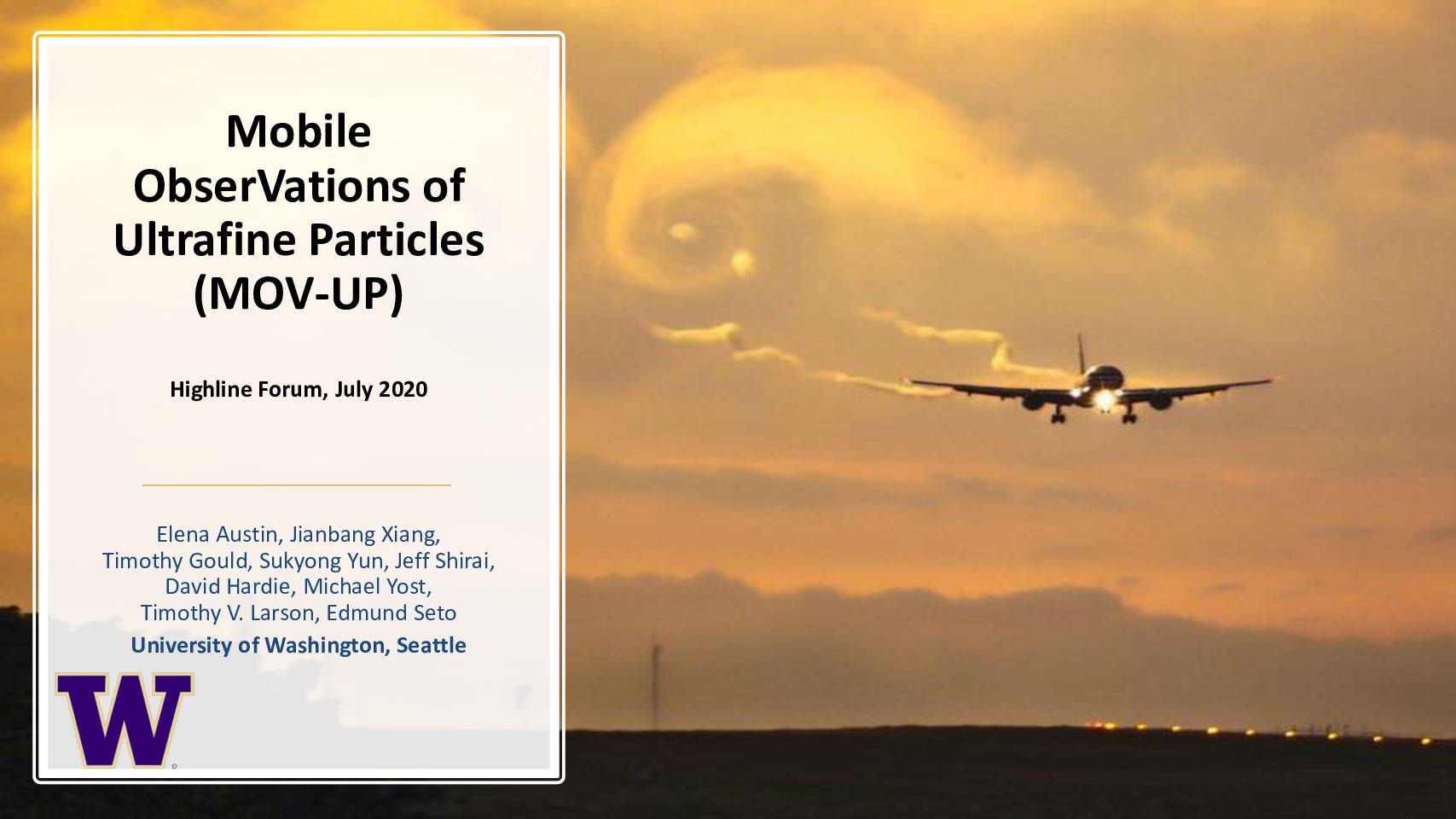
Mobile ObserVations of Ultrafine Particles (MOV-UP)
Researchers at the University of Washington conducted the MOV-UP study to measure ultrafine particle (UFP) pollution around Seattle-Tacoma International Airport and the neighborhoods affected by its air traffic. The study aimed to determine how much of the UFP exposure in surrounding communities comes specifically from jet aircraft, which emit extremely tiny particles (under 30 nanometers) along flight paths, versus other sources like diesel vehicles on nearby roads. Findings and community feedback were shared with local governments to inform air quality and noise policy decisions. -
 2020-04-01
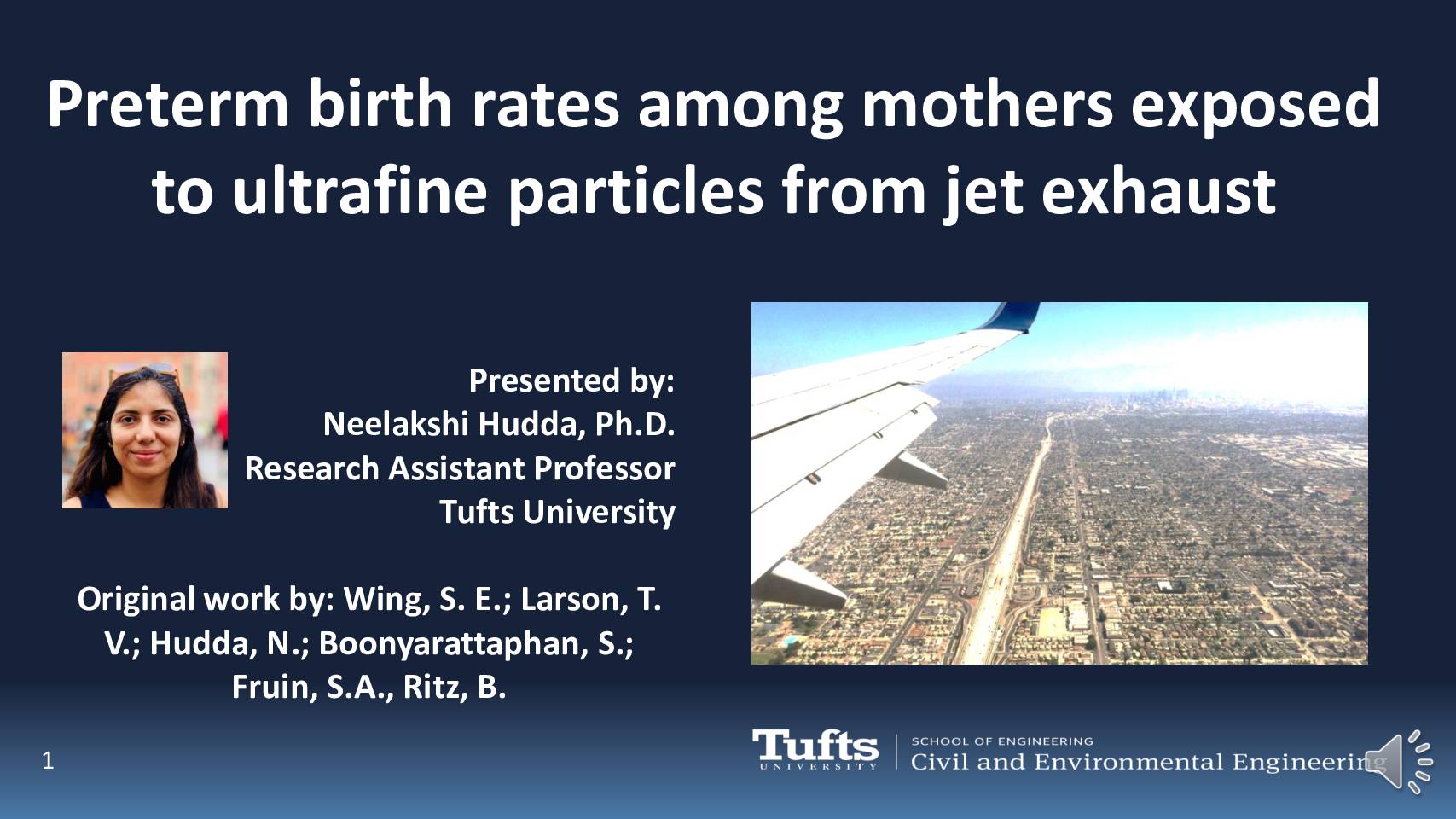
Preterm birth rates among mothers exposed to ultrafine particles from jet exhaust
A peer-reviewed study by researchers from Tufts, UCLA, USC, and the University of Washington found that mothers living near airports and exposed to ultrafine particles from jet exhaust face elevated rates of preterm birth. The research, published in Environmental Health Perspectives in 2020, is particularly relevant to communities near large airports like Sea-Tac, where millions of residents live within the impact zone of aircraft emissions. The findings carry significant environmental justice implications, as near-airport communities with high pollution exposure are often among the most vulnerable populations. -
Ultrafine particles: unique physicochemical properties relevant to health and disease
Hyouk-Soo Kwon, Min Hyung Ryu & Christopher Carlsten Experimental & Molecular Medicine volume 52, pages318–328 (2020)Cite this article 15k Accesses 98 Citations 82 Altmetric Metricsdetails Abstract Ultrafine particles (UFPs) are aerosols with an aerodynamic diameter of 0.1 µm (100 nm) or less. There is a growing concern in the public health community about the contribution of UFPs to human health. Despite their modest mass -
 2020-03-17
Special issue on ultrafine particles: where are they from and how do they affect us?
This editorial introduces a special journal issue examining ultrafine particles (UFPs) — tiny airborne pollutants less than 100 nanometers in diameter produced by fossil fuel combustion, industrial emissions, and other sources. The articles covered explain how UFPs can enter the body through the lungs and travel to virtually all organs, contributing to respiratory disease, cardiovascular problems, diabetes, cancer, and neurological effects. The editors emphasize that while UFPs pose significant health risks, their precise role in many illnesses remains poorly understood, calling for urgent global research into their sources and health impacts. -
 2020-01-01
The health effects of ultrafine particles
Review article by Dean E. Schraufnagel published in Experimental & Molecular Medicine (2020) 52:311–317, DOI 10.1038/s12276-020-0403-3, examining the health effects of ultrafine particles (PM0.1, also called nanoparticles). Covers PM0.1 sources (traffic exhaust, welding, forest fires, cooking, tobacco smoke), absorption and retention in the lung, translocation to distal organs, pulmonary inflammation, metal fume fever, cardiovascular disease, -
 2020-01-01
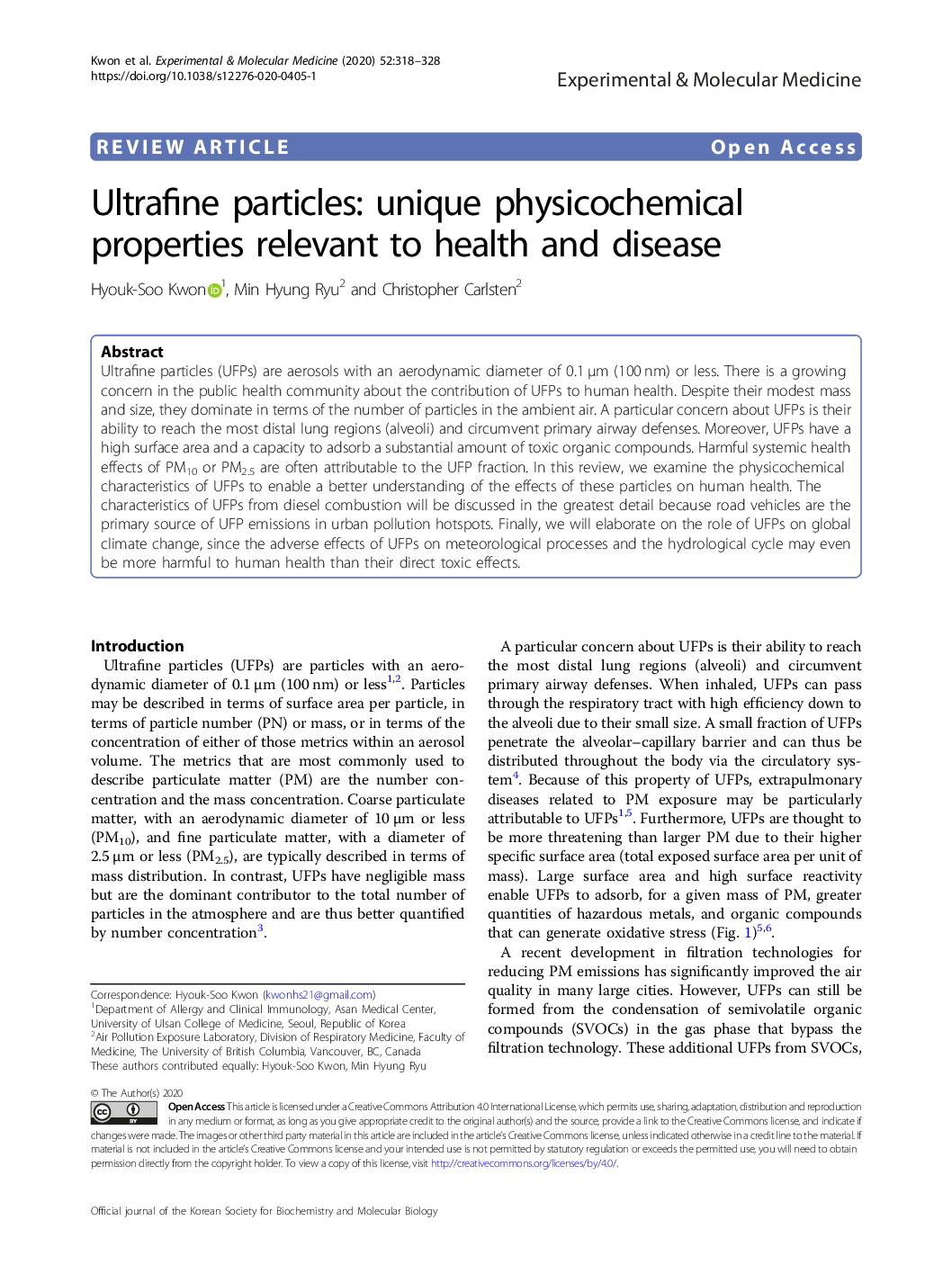
Ultrafine particles: unique physicochemical properties relevant to health and disease
Ultrafine particles (UFPs) are tiny airborne particles 100 nanometers or smaller, produced primarily by diesel combustion from road vehicles. Despite their negligible mass, they vastly outnumber larger particles in the air, can penetrate deep into the lungs and enter the bloodstream, and carry toxic compounds that pose serious health risks. Their emissions also affect rainfall patterns and climate, potentially causing broader public health impacts beyond their direct effects on the human body. -
 2020-01-01
The health effects of ultrafine particles
Review article by Dean E. Schraufnagel published in Experimental & Molecular Medicine (2020) 52:311–317, DOI 10.1038/s12276-020-0403-3, examining the health effects of ultrafine particles (PM0.1, also called nanoparticles). Covers PM0.1 sources (traffic exhaust, welding, forest fires, cooking, tobacco smoke), absorption and retention in the lung, translocation to distal organs, pulmonary inflammation, metal fume fever, cardiovascular disease, -
 2020-01-01
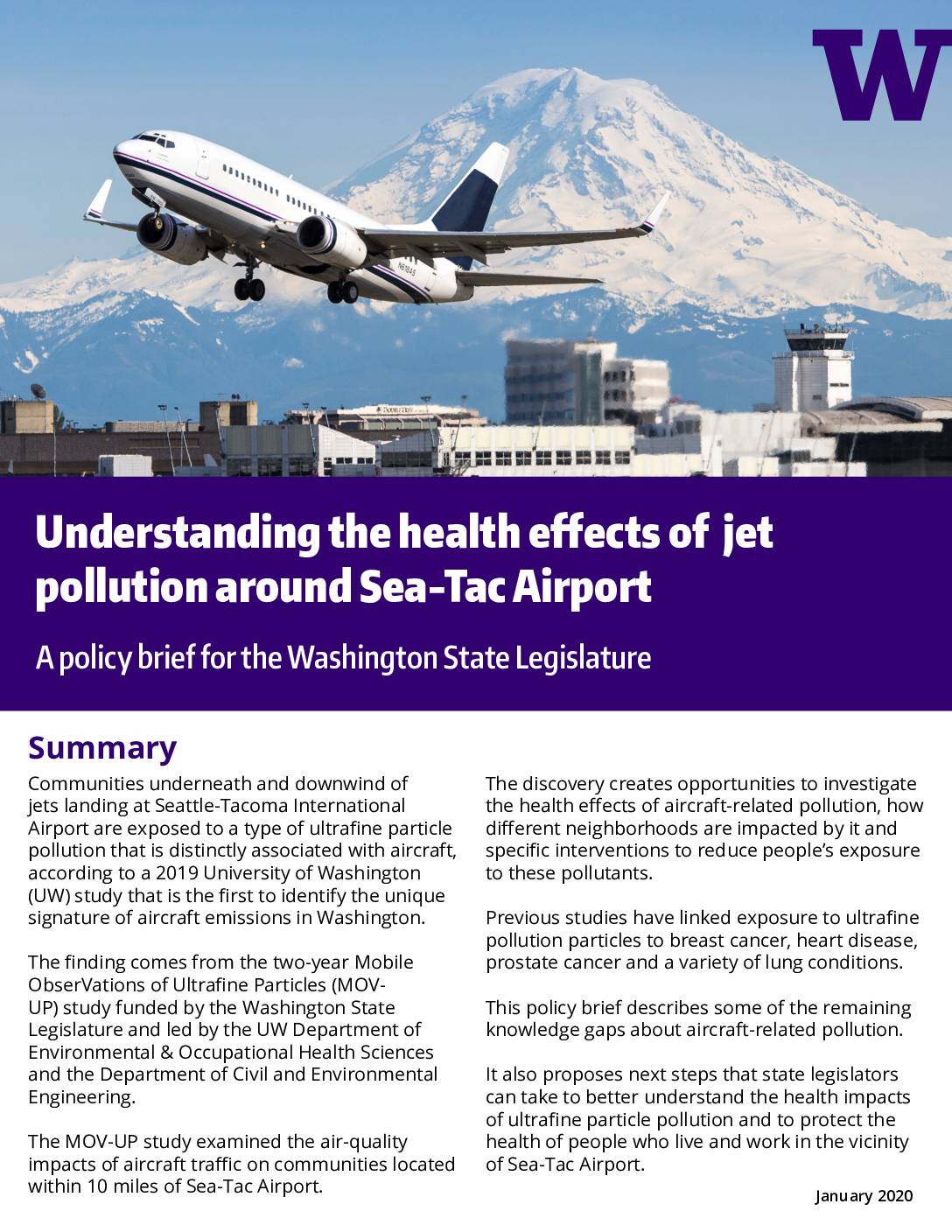
Understanding the health effects of jet pollution around Sea-Tac Airport
A 2019 University of Washington study found that communities within 10 miles of Seattle-Tacoma International Airport are exposed to ultrafine particle pollution uniquely linked to aircraft emissions, distinct from roadway traffic pollution. These microscopic particles — 700 times thinner than a human hair — are not currently regulated by federal or state air-quality standards, and prior research has associated them with breast cancer, heart disease, prostate cancer, and lung conditions. The policy brief calls on Washington State legislators to fund a follow-up two-year study to investigate the health impacts on nearby communities, which tend to be poorer and more racially diverse than King County as a whole. -
The toxic killers in our air too small to see
Current pollution meters don’t count the very smallest pollutants – nanoparticles. Recent research suggests these tiny toxic substances could be a major cause of illness and death. By Tim Smedley 15th November 2019 A After years of headlines about air pollution, we’ve been misled on a few things about the world’s biggest environmental health problem. -
 2019-05-07
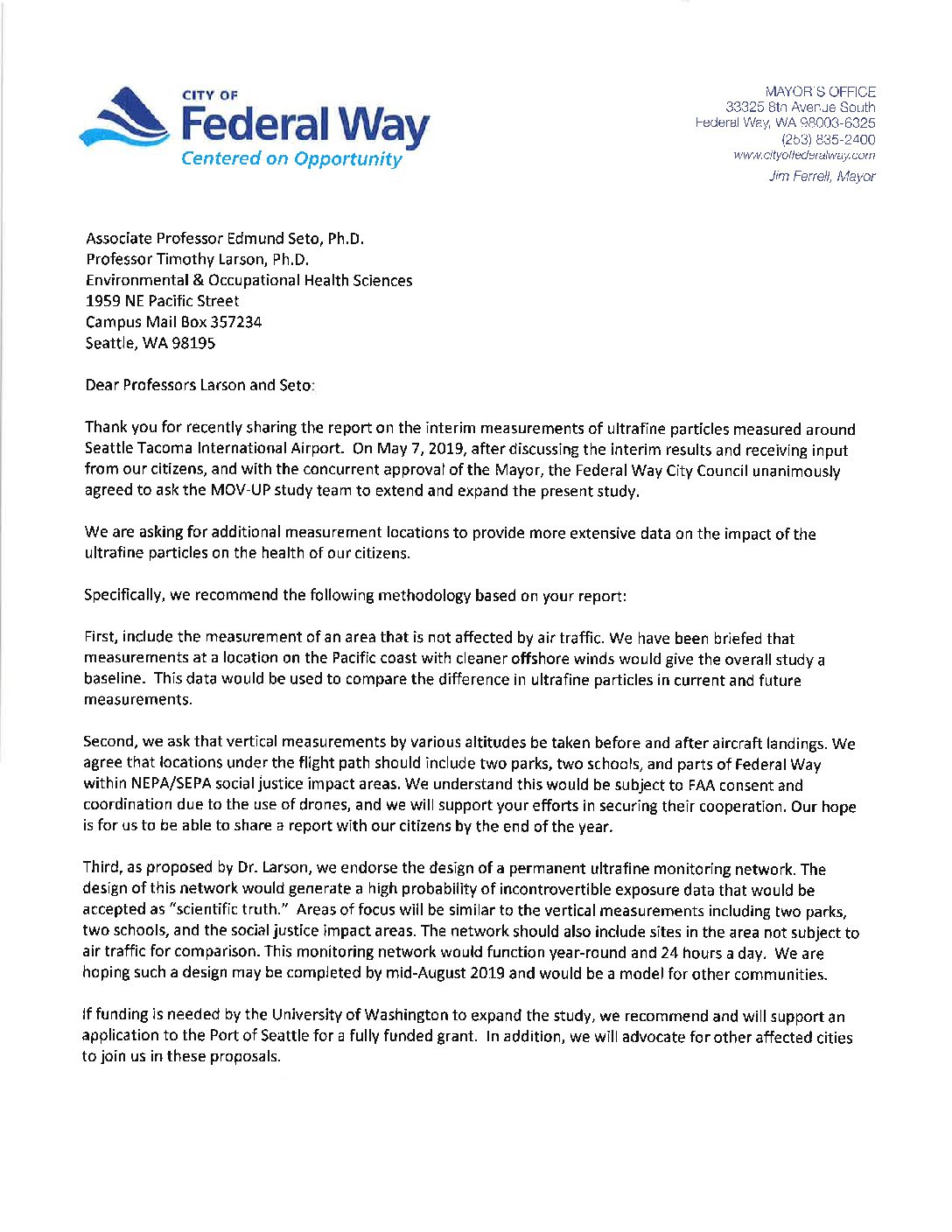
Federal Way Mayor and City Council Letter to UW Professors Larson and Seto Requesting Expansion of MOV-UP Ultrafine Particle Study Near Sea-Tac Airport
In May 2019, Federal Way Mayor Jim Ferrell and the unanimous City Council wrote to University of Washington researchers requesting an expansion of the MOV-UP study measuring ultrafine particle pollution around Seattle-Tacoma International Airport. The letter calls for three key additions: a baseline measurement site unaffected by air traffic, drone-based vertical air sampling before and after aircraft landings at parks, schools, and social justice impact areas, and the design of a permanent 24/7 ultrafine particle monitoring network. The city also offered to support a Port of Seattle grant application to fund the expanded research and pledged to encourage other affected communities to join the effort.