TagNoise(262)
-
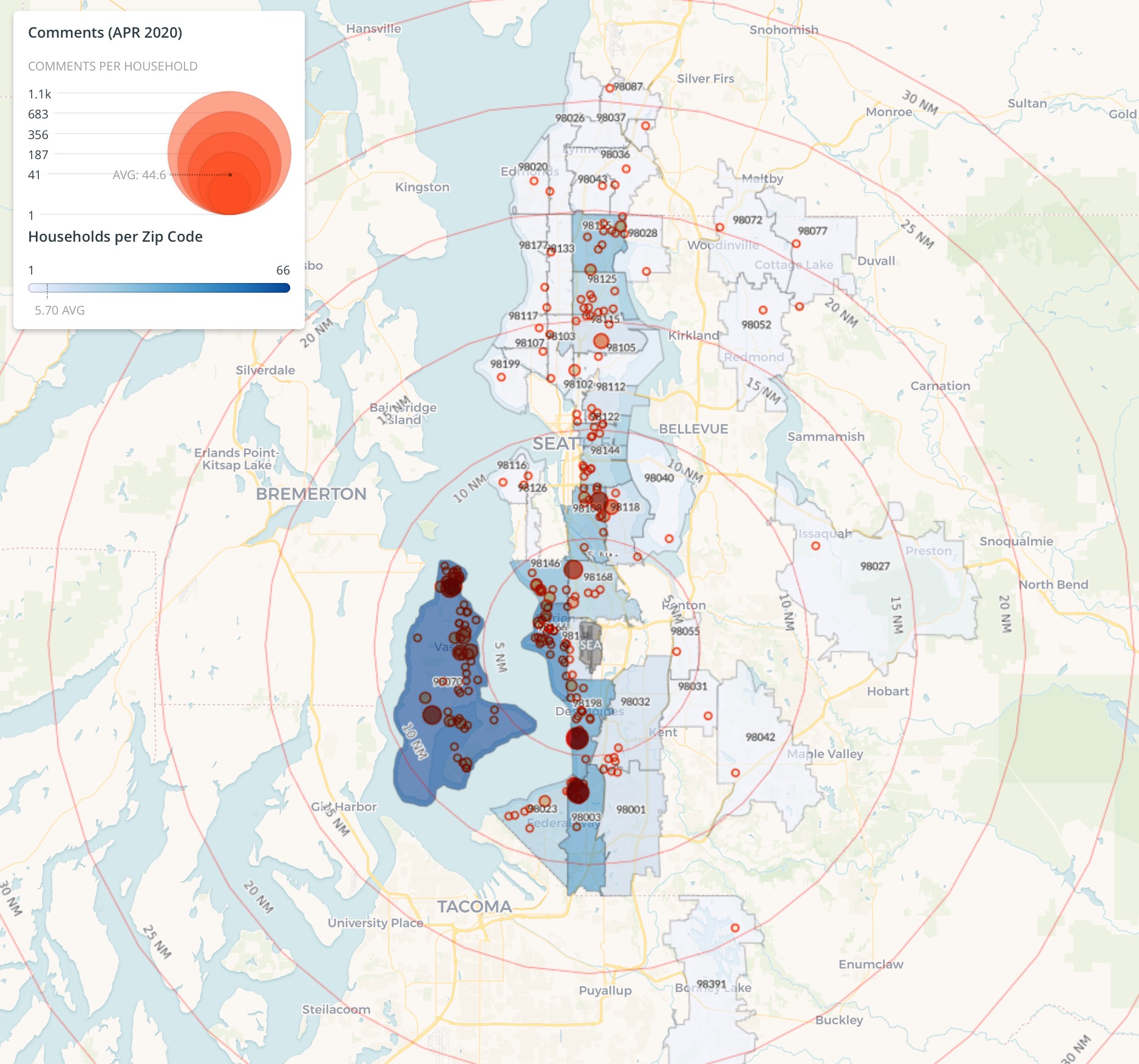
KSEA Noise Complaints by Zip Code April 2020
A geographic visualization mapping public comments received in April 2020 regarding Sea-Tac Airport noise, displayed as proportional circles (comments per household) overlaid on ZIP code boundaries across the Seattle-Tacoma metropolitan area. Concentric red rings indicate nautical-mile distances from Sea-Tac Airport, and a blue choropleth layer shows households per ZIP code, with an average of 5.70 households and comment rates averaging 44.6 per household. -
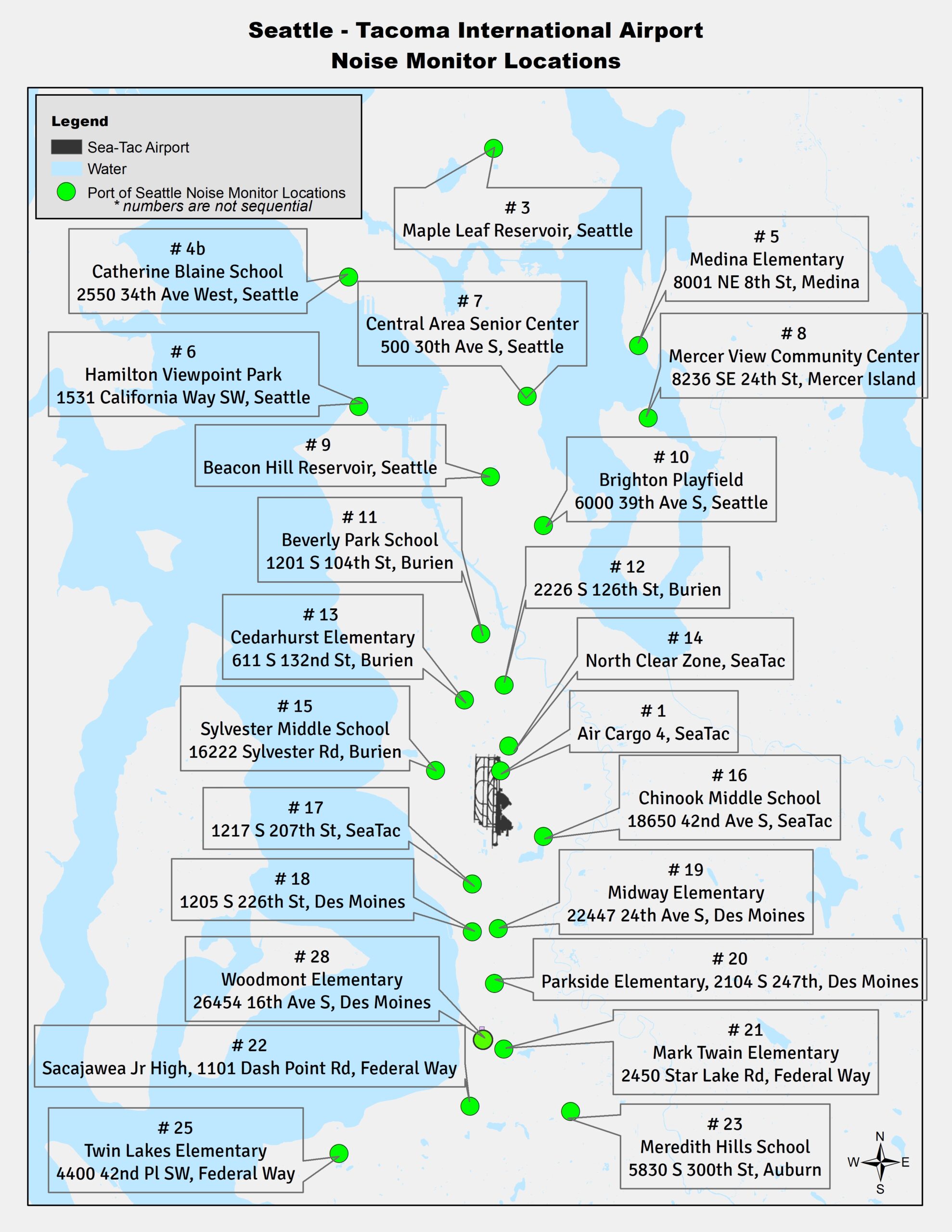
Permanent Noise Monitor Locations as of 2020
A map published by the Port of Seattle showing the locations of 25 noise monitoring stations surrounding Seattle-Tacoma International Airport (Sea-Tac). Monitoring sites span multiple communities including Seattle, Burien, SeaTac, Des Moines, Federal Way, Medina, Mercer Island, and Auburn, with each location identified by a number and street address. -
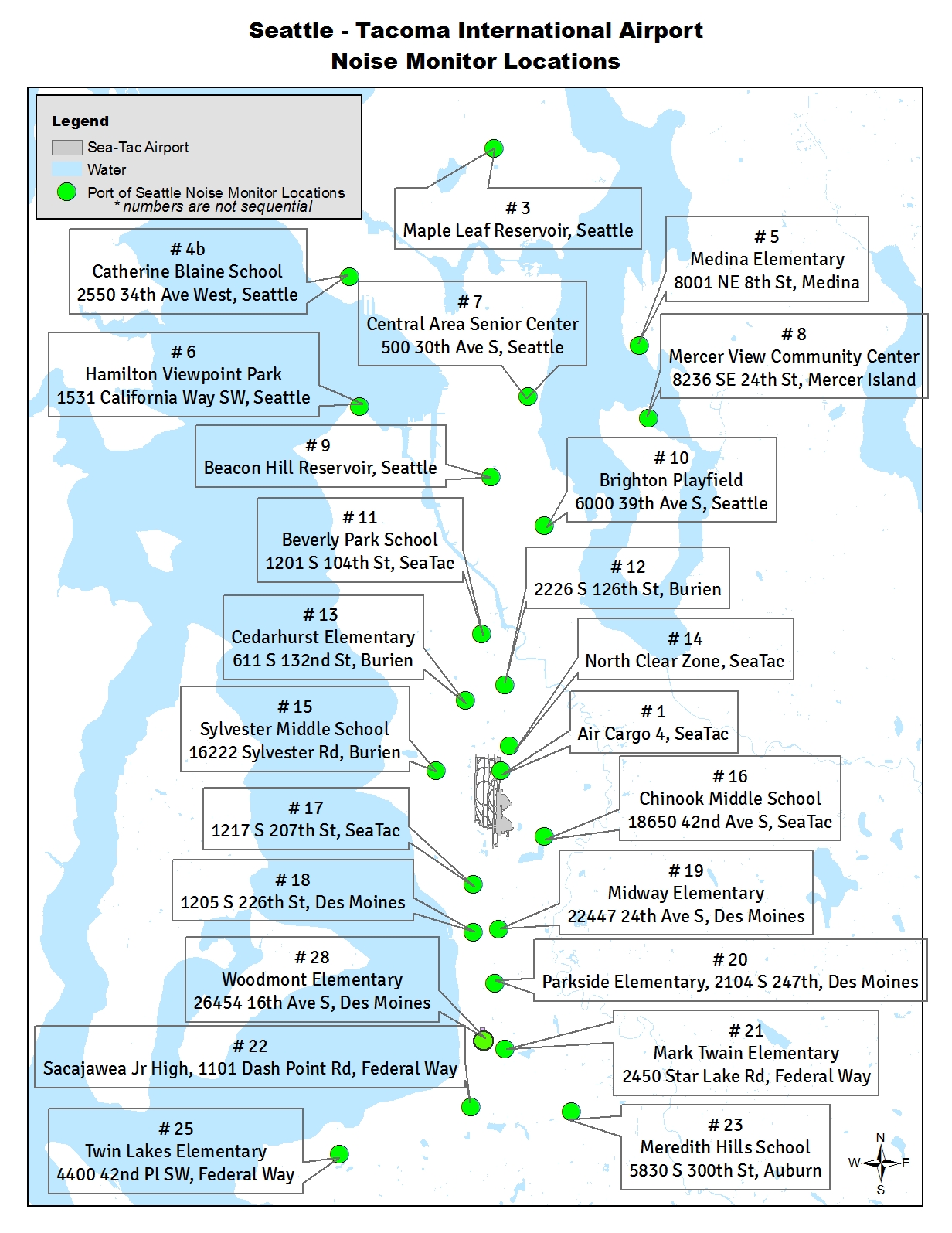
NMT locations as of 2018
A map published by the Port of Seattle showing the locations of 25 numbered noise monitoring stations surrounding Seattle-Tacoma International Airport (Sea-Tac). Monitoring sites span communities including Seattle, Burien, SeaTac, Des Moines, Mercer Island, Medina, Federal Way, and Auburn, with specific addresses provided for each location. -
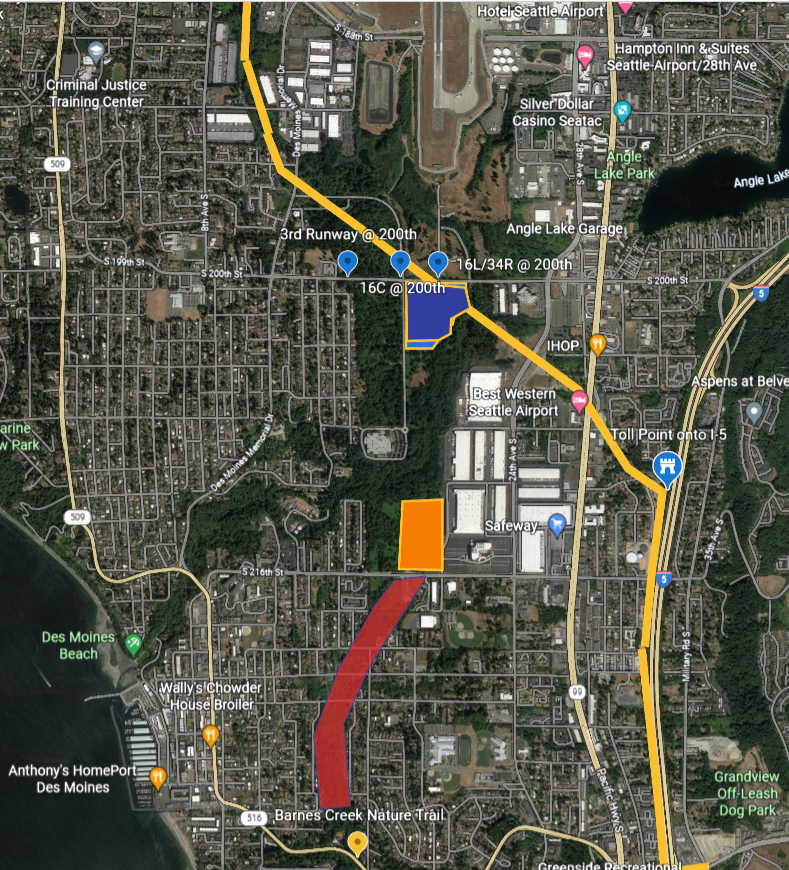
sr509 earth (2)
Satellite map of the SeaTac/Des Moines, Washington area showing Seattle-Tacoma International Airport and surrounding neighborhoods, with color-coded overlays marking specific runway corridor points labeled '3rd Runway @ 200th,' '16C @ 200th,' and '16L/34R @ 200th,' along with orange and red highlighted zones near S 216th Street suggesting noise impact or land-use study areas. Visible landmarks include Angle Lake, Best Western Seattle Airport, IHOP, Safeway, Barnes Creek Nature Trail, and Interstate 5. -
 2022-03-29
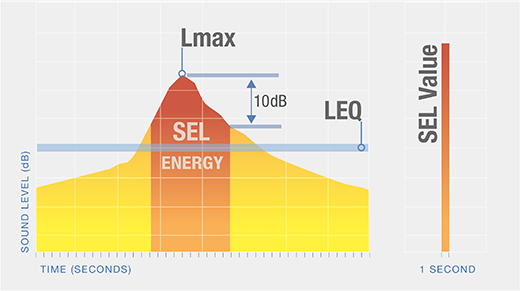
Fundamentals of Noise and Sound | Federal Aviation Administration
Noise Metrics Noise Contours Sound is energy transferred through the air that our ears detect as small changes in air pressure. The more energy put into making a sound, the louder it will be. Try whispering. Then yell. You can feel how much more energy goes into yelling. Noise is sound that is unwanted. Some -
Lawmakers examine FAA response to aviation noise, say more public outreach is needed
The number of people affected by loud aircraft has declined significantly over the past several decades Lori Aratani March 17, 2022 at 7:08 p.m. EDT A Southwest Airlines jet takes off from BWI Marshall Airport. (Katherine Frey/The Washington Post) Federal Aviation Administration officials told lawmakers Thursday that they have improved efforts to work with communities -
 2022-01-01
Environmental noise: compendium of WHO and other UN guidance on health and environment, 2022 update
★ 32A 2022 World Health Organization report on environmental noise outlines the health risks posed by traffic, aircraft, and leisure noise, including increased risk of heart disease, sleep disturbance, and hearing impairment. The report recommends that aircraft noise levels stay below 45 dB for average exposure and below 40 dB at night to protect public health. It also defines mitigation strategies ranging from reducing noise at the source to behavior change and community education. -
 2021-09-27
Federal airport noise regulations and programs
This Congressional Research Service report explains how the federal government regulates aircraft noise around U.S. airports, primarily through two FAA programs: a voluntary noise compatibility planning program (Part 150) and a framework governing noise-based access restrictions (Part 161). It also highlights a key policy debate around whether the longstanding DNL 65 decibel threshold for 'significant' noise is still appropriate, given newer FAA survey data suggesting communities are significantly annoyed at much lower noise levels. The report is relevant to ongoing discussions about updating federal aviation noise standards ahead of the expected 2023 FAA reauthorization. -
 2021-07-12
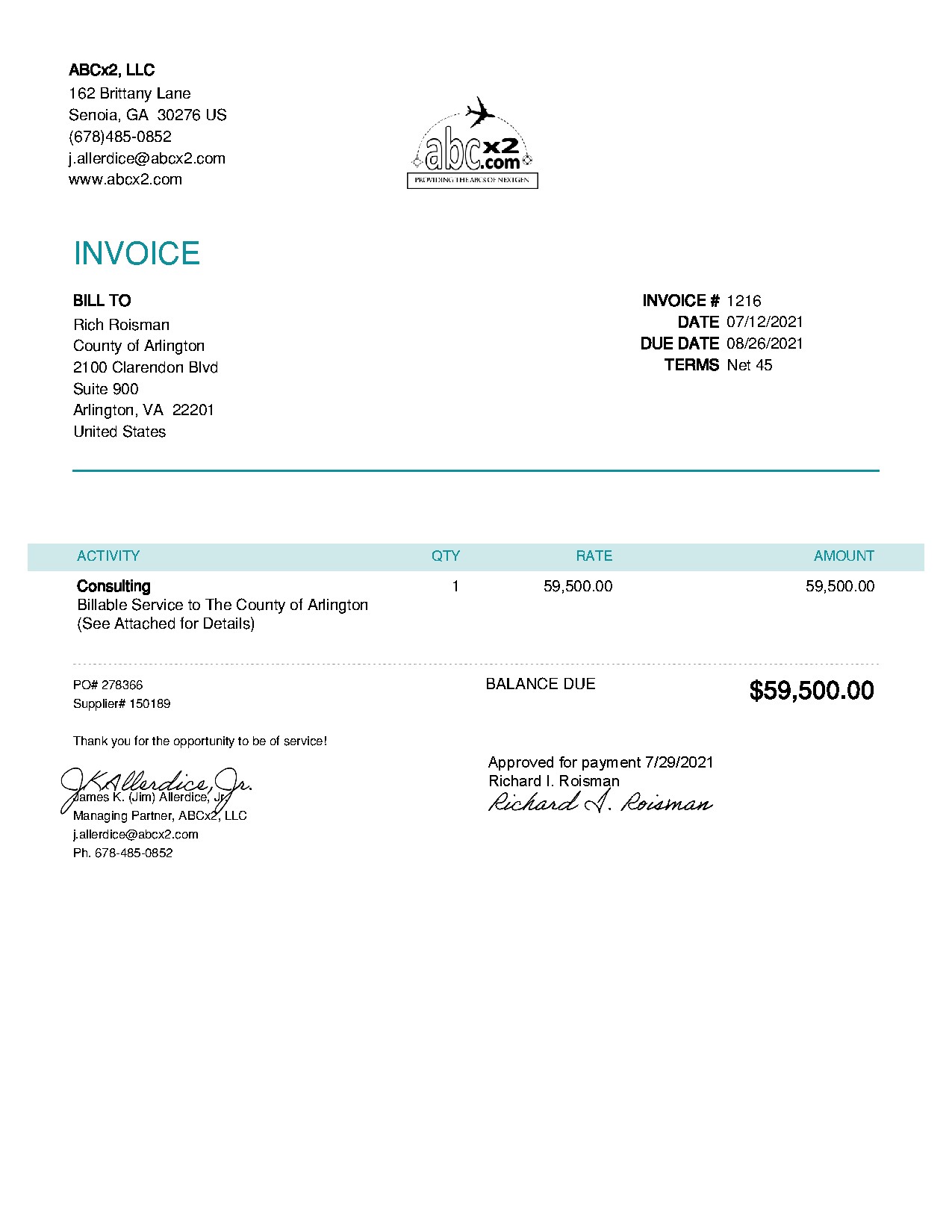
ABCx2, LLC invoice #1216 and monthly status report for Arlington Phase II Project
This document consists of an invoice and supporting monthly status report from ABCx2, LLC, a consulting firm, billing Arlington County $59,500 for consulting services performed between April and June 2021. The work, carried out by team members Jim, Jason, and Tim, focused on airplane noise analysis and community engagement efforts related to DCA (Ronald Reagan Washington National Airport), including TAA test data reviews, NOA (Notice of Arrival) presentation preparation, and community working group meetings. The invoice, dated July 12, 2021, was approved for payment on July 29, 2021 by Arlington County's Richard I. Roisman. -
2021-06-29
Cutting Through All the Noise
How the FAA is Working to Reduce the Impact of Aircraft Noise FAA Safety Briefing By Tom Hoffmann, FAA Safety Briefing Managing Editor Growing up in a neighborhood just over a mile north of JFK Airport’s Runway 22R/L, I know a thing or two about aircraft noise. We’re talking about the mid-1970s too, when 707s,