TagMap(38)
-
 2022-11-10 19:20
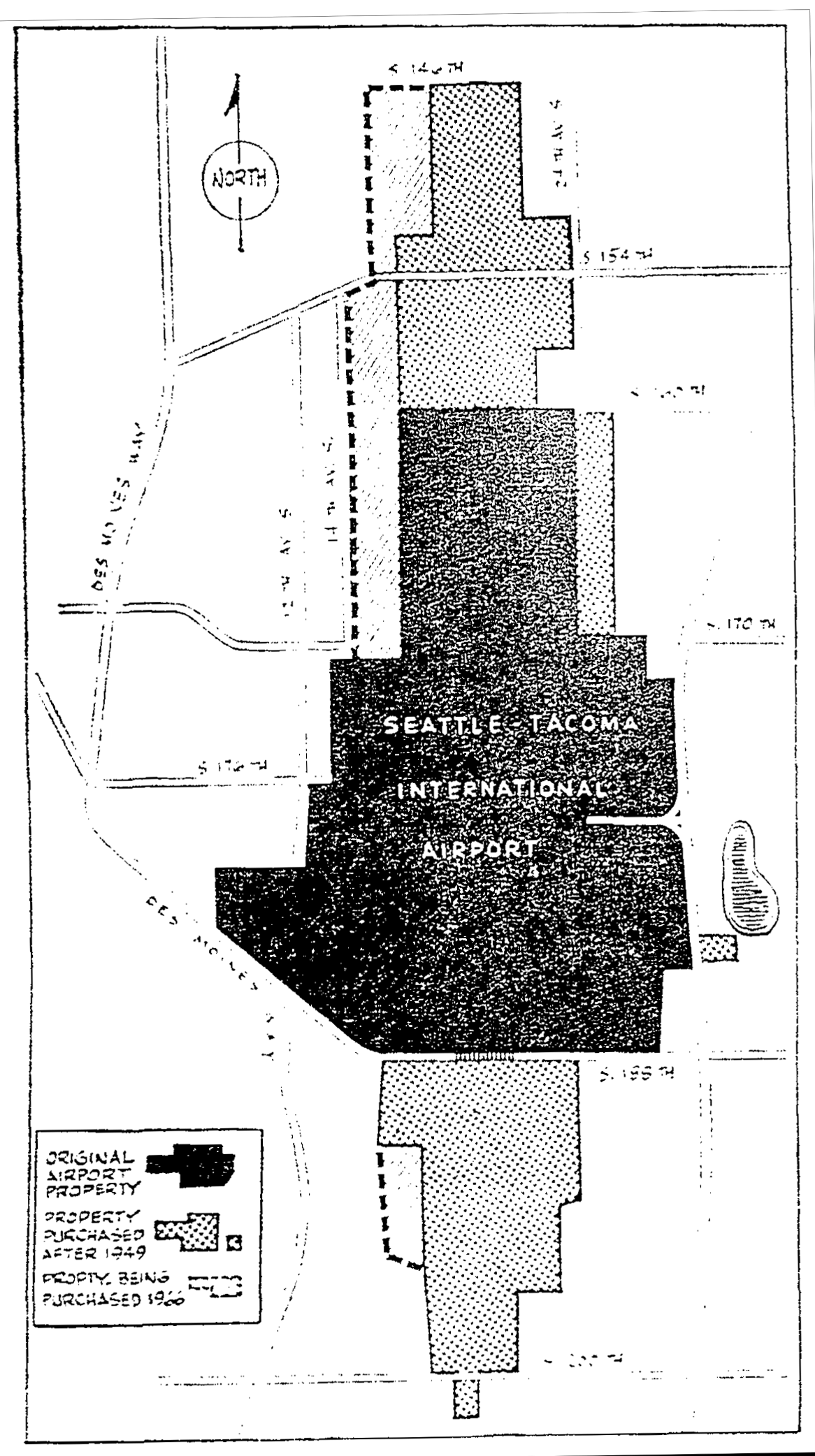
Seattle Times – Airport Property Purchases, April 17, 1966
-
 2022-09-02 21:22
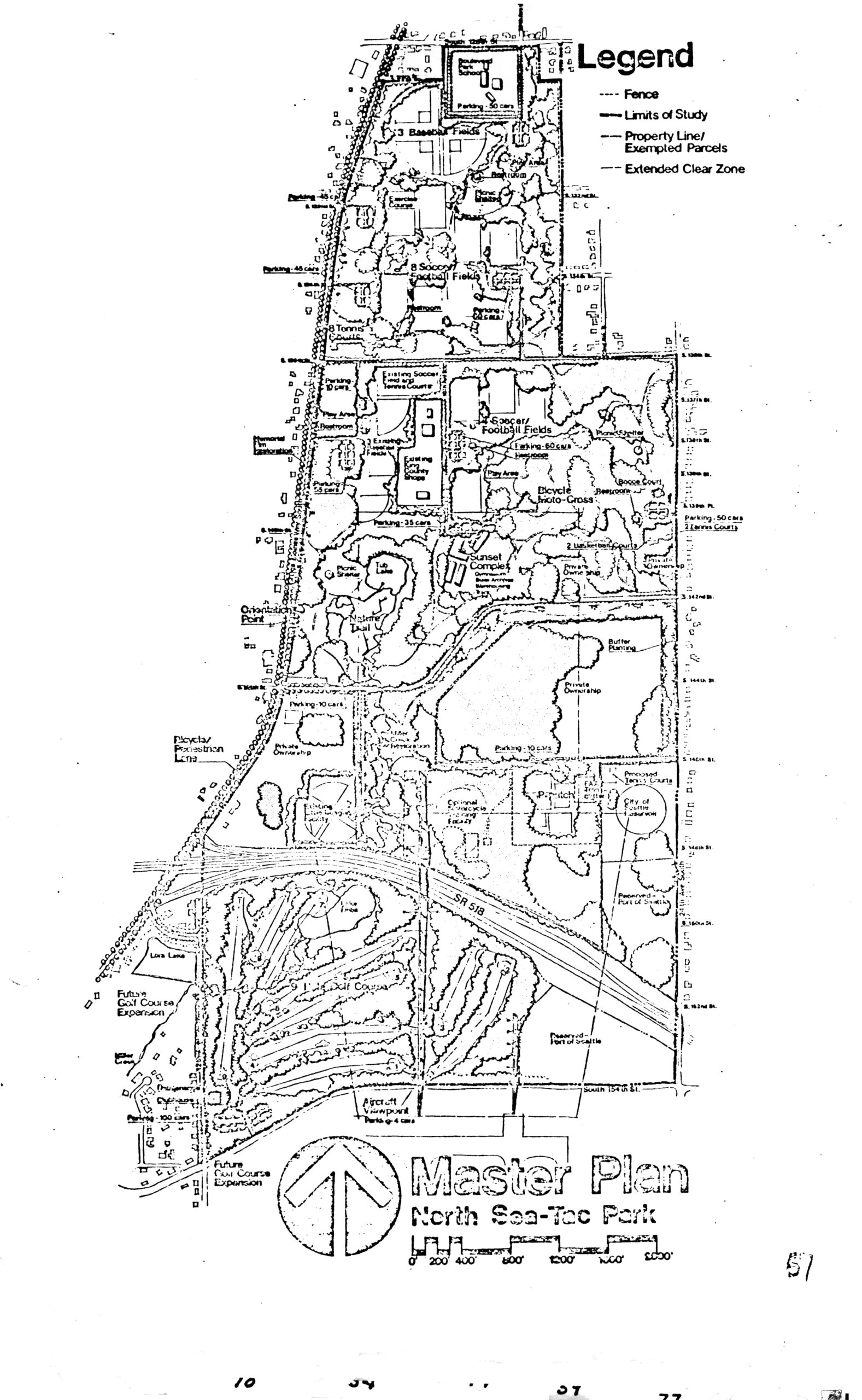
North Sea-Tac Park Master Plan (v51) hi-res
-
 2022-08-24 10:01
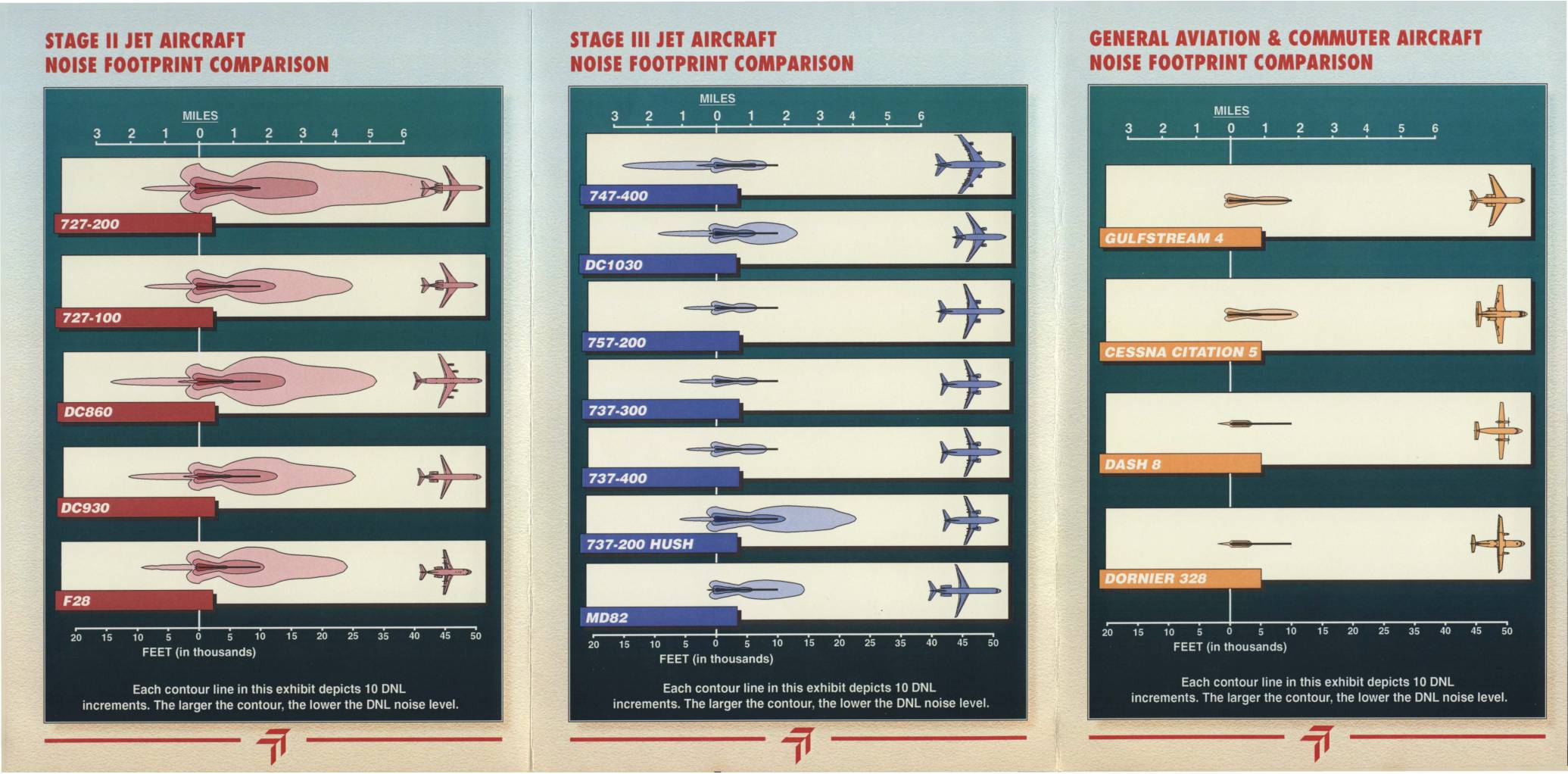
Commercial Aircraft Noise Footprint Comparison-SimpleScanStation20220823204417
area, the Port of Seattle recognizes its responsibility to address noise problems caused by Sea-Tac's aircraft operations. For this reason, Sea-Tac maintains a progressive aircraft noise abatement program that contains a number of features. Most significant, however, is the measurable noise relief that will come with decreased use of the Stage II aircraft. With this brochure, we would like to provide residents with an understanding of noise impacts associated with different types of aircraft using Sea-Tac Airport. The graphics illustrate the noise difference between Stage II and Stage ill aircraft, as well as provide information on common commuter aircraft used at Sea-Tac. EXPLANATION OF THE NOISE FOOTPRINT GRAPHICS The footprints in this brochure show the noise difference between types of aircraft and the difference between daytime and nighttime operations. In the illustrations, each interior contour line depicts a 10 DNL increase in noise over the outer contour with the outer contour depicting 65 DNL for a single nighttime operation, or 55 DNL for a single daytime operation. WHAT IS DNL? "DNL" (Day-Night Average Sound Level) is the primary metric used by most Federal agencies and airports in assessing aircraft noise exposure. It is based on sound levels measured in decibels. A decibel is a unit of measurement expressing the relative intensity of sound. The higher the decibel level, the louder the sound. DNL shows the cumulative effect of single noise events over a twenty-four hour period. Nighttime noise from 10 p.m. to 7 a.m. has a penalty of a 10… -
 2022-07-28 02:36
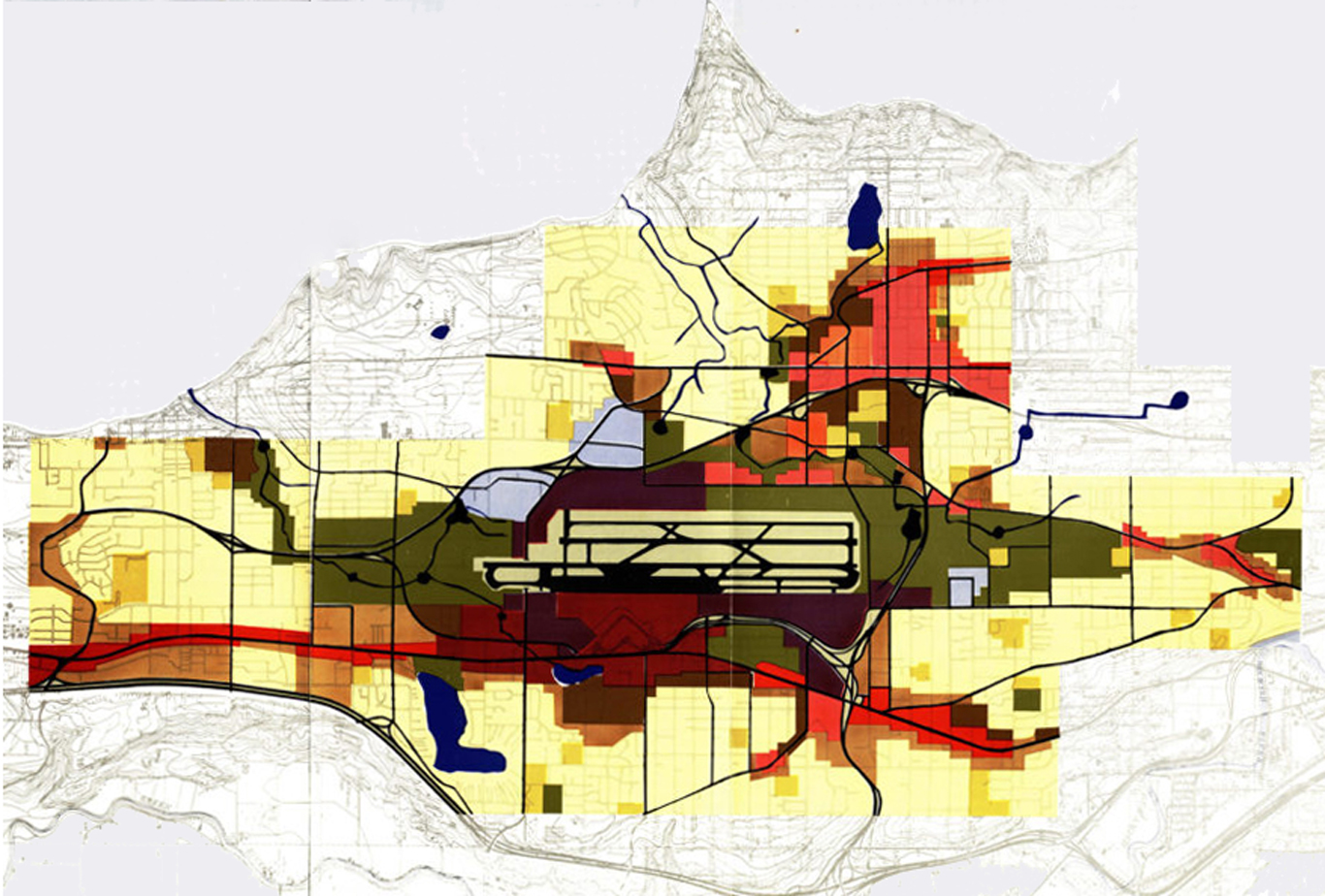
Sea-Tac Compatible Plan – Noise Impact Land Use Map
Color-coded land use compatibility map from the Sea-Tac Compatible Plan (STCP), showing noise impact zones radiating from Sea-Tac runways. Yellow through dark red zones indicate increasing noise exposure and land use restrictions. -
 2022-03-03 02:08
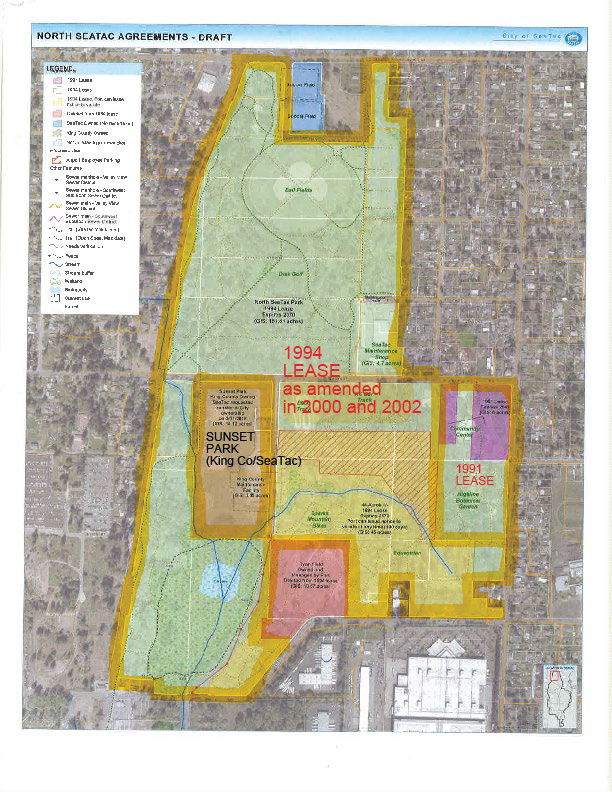
North SeaTac Park Lease Map
-
2021-08-04 11:10
Topographic Map.com (King County)
Topographic Map is a free Internet site that aggregates content from ESRI and OpenStreetMaps to create heat maps for given areas. This particular image shows the plateau (partially man-made) on which the airport sits. -
 2019-03-29 22:21
Sea-Tac Airport Key Map (2016)
Port of Seattle Lease Boundary Non Port Property Zone Matchline Aerial Photo Taken Spring 2012 Airfield CommercialTerminal South of 200th South Airfield of Proposed SR 509 (APPROXIMATE) inch = 2,000 feet Date Published: 06-15-2014 North of Airfield Available for Redevelopment Port of Seattle Property Airport Key Map Disclaimer: This map is for general reference only. Data Layers that appear on this map may or may not be accurate, current, or otherwise reliable. THIS MAP IS NOT TO BE USED FOR NAVIGATION. Auburn -
 2019-02-20 12:59
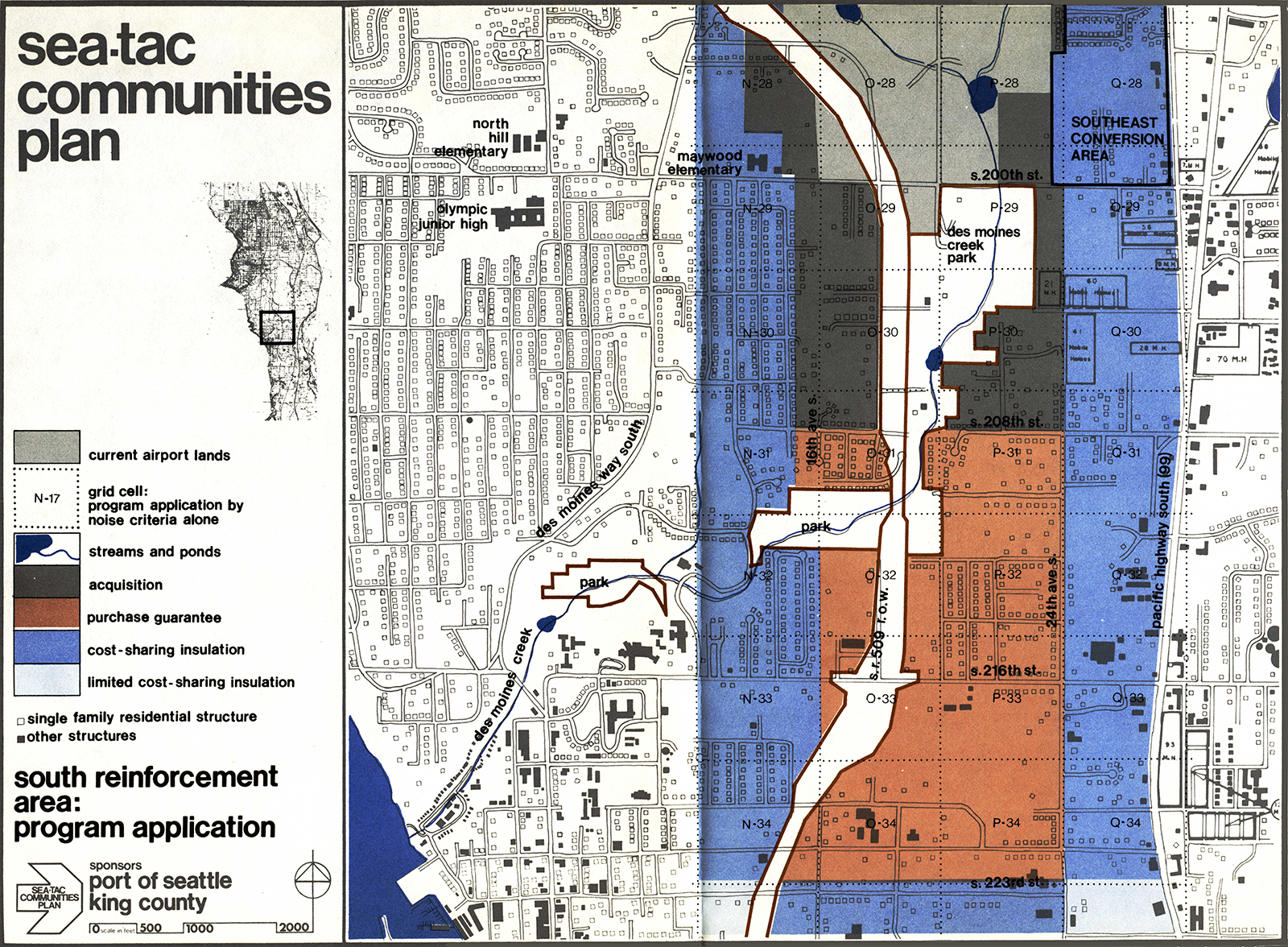
Sea-Tac Communities Plan Chapter 6 Maps (South Reinforcement Area, Program Application)
This is an excerpt from Chapter 6.6.5 of the Sea-Tac Communities Plan (1976). ‘Reinforcement’ was one of three types of planning that were considered. It refers to efforts to strengthen the existing community to be more compatible with the airport through the techniques of property buyouts (to create a noise buffer) and sound insulation. -
2018-12-24 00:36
National Transportation Noise Map (dot.gov)
-
 2018-12-17 00:00
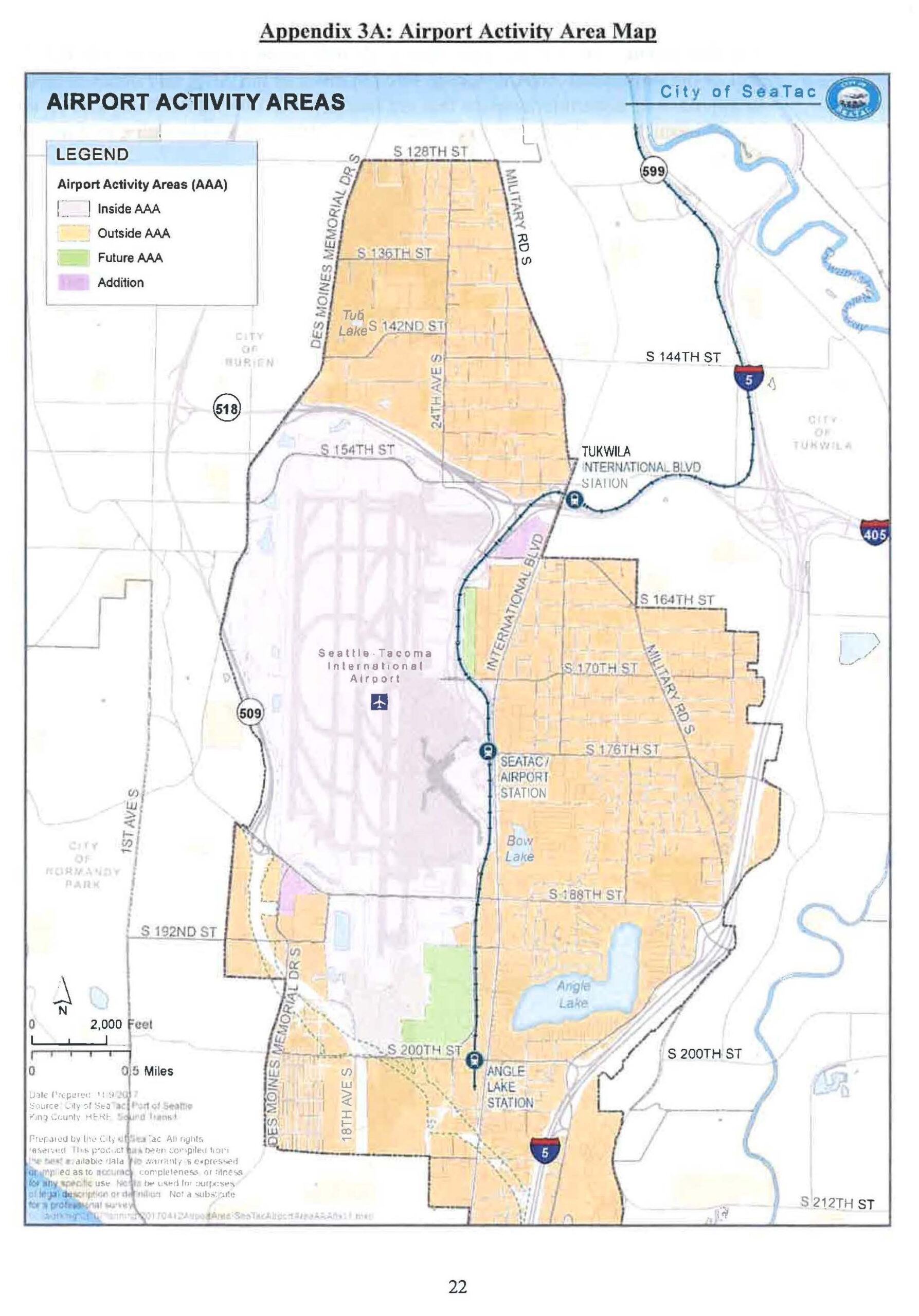
ILA SeaTac 2018 Pg 22 Airport Activity Areas