TagEPA(100)
-
 2025-02-24
Trump administration environmental-justice-related executive orders: potential implications for EPA programs
This Congressional Research Service report explains how President Trump's 2025 executive orders revoked earlier Clinton and Biden administration environmental justice policies and directed federal agencies, including the EPA, to close environmental justice offices and end related programs. The report outlines which specific EPA programs and activities may be affected, such as grant programs, screening tools, and interagency councils. It also notes that while the executive orders change agency priorities, they do not override existing federal pollution control laws that Congress has established. -
 2025-01-14
Aviation Noise and Emissions Mitigation Act: Fact Sheet
The Aviation Noise and Emissions Mitigation Act, introduced by Rep. Adam Smith (WA-09), aims to help communities near airports — including those around Sea-Tac — deal with the health risks posed by aviation noise and air pollution. The bill would create two EPA grant programs: one funding research and neighborhood-level monitoring of noise and emissions, and another supporting mitigation efforts such as home soundproofing, public health programs, and healthcare services for affected residents. The legislation responds to studies linking airport emissions to increased risks of cancer, heart disease, and asthma, as well as findings that aircraft noise negatively affects children's learning. -
 2025-01-07
Aviation Noise and Emissions Mitigation Act (H.R. __, 119th Congress, 1st Session)
The Aviation Noise and Emissions Mitigation Act, introduced in the 119th Congress by Rep. Smith of Washington, would direct the EPA to establish a 3-year pilot grant program to measure aircraft and airport noise and emissions—including greenhouse gases, particulate matter, and ultrafine particles—in communities near airports and flight paths. Grant recipients would use advanced monitoring technology to trace pollution to specific sources, produce neighborhood- and ZIP Code-level data, and work with local agencies and community organizations to develop mitigation strategies. The program is designed to be replicable nationwide, with a focus on identifying and protecting frontline and disproportionately impacted communities. -
 2024-12-02
EPA Region 10 Letter to Port Of Seattle: Review of FAA Draft Environmental Assessment for Sea-Tac Airport SAMP Near Term Projects
The U.S. EPA reviewed the Federal Aviation Administration's draft environmental assessment for Sea-Tac Airport's near-term expansion projects, which include a new second terminal, cargo facilities, and other infrastructure planned through 2032. The EPA raised concerns about disproportionate health and environmental impacts on surrounding communities, noting that air quality indicators such as diesel particulate matter and nitrogen dioxide already exceed the 80th state percentile in the project area. The agency recommends that the final assessment more thoroughly address environmental justice, air quality, climate change, and wetlands impacts on these overburdened neighborhoods. -
 2024-10-24
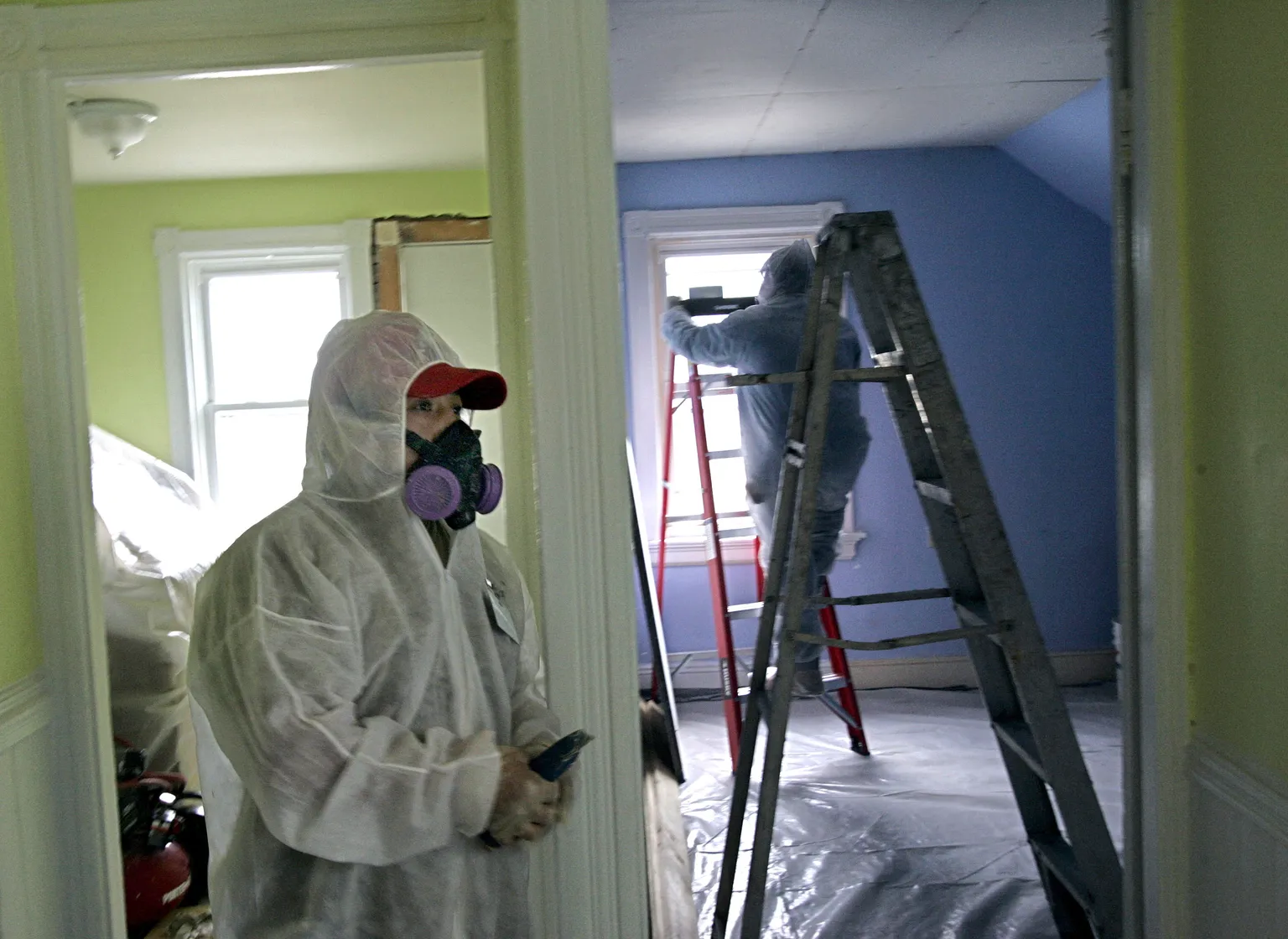
EPA imposes stricter standards to protect children from exposure to lead paint
Oct. 24, 2024 at 2:04 am Updated Oct. 24, 2024 at 2:33 pm 1 of 2 | FILE – Contractors Luis Benitez, foreground, and Jose Diaz, background, clean up lead paint in a contaminated building, Feb. 23, 2006, in Providence, R.I. (AP Photo/Chitose Suzuki) By MATTHEW DALY The Associated Press WASHINGTON (AP) — Two weeks -
 2024-05-11
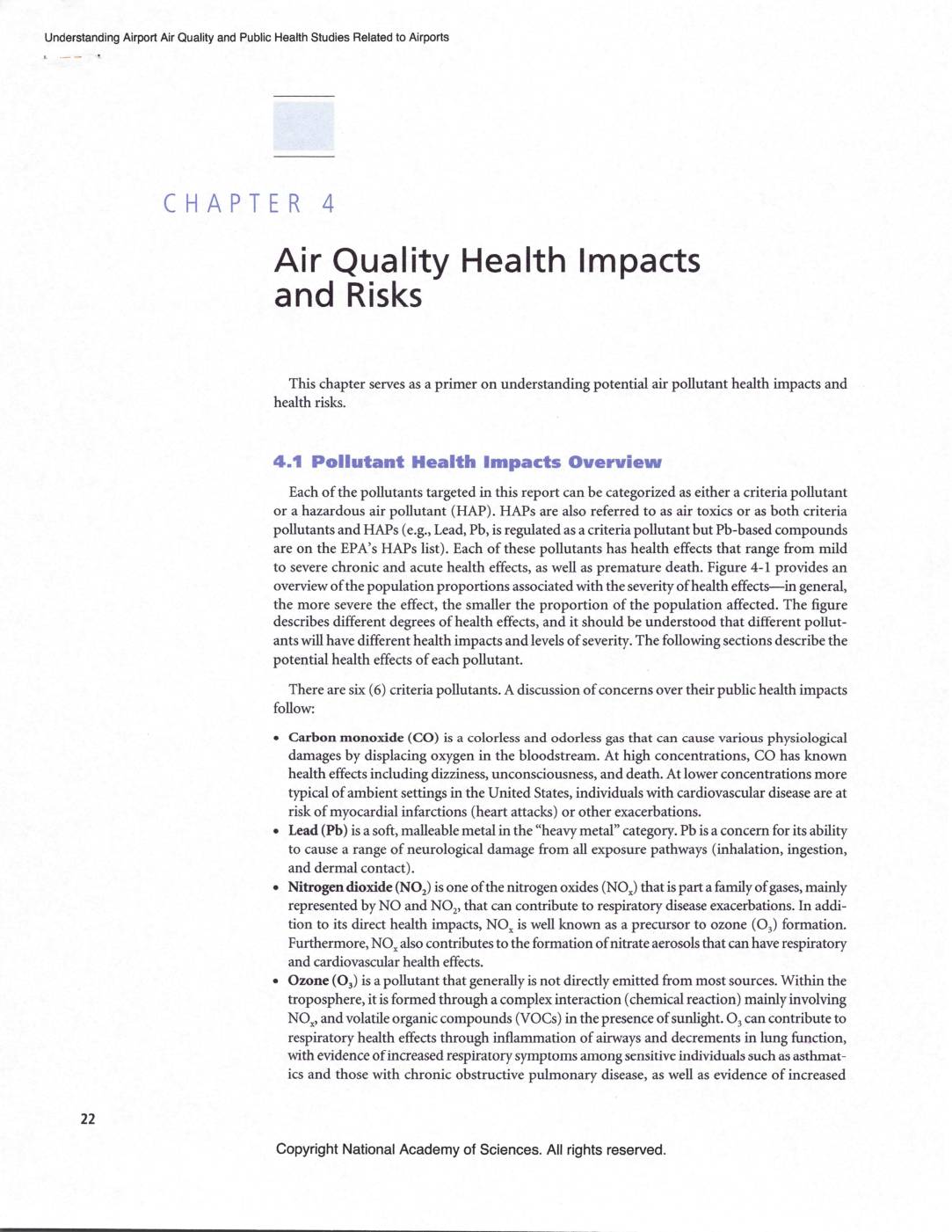
Understanding airport air quality and public health studies related to airports: Chapter 4 – Air quality health impacts and risks
This chapter explains the health risks associated with air pollutants commonly found near airports, including both criteria pollutants like carbon monoxide, lead, and particulate matter, and hazardous air pollutants like volatile organic compounds and polycyclic aromatic hydrocarbons. It describes how these pollutants can cause a range of health effects, from mild irritation to serious conditions such as respiratory disease, cardiovascular illness, and cancer. Smaller particulate matter is highlighted as a particular concern near airports, as it can penetrate deeper into the lungs and occurs at higher concentrations near aircraft operations. -
 2024-02-12
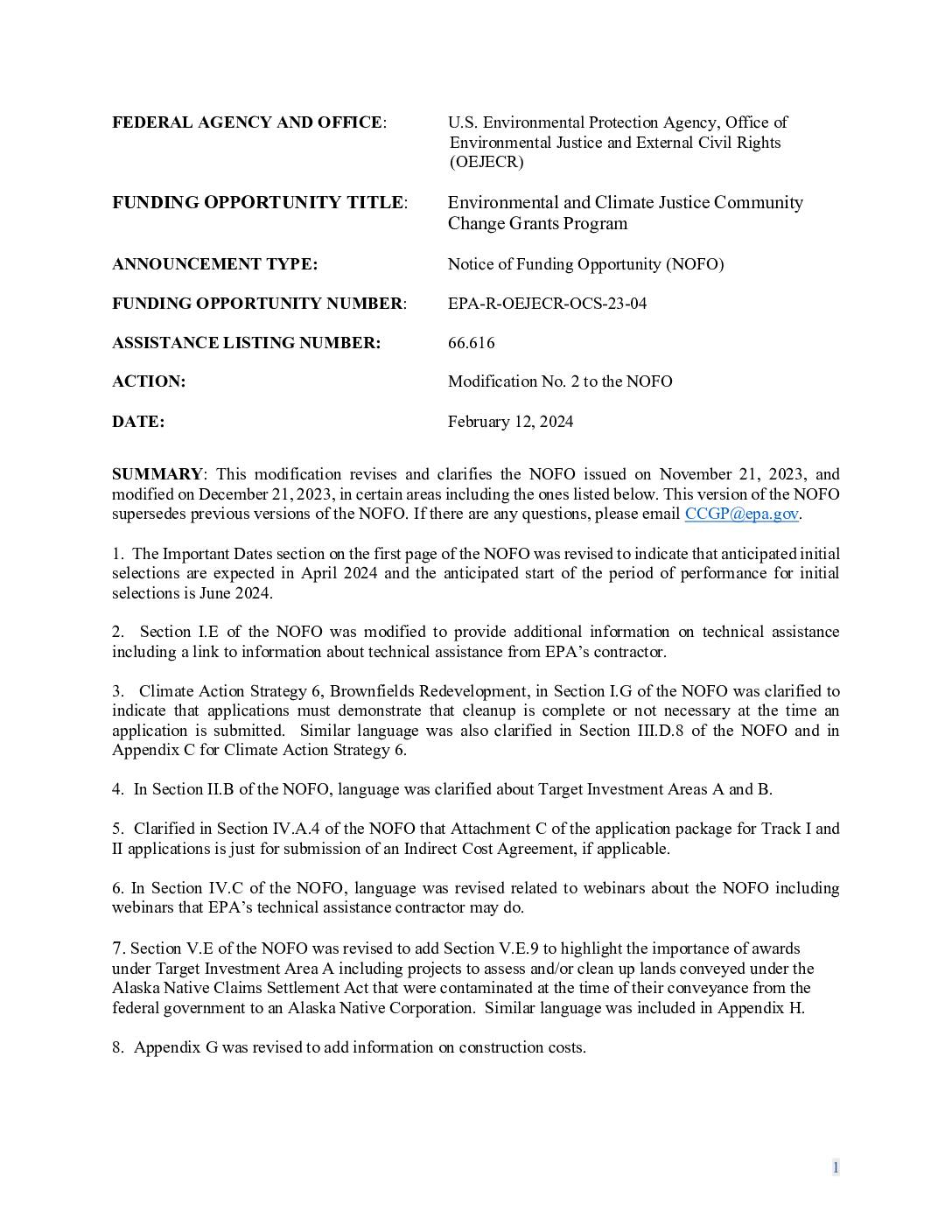
Environmental and Climate Justice Community Change Grants Program: Notice of Funding Opportunity (Modification No. 2)
This document is a federal funding opportunity from the U.S. Environmental Protection Agency (EPA) offering grants through the Environmental and Climate Justice Community Change Grants Program, with applications accepted on a rolling basis until November 21, 2024. It outlines eligibility requirements, funding tracks, and application procedures for communities seeking support for environmental and climate justice projects. Note: This document does not appear to be directly related to Sea-Tac Airport noise policy. -
 2024-01-01
2024 Environmental Justice Report: Washington State Attorney General’s Office
The Washington State Attorney General's Office 2024 Environmental Justice Report details efforts to protect communities—particularly low-income and communities of color—from disproportionate environmental harms through the Healthy Environment for All (HEAL) Act. The report covers actions such as lawsuits, community outreach, and policy letters aimed at reducing pollution and toxic exposures across Washington State. Note: This document does not address Sea-Tac Airport noise policy and may not be relevant to that specific topic. -
 2023-12-21
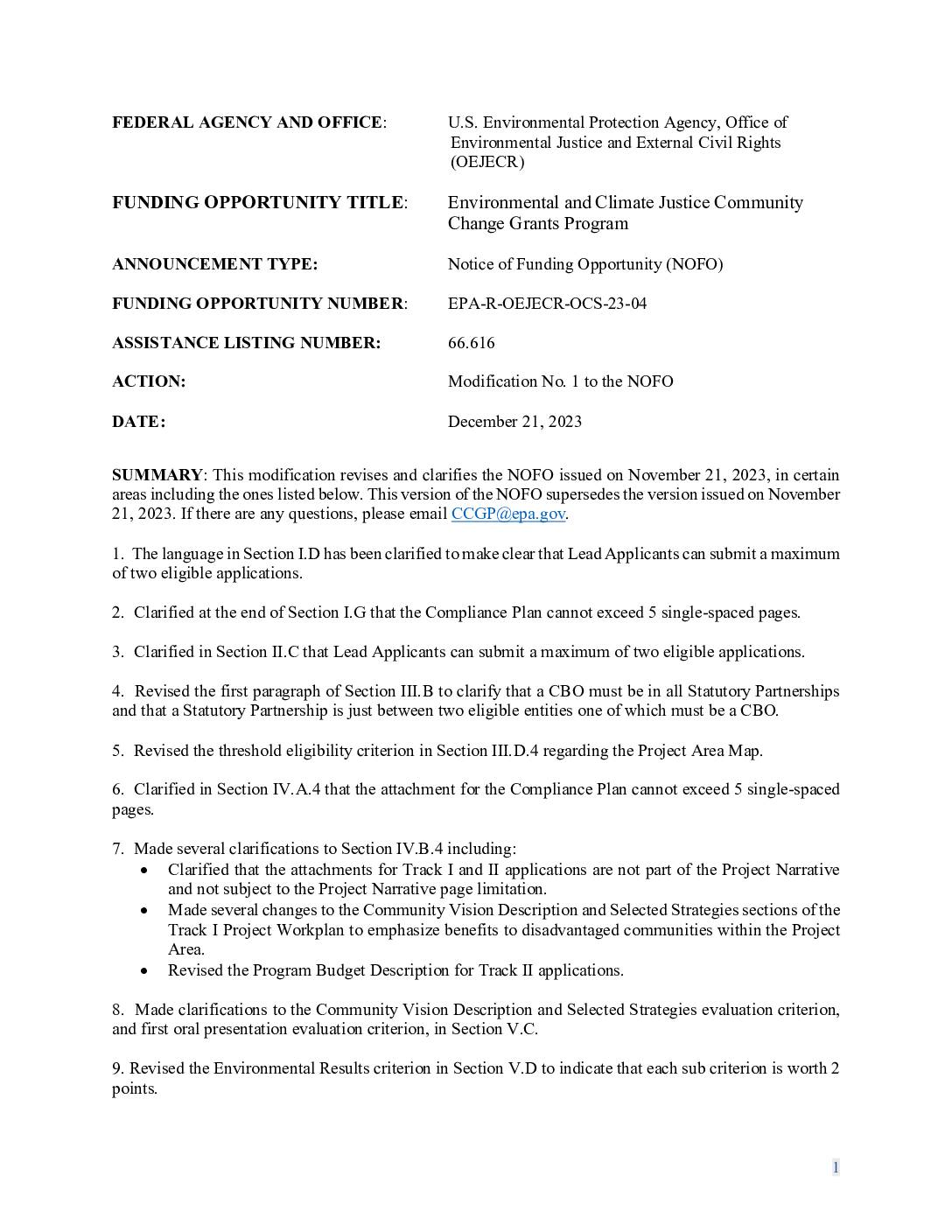
Environmental and Climate Justice Community Change Grants Program: Notice of Funding Opportunity modification No. 1
This document is a modification to a U.S. EPA funding opportunity notice for the Environmental and Climate Justice Community Change Grants Program, issued December 21, 2023. It updates application rules, eligibility requirements, and evaluation criteria for community organizations seeking environmental and climate justice grants. Note: this document does not appear to be directly related to Sea-Tac Airport noise policy. -
 2023-10-01
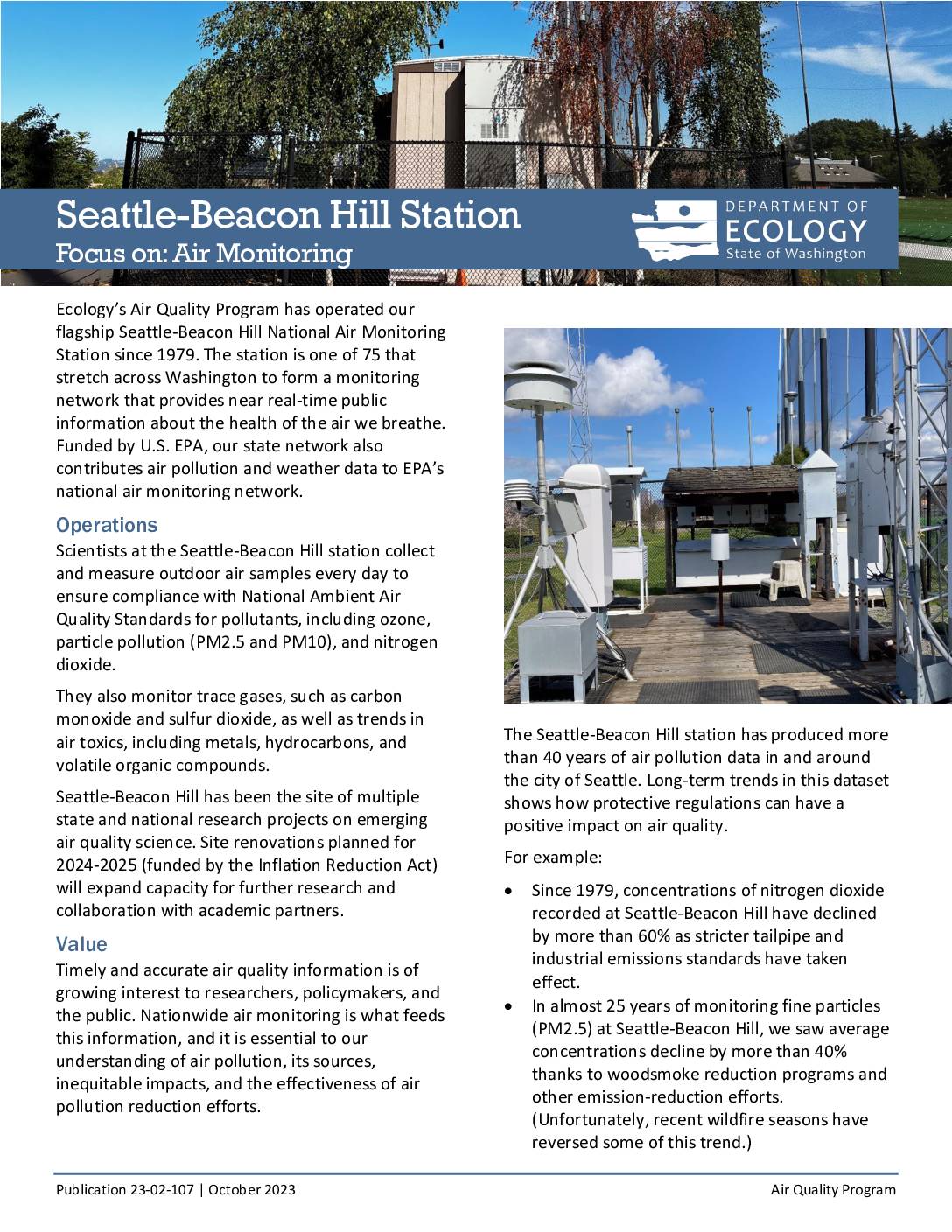
Seattle-Beacon Hill Station: Focus on Air Monitoring
Washington State's Department of Ecology has operated the Seattle-Beacon Hill Air Monitoring Station since 1979, tracking pollutants such as ozone, nitrogen dioxide, fine particles, and air toxics to ensure compliance with national air quality standards. Over four decades of data show significant air quality improvements, including a 60% decline in nitrogen dioxide and a 40% reduction in fine particle concentrations, largely due to stricter emissions regulations. The station also supports ongoing research and community efforts to address air pollution disparities in overburdened neighborhoods of South Seattle.