TagEnvironmental Protection Agency(42)
-
 2019-09-01
Research, policies, and program options for improving indoor environmental quality
This EPA report, prepared by David Mudarri PhD in 2018, reviews the state of science on indoor environmental quality and outlines research, policy, and program options for improving it. The synthesis paper was developed to help the EPA establish research goals, objectives, and priorities across a wide range of indoor environmental topics and time frames. It is intended solely for internal EPA use due to the inclusion of copyrighted material from broad-based review articles. -
 2018-01-30
Notice of Near-port Community Capacity Building Pilot Project Extension
In January 2018, EPA project lead Sabrina Johnson notified partners that the Near-port Community Capacity Building Pilot Project deadline was extended from June to September 30, 2018. The extension was granted to better address project partners' concerns and support more durable outcomes, while still encouraging participants to maintain an expeditious pace. Capacity building under this EPA initiative focuses on improving conditions and removing barriers to effective community functioning near port areas. -
 2017-04-15
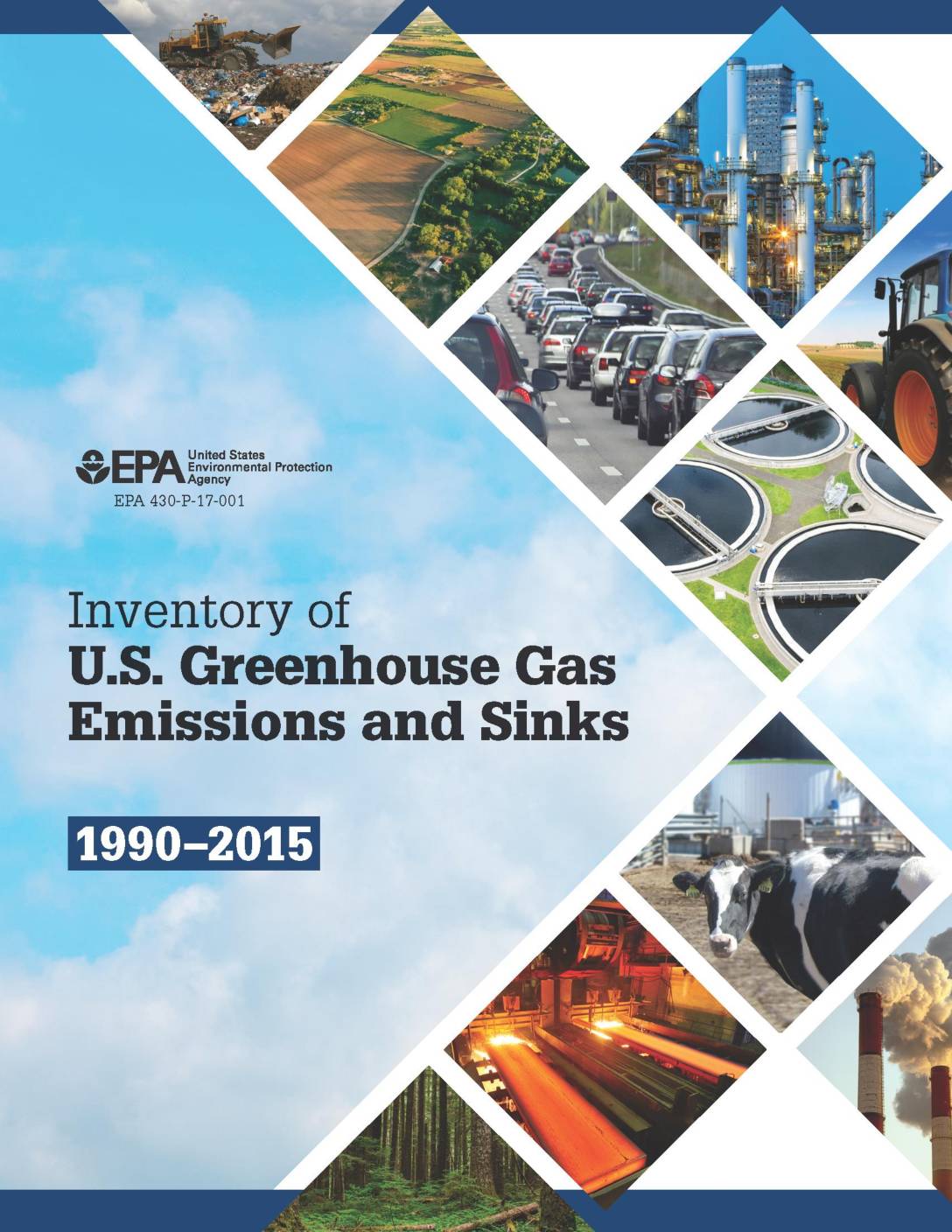
Inventory of U.S. greenhouse gas emissions and sinks: 1990–2015
This EPA report tracks U.S. greenhouse gas emissions and sinks from 1990 to 2015, covering sources such as transportation, agriculture, industry, and waste. It was published by the U.S. Environmental Protection Agency in 2017 and is available for download on the EPA website. Note: this document does not appear to contain information relevant to Sea-Tac Airport noise policy. -
 2017-04-01
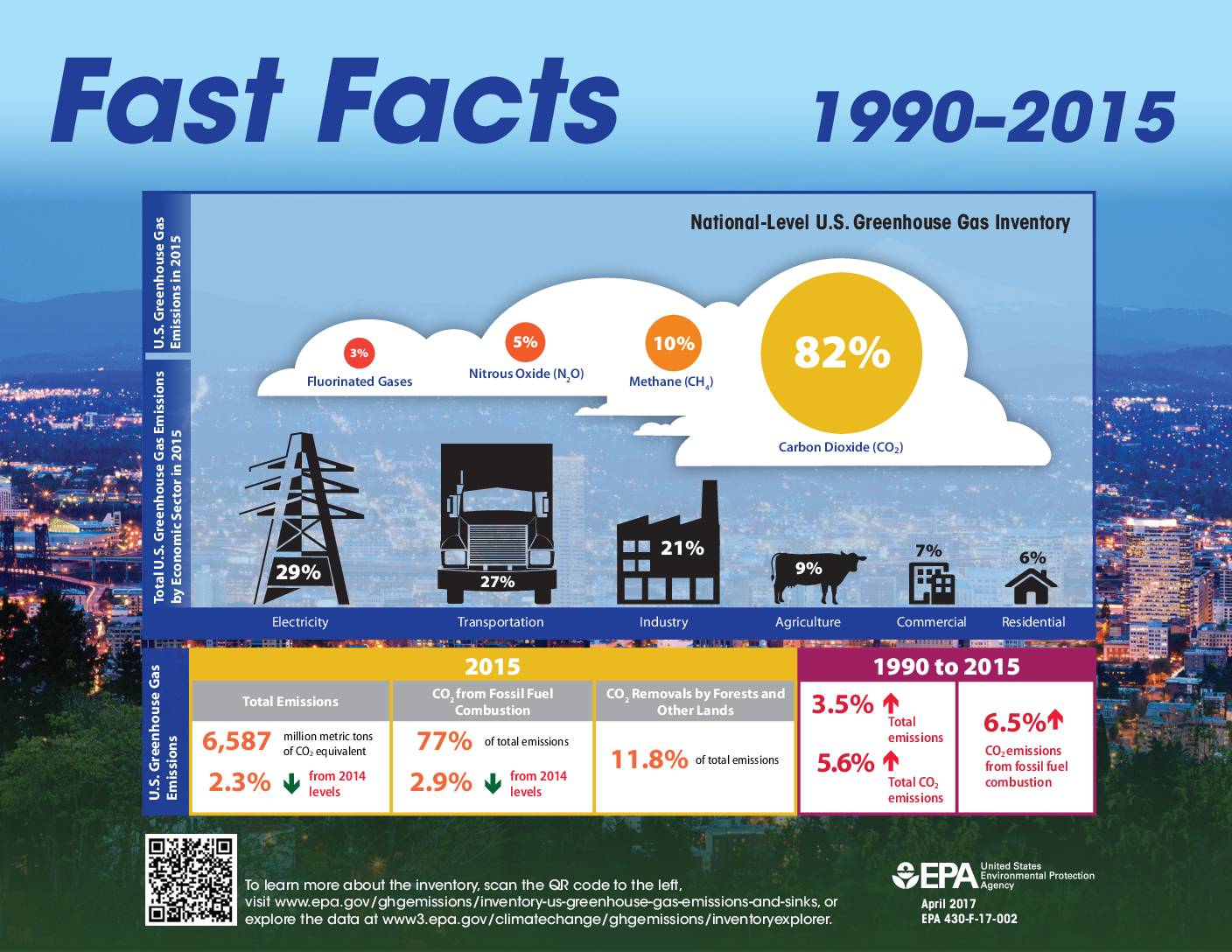
Fast facts 1990–2015: National-level U.S. greenhouse gas inventory
This EPA report summarizes U.S. greenhouse gas emissions data from 1990 to 2015, showing that total emissions reached 6,587 million metric tons of CO2 equivalent in 2015, a 2.3% decrease from 2014 levels. Carbon dioxide makes up the largest share at 82% of emissions, with electricity generation and transportation being the biggest contributing economic sectors at 29% and 27% respectively. The report includes detailed emissions breakdowns by gas type, economic sector, and fuel source, along with unit conversion tables and global warming potential values for reference. -
 2013-01-01
Model Toxics Control Act Regulation and Statute
A compilation document containing Washington State’s Model Toxics Control Act regulation (Chapter 173-340 WAC), the Model Toxics Control Act statute (Chapter 70.105D RCW), and the Uniform Environmental Covenants Act (Chapter 64.70 RCW). Published by the Washington State Department of Ecology’s Toxics Cleanup Program as Publication No. 94-06, revised in 2013. -
 2004-04-01
Air quality: Focus on Puget Sound
This April 2004 report by the League of Women Voters examines air quality in the Puget Sound region, tracing the history of air pollution regulation from King Edward I's coal ban in 1305 through the creation of the U.S. Environmental Protection Agency in 1970. It focuses on the role of the Puget Sound Clean Air Agency in monitoring and reducing local air pollutants, with particular attention to small particles and diesel emissions. The report provides background on federal clean air legislation and outlines the League's related policy positions. -
 2002-10-23
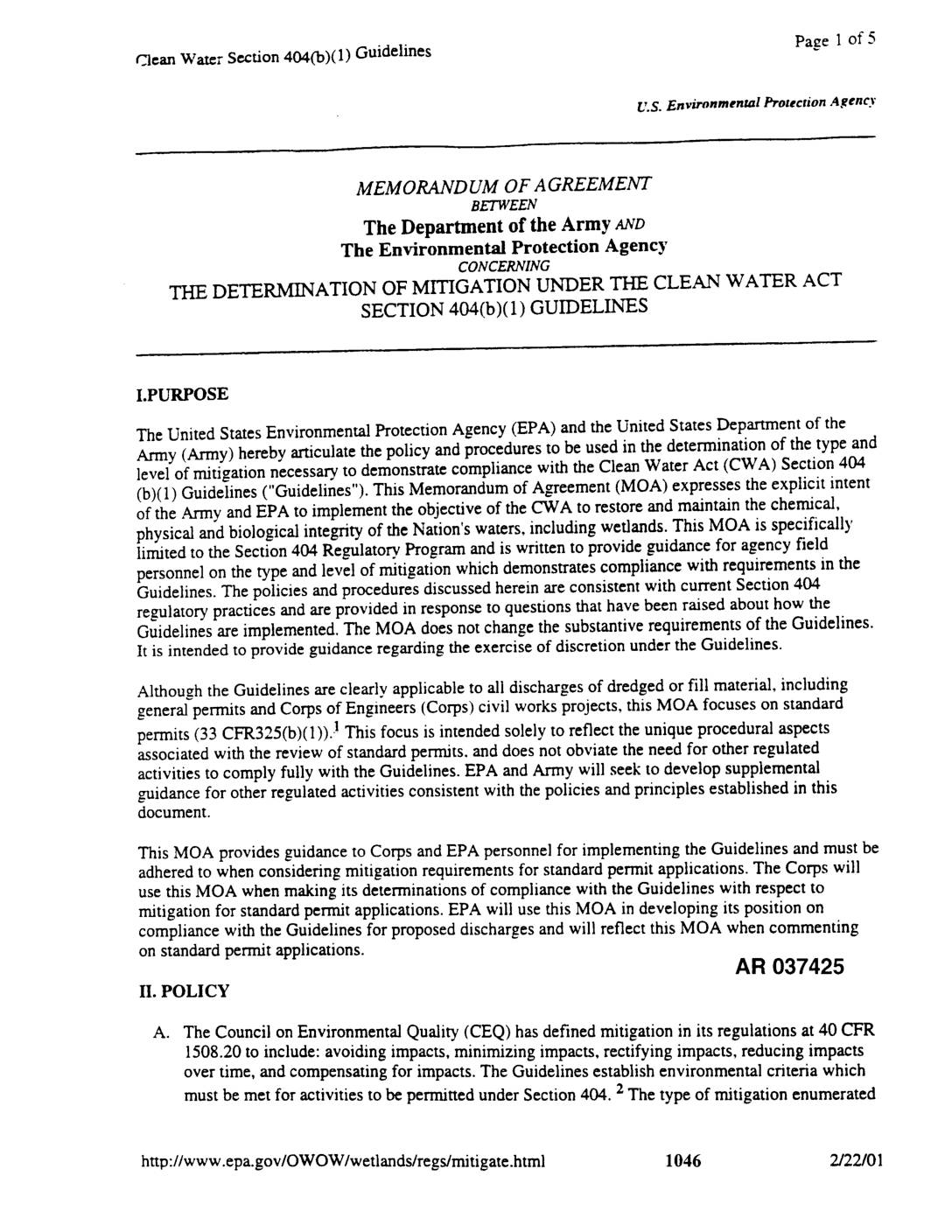
EXH AR037425: Memorandum of Agreement Between the Department of the Army and the Environmental Protection Agency Concerning the Determination of Mitigation Under the Clean Water Act Section 404(b)(1) Guidelines
Memorandum of Agreement (MOA) between the U.S. Department of the Army and the U.S. Environmental Protection Agency (EPA) articulating policy and procedures for determining type and level of mitigation required under Clean Water Act (CWA) Section 404(b)(1) Guidelines. AR037425. Covers three mitigation types: avoidance, minimization, and compensatory mitigation; establishes no net loss of wetlands goal; -
 2002-02-14
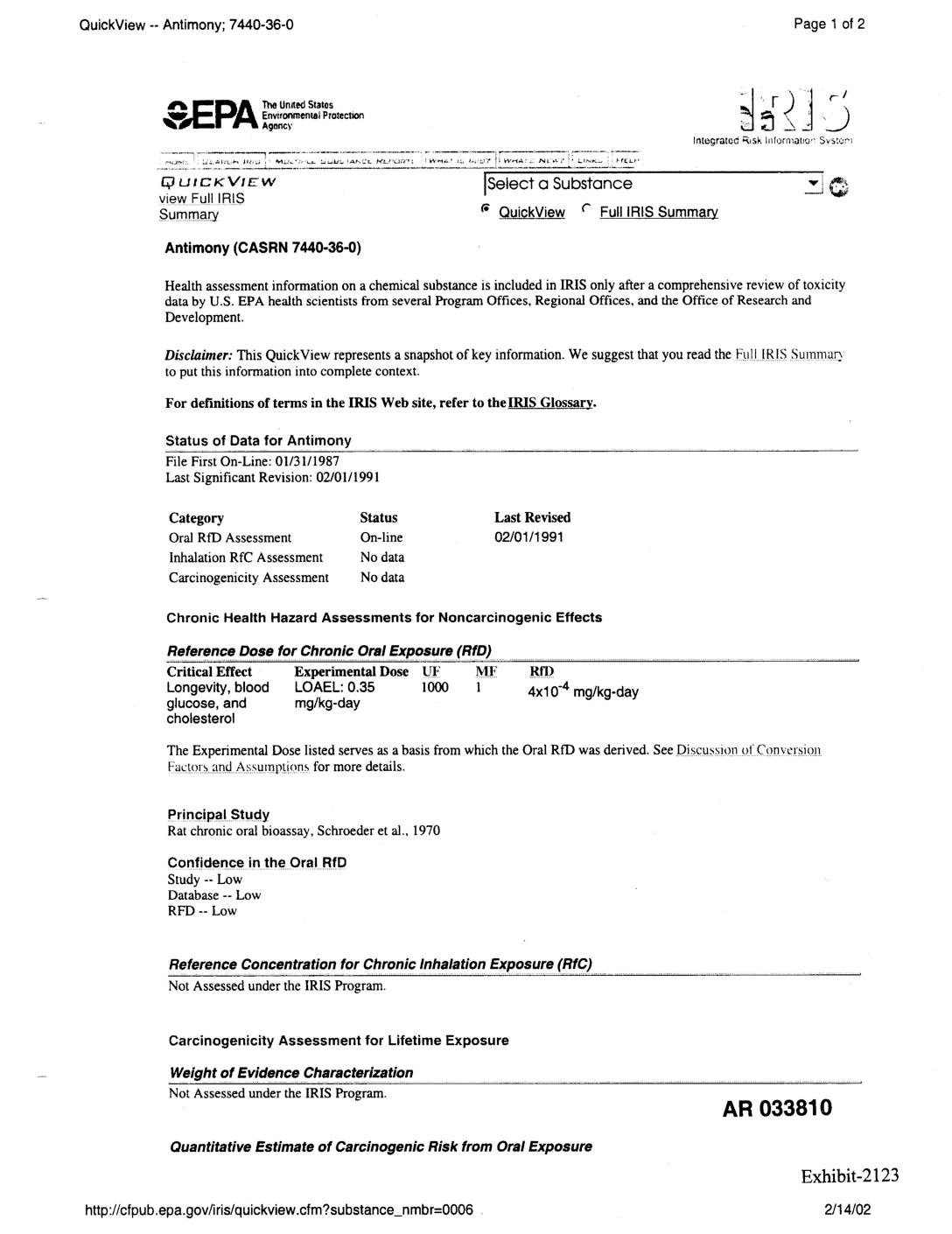
Exhibit 2123: EPA IRIS QuickView — Antimony (CASRN 7440-36-0) and Arsenic, Inorganic (CASRN 7440-38-2)
EPA Integrated Risk Information System (IRIS) QuickView pages for Antimony (CASRN 7440-36-0) and Arsenic, inorganic (CASRN 7440-38-2), accessed February 14, 2002. Antimony oral RfD is 4×10⁻⁴ mg/kg-day based on LOAEL of 0.35 mg/kg-day from Schroeder et al. 1970 rat chronic oral bioassay; confidence rated Low. Arsenic oral RfD is 3×10⁻⁴ mg/kg-day based on NOAEL of -
 2000-12-19
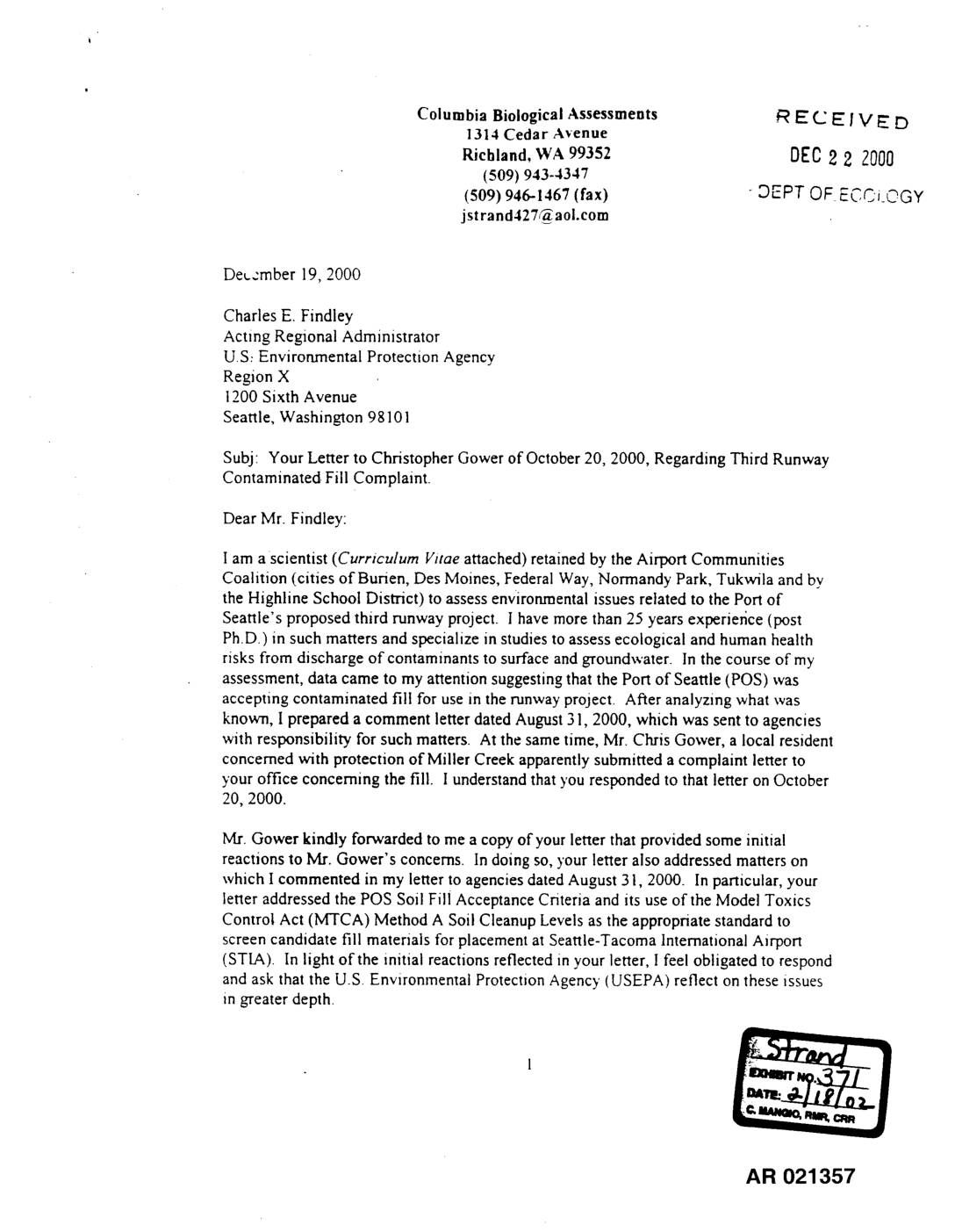
EXH 371: Columbia Biological Assessments Letter to EPA Region X – Contaminated Fill, MTCA Method A Standards, Third Runway
A scientist retained by the Airport Communities Coalition wrote to the EPA in December 2000, raising serious concerns about the Port of Seattle accepting contaminated fill materials for the proposed Third Runway project at Seattle-Tacoma International Airport. The letter argues that the Port improperly used Washington State's Model Toxics Control Act (MTCA) cleanup standards as fill acceptance criteria, when those standards were designed to clean up existing contaminated sites, not to permit introducing pollution onto previously clean land. The scientist also criticizes the Port's soil testing methods as statistically inadequate to detect the true extent of contamination, warning that chemicals in the fill could leach into groundwater, wetlands, and surface water including Miller Creek.