TagAir Quality Monitors(111)
-
 2025-03-21
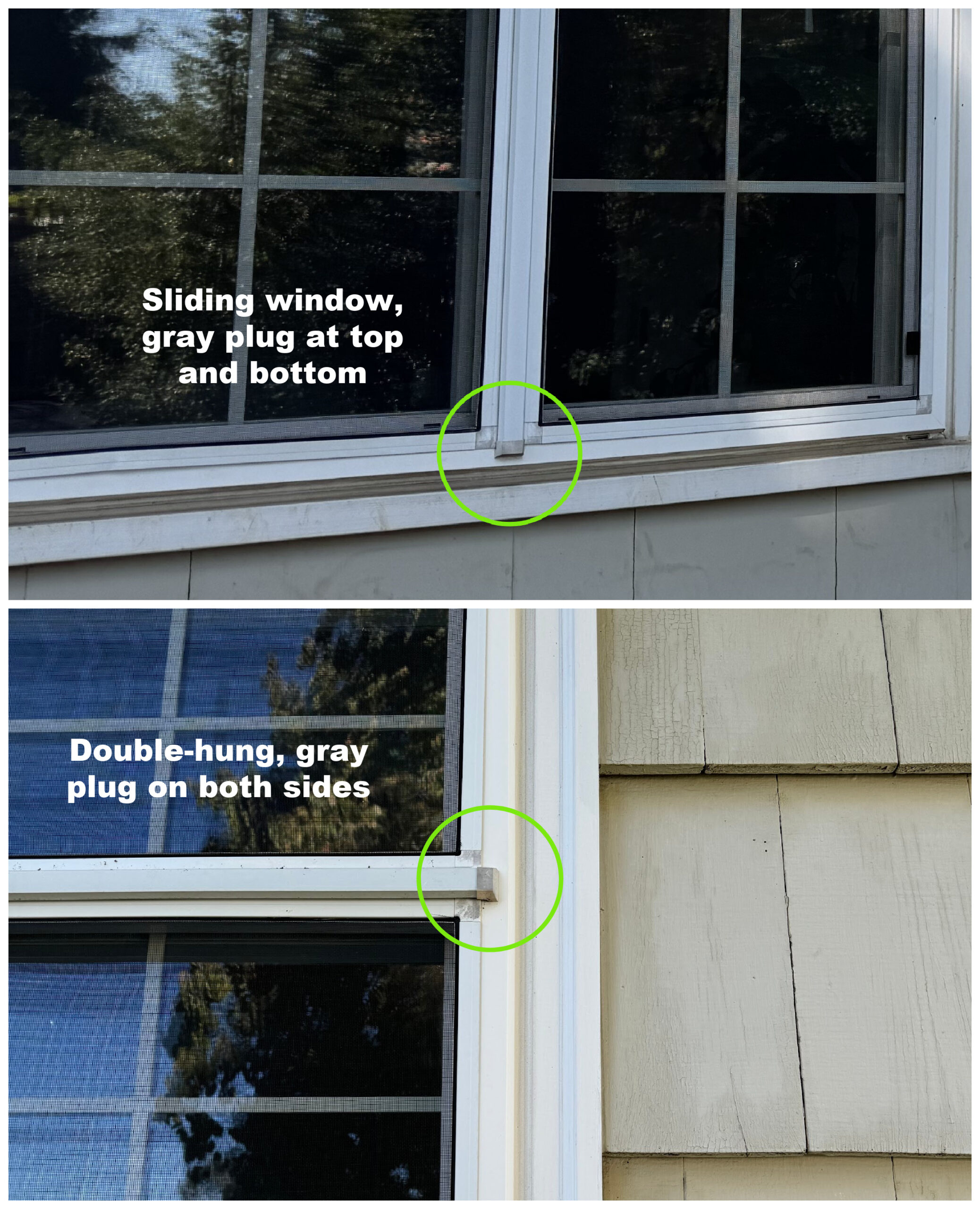
Window Types – Sliding and Double-Hung Window Features
Annotated comparison photo showing two residential window types: a sliding window (top) with gray plugs at top and bottom of the frame meet point, and a double-hung window (bottom) with gray plugs on both sides, with green circles highlighting the plug locations. This appears to be a technical reference document, possibly related to window sound insulation or weatherproofing assessment. -
 2025-02-21
Seattle Port Container Terminal with City Skyline
Aerial view of the Port of Seattle's container terminal yard packed with intermodal shipping containers bearing visible logos including Maersk, Maersk Sealand, CMA CGM, Hamburg Süd, Hapag-Lloyd, MSC, and UASC. The Seattle skyline, including the Space Needle and a Ferris wheel (Seattle Great Wheel area), is visible in the background along Elliott Bay. -
 2025-02-14
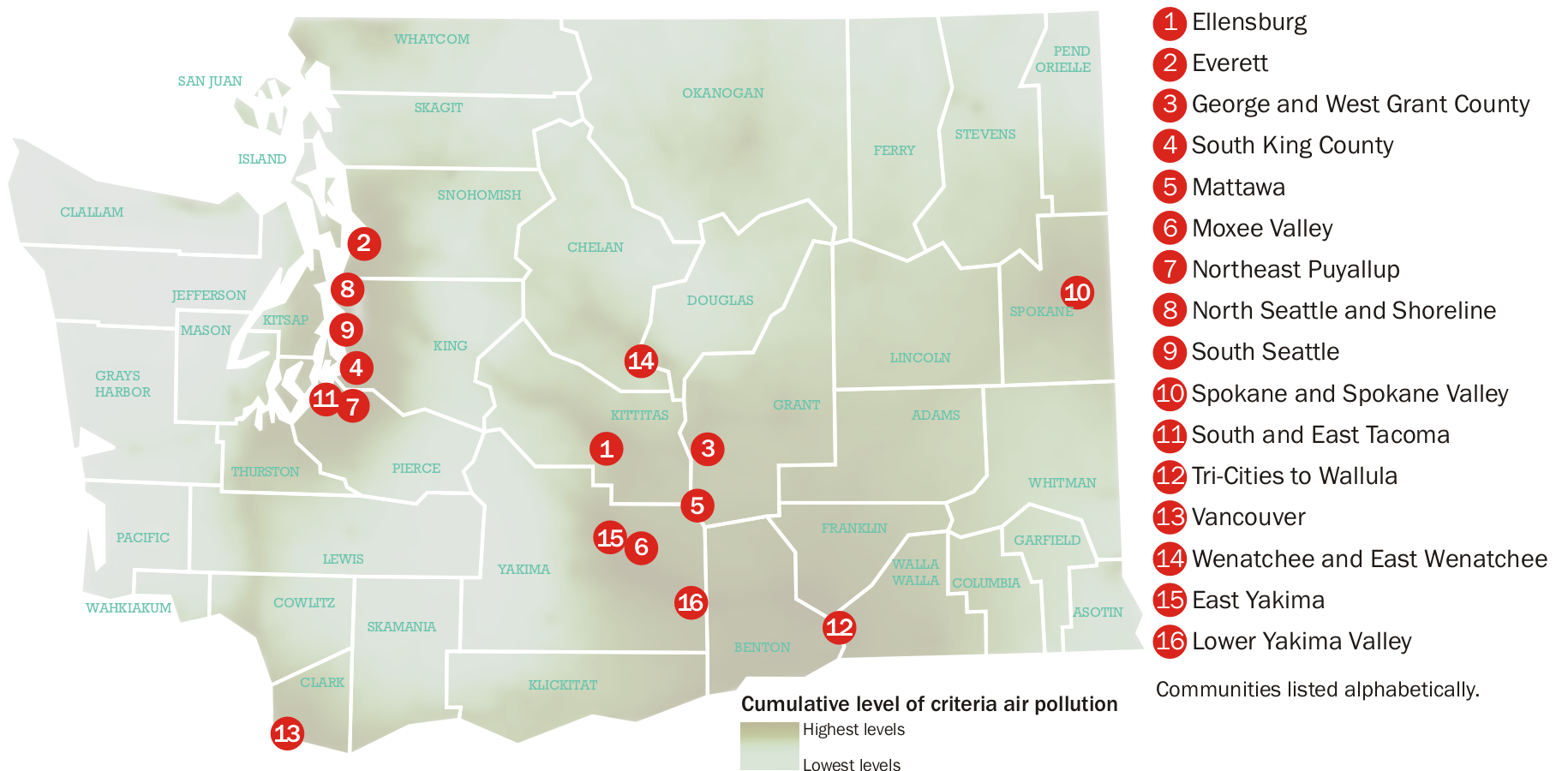
Washington State Air Pollution Map – Airport Communities
A map of Washington State identifying 16 communities with elevated cumulative criteria air pollution levels, including locations such as Spokane, Tacoma, Seattle, Yakima Valley, and Vancouver. The map uses a shading gradient to indicate highest to lowest pollution levels, with numbered red markers pinpointing each named community. -
 2025-01-23
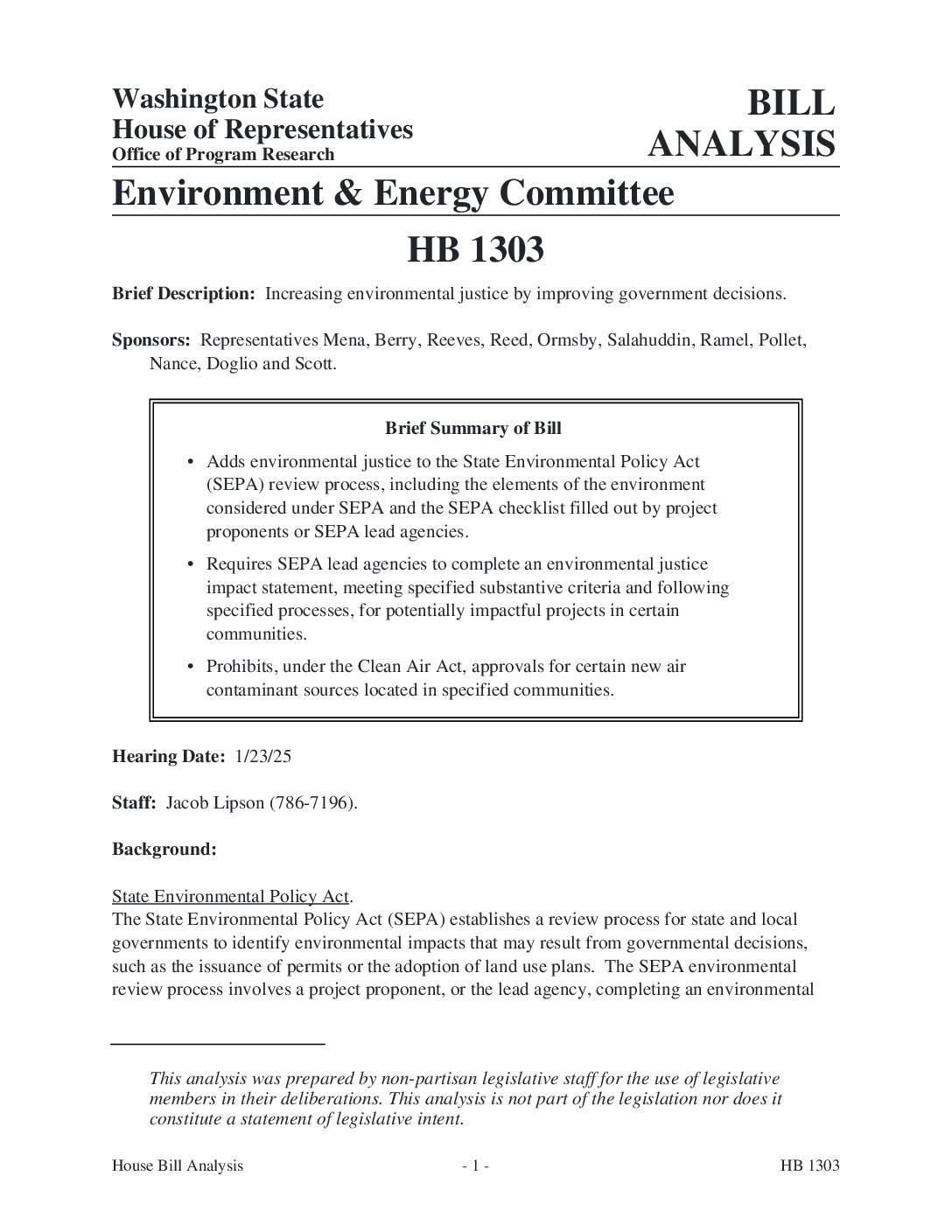
HB 1303 Bill Analysis – Increasing environmental justice by improving government decisions
Washington State House Bill 1303 proposes strengthening environmental justice by adding new requirements to the State Environmental Policy Act (SEPA) review process, requiring environmental justice impact statements for projects in vulnerable or overburdened communities. The bill also prohibits state and local air authorities from issuing certain construction approvals for new air pollution sources in those same communities. Note: This bill focuses on statewide environmental permitting and community health protections, and does not directly address Sea-Tac Airport noise policy. -
 2025-01-22
The Air Quality Index and how to use it, explained
by Rebecca Leber Updated Jan 22, 2025, 10:49 PM UTC Worsening wildfires mean everyone should have a basic understanding of how to read and respond to the Air Quality Index. It’s a good idea to reduce outdoor exercise on hazardous air days to cut down on exposure.Kamil Krzaczynski/AFP via Getty Images Rebecca Leber was a -
-
-
-
Air Quality Monitoring
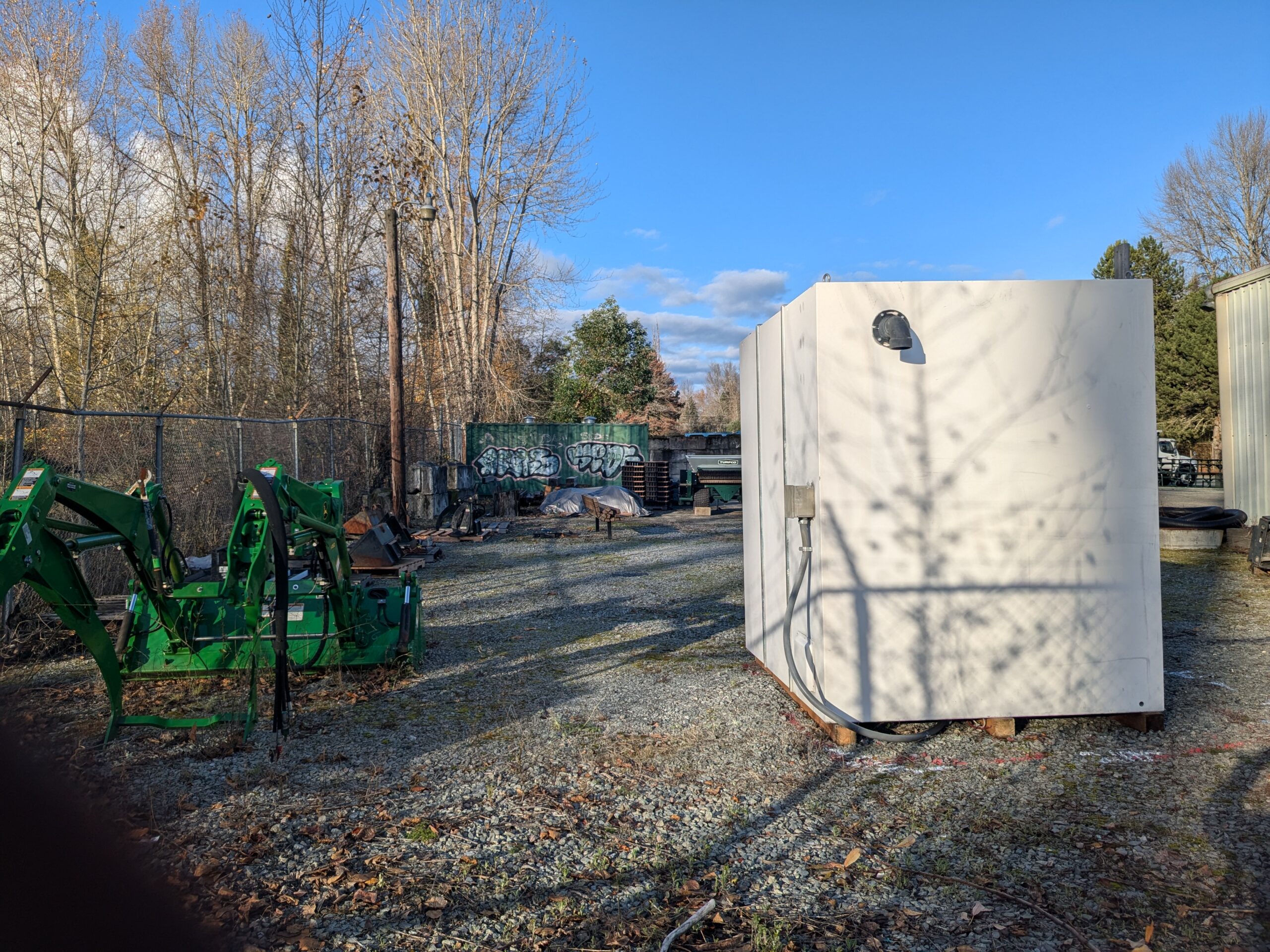
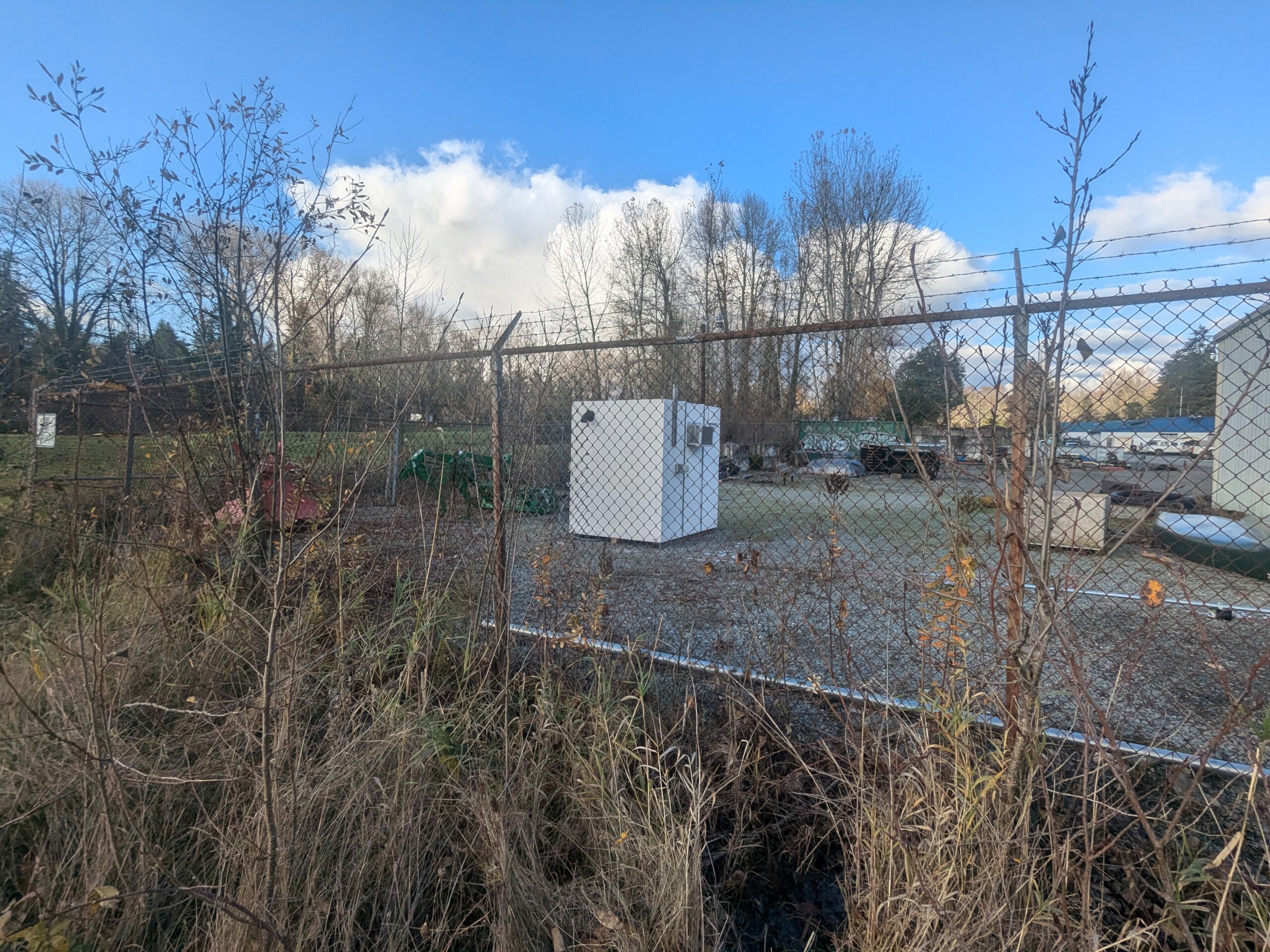
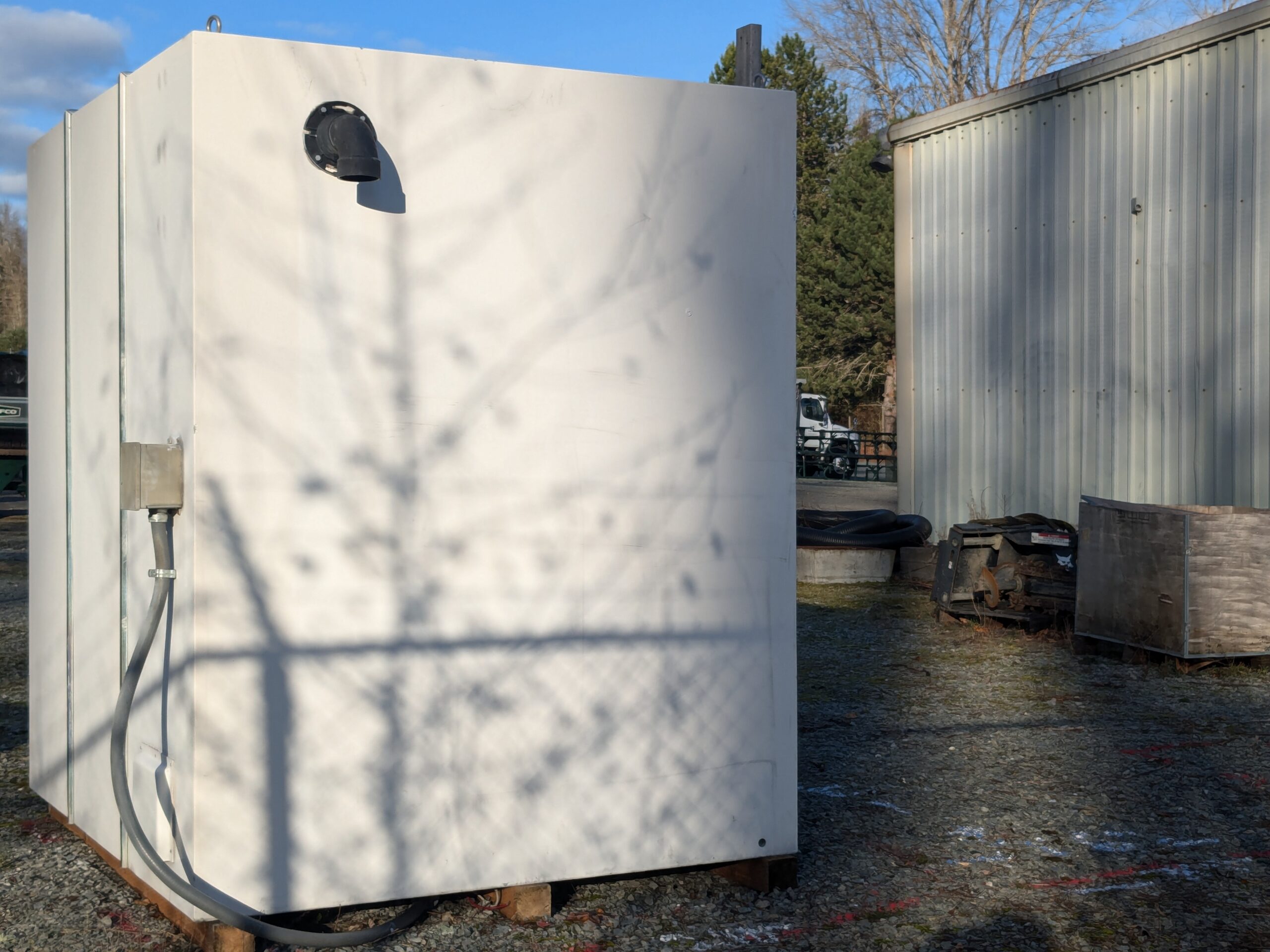
Tons of data. But not the right kind. The bad news: Real-Time Monitors There are four (close-to) real-time monitoring sites which will show you some aspects of air quality around the airport. Washington State Department of Ecology Ecology is the State agency which determines criteria (regulated) pollutants. Note that monitor closest to the airport is -
 2024-10-01
PSCAA: Update on Our Ongoing Ultrafine Monitoring October 2024
The Puget Sound Clean Air Agency's Monitoring Team provides an October 2024 update on their ongoing ultrafine particle (UFP) monitoring program, explaining that UFPs are extremely tiny particles smaller than 0.1 microns that are not currently regulated under air quality standards. The presentation covers key concepts such as particle number concentration (PNC), monitoring instrumentation, and WHO good practice recommendations for UFP measurement. While not specific to noise policy, this monitoring effort is relevant to understanding air quality impacts near high-traffic areas such as airports.