TagAirports(140)
-
 2020-03-26
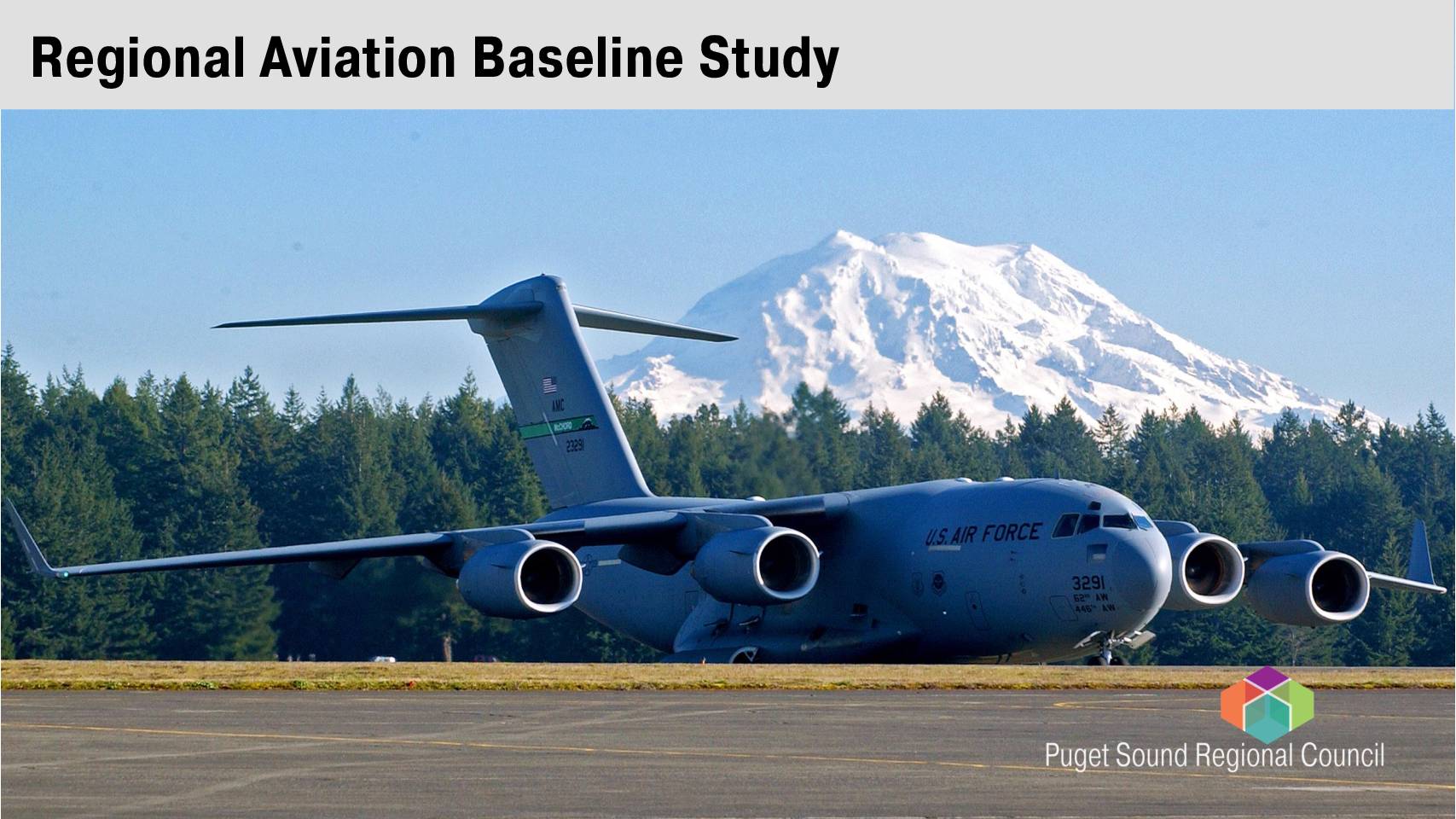
Regional Aviation Baseline Study
The Regional Aviation Baseline Study, conducted by the Puget Sound Regional Council, examines 29 airports across King, Snohomish, Kitsap, and Pierce counties to understand how aviation activities interact with communities and the broader regional economy. The study identifies each airport's role, gathers stakeholder input on aviation and airspace constraints, and sets the groundwork for future regional aviation planning. While Sea-Tac Airport serves as the region's primary large hub, the study provides context for understanding how operations across all regional airports—and their associated noise and community impacts—fit into the larger Puget Sound air transportation network. -
2019-12-11
Sea-Tac is First Airport to Resist Federal Push for Facial Recognition and Other Biometric Technologies
Katherine Khashimova Long The Seattle Times (TNS) At least for now, controversial facial-recognition technology won’t be installed at boarding gates at Seattle-Tacoma International Airport, making the airport the first in the country to resist the rollout of a federal biometric identification program. After hours of impassioned public comment Tuesday, much of it from people calling facial -
 2019-09-03
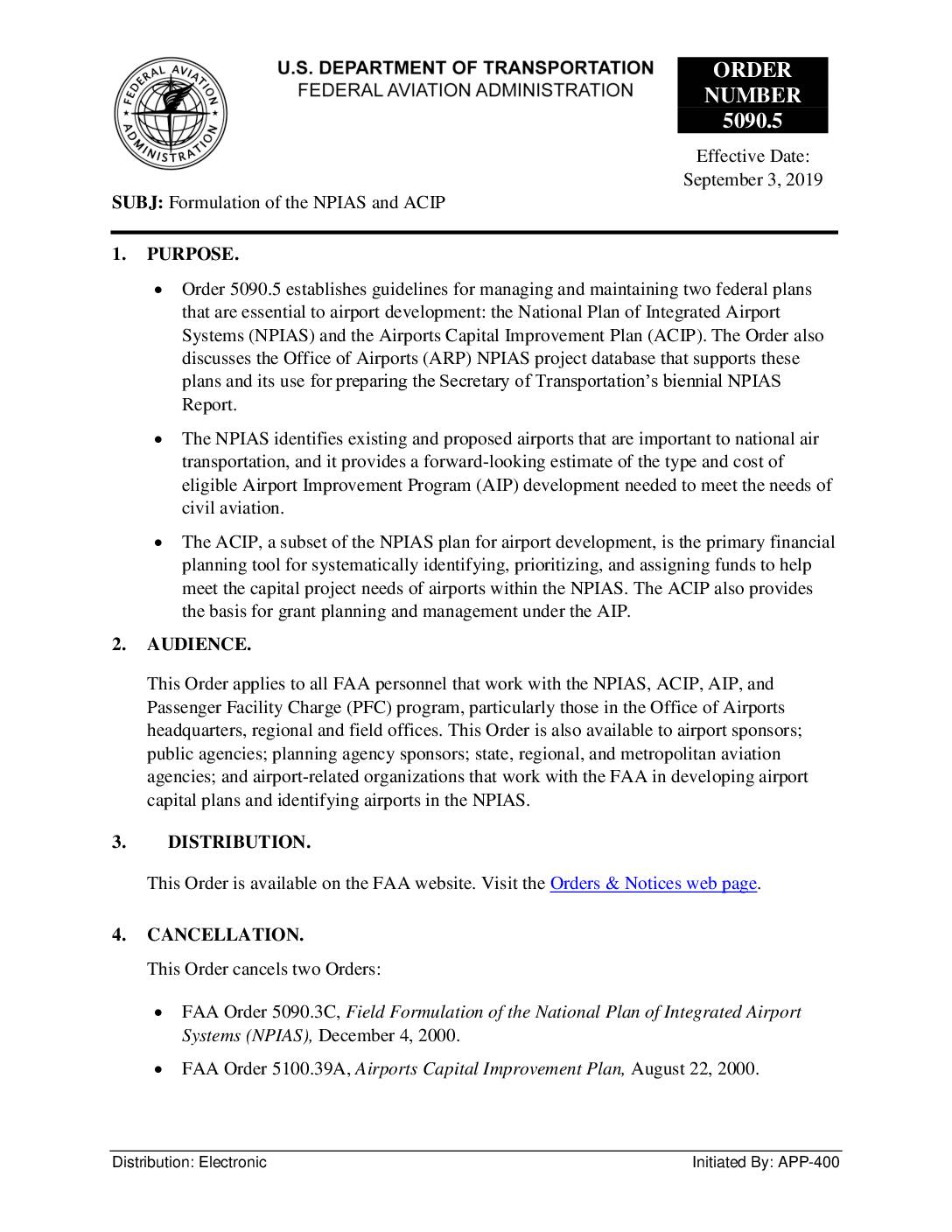
Formulation of the NPIAS and ACIP
FAA Order 5090.5, effective September 3, 2019, establishes guidelines for managing the National Plan of Integrated Airport Systems (NPIAS) and the Airports Capital Improvement Plan (ACIP), which together identify airports important to national air transportation and prioritize federal funding for airport development projects. The order serves as a financial planning tool for systematically assigning Airport Improvement Program (AIP) funds to qualifying airports across the country. Note that this document addresses broad national airport capital planning policy and does not contain specific provisions related to Sea-Tac Airport noise mitigation or local noise policy. -
 2019-06-27
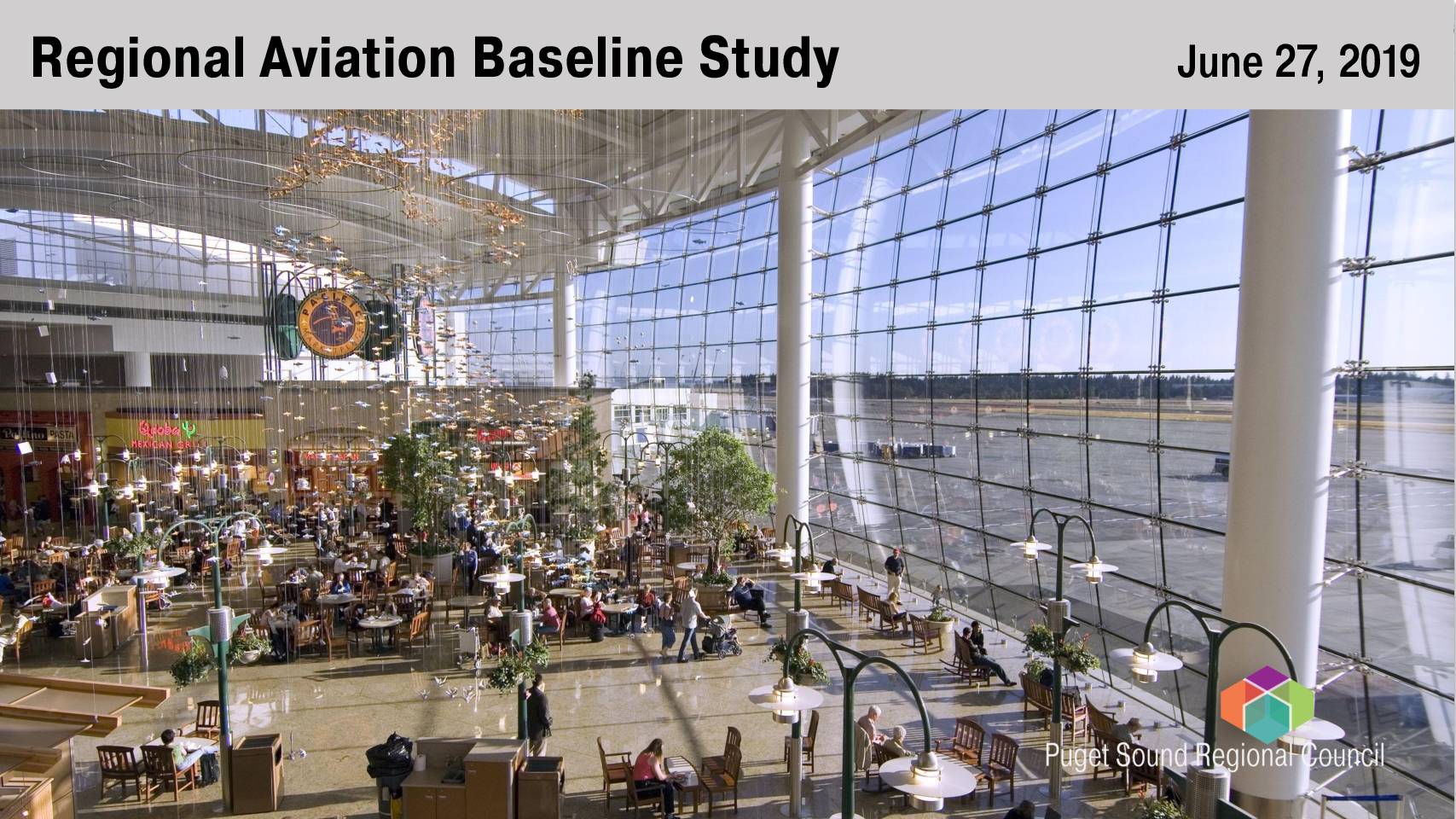
Regional Aviation Baseline Study
The Regional Aviation Baseline Study, published June 27, 2019 by the Puget Sound Regional Council, examines the roles and interactions of 29 airports across the central Puget Sound region, including Sea-Tac as the area's sole large hub. The study aims to gather stakeholder input on aviation and airspace constraints, assess how airport activities affect surrounding communities and the broader economy, and lay the groundwork for future regional aviation planning. -
 2019-06-01
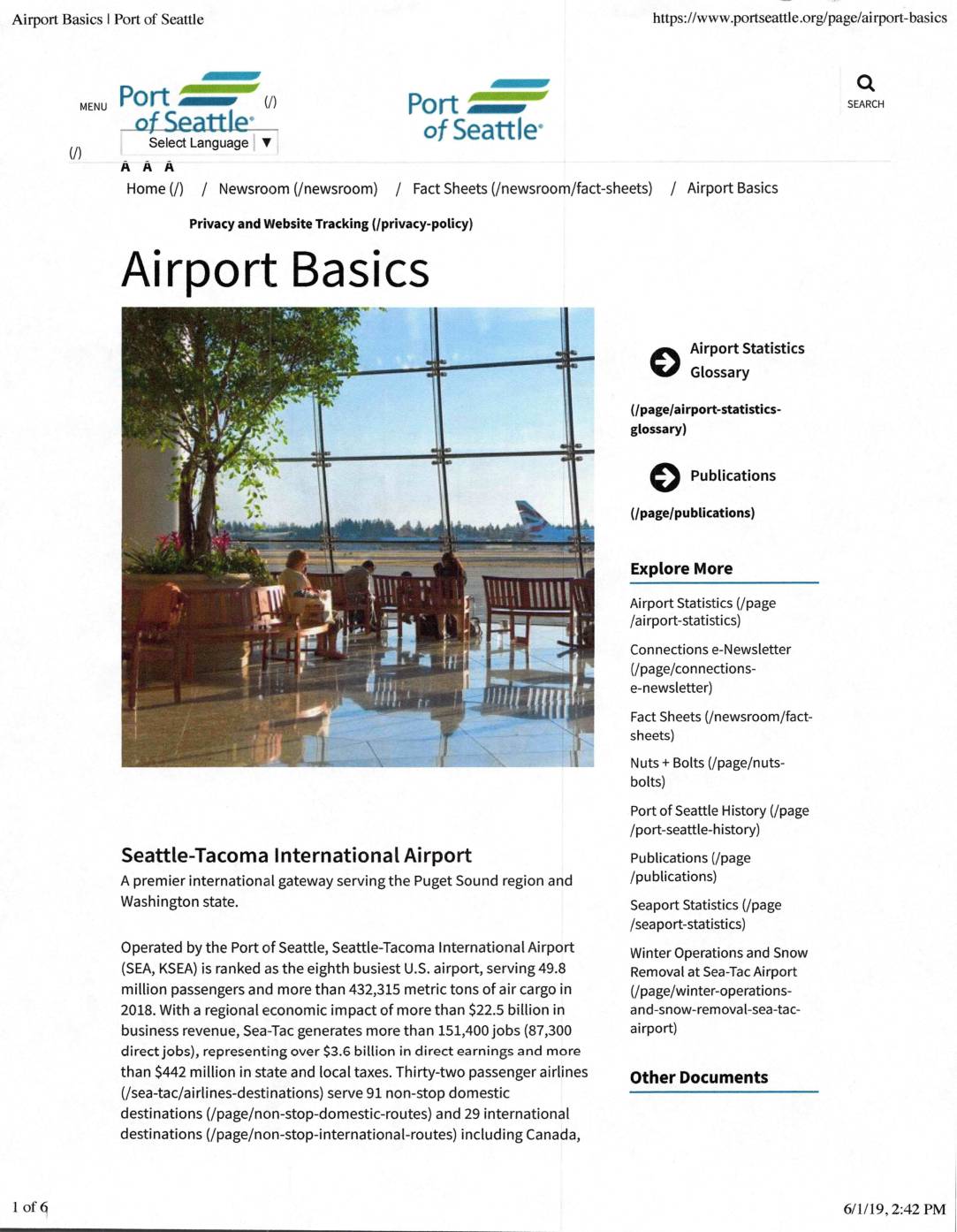
Airport basics
Seattle-Tacoma International Airport (Sea-Tac), operated by the Port of Seattle, is the eighth busiest U.S. airport, serving 49.8 million passengers and handling over 432,315 metric tons of air cargo in 2018, with 32 airlines offering 91 domestic and 29 international non-stop destinations. The document also profiles Jason Schwartz, an aviation professional with over 25 years of experience specializing in airport noise management, UAS operations, and airside planning, currently serving in dual roles at the Port of Portland and his own consulting firm, Aviation Compatibility Consulting. Schwartz's background includes noise program management, community engagement, and relevant certifications in airport environmental management and business operations. -
 2019-01-01
Terminally challenged: Addressing the infrastructure funding shortfall of America’s airports
This Airports Council International – North America (ACI-NA) report, covering 2019–2023, examines the gap between what U.S. airports need to spend on infrastructure and the funding currently available to them. It estimates total development costs by airport size, project type, and location, and compares ACI-NA findings with FAA projections. The report highlights growing pressures from rising construction costs, increasing passenger and cargo demand, and insufficient federal funding mechanisms. -
Why American airports don’t sell anything you actually need?
Woe betide the traveler who forgets her toiletries case, gets peckish, or has a headache at a US airport. At best, she might find tiny container of Advil or $10 packet of almonds in a Hudson News outlet, sandwiched between a Cinnabon and an Auntie Anne’s Preztels. But why is there no CVS or Walgreens -
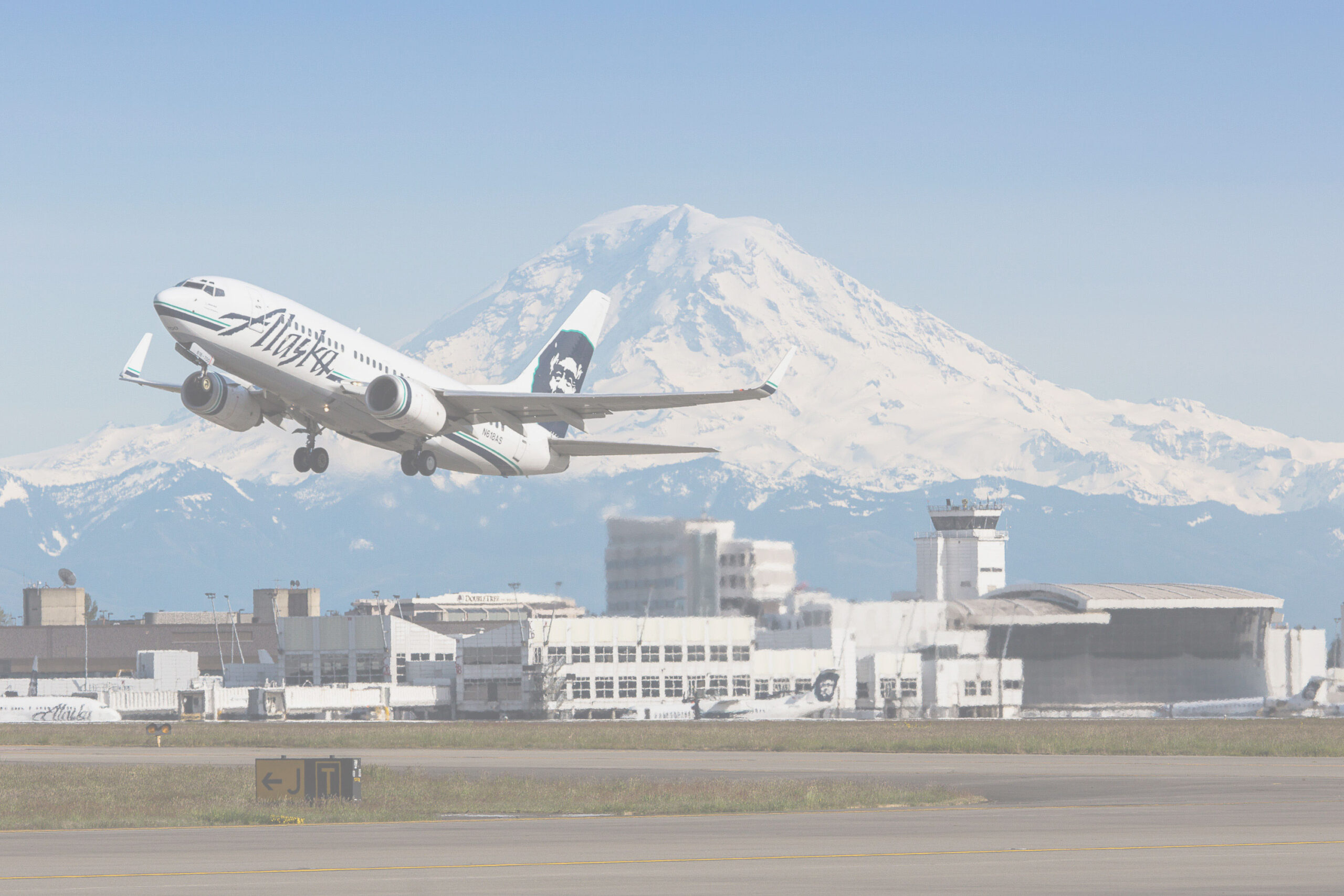
Alaska Airlines Boeing 737 Takeoff at Sea-Tac Airport with Mount Rainier
An Alaska Airlines Boeing 737 takes off from Seattle-Tacoma International Airport (Sea-Tac), with the airline's distinctive Eskimo/Native figure tail livery and 'Alaska' fuselage lettering clearly visible. Mount Rainier dominates the background skyline along with airport terminal and control tower structures; an Alaska Airlines maintenance or operations facility is visible in the mid-ground. -
 2017-07-01
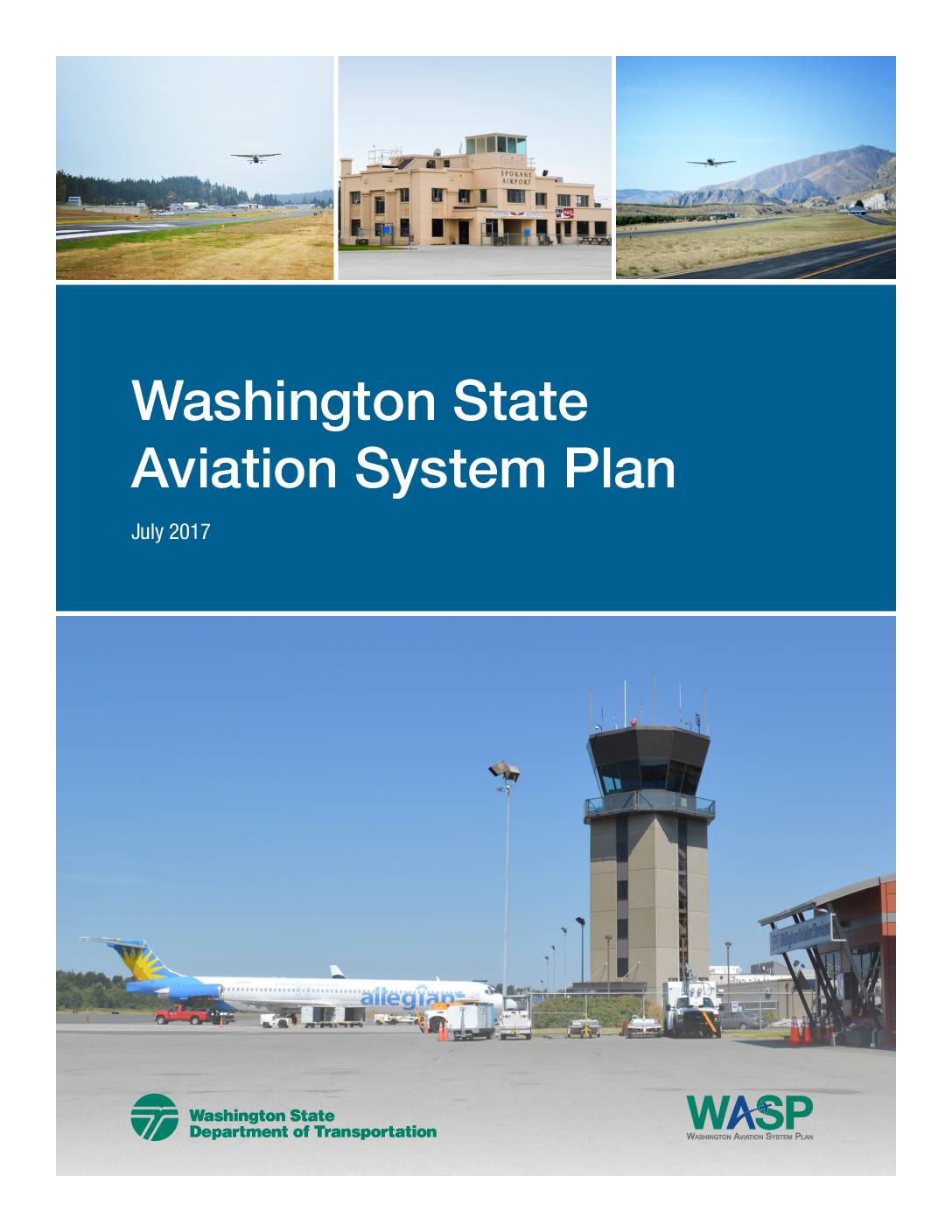
Washington State Aviation System Plan
The Washington State Aviation System Plan (WASP), published in July 2017 by the Washington State Department of Transportation (WSDOT), provides a comprehensive assessment of the state's airport system, covering infrastructure inventory, safety, economic development, and long-term planning goals. The plan examines runways, taxiways, landside facilities, and aviation services across both federally recognized and non-NPIAS airports throughout Washington State. Funded in part by a Federal Aviation Administration planning grant, it serves as a guiding framework for aviation investment and policy decisions statewide. -
 2017-02-01
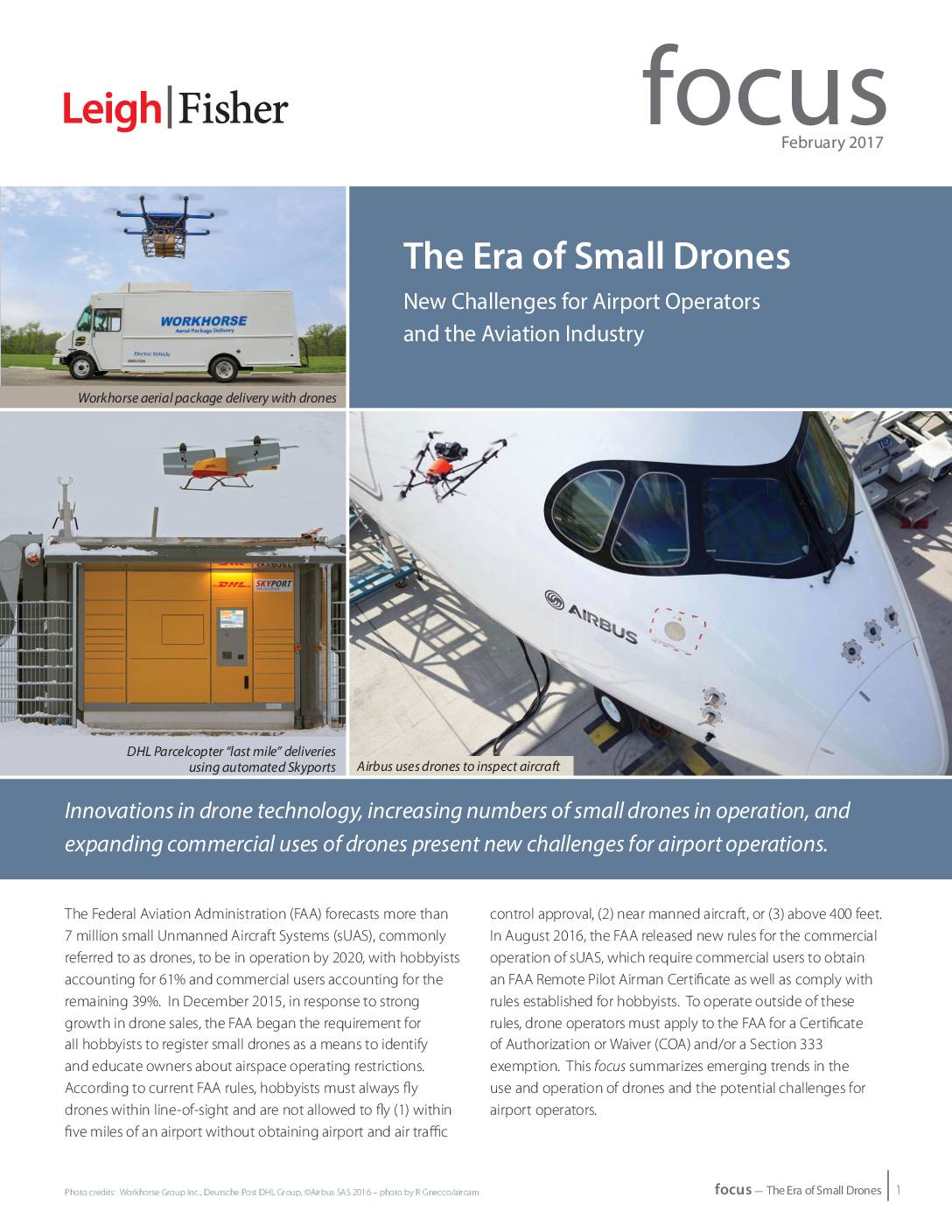
The era of small drones: New challenges for airport operators and the aviation industry
This 2017 industry report examines the rapid growth of small drones (sUAS) and the challenges they pose for airport operators, noting that the FAA projected over 7 million drones in operation by 2020. It outlines FAA registration requirements, commercial operating rules, and restrictions such as the prohibition on flying within five miles of an airport without prior approval. The report also highlights increasing drone sightings near airports and aircraft, and discusses industry initiatives aimed at safely integrating drones into national airspace.