TagPort Of Seattle(2403)
-
 2001-08-09
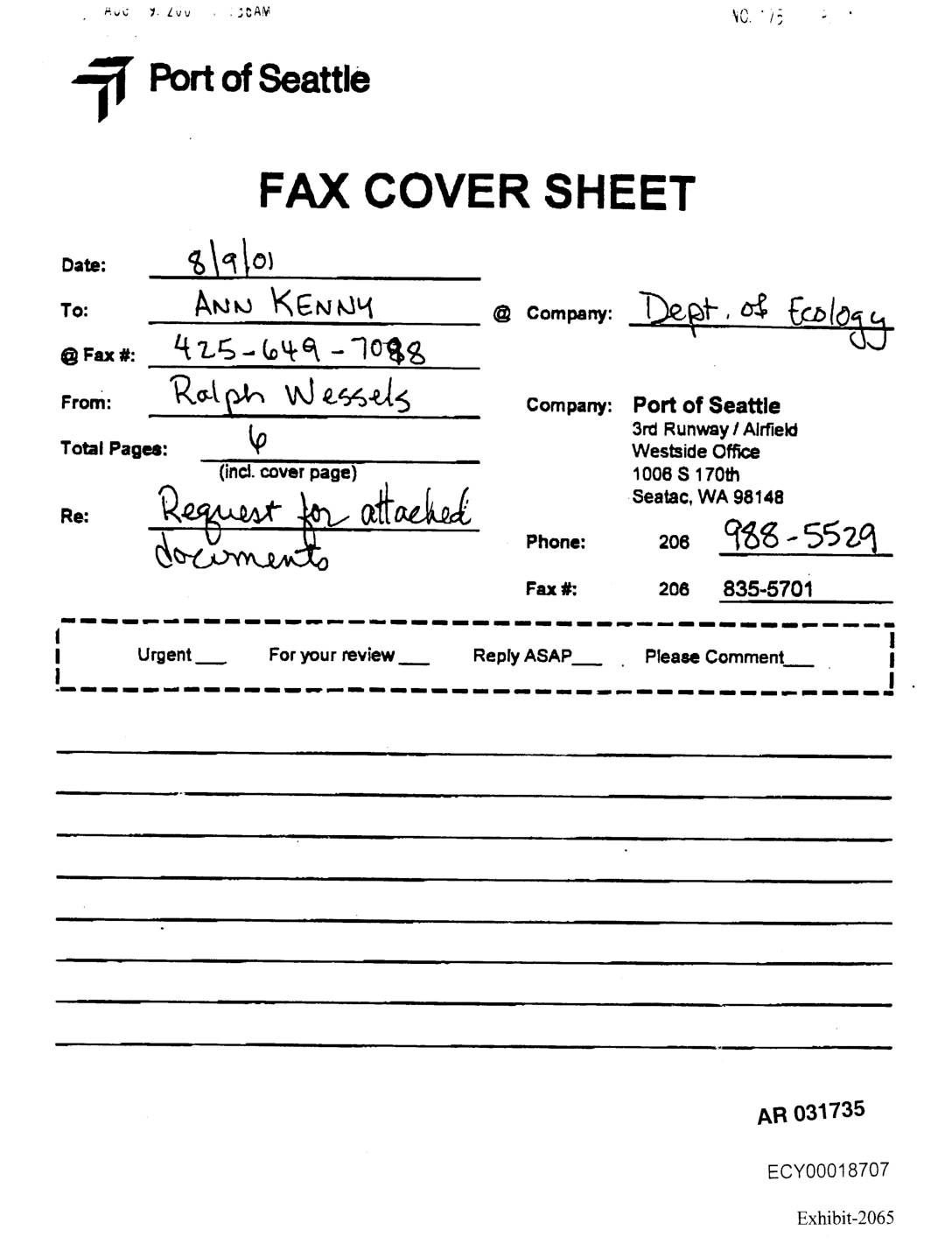
Exhibit 2065: Port Of Seattle Fax to Ecology — Auburn Wetland Mitigation Project Stormwater Permit SO3-004191
Fax cover sheet dated 8/9/01 from Ralph Wessels (Port Of Seattle, 3rd Runway/Airfield, Westside Office, 1006 S 170th, Seatac WA 98148) to Ann Kenny at Washington State Department of Ecology (fax 425-649-7088), requesting attached documents. Attached is an April 4, 2001 certified mail letter from Ecology to Ralph Wessels granting coverage under the Stormwater General -
 2001-08-09
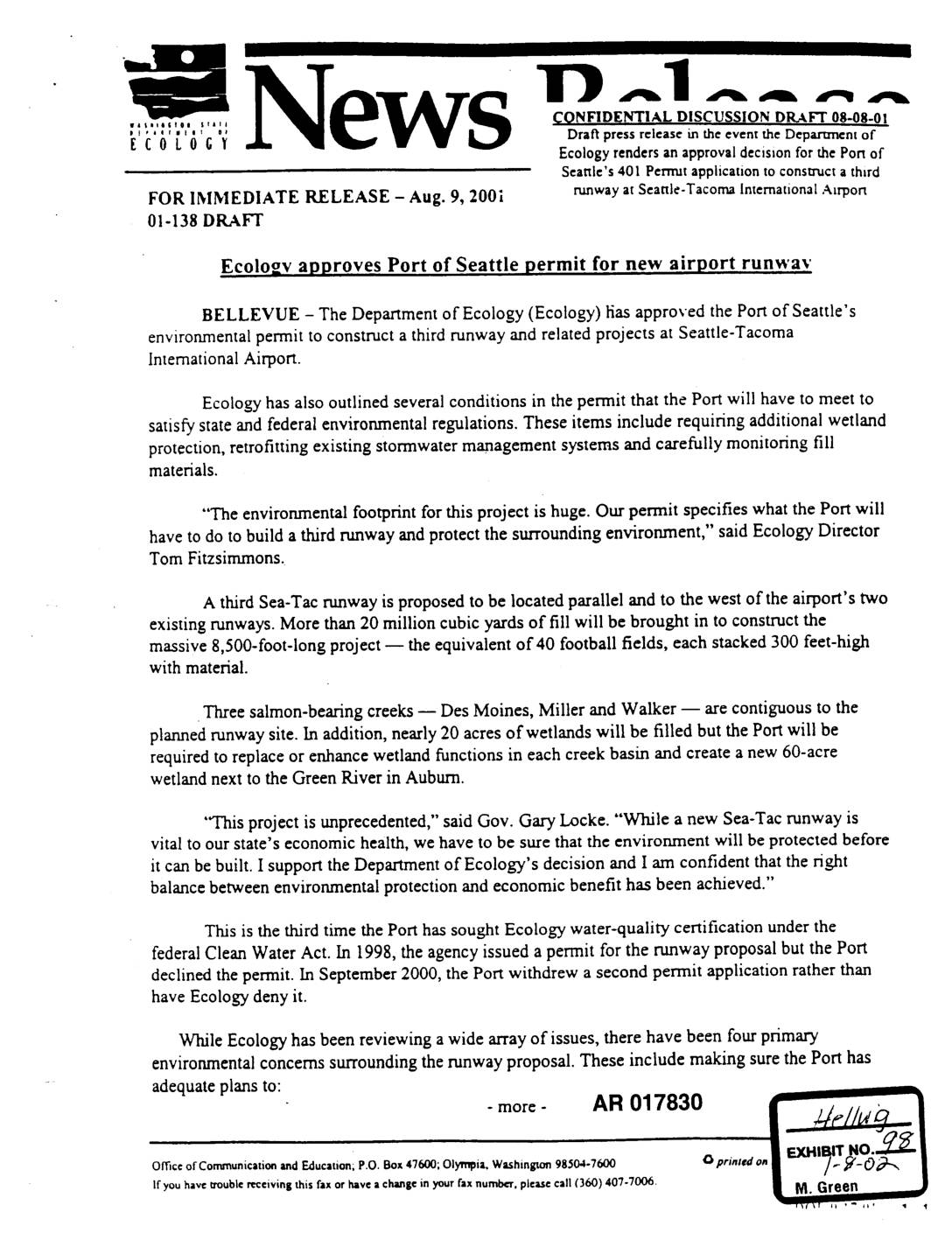
EXH AR017830: Ecology Approves Port Of Seattle Permit for New Airport Runway (Third Runway) — Confidential Discussion Draft Press Release
Confidential discussion draft press release (01-138 DRAFT, dated August 9, 2001) from Washington State Department of Ecology (Ecology) announcing approval of Port Of Seattle’s 401 water-quality certification permit under the federal Clean Water Act to construct a third runway at Seattle-Tacoma International Airport. The permit includes conditions covering stormwater management (15 major ponds and vault -
 2001-08-08
Exhibit 1271: Port Of Seattle Sea-Tac Third Runway Embankment Fill Modeling Report
Pacific Groundwater Group (Seattle, WA, project JE0105) prepared this embankment fill modeling report for Port Of Seattle regarding the Sea-Tac Airport Third Runway construction, dated August 8, 2001. The report addresses groundwater and fill modeling associated with the Third Runway embankment fill at Sea-Tac Airport. Document marked ‘Superceded’ and received by Foster Pepper & Shefelman -
 2001-08-07
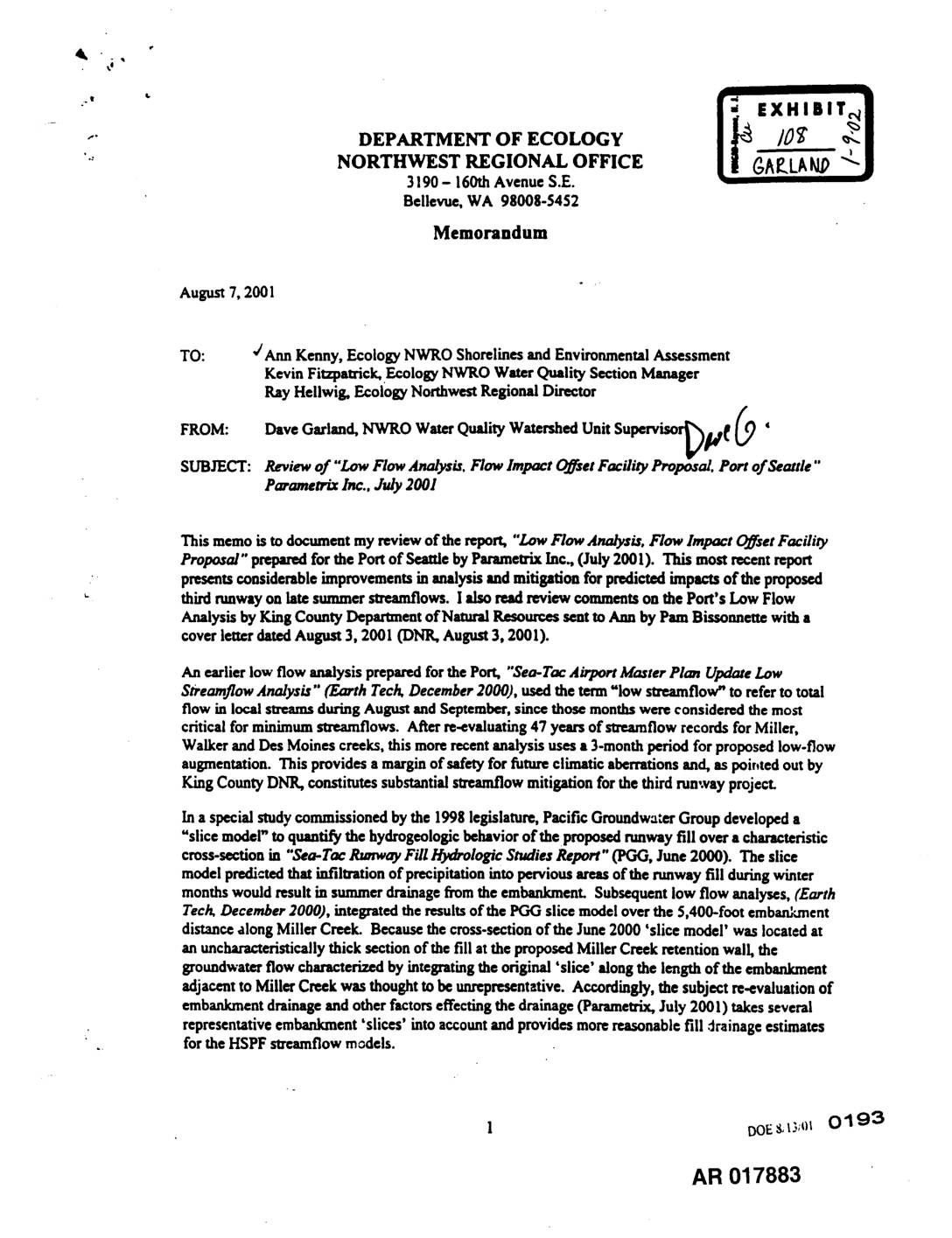
Exhibit 108: Ecology NWRO Memorandum — Review of Low Flow Analysis, Flow Impact Offset Facility Proposal, Port Of Seattle (Parametrix Inc., July 2001)
Memorandum dated August 7, 2001 from Dave Garland, NWRO Water Quality Watershed Unit Supervisor, to Ann Kenny, Kevin Fitzpatrick, and Ray Hellwig of the Washington State Department of Ecology Northwest Regional Office. Reviews the Parametrix Inc. July 2001 report ‘Low Flow Analysis, Flow Impact Offset Facility Proposal’ prepared for Port Of Seattle regarding predicted impacts -
 2001-08-07
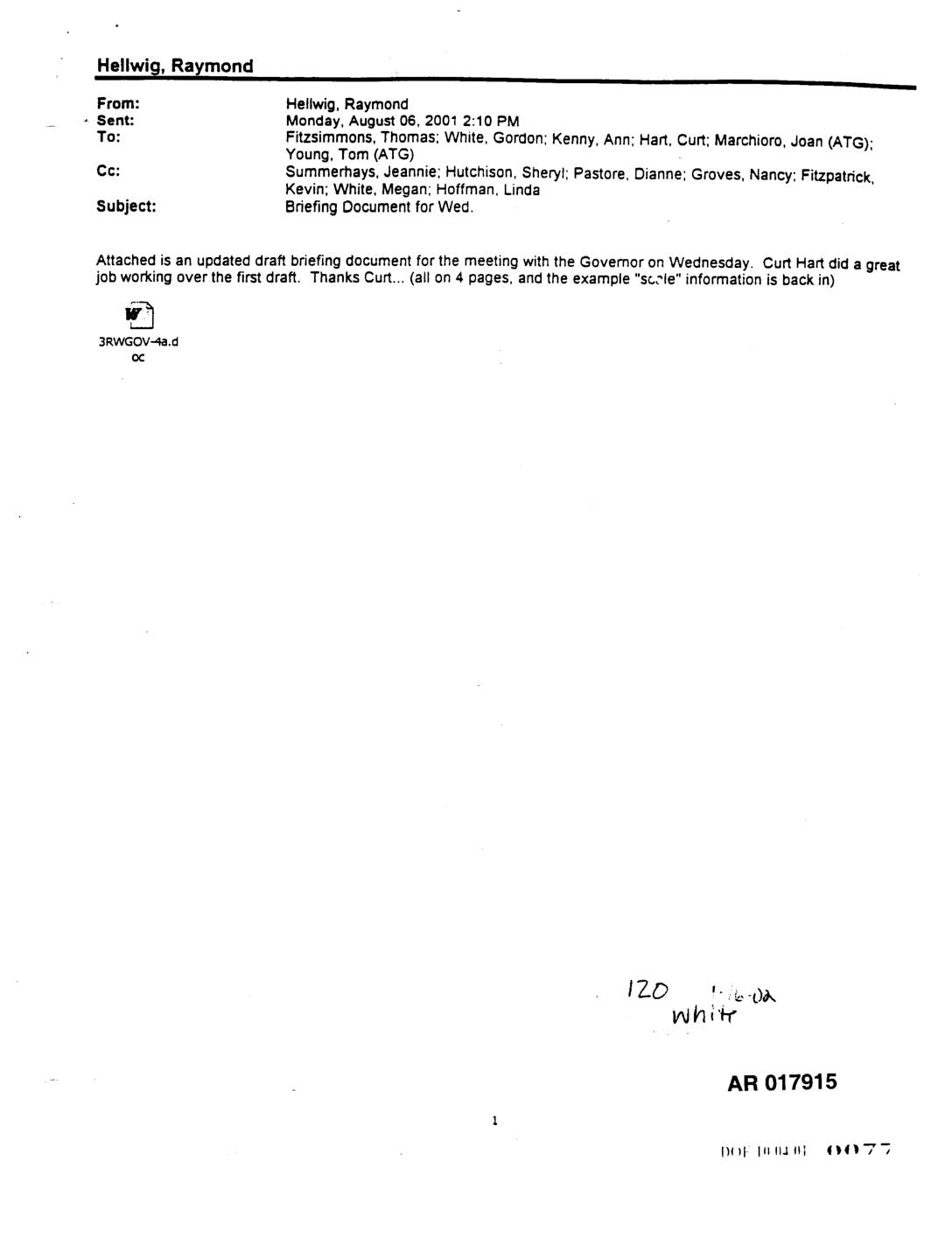
EXH AR017915: Ecology Briefing Document for Governor Locke — Third Runway Proposal at Sea-Tac Airport
Department of Ecology memorandum dated August 7, 2001, from Director Tom Fitzsimmons to Governor Gary Locke, briefing on Ecology’s decision to approve with conditions a 401 Water Quality Certification to Port Of Seattle for construction of a third runway at Seattle-Tacoma International Airport (Sea-Tac Airport). Covers project impacts including 18.37 acres of wetlands, 980 linear -
 2001-08-07
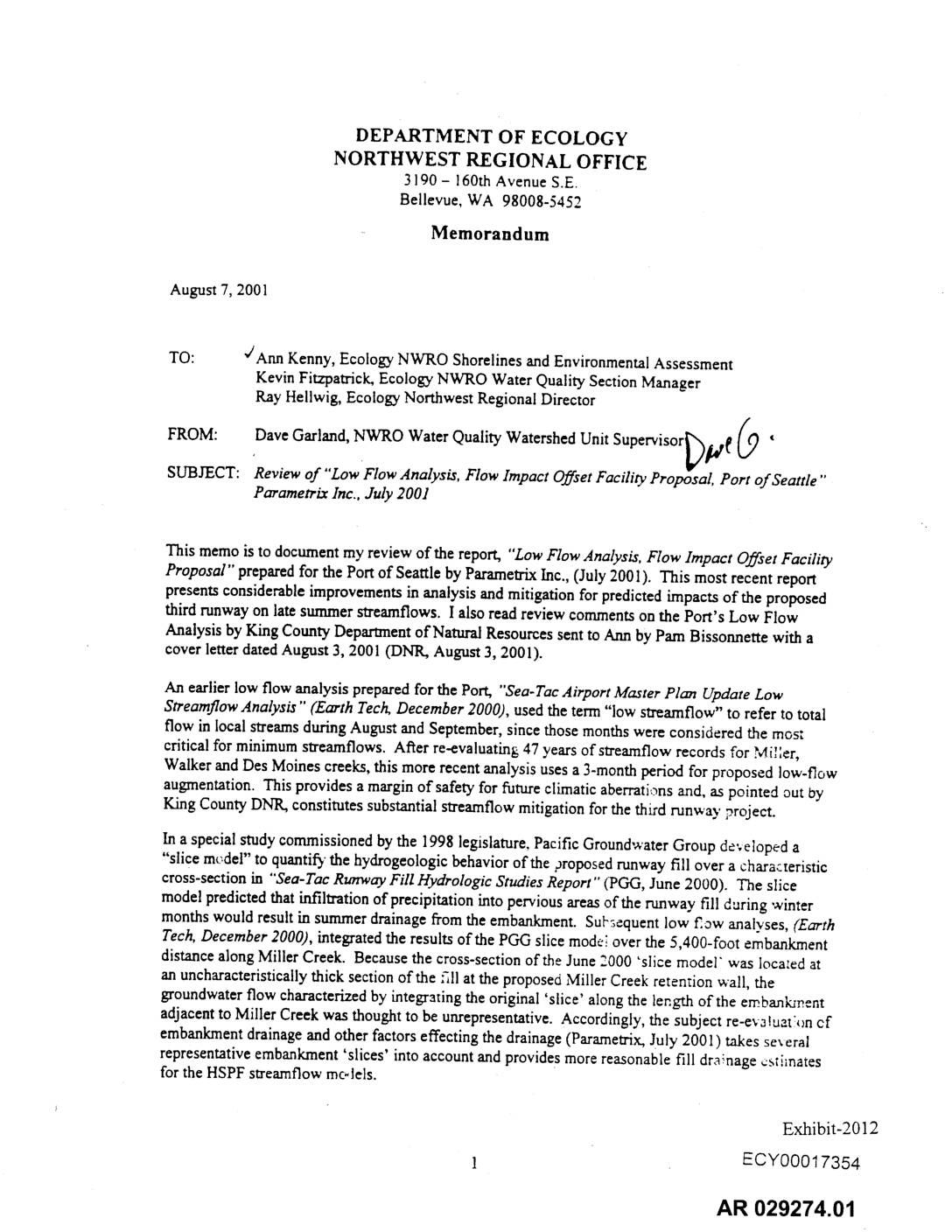
Exhibit 2012: Ecology Memorandum — Review of “Low Flow Analysis, Flow Impact Offset Facility Proposal, Port Of Seattle” by Parametrix Inc., July 2001
Memorandum dated August 7, 2001 from Dave Garland, NWRO Water Quality Watershed Unit Supervisor, Washington State Department of Ecology, to Ann Kenny, Kevin Fitzpatrick, and Ray Hellwig, reviewing Parametrix Inc.’s July 2001 “Low Flow Analysis, Flow Impact Offset Facility Proposal” prepared for the Port Of Seattle regarding the proposed third runway at Sea-Tac Airport. Reviews -
 2001-08-07
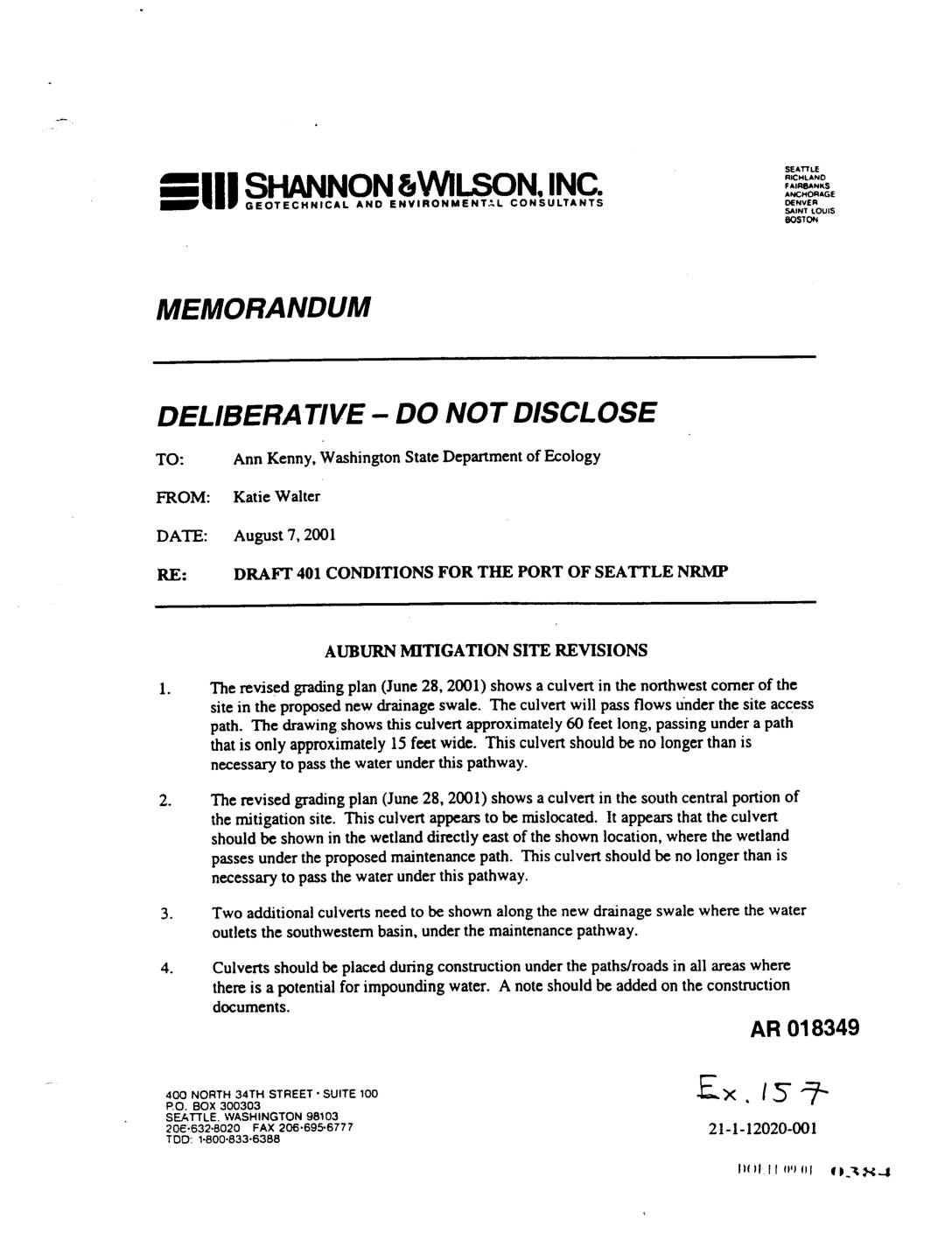
Exhibit 157: Draft 401 Conditions for Port Of Seattle NRMP — Auburn Mitigation Site Revisions and Performance Standards
Memorandum dated August 7, 2001, from Katie Walter (Shannon & Wilson, Inc.) to Ann Kenny (Washington State Department of Ecology) regarding draft 401 conditions for the Port Of Seattle Natural Resource Mitigation Plan (NRMP), marked Deliberative — Do Not Disclose. Covers Auburn mitigation site culvert placement issues from the June 28, 2001 revised grading plan, -
 2001-08-07
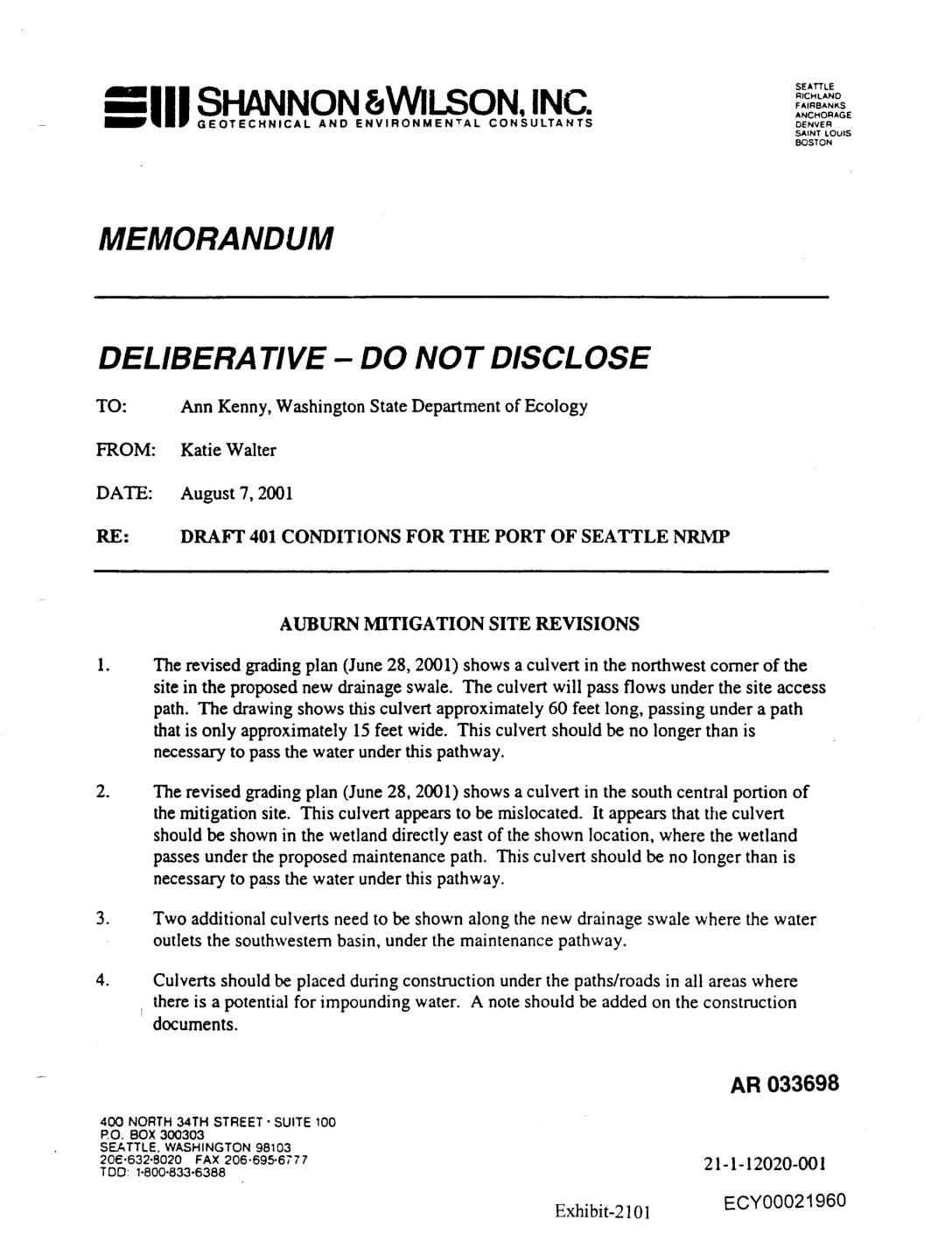
Exhibit 2101 (AR 033698): Draft 401 Conditions for the Port Of Seattle NRMP — Auburn Mitigation Site Revisions and Performance Standards
Memorandum dated August 7, 2001, from Katie Walter (Shannon & Wilson, Inc.) to Ann Kenny (Washington State Department of Ecology), marked ‘Deliberative – Do Not Disclose,’ regarding draft 401 conditions for the Port Of Seattle Natural Resources Mitigation Plan (NRMP), Auburn Mitigation Site. Document addresses culvert placement issues in the revised grading plan (June 28, -
 2001-08-06
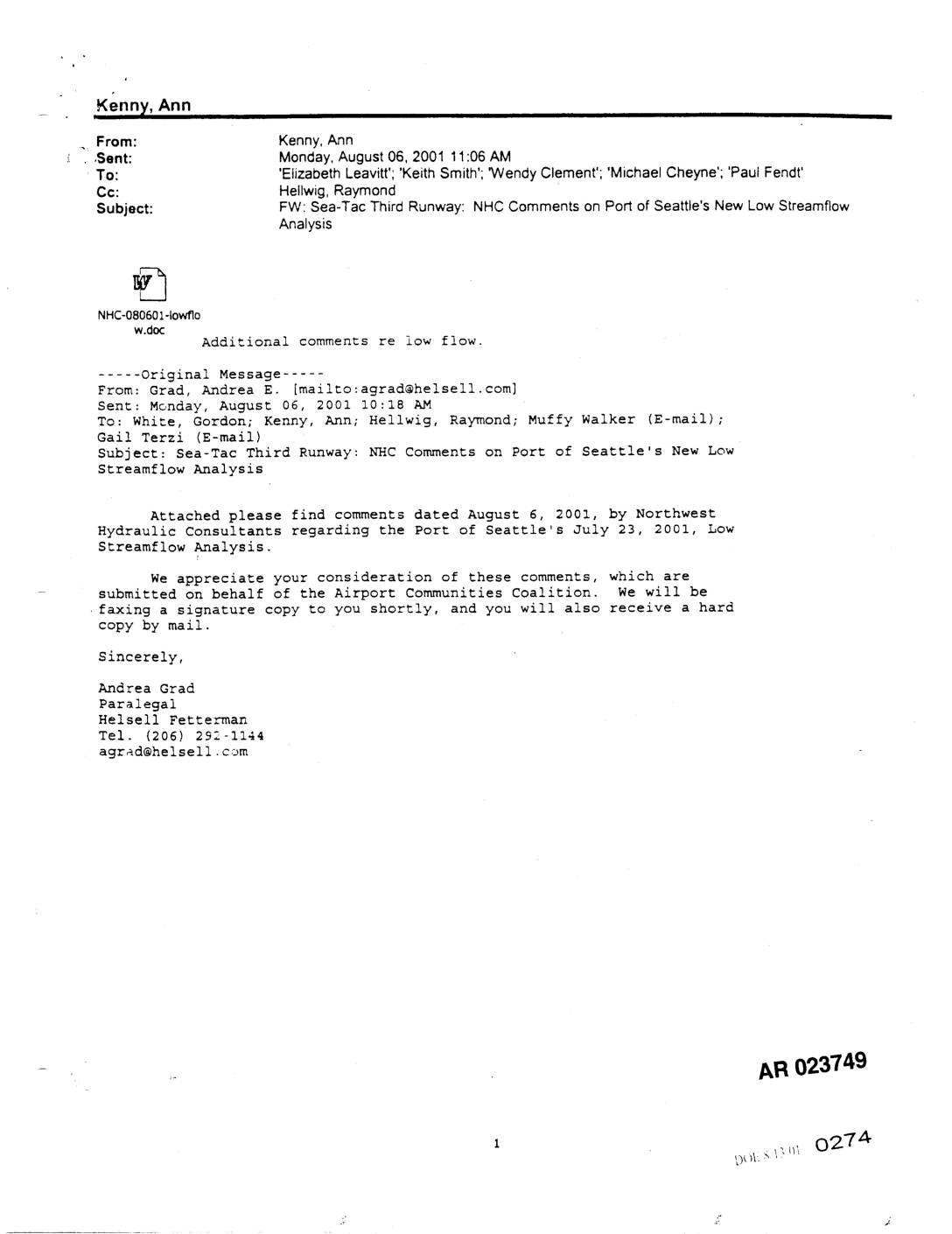
Exhibit AR023749: NHC Letter to Ecology re ACC Comments on Port Of Seattle Low Streamflow Analysis, Third Runway
This August 2001 letter from Northwest Hydraulic Consultants, submitted on behalf of the Airport Communities Coalition, raises technical concerns about the Port of Seattle's Low Streamflow Analysis for the proposed Sea-Tac Airport third runway project. The letter argues the Port's document is incomplete, inconsistent with the Stormwater Management Plan, and lacks critical design details needed to demonstrate that impacts to low streamflows in Walker, Des Moines, and Miller Creeks will be adequately mitigated. Key issues identified include missing sections in the analysis report, unaddressed impacts from airport expansion activities, conflicting information about proposed storage facilities, and failure to account for water transit losses during dry periods. -
 2001-08-06
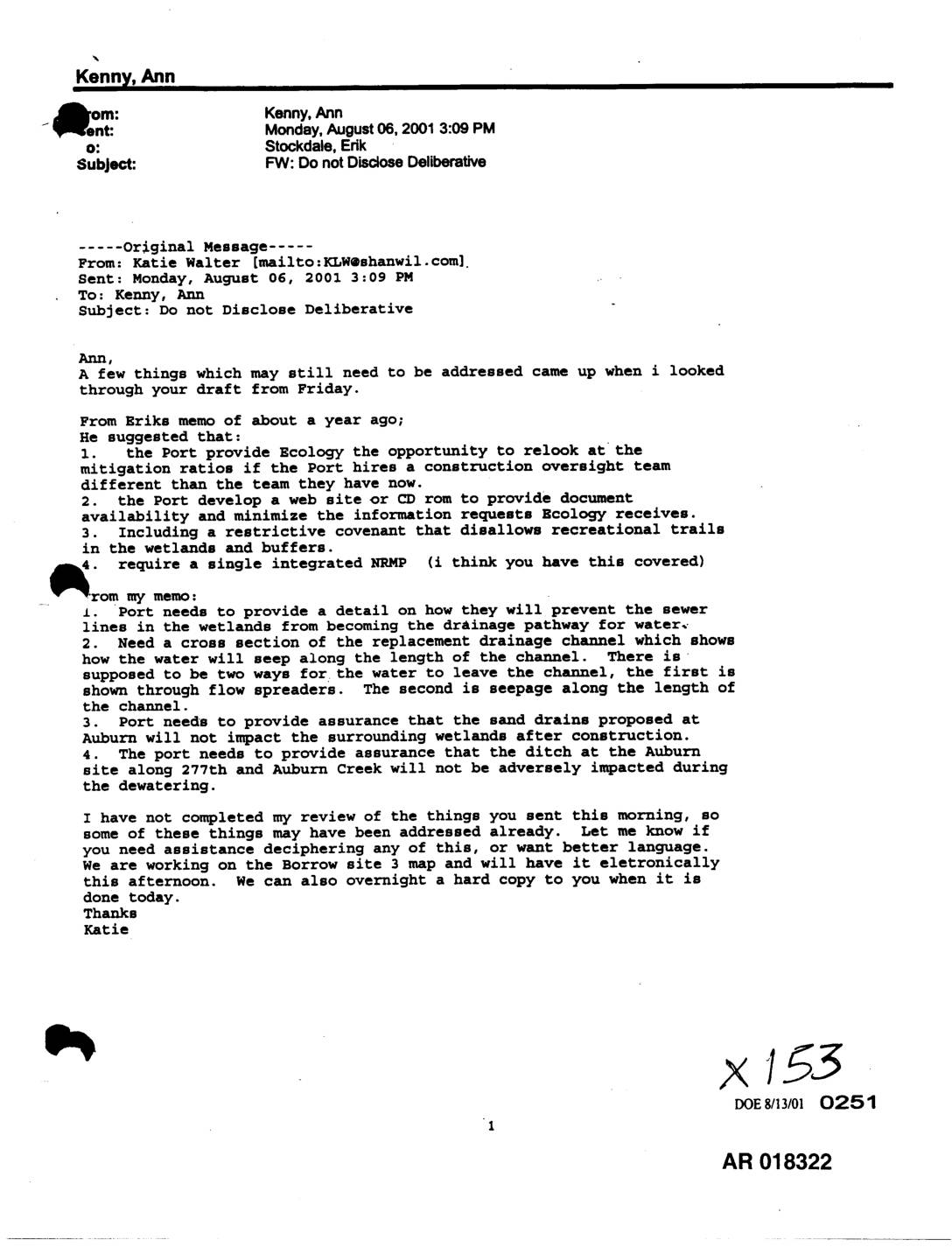
Exhibit 153: Email – Do Not Disclose Deliberative – Katie Walter to Ann Kenny re Port Of Seattle Wetland Mitigation Issues
Email from Katie Walter (KLW@shanwil.com) to Ann Kenny (Ecology), forwarded to Erik Stockdale, dated August 6, 2001, marked ‘Do not Disclose Deliberative’ (AR 018322, DOE 8/13/01 0251). Discusses outstanding issues in a draft permit or approval for Port Of Seattle wetland mitigation, including mitigation ratios, construction oversight team, web site/CD-ROM for document availability, restrictive covenants