TagNoise(91)
-
 2022-10-23 00:48
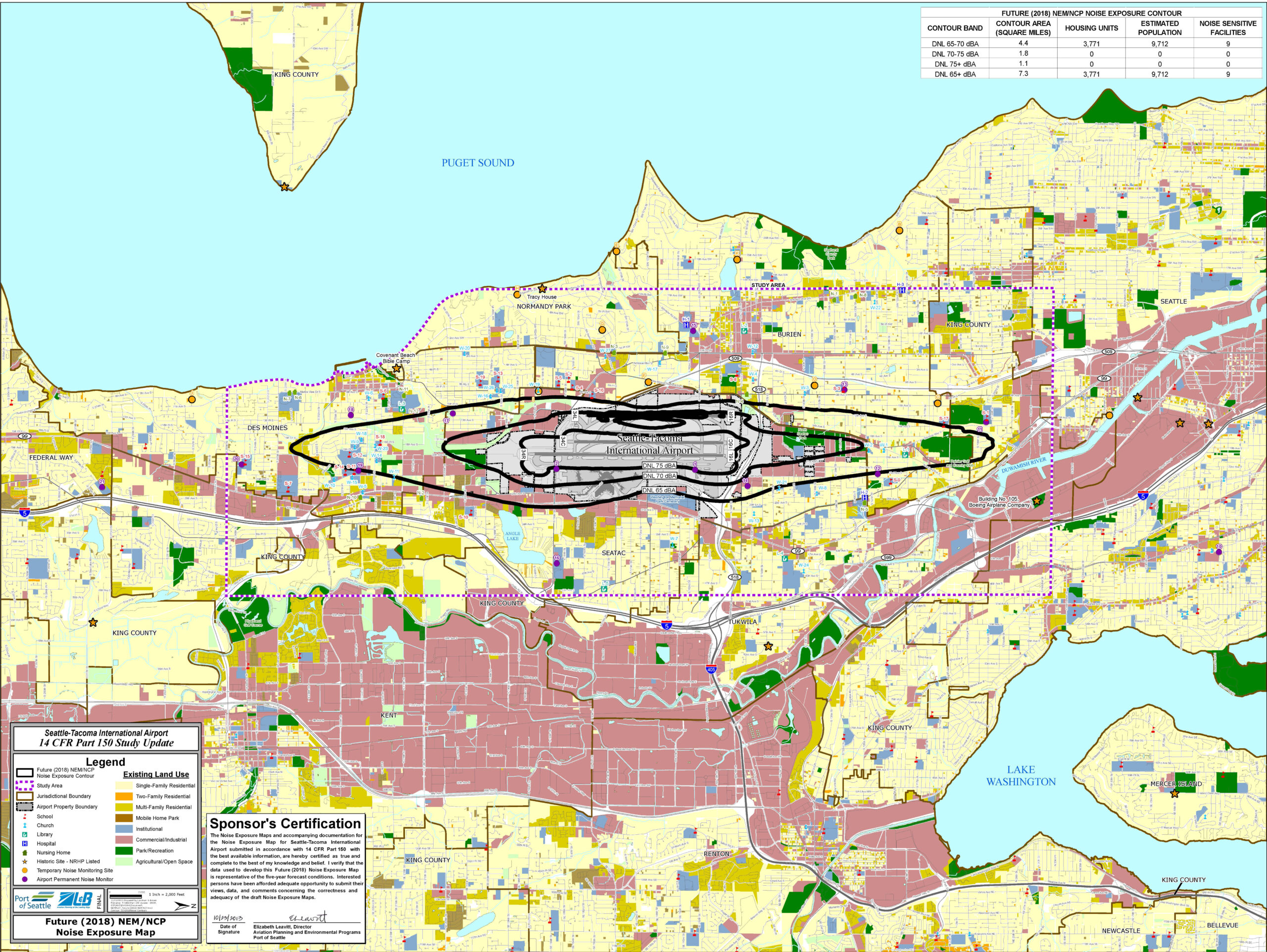
X 2 – Nem Plot Future (2018) Nem Ncp
-
 2022-08-28 19:43
Quiet Communities: Minimizing the Effects of Noise through Land Use Controls 03/79
National Auociation of Counties Research , Inc. fJL- E Quiet Communities: Minimizing the Effects of Noise through Land Use Controls . . . . . . . . . . . ... Highway Noise Map Quiet Communities: Minimizing the Effects of Noise through Land Use Controls Alan Magan, Principal Author Robert Weaver, Associate Director Constance Mason, Secretary National Association of Counties Research, Inc. Bernard F. HiJJenbrand, Executive Director March 1979 Disclaimer: Work on this handbook was supported by a grant from the U.S. Environmental Protection Agency, Office of Noise Abatement and Control. The contents do not necessarily reflect the views or policy of the Environ· mental Protection Agency. Airport Noise Map Table of Contents Preface ........................................... 1 Executive Summary ................................... 3 Comprehensive Land Use Planning ........................ 5 Implementation Techniques .............................. 9 Special Noise Problems. . . . . . . . . . . . . . . . . . . . . . . . . . . . . . . 1 7 Implementation ..................................... 23 Appendix A: Noise Metrics and Prediction Methodologies ................ 25 Appendix B: Noise Standards ........................... 27 Appendix C: Compensable Zoning ....................... 36 Appendix D: Bibliography ............................. 40 Community Noise Control U.S. Environmental Protection Agency, Model Noise Control Ordinance, 1975, 24pp. California Department of Health, Model Community Noise Control Ordinance, 1977,57 pp. Noise Assessment and Prediction U.S. Department of Housing and Urban Development, Noise Assessment Guidelines, 1971' 20 pp. Sources: Office of Noise Control, California Department of Health, 21 51 Berkeley Way, Berkeley,… -
 2022-08-28 19:39
The Unbearable Menace Airport Noise Ehs News James Mcc A Roll 09/72 Vol 20 9 Spl SP Sst
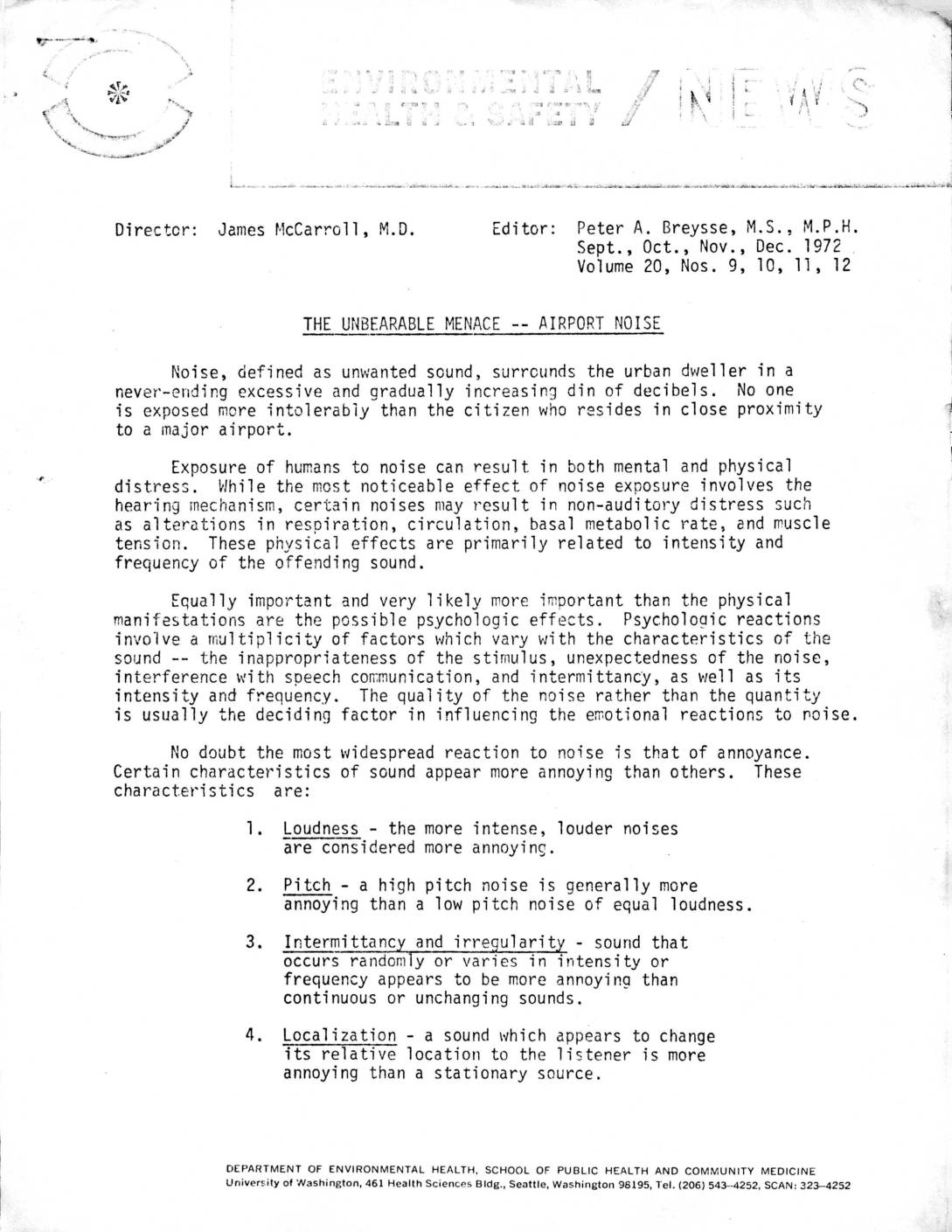
Director: James McCarroll, M.D. Editor: Peter A. Breysse, M.S., M.P.H. Sept., Oct., Nov., Dec. 1972 . Vo 1 ume 20, Nos. 9, 1 0, 11 , 12 THE UNBEARABLE MENACE -- AIRPORT NOISE Noise, defined as unwanted sound, surrounds the urban dweller in a never-ending excessive and gradually increasing din of decibels. No one is exposed more intolerably than the citizen who resides in close proximity to a major airport. Exposure of humans to noise can result in both mental and physical distress. While the most noticeable effect of noise exposure involves the hearing mechanism, certain noises may result in non-auditory distress such as alterations in resoiration, circulation, basal metabolic rate. and muscle tension. These physical effects are primarily related to intensity and frequency of the offending sound. Equally important and very likely more important than the physical manifestations are the possible psychologic effects. Psychologic reactions invo 'lve a multiplicity of factors which vary v-Jith the characteristics of the sound -- the inappropriateness of the stimulus, unexpectedness of the noise, interference \'ith speech COITimunication, and intermittancy, as well as its intensity and frequency. The quality of the noise rather than the quantity is usually the deciding factor in influencing the emotional reactions to raise. No doubt the most widespread reaction to noise is that of annoyance. Certain characteristics of sound appear more annoying than others. These characteristics are: 1. Loudness- the more intense, louder noises are considered more annoying. 2. Pitch- a high pitch noise is generally more annoying than… -
 2022-08-24 23:51
Zone 3 Committee Sea-Tac Airport Noise Study Larry Eikenberry-June 1972
DEPARTMENT OF SOC IAL Ai~D HEALTH SER VICES SIDNEY E. SMIT H SECRETARY ' .. ·-· ·~ - ,..,.... , DANIEL J. EVANS GOVERNOR HEALTH SERVICES DIVISION P . O , SOX 1788, OLYMPIA, WASHINGTON 98504 · ' TO: F'ROM: SUBJECT: Zone Three Committee Mr. Harold R. Macisaac, Chairman P.o. Box 98476 Des Moines, Washington 98016 Larry D. Ikenberry Noise Consultant NOISE SURVEY, ZONE THREE, SEA-TAC AIRPORT PURPOSE WALLACE LANE. M .D .. M .PH . ASSISTANT SECRETARY June 14, 1972 At the request of citizens in Zone Three, (representing 2,184 residences in Zone Three) a noise survey was conducted at twelve locations near residences and schools in the Zone. The purpose was to determine the range and significance of noise exposures to residences and schools from low-flying jet aircraft, while on a landing approach or just after take-off. The jet aircraft measured in this report include the 707, 727, 737, 747, and DC-8. This investigation was conducted in conjunction with Mr. John Moran and Robert Pekich of Environmental Management, Seattle-King County Health Department. METHOD AND EQUIPMENT Sound level measurements were recorded at the following locations: (See Zone 3 map). South 192 St. & Des Moines Way South 160 St. & 14 Ave. s. South 212 St. & 21 Ave. s. South 140 St. & 19 Ave. s. (front of Sunset Junior South 146 & 6 Ave. s. High School) South 227 St. & 24 Ave. s. (front of Pacific Junior High School) .) - 2 - t ... ~… -
 2022-08-24 10:01
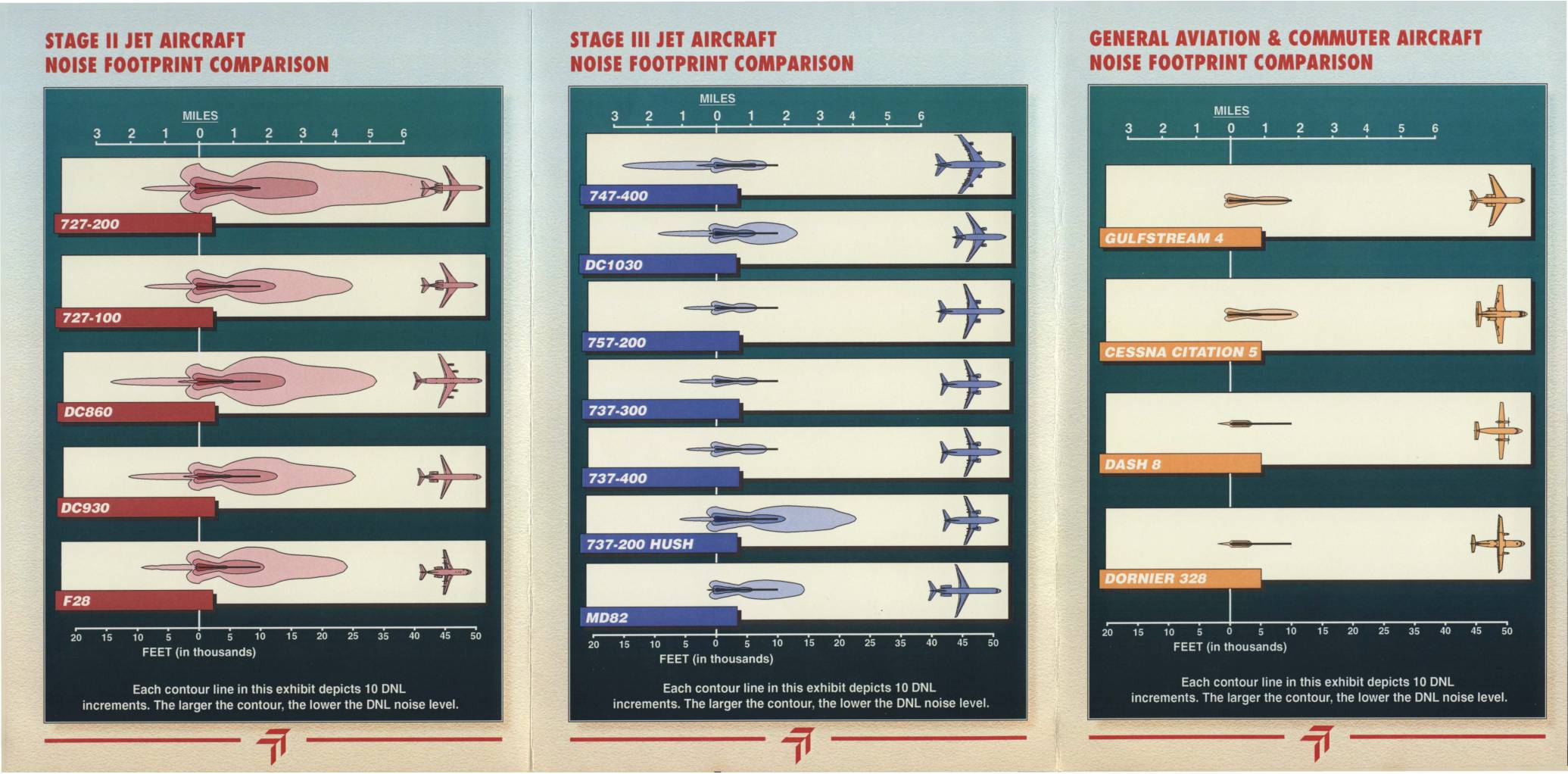
Commercial Aircraft Noise Footprint Comparison-SimpleScanStation20220823204417
area, the Port of Seattle recognizes its responsibility to address noise problems caused by Sea-Tac's aircraft operations. For this reason, Sea-Tac maintains a progressive aircraft noise abatement program that contains a number of features. Most significant, however, is the measurable noise relief that will come with decreased use of the Stage II aircraft. With this brochure, we would like to provide residents with an understanding of noise impacts associated with different types of aircraft using Sea-Tac Airport. The graphics illustrate the noise difference between Stage II and Stage ill aircraft, as well as provide information on common commuter aircraft used at Sea-Tac. EXPLANATION OF THE NOISE FOOTPRINT GRAPHICS The footprints in this brochure show the noise difference between types of aircraft and the difference between daytime and nighttime operations. In the illustrations, each interior contour line depicts a 10 DNL increase in noise over the outer contour with the outer contour depicting 65 DNL for a single nighttime operation, or 55 DNL for a single daytime operation. WHAT IS DNL? "DNL" (Day-Night Average Sound Level) is the primary metric used by most Federal agencies and airports in assessing aircraft noise exposure. It is based on sound levels measured in decibels. A decibel is a unit of measurement expressing the relative intensity of sound. The higher the decibel level, the louder the sound. DNL shows the cumulative effect of single noise events over a twenty-four hour period. Nighttime noise from 10 p.m. to 7 a.m. has a penalty of a 10… -
 2022-03-15 23:06
Lawmakers examine FAA response to aviation noise, say more public outreach is needed
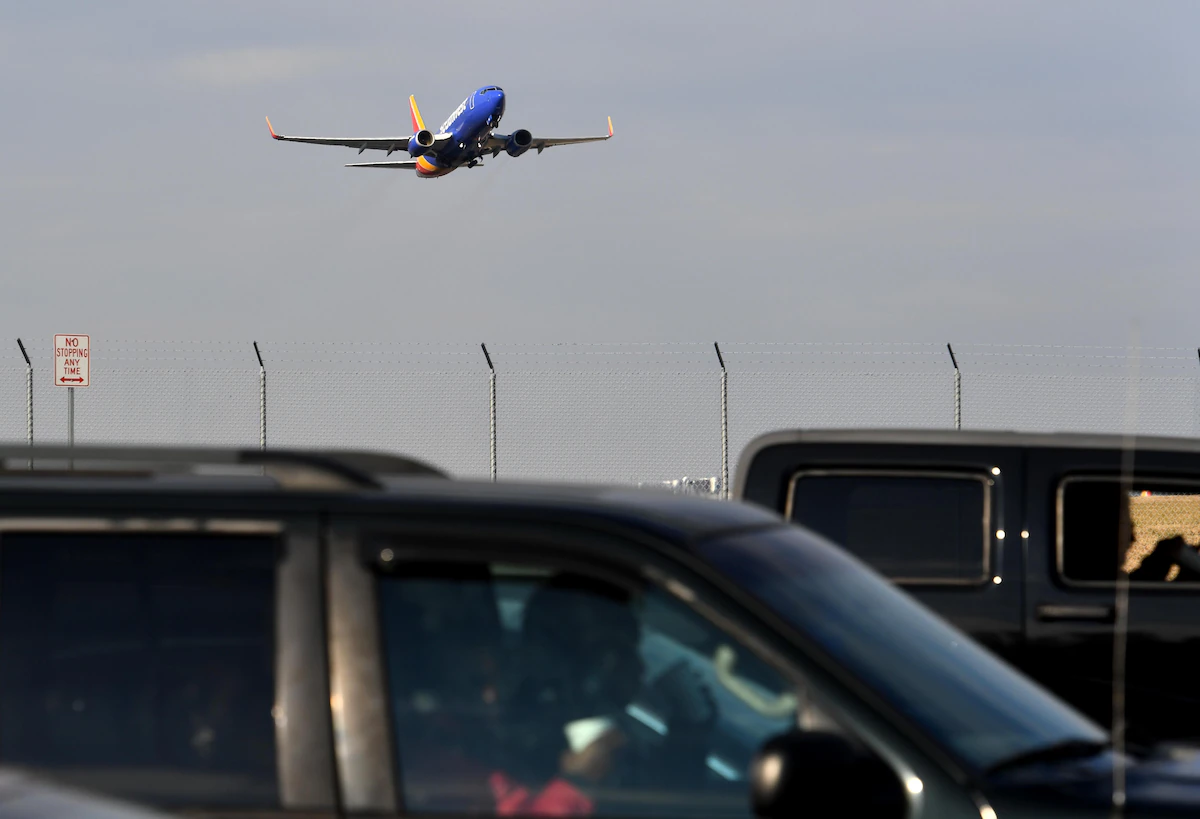
The number of people affected by loud aircraft has declined significantly over the past several decades Lori Aratani March 17, 2022 at 7:08 p.m. EDT A Southwest Airlines jet takes off from BWI Marshall Airport. (Katherine Frey/The Washington Post) Federal Aviation Administration officials told lawmakers Thursday that they have improved efforts to work with communities -
 2022-01-04 00:00
Compendium of WHO and other UN guidance on health and environment – Environmental Noise (2022)
Some rights reserved. This work is available under the Creative Commons Attribution-NonCommercial-ShareAlike 3.0 IGO licence (CC BY-NC-SA 3.0 IGO; https://creativecommons.org/licenses/by-nc-sa/3.0/igo). Suggested citation. Environmental noise. In: Compendium of WHO and other UN guidance on health and environment, 2022 update. Geneva: World Health Organization; 2022 (WHO/HEP/ECH/EHD/22.01). Licence: CC BY-NC-SA 3.0 IGO. -
 2021-09-27 00:00
Federal Airport Noise Regulations and Programs crsreports-R46920
Federal regulations mandating quieter aircraft have led to a considerable reduction of aircraft noise exposure over the past few decades. The Federal Aviation Administration (FAA) has estimated that the number of Americans exposed to significant levels of aircraft noise has fallen from 7 million in the 1970s to 430,000 in 2018. Nonetheless, aircraft noise remains a contentious issue in many communities. Congress plays an important role in addressing aircraft noise through legislation and oversight. FAA regulates aviation noise through its standards for certifying new aircraft, management of the air traffic control system consistent with safety standards, and technical and financial assistance to airports for noise reduction planning and mitigation activities. FAA administers two airport noise programs: Airport Noise Compatibility Planning (14 C.F.R. Part 150) was created by the Aviation Safety and Noise Abatement Act of 1979 (P.L. 96-193). FAA established the “day-night average sound level” (DNL) as the noise metric for describing community noise impacts and identified DNL 65 decibels (dB) as the threshold of significant aircraft noise as well as incompatible residential land use. Part 150 is the primary federal regulation directing planning for aviation noise compatibility on and around airports. Airport participation is voluntary. Participating airports are eligible to receive federal funding for noise planning and abatement and mitigation projects. Airport Noise and Access Restrictions (14 C.F.R. Part 161) were established under the Airport Noise and Capacity Act of 1990 (P.L. 101-508, Title IX, Subtitle D) to limit uncoordinated restrictions on aviation and airport access and… -
 2021-06-29 19:28
Cutting Through All the Noise
How the FAA is Working to Reduce the Impact of Aircraft Noise FAA Safety Briefing By Tom Hoffmann, FAA Safety Briefing Managing Editor Growing up in a neighborhood just over a mile north of JFK Airport’s Runway 22R/L, I know a thing or two about aircraft noise. We’re talking about the mid-1970s too, when 707s, -
2021-01-08 00:56
Navy should use our data on Growler noise, not dismiss it
Jan. 8, 2021 at 12:19 pm Updated Jan. 8, 2021 at 12:19 pm An EA-18G Growler engine’s thrust with afterburner propels its takeoff with a loud roar from Naval Air Station Whidbey Island during an exercise. (Ken Lambert / The Seattle Times) By Lauren Kuehne and Julian Olden Special to The Times We are the scientists