Skip to content
  • STNI
  • Statistics
    • Ops and Passengers
      • King County International Airport (Boeing Field) Annual Operations
    • Financials
    • Aviation fuel uplift in the State of Washington 2018 – 2025
      • Aviation Fuel Tax Revenue in the State of Washington 1983-2025
      • Aviation Fuel Uplift at Sea-Tac Airport
    • Air Quality Monitoring
    • Flight Tracking
      • Flow and Flight Tracks
      • Five Year Comparison
      • Busiest Hours and Days
    • SEL Noise Reports & Graphs
      • About The Permanent Noise Monitors
      • Minutes of Quiet by Noise Monitor
      • Noise Events mapped
      • Noise Events (SEL)
    • Runways
    • Employees
    • Real Estate
      • Port Properties and Trees mapped
    • Parking
  • Events
  • Protest
    • Regular Events
    • Legislation 2026
    • Complain about a particular flight
    • Advocacy Organizations
    • Media Outlets
    • People
    • The Port of Seattle
      • Commission Meetings
      • Public Records Requests
      • StART
      • Highline Forum
    • Contact Your Electeds
  • Resources
    • FAQs
      • FAA Occurrences/Accidents/Indents
    • The SAMP
      • SAMP Public Comment Template
        • Two versions of Appendix K: NEPA/SEPA 2018 vs 2023
      • SAMP NTP: 31 projects by the numbers
      • SEPA Draft EIS (2026)
      • SAMP Record of Decision/FONSI (2025)
      • SAMP Draft EA (October 2024)
      • 2018 Scoping
    • Port Packages
      • Port Package Property Costs
      • Port Packages mapped
      • The Port Package Explainer
      • So you want a (first-time) Port Package? Start here
      • Port Package Looker Upper
      • How do I determine if I have a Port Package or Avigation Easement?
      • Progress on Port Package Update legislation
      • Having a Port Package Problem?
      • Port Package Site Visit Follow-Up
    • Document Library
    • Explainers
      • The Airport Law Cheat Sheet
      • The Grant Explainer
    • External Articles
    • History
      • Timeline
      • The Sea-Tac Communities Plan
        • Sea-Tac Communities Plan – Planning Maps
      • PSRC Third Runway Decision Process
    • Studies
    • Videos
  • Stories
  • Mission
  • Subscribe
  • Contact
Scroll down to content

Get InformedStay Informedx

I understand that you will never share my information with anyone, you will only use it to keep me updated on relevant events and that I may unsubscribe at any time.

STNI

STNISea-Tac Noise.Info

  • Solve for Sea-Tac. Solve for every airport.
  • Since 2016, working to obtain justice for everyone living under the flight path.
  • Less Noise. Cleaner Air. Better Public Health. Compensation.
  • Everything you think you know about the airport is wrong.

TagAirbus(16)

Advanced Search Options

  • Dates
  • Media
    • External Articles
    • Images
    • PDFs
    • Video
    • Audio
  • Order By
  • 2023-05-01

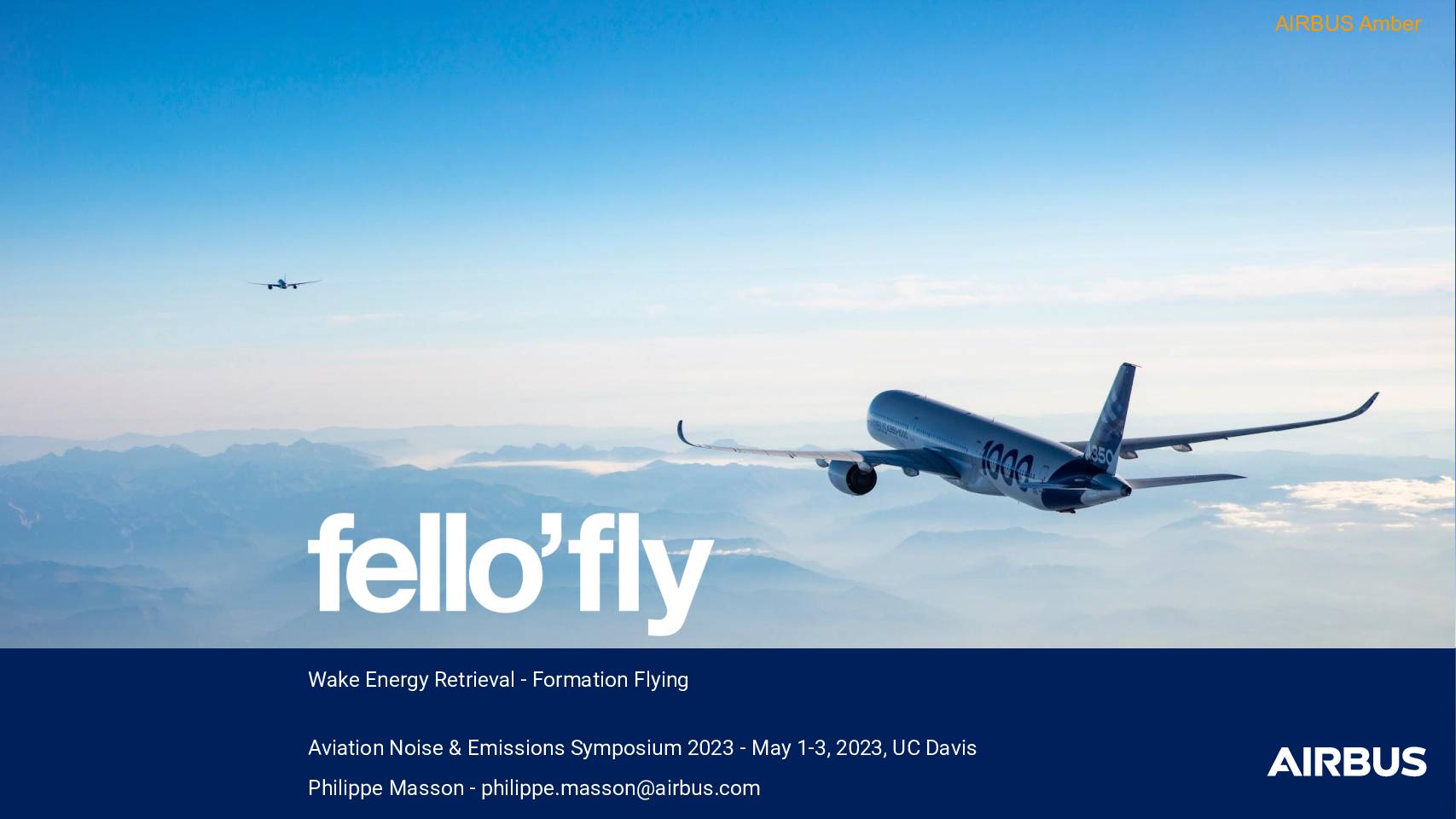
    Fello’fly: Wake Energy Retrieval – Formation Flying

    Airbus's 'fello'fly' program explores formation flying as a fuel-saving technique, where a follower aircraft positions itself in the smooth updraft of a leading aircraft's wake to recover otherwise wasted kinetic energy. This approach can reduce trip fuel consumption and emissions by around 5% for the follower aircraft, making it most beneficial on long-haul routes exceeding 2,000 nautical miles. Key factors affecting savings include aircraft pairing, the follower's position on the vortex, time spent in formation, and fuel used to enter the formation.
    TagsAirbus, ANES, Aviation Emissions, Aviation Noise & Emissions Symposium, FAAFolderAviation
  • 2023-04-06

    Delta Air Lines Airbus A330 Taxiing at Sea-Tac Airport International Terminal

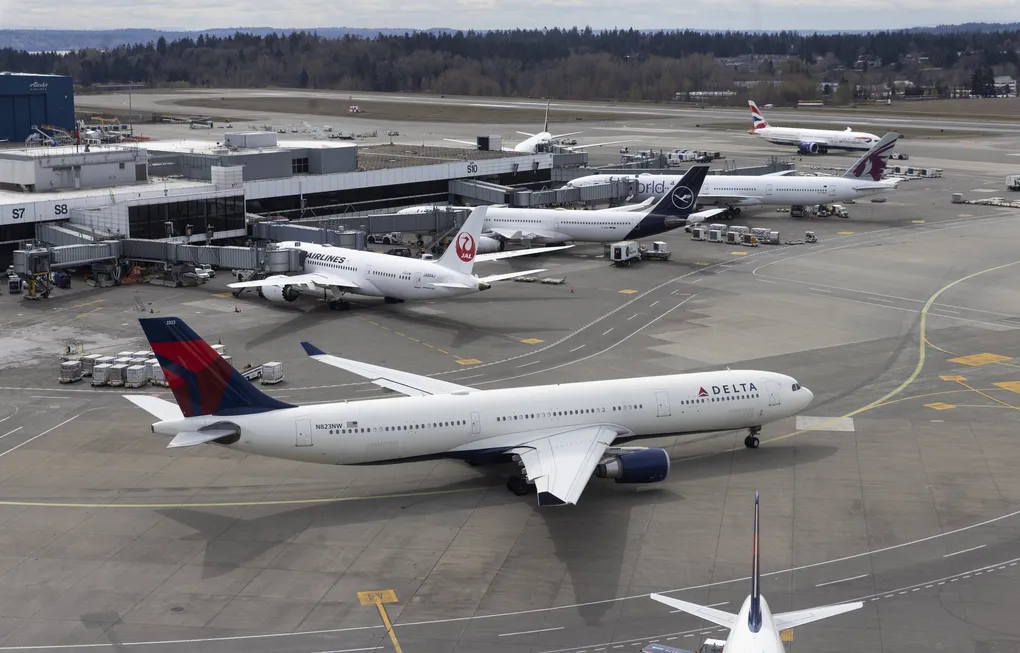
    A Delta Air Lines Airbus A330 (registration N623NW) taxis on the apron at Seattle-Tacoma International Airport, with gates S7–S10 visible in the background. Aircraft from JAL (Japan Airlines), Lufthansa, British Airways, and Qatar Airways are parked at the international terminal gates.
    TagsAirbus, aircraft, Airline Industry, Delta, Sea-Tac AirportFolderTerminal
  • 2023-03-01

    Aircraft Size Comparison – A320, A321, and Transcontinental/Transatlantic H2 Aircraft

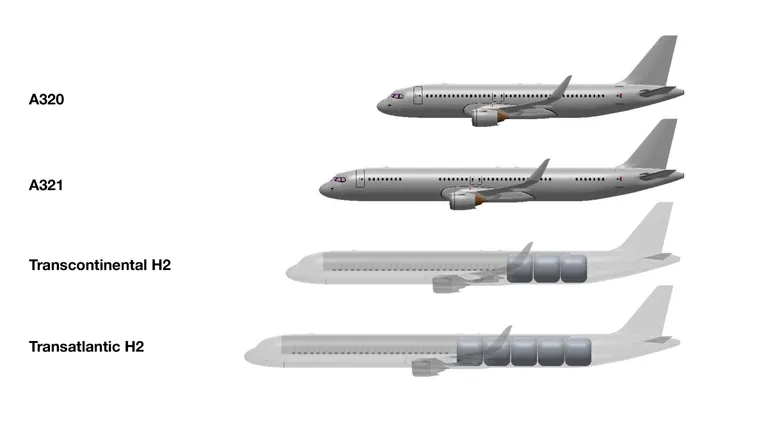
    The image compares four narrow-body aircraft configurations: the conventional Airbus A320 and A321, alongside two hydrogen-powered concept variants labeled 'Transcontinental H2' and 'Transatlantic H2.' The H2 variants show large cylindrical hydrogen fuel tanks visible in the aft fuselage section, illustrating how liquid hydrogen storage would be integrated into the A320/A321 airframe for medium- and long-range zero-emission flight.
    CategoriesExplainers TagsAirbus, aircraft, Alternative Fuels, Aviation Emissions, H2, liquid hydrogenFolderFederal
  • 2022-11-28

    Aircraft Approaching Airport Landing System

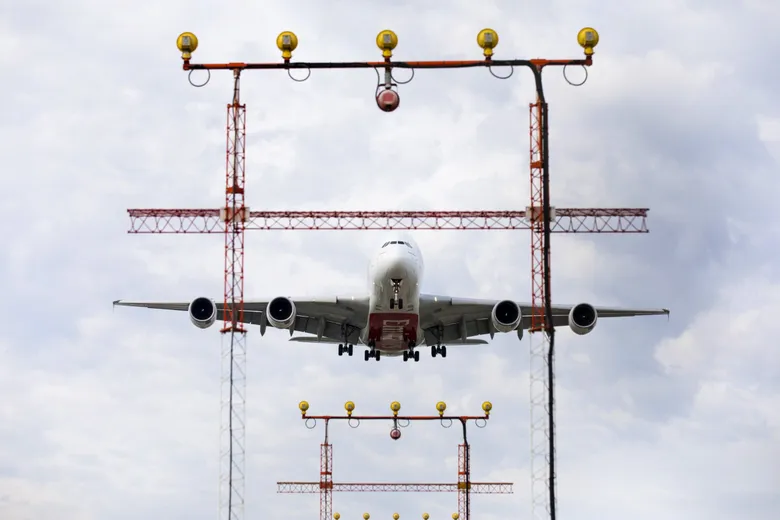
    A large four-engine widebody aircraft, consistent with an Airbus A380 configuration, is photographed head-on during final approach, framed by a red-and-white approach lighting system (ALS) gantry with yellow omnidirectional lights. Landing gear is fully extended, indicating imminent touchdown. No visible airline livery, watermarks, or location-specific markings are clearly discernible.
    TagsAir Traffic Control, Airbus, aircraft, Airports, Sea-Tac AirportFolderAviation
  • 2020-04-14

    Airbus A320 “Whistle”: ONCC Technical Committee Meeting, April 14, 2020

    Airbus A320 family aircraft (A318, A319, A320, A321) manufactured before 2014 produce a distinctive high-pitched whistling noise during descent, caused by airflow passing through Fuel Over Pressure Protector (FOPP) cavities located on each wing. The noise fades once the landing gear is deployed. A small device called a vortex generator, installed just in front of each vent opening, has been identified as an effective fix, reducing noise levels by up to 4 decibels during the approach phase.
    TagsAirbus, aircraft, Commercial Aviation, Noise Abatement Procedures, O'HareFolderAirbus
  • 1995-06-28

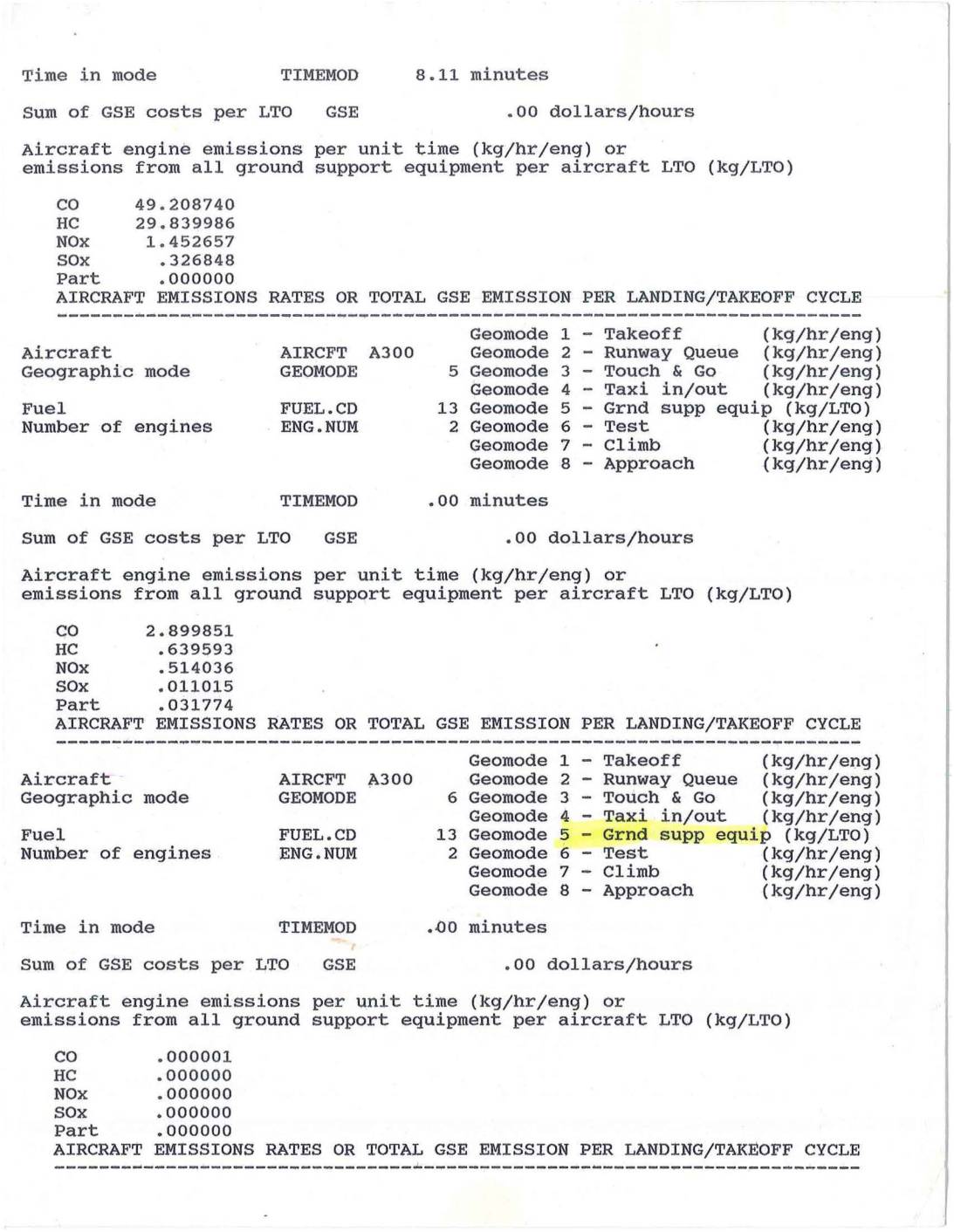
    Aircraft Emissions Rates for Landing/Takeoff Cycles – A300, 757, and 737 Aircraft

    Technical report showing aircraft engine emissions data for different aircraft types (A300, 757, 737) across various operational modes including takeoff, taxi, climb, and approach phases. Contains detailed emissions measurements for CO, HC, NOx, SOx, and particulates in kg/hr/engine units.
    CategoriesResources Tags737MAX, 777, Airbus, aircraft, Aviation Emissions, Boeing, Commercial AviationFolderAviation

Posts pagination

Page 1 Page 2
Sidebar On/Off

Upcoming Events

  • Stay Grounded Event: Night trains, not night planes!
    Add to CalendarMSunday Sep 13: 12:00am
    Ntnnp social media3

    For the past two years, more than 220 initiatives from 15 countries have declared September 13th as the International day for the ban of night flights at airports. In parallel, activists across Europe have been gathering for pyjama parties for night trains – coordinated in 2024 and 2025 by Back on Track and Stay Grounded.

    [...]
  • Burien Airport Committee Meeting September 15, 2026
    Add to CalendarMTuesday Sep 15: 6:00pm
    400 SW 152nd St, Burien, WA 98166
    Burien airport committee 15 sep 2026 agenda pdf pdf

    a) Part 150 Noise Study (Emily Inlow-Hood) — 15 minutes
    b) SAMP Update and Next Steps (Brian Davis and Sarah Moore) — 15 minutes
    c) Legislative Updates — 10 minutes
       • SCA (Sarah Moore)
       • Work with Sen. Orwall (Brian Davis)
    d) StART Reorganization (Jeff Harbaugh and Karen Veloria) — 10 minutes

    [...]

[See all...]


Help study childhood asthma. Get free HEPA filter!

read more...

Issues

Sea-Tac Airport is currently undergoing the largest and longest expansion in its history, collectively known as the Sustainable Airport Master Plan (SAMP). Some of it you can already hear, but you’re probably not aware of what it all means. Here’s what you need to know.
read more...

Read This!

As the source for federal transportation grants, the Puget Sound Regional Council was charged with developing a system to meet the growing need for commercial aviation. When the search for a second airport failed, they authorized the Port of Seattle to build the Third Runway, with a mandate to develop a noise abatement and mitigation program. In their effort to stop the Third Runway, the ACC argued over every detail of the Port's efforts--including property buyouts and sound insulation. The dispute was meant to be settled by a three member Expert Arbitration Panel. This is their final report. It finds 2-1, that the Port's program was insufficient in several respects. Despite that, funding for the Third Runway was approved by the PSRC, and the 'Port Package' program, proceeded largely unchanged. Expert Arbitration Panel's final decision finding that the Port of Seattle had not shown sufficient reduction in real on-the-ground noise impacts to satisfy noise reduction conditions required for approval of a third runway at Sea-Tac International Airport. The majority decision concluded the Port's noise abatement programs were insufficient despite being impressive in scope.
continue...

The Podcast!

Subscribe to the only podcast devoted to policies, politics, history, impacts for people living under the flight path everywhere. It’s definitely not just about noise!
  • Sea-Tac Noise.Info
  • Connect with STNI

    • Subscribe
    • Port Package Problem?
    • Donate
    • Podcast
    • Socials
      • Facebook
      • X (Twitter)
      • Bluesky
      • Instagram

    "City of SeaTac 2026 Legislative Agenda" — , 2026

  • Learn

    • Frequently Asked Questions
    • Explainers
    • Youtube
    • Research Requests
    • Make a complaint
  • Goals

    Fulfill the promises of 1976:
    • Compensation
    • Reduced noise
    • Improved air quality
    • Environmental remediation
Login/Register
©2026•Data Privacy

Message

We use cookies to provide basic functionality. We also provide access to search engines in order to provide site analytics. We do not sell or share your data.
V V