TagNSTP(84)
-
-
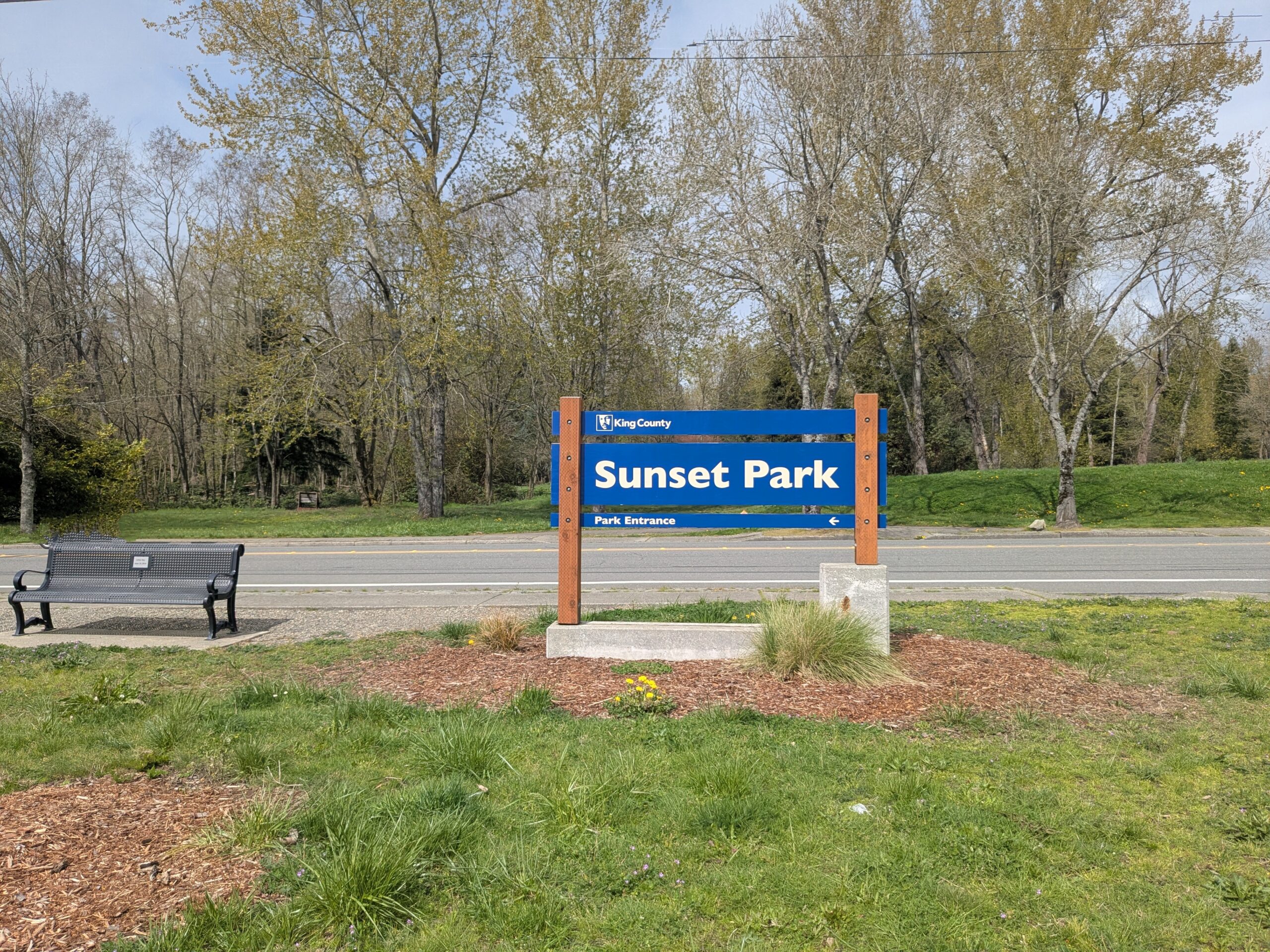
Sunset Park – King County Parks entrance sign
The blue entrance sign for Sunset Park, administered by King County Parks, is mounted on wooden posts along a roadway. A smaller line on the sign reads 'Park Entrance' with a directional arrow; a metal bench is visible to the left. Sunset Park is located near the Sea-Tac Airport noise-impact area in King County, Washington. -
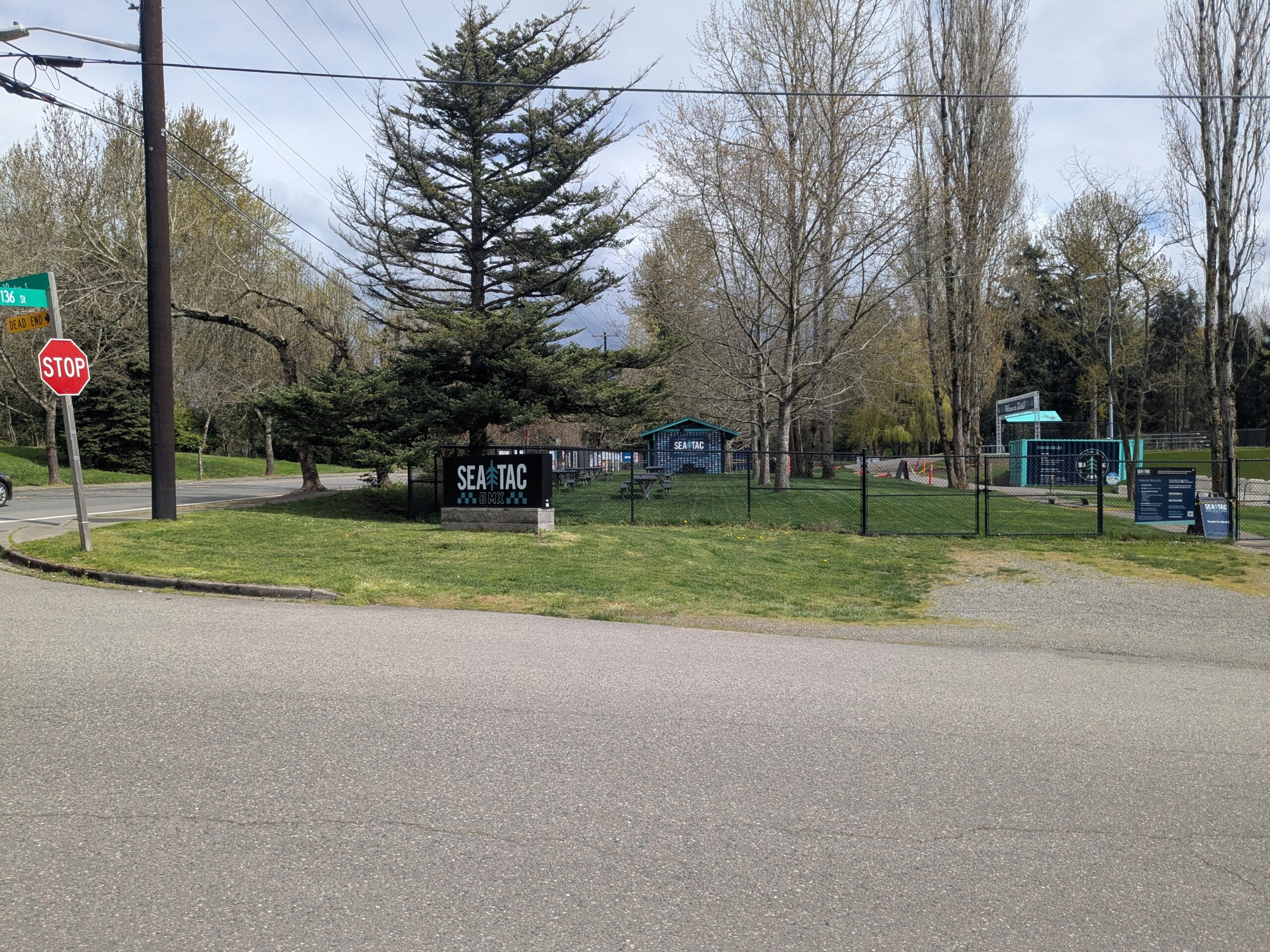
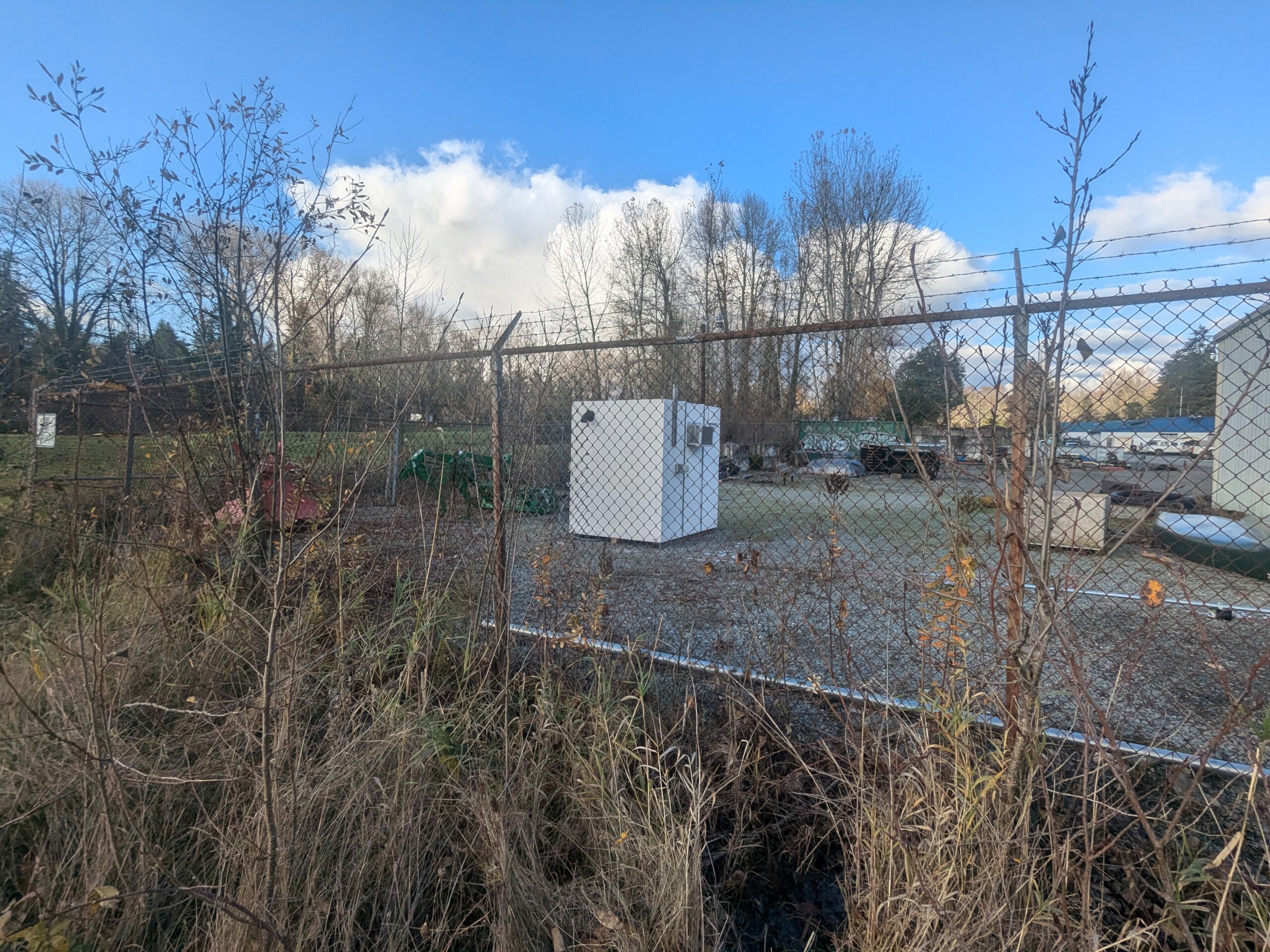
SeaTac BMX Facility Entrance, 136th Street
Entrance to the SeaTac BMX facility, showing the facility's branded monument sign and teal entry structure. The location is at a dead-end intersection on 136th Street, with chain-link fencing, a small clubhouse building, and informational signage visible on the grounds. -
-
-
-
 2024-08-15
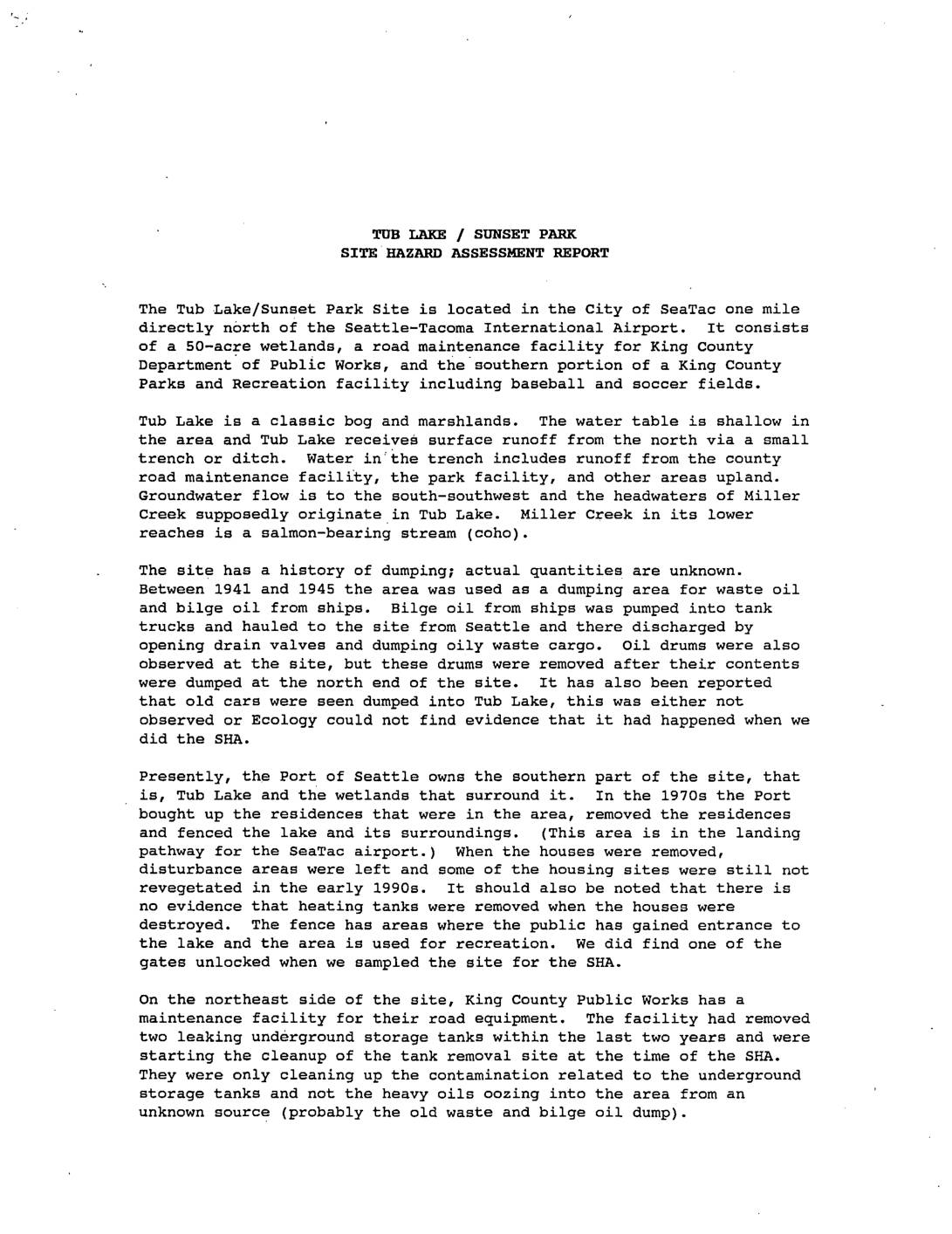
Tub Lake / Sunset Park site hazard assessment report
The Tub Lake/Sunset Park site in SeaTac, located one mile north of Seattle-Tacoma International Airport, was contaminated by decades of illegal dumping of waste oil and bilge oil from ships between 1941 and 1945, as well as leaking underground storage tanks at a King County road maintenance facility. Environmental sampling conducted in 1990 detected petroleum hydrocarbons, benzene, and other chemicals exceeding cleanup standards in soil, sediment, and water, with contamination estimated to cover 2-3 acres up to 12 feet deep beneath nearby playing fields. The Port of Seattle, which owns the southern wetlands portion of the site including Tub Lake, fenced the area in the 1970s after demolishing residences in the airport's landing pathway, though public access and ongoing contamination remained concerns at the time of the assessment. -
2024-08-13
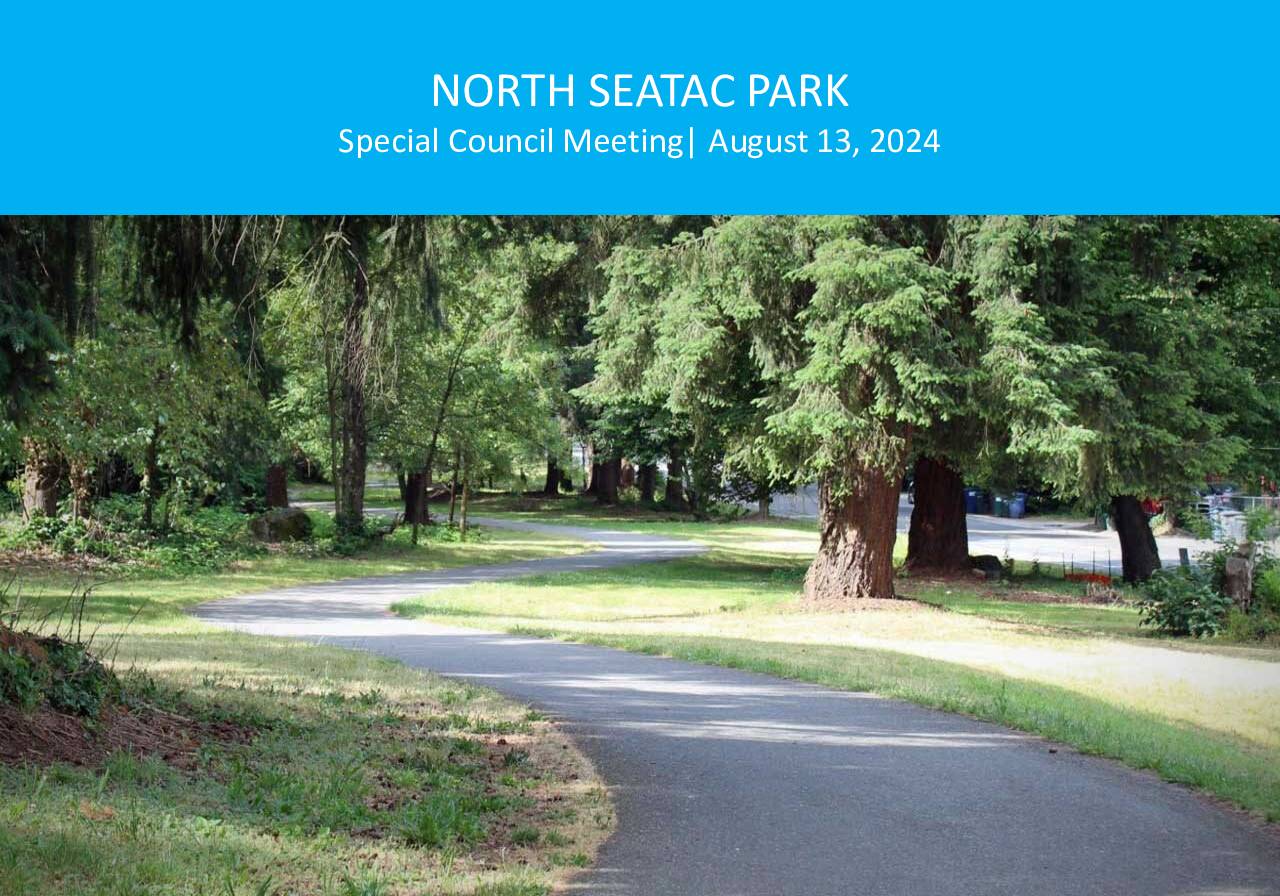
SeaTac City Council Special Meeting: the future of North Sea-Tac Park
55 or 200 Acres? There’s a lot more to this story The SeaTac City Council held a ninety minute Special Meeting (Agenda/Presentation) to discuss various options in purchasing the area known as North SeaTac Park, which is now (mostly) owned by the Port of Seattle. As Councilmember Peter Kwon mentioned at the beginning of the -
 2024-08-13
North Sea-Tac Park Special Council Meeting Presentation
At a Special Council Meeting on August 13, 2024, the City of SeaTac presented an overview of efforts to potentially acquire North SeaTac Park (NSP) from the Port of Seattle, following a 2022 City Resolution exploring its feasibility. The presentation outlined what is known and unknown about the park, noting that two letters had been sent to the Port Commission and a formal discussion was planned for an upcoming Joint Airport Communities (JAC) meeting. Council was asked to provide direction on how to prioritize the acquisition effort relative to other City projects, as no detailed feasibility analysis had yet been completed. -
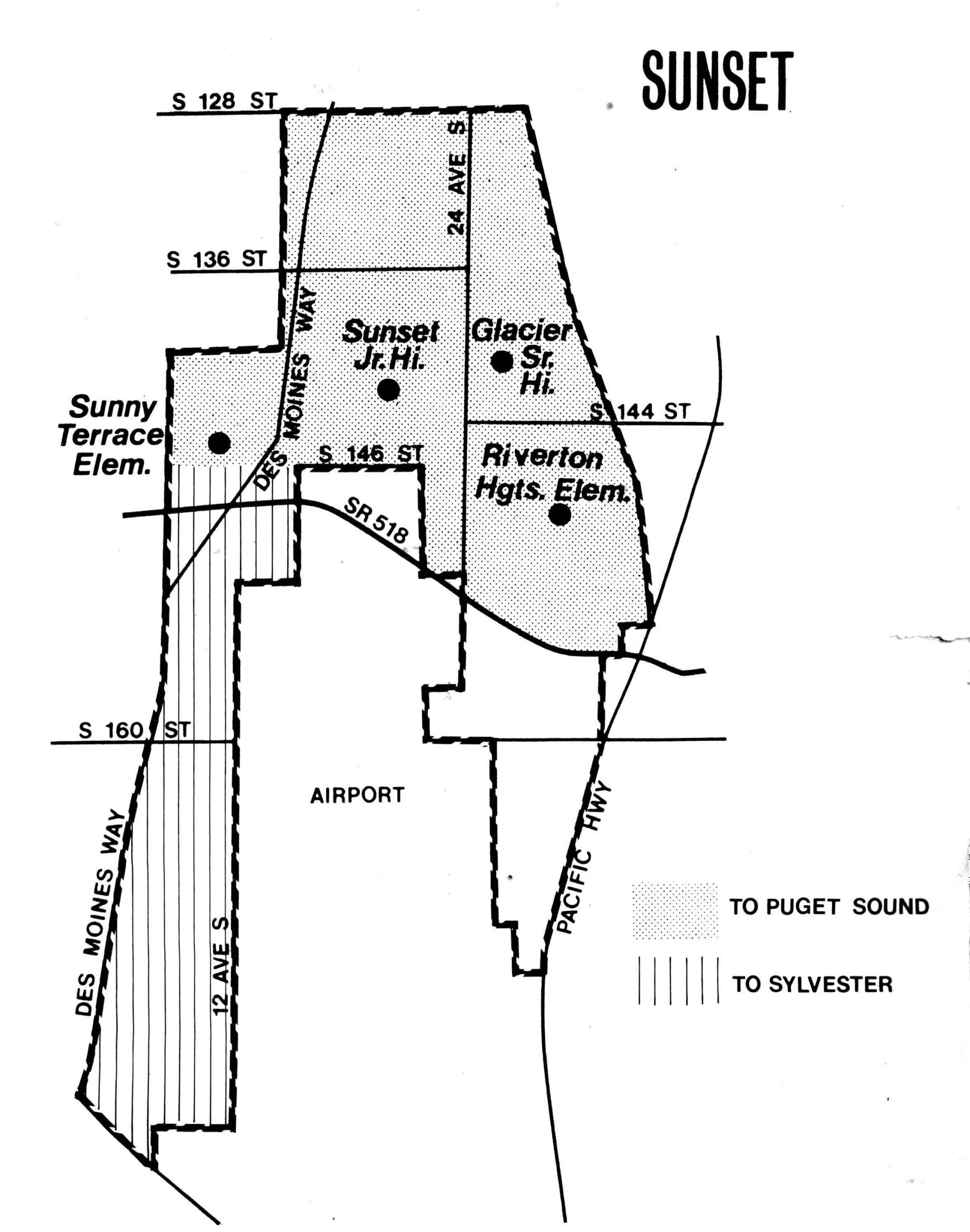
Four Sunset schools near North SeaTac Park
A boundary map for the 'Sunset' school district zone showing attendance areas for Sunny Terrace Elementary, Sunset Jr. High, Glacier Sr. High, and Riverton Heights Elementary, bounded by S 128th St to the north and S 160th St to the south, with Des Moines Way and Pacific Hwy as western and eastern corridors. The map identifies sub-zones feeding to Puget Sound and Sylvester districts, and depicts the airport area near SR 518, relevant to Sea-Tac Airport noise policy planning.