TagPeat Marwick Mitchell(15)
-
 1981-10-28
Airspace Study: Sea-Tac International Airport and King County International Airport
★ 32This 1981 airspace study, prepared by Peat, Marwick, Mitchell & Co., examines how the shared use of airspace between Seattle-Tacoma International Airport (Sea-Tac) and King County International Airport (Boeing Field) affects the capacity of both airports. The two-phase study analyzes projected congestion and delays through the year 2000 and evaluates operational and policy alternatives to reduce airspace conflicts. A public information program was also included to keep the community informed of the study's findings and implications. -
 1981-10-01
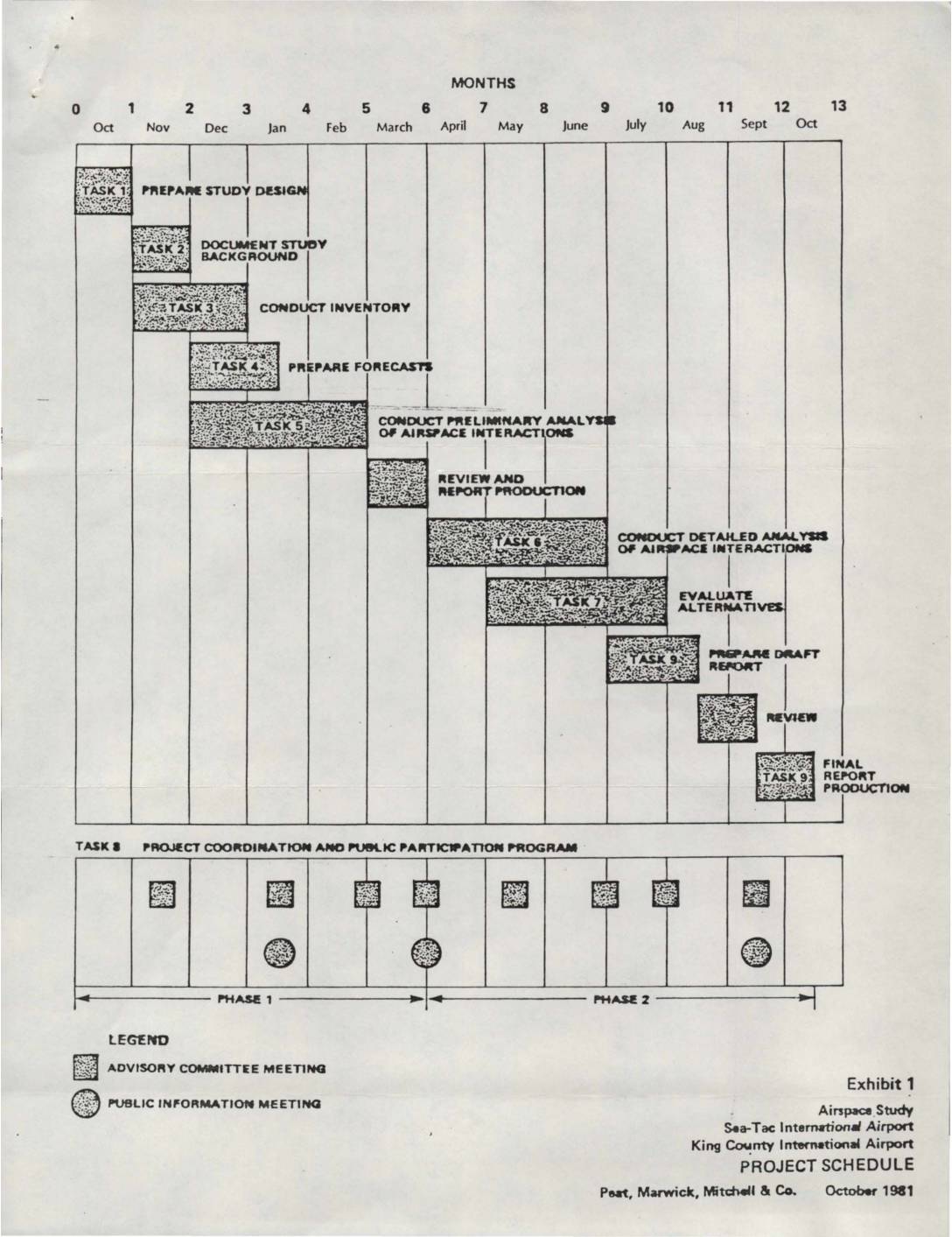
Exhibit 1: Airspace Study Sea-Tac International Airport / King County International Airport — Project Schedule
This document presents the project schedule for an airspace study covering Sea-Tac International Airport and King County International Airport, prepared by Peat, Marwick, Mitchell & Co. in October 1981. The 13-month study is divided into two phases and nine tasks, ranging from preparing the study design and conducting inventories to evaluating alternatives and producing a final report. The schedule also includes regular Advisory Committee meetings and Public Information meetings as part of a project coordination and public participation program. -
 1977-09-01
Planning for the airport and its environs: The Sea-Tac success story
In the absence of such guidance, what may be termed a "let them sue" approach was essentially followed by the Port during the period from 1957 to 1972. -
FAA ‘The Sea-Tac Success Story’ 09/1977
A draft cover page for a report titled 'Planning for the Airport and Its Environs: The Sea-Tac Success Story,' prepared for the Federal Aviation Administration Office of Environmental Quality in Washington, D.C. The report was prepared by Peat, Marwick, Mitchell & Co. of San Mateo, California, and dated September 1977. -
 1974-08-23
Noise improvement programs: Sea-Tac/Communities Plan
This 1974 report, prepared by Peat, Marwick, Mitchell & Co., identifies thirteen potential programs to reduce aircraft noise impacts on communities surrounding Seattle-Tacoma International Airport. The programs range from government acquisition and demolition of properties in high-noise zones—converting the land to low-intensity uses like golf courses or farming—to modifications of zoning and development regulations enforced by King County and nearby municipalities. Each program is evaluated with a pros-and-cons analysis to help stakeholders determine the most effective approach to improving the noise environment near Sea-Tac.