Seattle Times business reporter
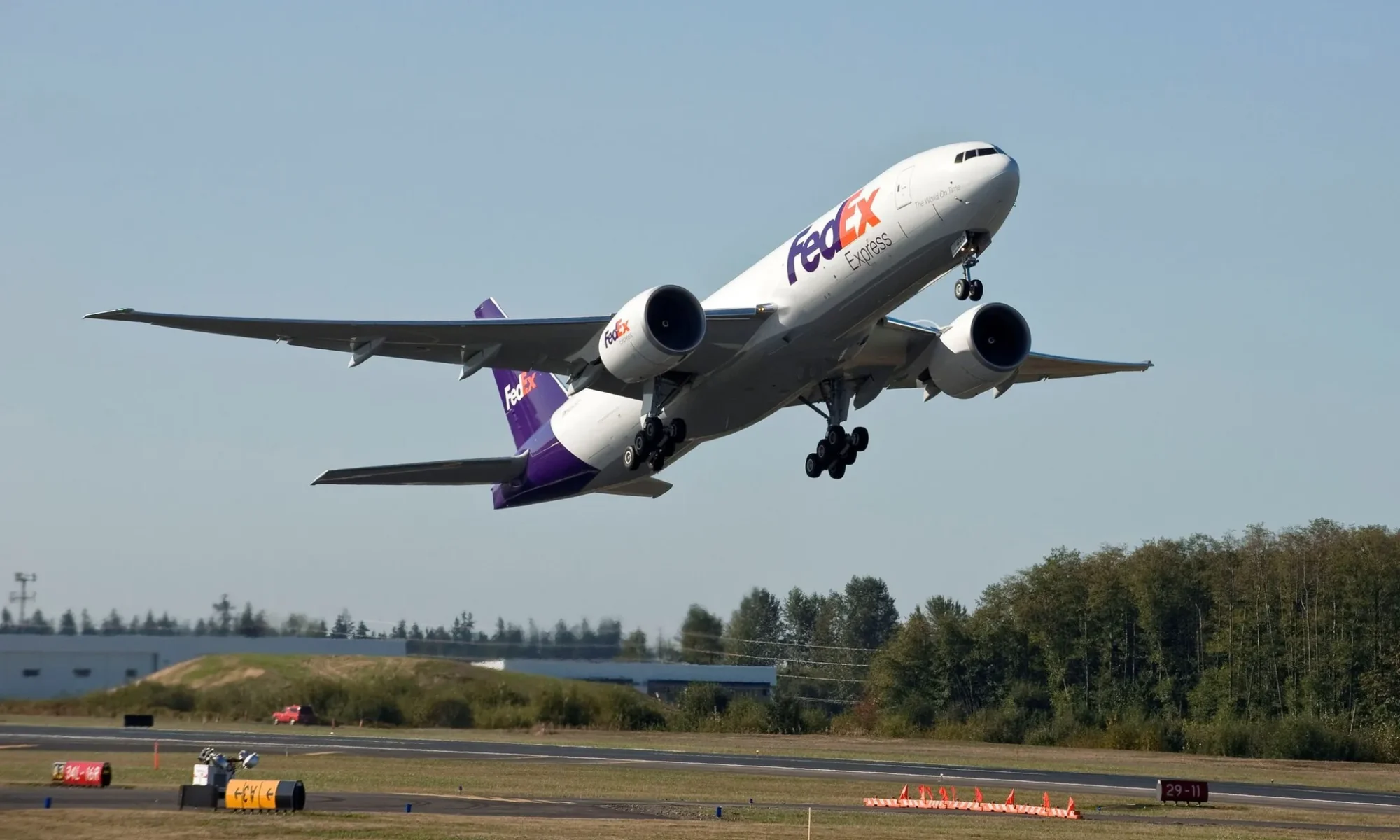
The Federal Aviation Administration last week granted Boeing’s 777 freighter a few more years of production, waiving looming emissions requirements for up to 35 new aircraft.
Without that exemption, Boeing would have had to sunset production of the Everett-built 777 freighter in 2028 because the cargo plane would not meet emissions standards set to take effect that year. The emissions standards won’t affect already built and certified 777 freighters, but once in effect, the FAA will no longer certify newly built 777 cargo planes to take to the skies.
Boeing last year asked the regulator for an exemption, citing delays with its newest freighter meant to replace the 777, part of its long held up 777X family.
Boeing had originally hoped its first 777X passenger plane would enter service in 2020 but, after years of manufacturing concerns and regulatory hurdles, it now expects to make first delivery next year, with its cargo variant to follow later.
In its request for an exemption, Boeing argued that the 777 freighter is the only large, widebody cargo plane in production and without it or its replacement, the air cargo industry would be disrupted.
Boeing estimated more than $15 billion in U.S. exports could be lost without the exemption. The entire 777 program supports 100,000 U.S. jobs, Boeing said.
On Thursday, the FAA granted Boeing’s request and agreed to allow the manufacturer to produce up to 35 new 777 freighters from 2028 to 2031, while it works on certifying the plane’s replacement.
The exemption “preserves the economic and operational benefits” the 777 freighter affords to “Boeing, the aviation industry and the United States public,” the FAA wrote in its decision.
In its own analysis, the FAA found the 777 accounts for 4% of domestic freighter operations and cargo flights departing from the U.S. for international destinations.
In 2024, the 777 freighter accounted for 16% of the fuel burn of all freighters, the FAA said.
Introducing new 777 freighters will raise fuel burn, the FAA said, but, compared with all commercial aviation operations, those new planes would still represent a small percentage of fuel burn, the FAA concluded.
“In summary, the FAA agrees that the environmental impact … is de minimis and the benefit of producing these airplanes would be in the public interest,” the regulator wrote.
A Boeing spokesperson said the company welcomes the FAA’s decision.
“With the exemption, Boeing can meet some of the anticipated customer demand for newer, more fuel-efficient airplanes until the new (777X freighter) enters service,” the spokesperson said.
Boeing similarly received a reprieve from looming environmental standards for its smaller 767 in 2024, part of that year’s FAA reauthorization bill. Despite the exemption allowing 767 sales through 2033, Boeing still expects to end 767 freighter production next year.
The 777 exemption allows the FAA to certify new planes and Boeing to operate those aircraft in the U.S., but the planes will still need to adhere to international aviation standards, the FAA said. Boeing may need to seek approval from international aviation regulators, like the European Union Aviation Safety Agency, to operate 777 planes built after 2028 outside the U.S.
The FAA expects Boeing will produce up to two 777 freighters in its Everett factory per month.
Correction: Due to an editing error, a photo caption with an earlier version of this story misstated the 777 version pictured.
Lauren Rosenblatt: 206-464-2927 or lrosenblatt@seattletimes.com. Lauren Rosenblatt is a Seattle Times business reporter covering Boeing and the aerospace industry.