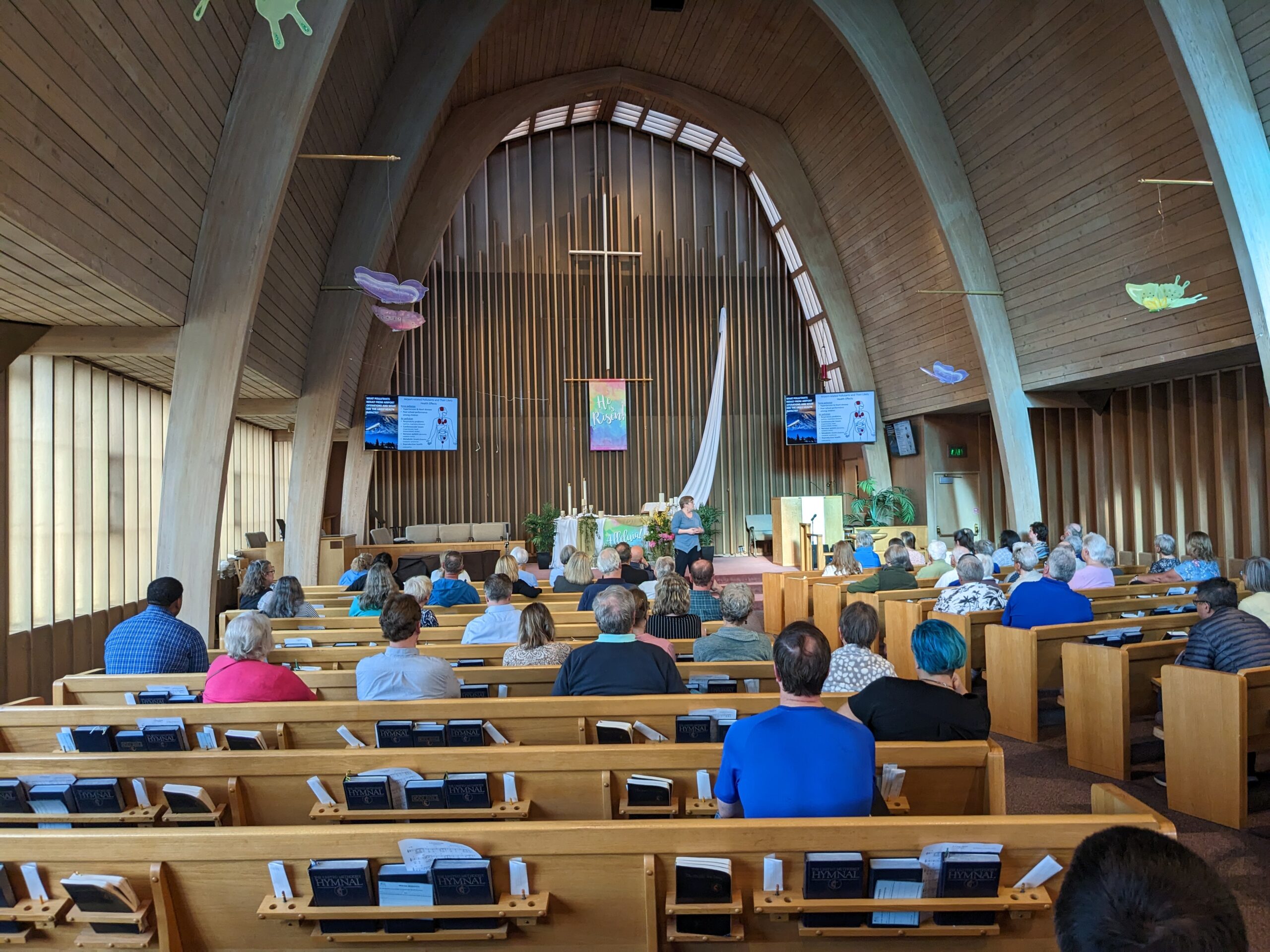
TagKris Johnson(4)
-
2023-05-11 15:11
Community Health and Airport Operations-Related Noise and Air Pollution May, 10 2023
c) UW School of Public Health Study on UFP d) Recommendations to address health issues Presenter Notes Presentation Notes This study conducted in 2020 was state funded. Thank you to Senator Keiser and Representative Orwall for sponsoring the work. The Public Health study was a proviso (condition in an agreement) in Washington state’s House Bill 1109 which requests that Public Health – Seattle & King County produce Airport community health profiles for a one-mile, a five-mile, and a 10-mile radius of the airport Comprehensive literature review assessing the strength-of-evidence for health effects of airport operations Summary of findings of the University of Washington School of Public Health study on ultrafine particulate matter Recommendations to address health issues related to the impact of the airport on the community. The results we share with you are descriptive only – it is not possible to causally link the adverse health conditions we’ll discuss to airport-related pollutants. The radii of one mile outside of airport, 1-5 miles and 5-10 miles are based on methods from prior studies of airport pollutants. I’m going to refer to these as ‘airport communities’ hereafter. For example, see: Hudda N, Gould T, Hartin K, Larson TV, Fruin SA. Emissions from an international airport increase particle number concentrations 4-fold at 10 km downwind. Environ Sci Technol. 2014 Jun 17;48(12):6628-35. doi: 10.1021/es5001566. Epub 2014 May 29. PMID: 24871496; PMCID: PMC4215878. https://pubmed.ncbi.nlm.nih.gov/24871496/ See the full PHSKC report: https://apps.leg.wa.gov/ReportsToTheLegislature/Home/GetPDF?fileName=Community%20Health%20and%20Airport%20Operations%20Related%20Pollution%20Report_c7389ae6-f956-40ef-98a7-f85a4fab1c59.pdf The airport communities are home to a majority of King County’s people of color… -
2023-05-11 00:00
Kris Johnson Presentation on 1109 Community Health Report
-
2020-12-05 00:00
The Relationship between Airplane Emissions & Pre-Mature Births
Preterm birth is when a baby is born too early, before 37 weeks of pregnancy have been completed. In 2019, preterm birth affected 1 of every 10 infants born in the United States. Photo from https://www.cdc.gov/reproductivehealth/maternalinfanthealth/pretermbirth.htm – 11:30 Risks Resulting from Preterm Births Preterm babies are at increased risk of cognitive issues, visual/hearing impairments, and health concerns Increased risk for Sudden Infant Death Syndrome (SIDS) Babies born a few weeks early (late preterm, 34-36 weeks) often face long-term difficulties such as: Behavioral and social-emotional problems Learning difficulties Attention Deficit-Hyperactivity Disorder (ADHD) Children born preterm are more likely as adults to have chronic diseases such as heart disease, hypertension and diabetes Mothers who deliver preterm have an increased risk of having subsequent preterm deliveries as well as hypertension, cardiovascular disease, and renal disease Increased risk of cerebral palsy, mental retardation Preterm infants have reduced nephron numbers at birth in proportion to gestational age, and are at increased risk of neonatal acute kidney injury as well as higher blood pressure, proteinuria, and chronic kidney disease later in life. -Luyckx V. Preterm Birth and its Impact on Renal Health. Seminars in Nephrology. 2017; 37(4): 311-319. https://doi.org/10.1016/j.semnephrol.2017.05.002 mothers who deliver preterm have an increased risk of having subsequent preterm deliveries as well as hypertension, cardiovascular disease, and renal disease later in life. -Luyckx V. Preterm Birth and its Impact on Renal Health. Seminars in Nephrology. 2017; 37(4): 311-319. https://doi.org/10.1016/j.semnephrol.2017.05.002 Preterm birth in a female infant is also a risk factor for her future risk… -
2020-12-01 00:00
SKCDOH Community Health and Airport Operations Related Pollution Report December 2020
Community Health and Airport Operations Related Noise and Air Pollution: Report to the Legislature in Response to Washington State HOUSE BILL 1109