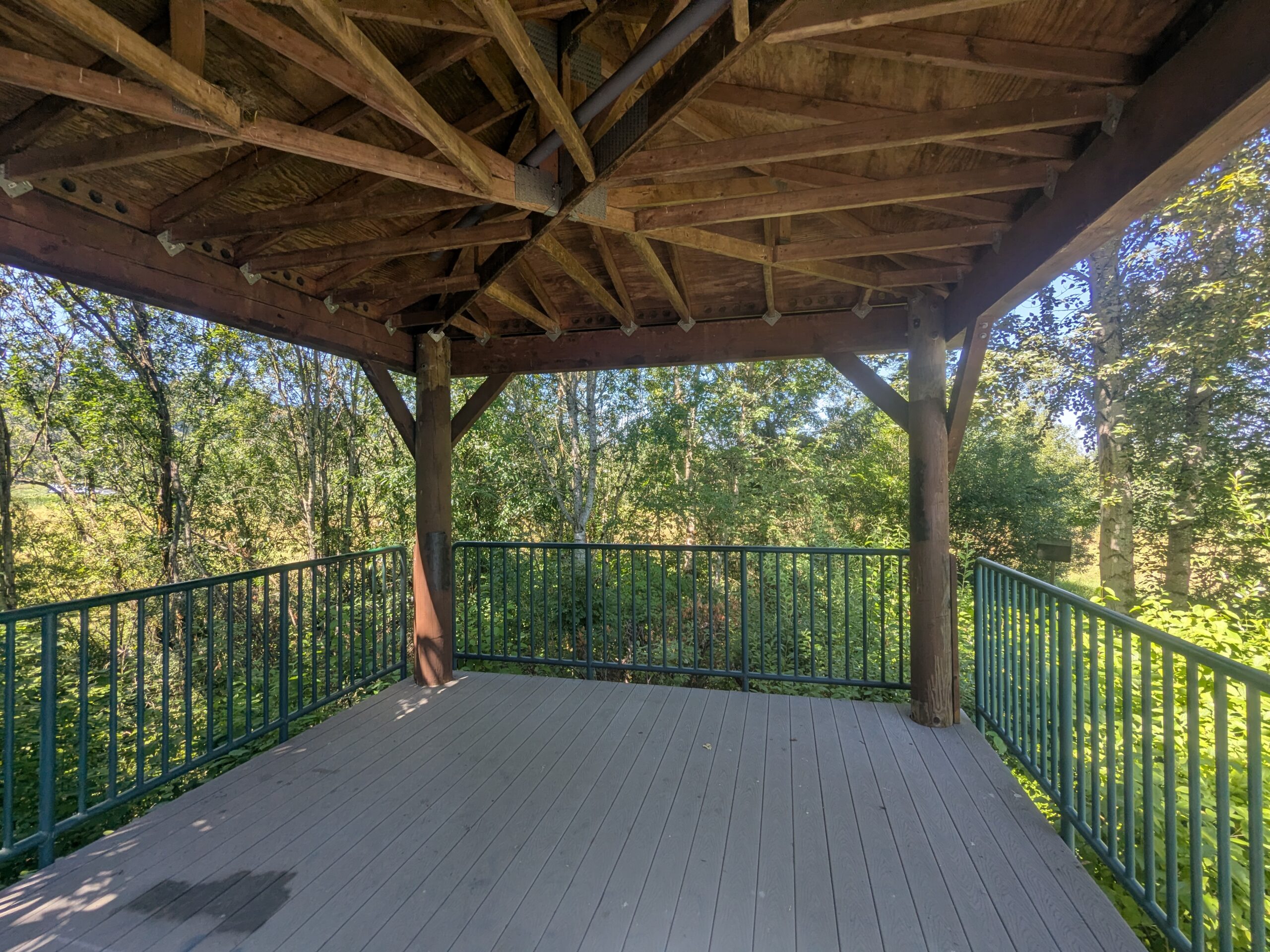
Environmental mitigation at its best and worst
To build the Third Runway, the Port of Seattle proposed to fill all or parts of some 12 separate wetlands across the Miller Creek, Walker Creek, and Des Moines Creek watersheds–every one of them a class AA water, the highest protection provided by the state. FAA grants are an allowable use for this form of migitation, but FAA rules also require that replacement habitat be built more than 10,000 feet from the runways. (Wetlands draw birds and birds threaten aircraft.)
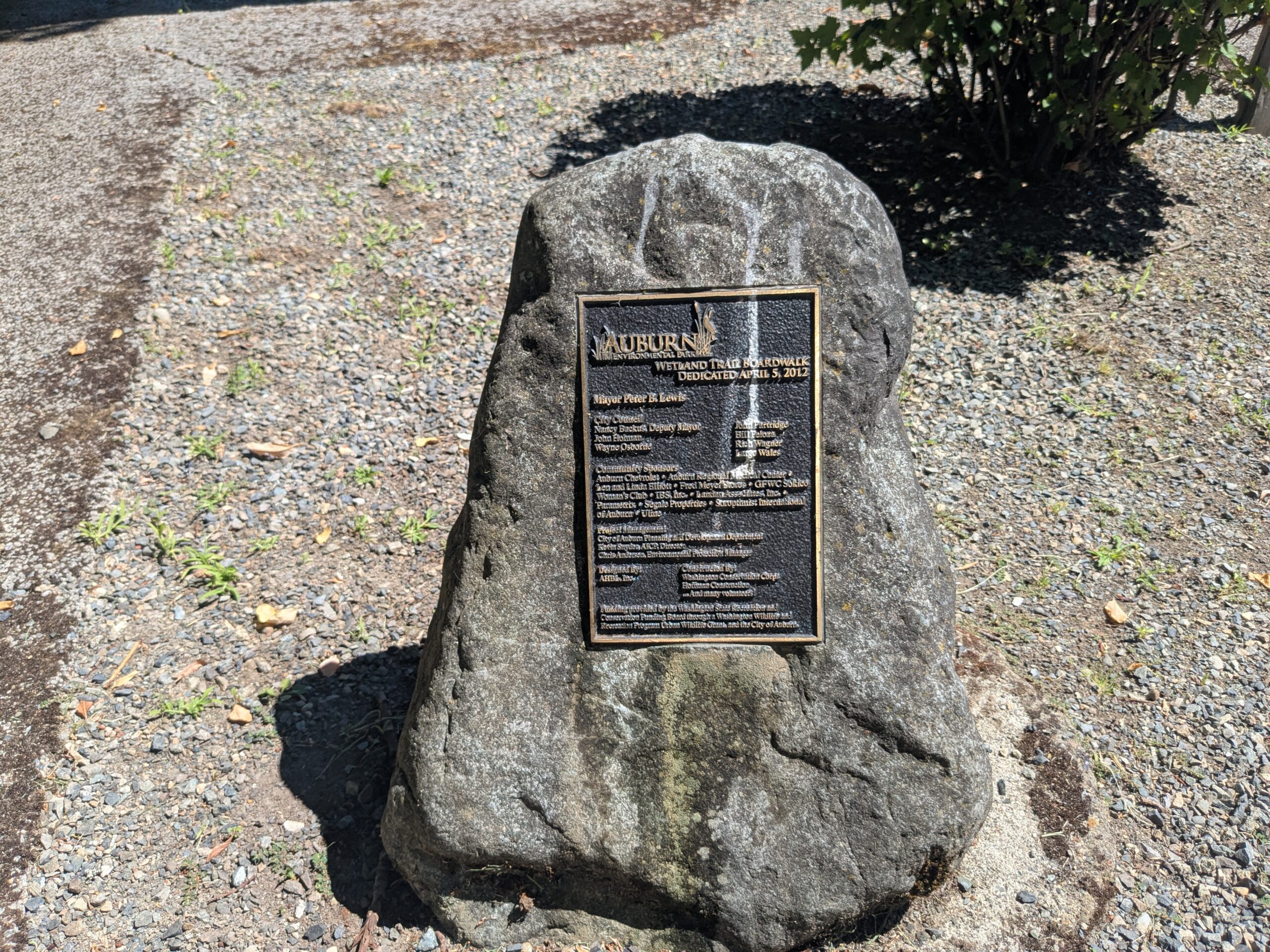
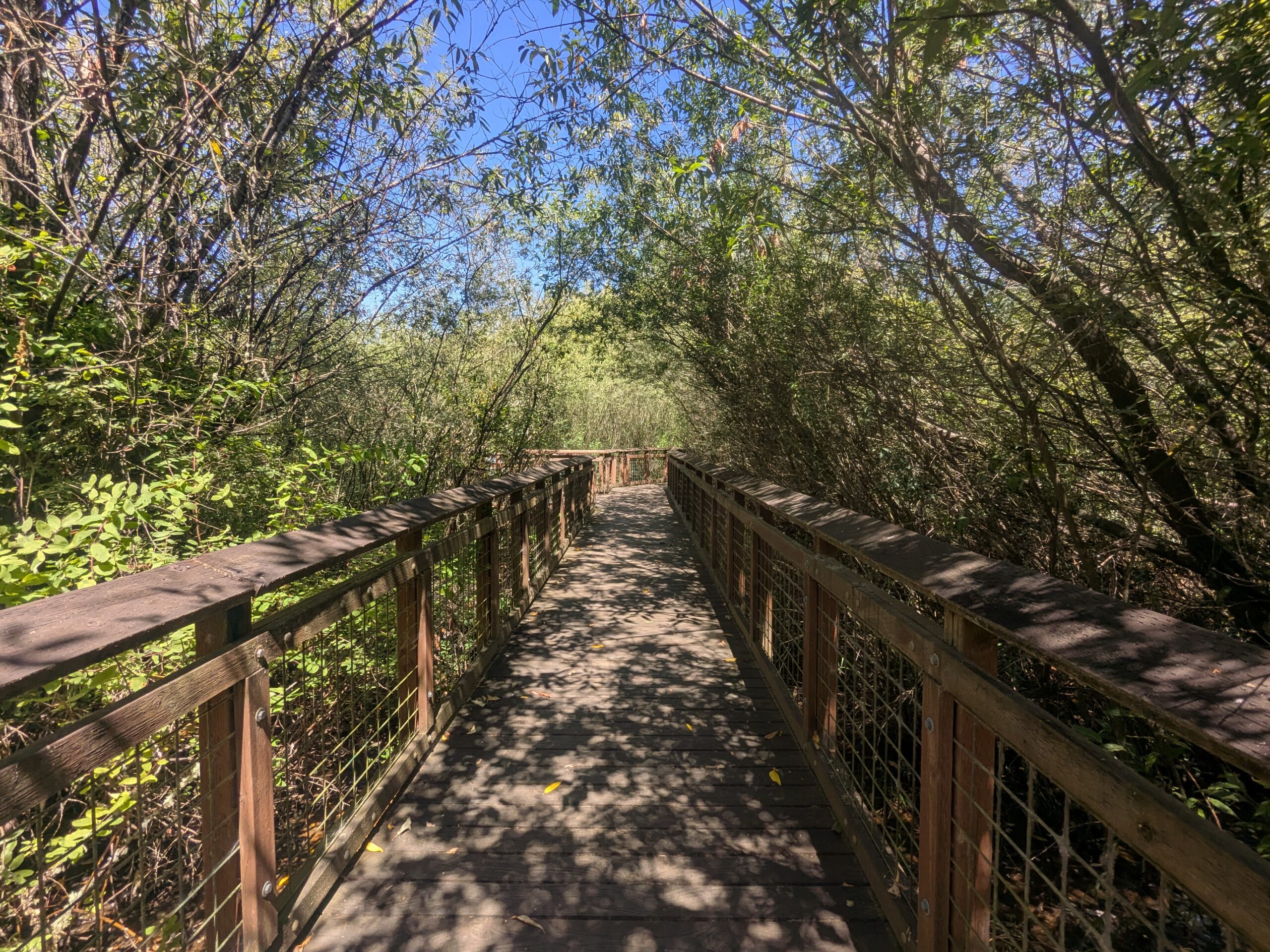
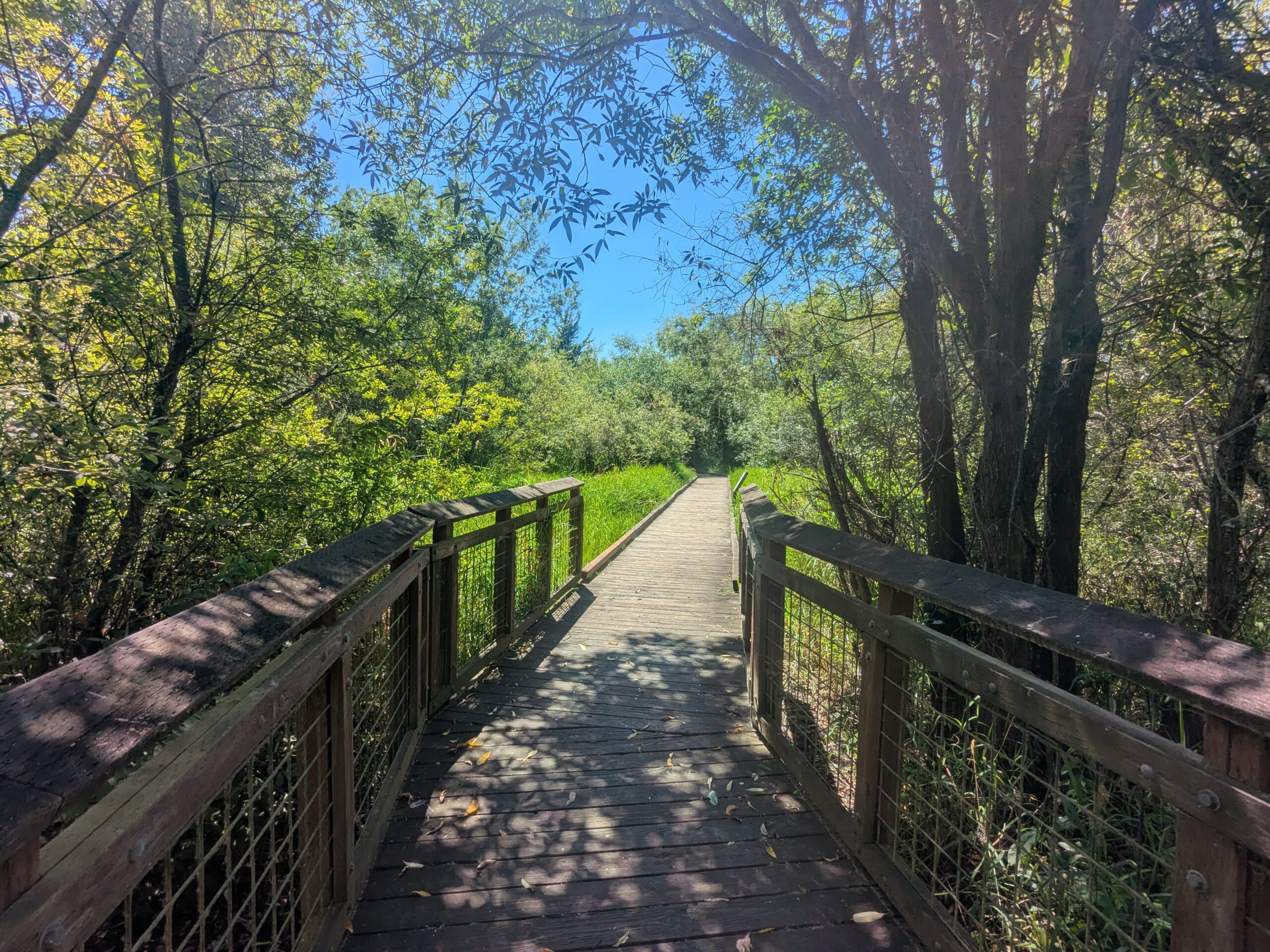
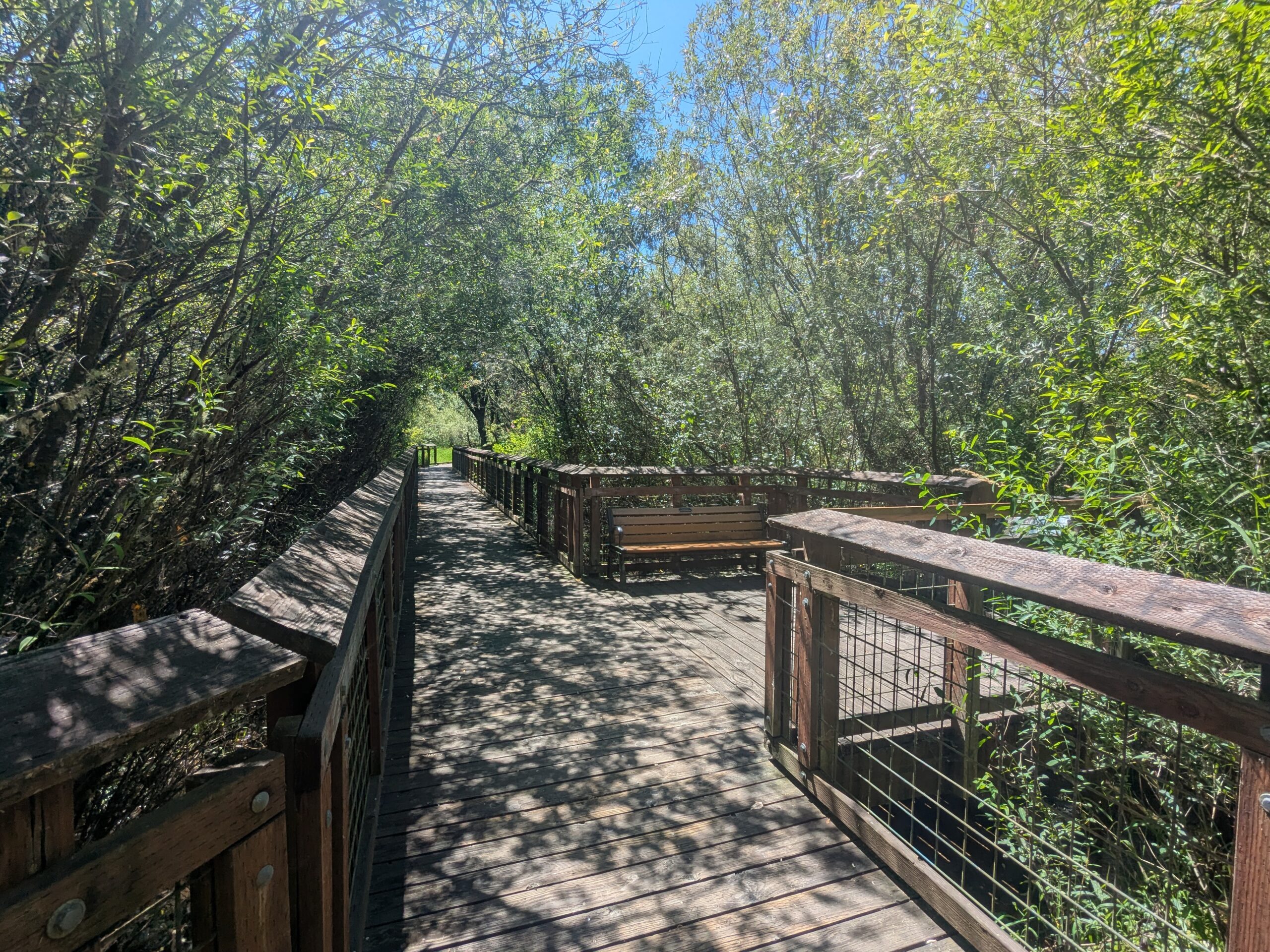
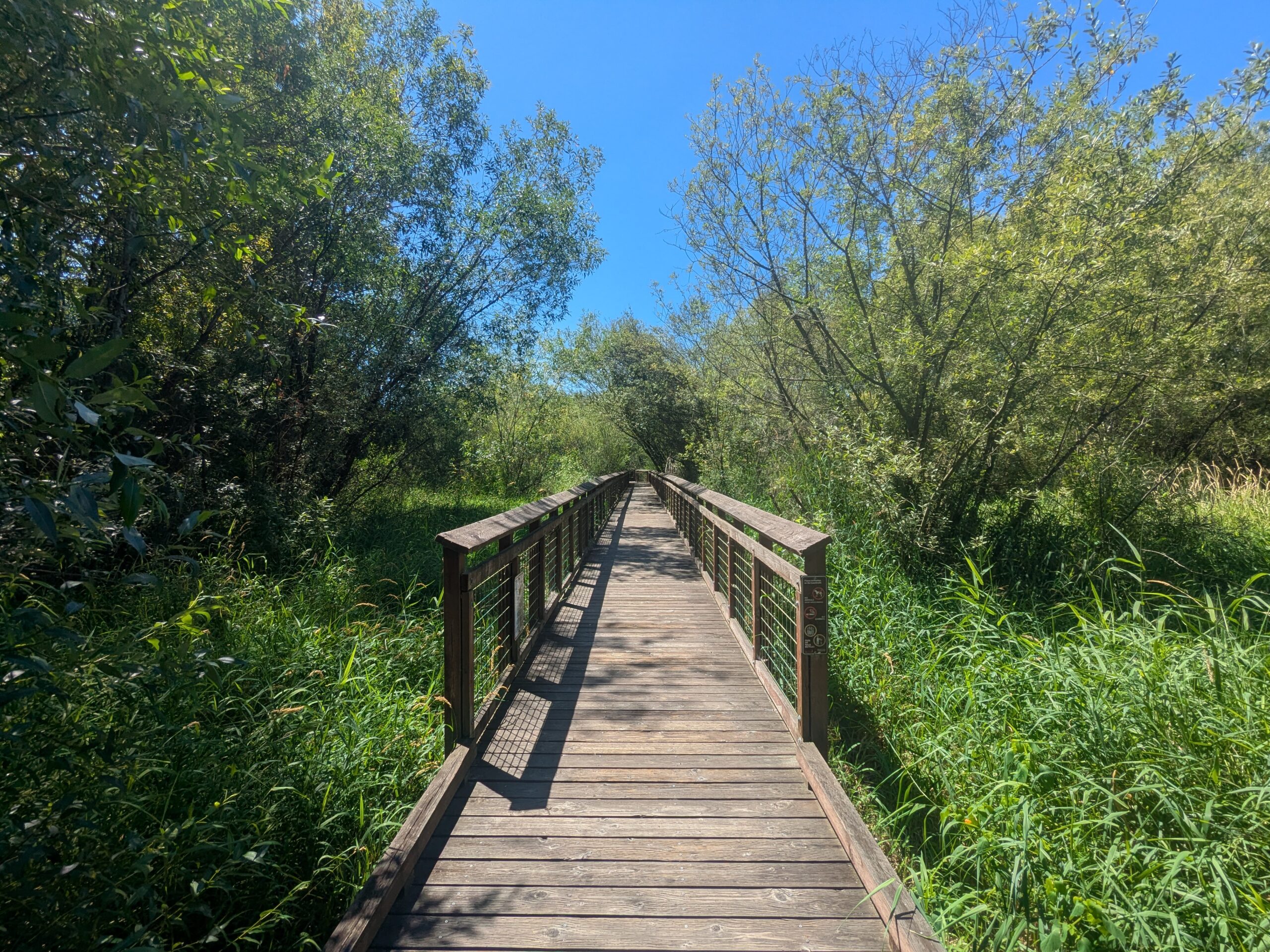
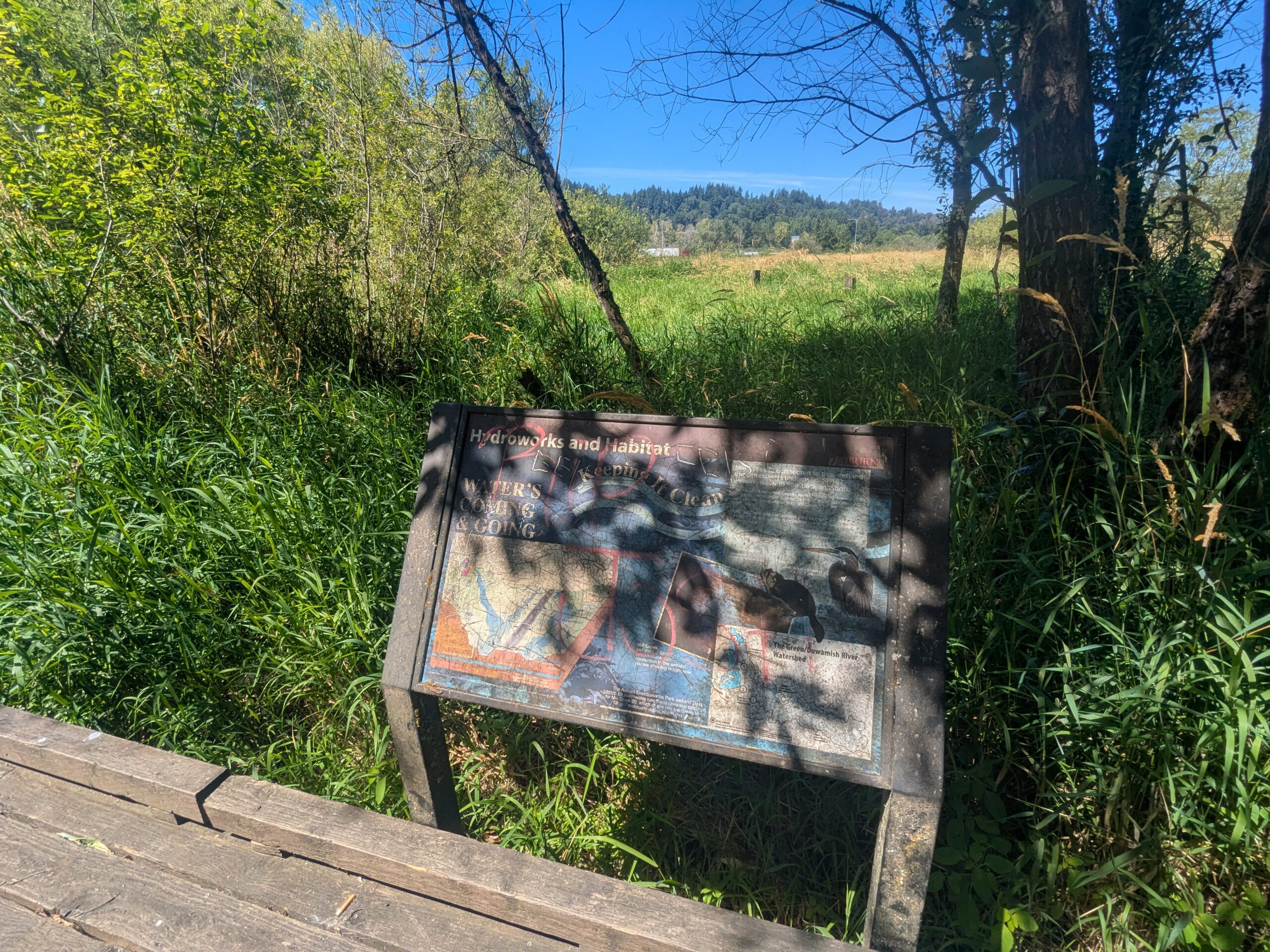
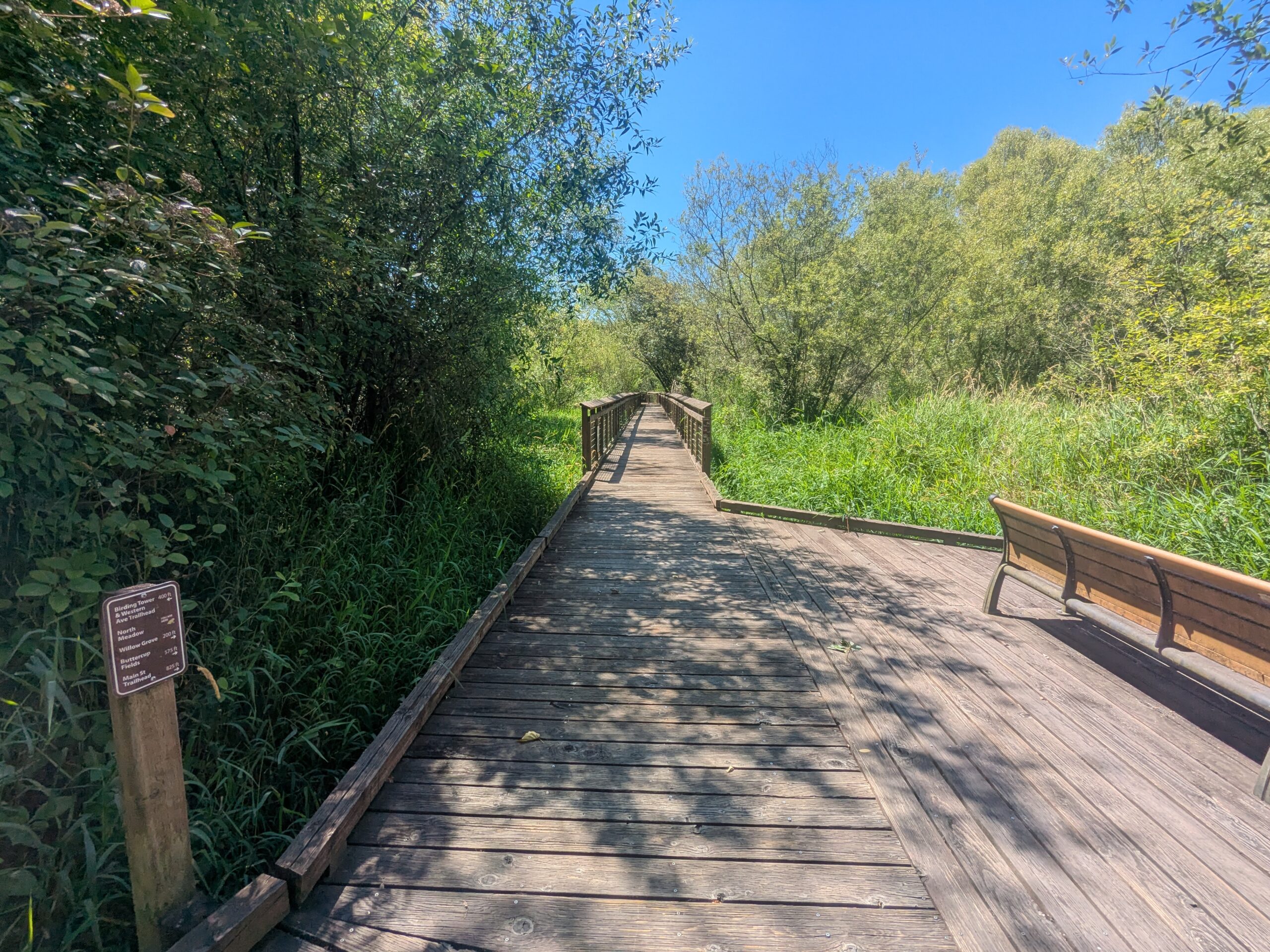
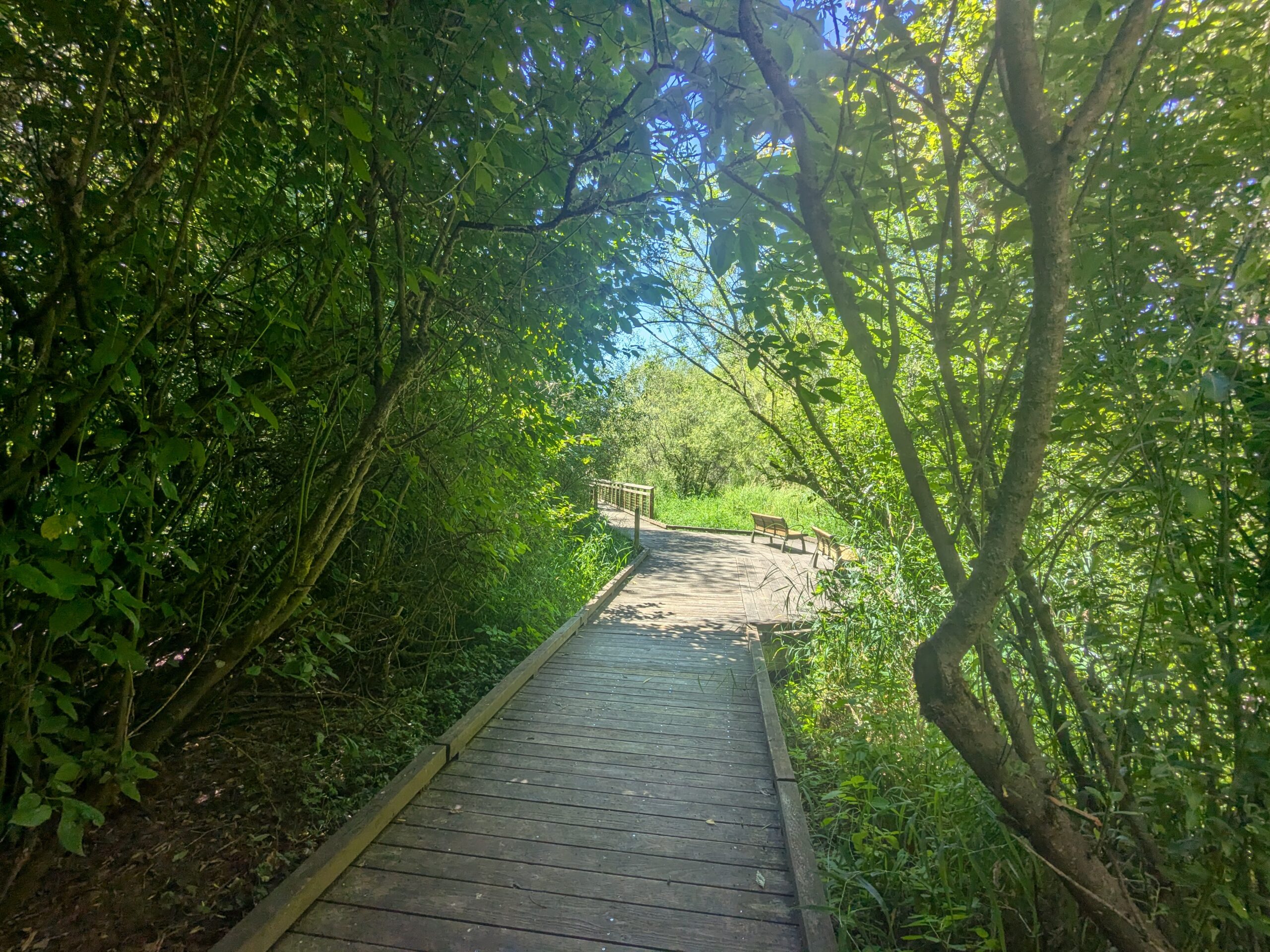
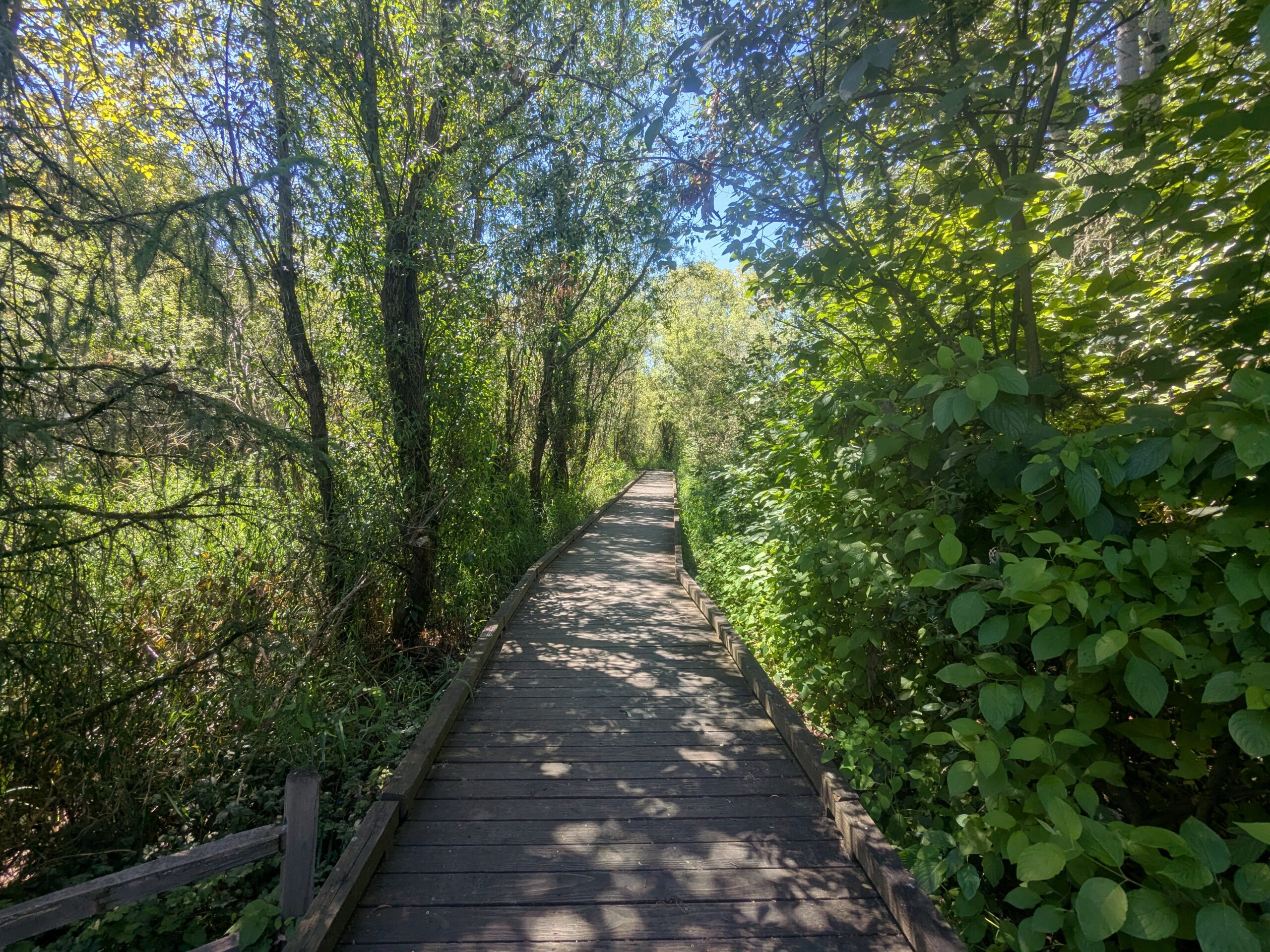
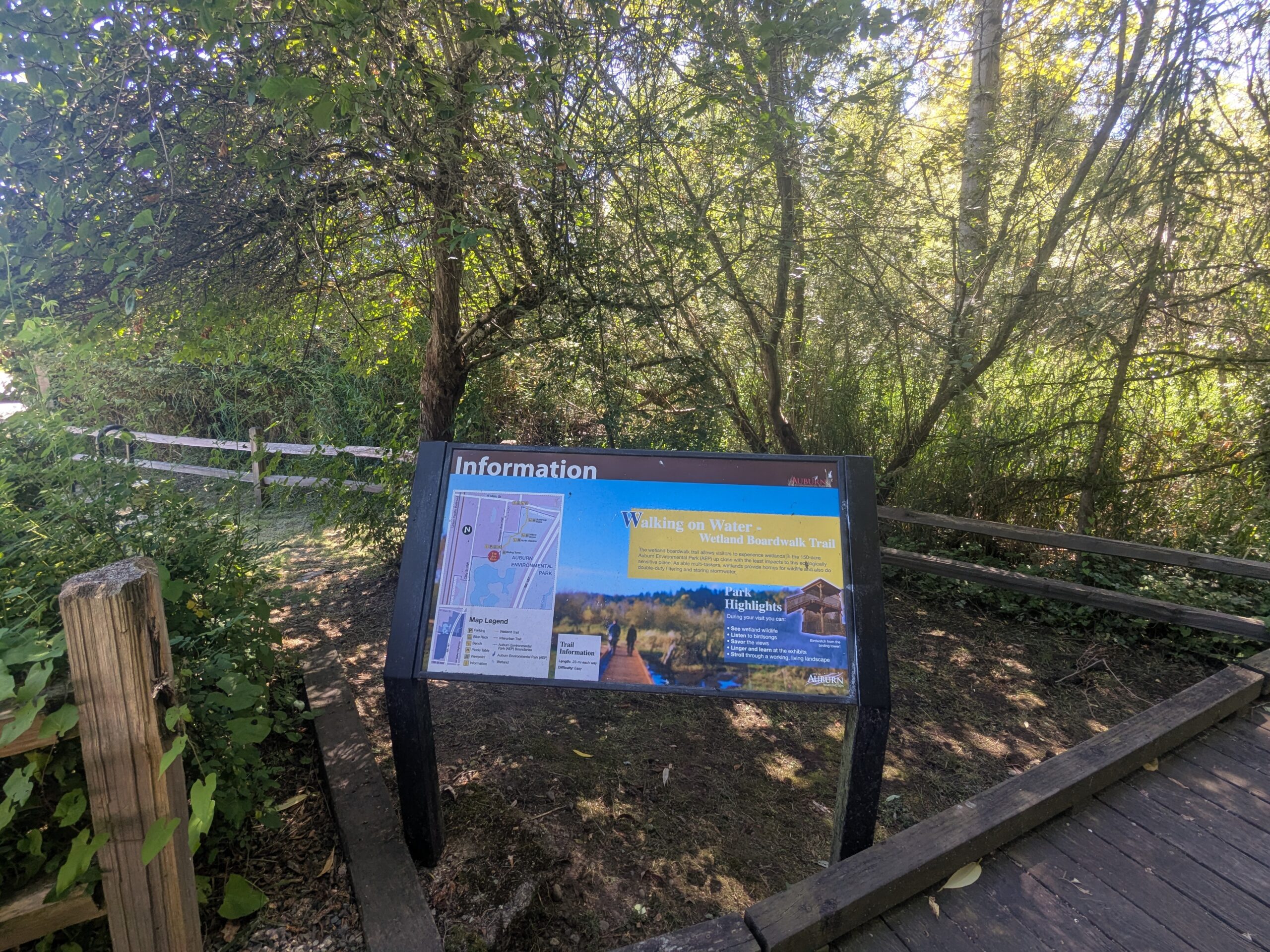
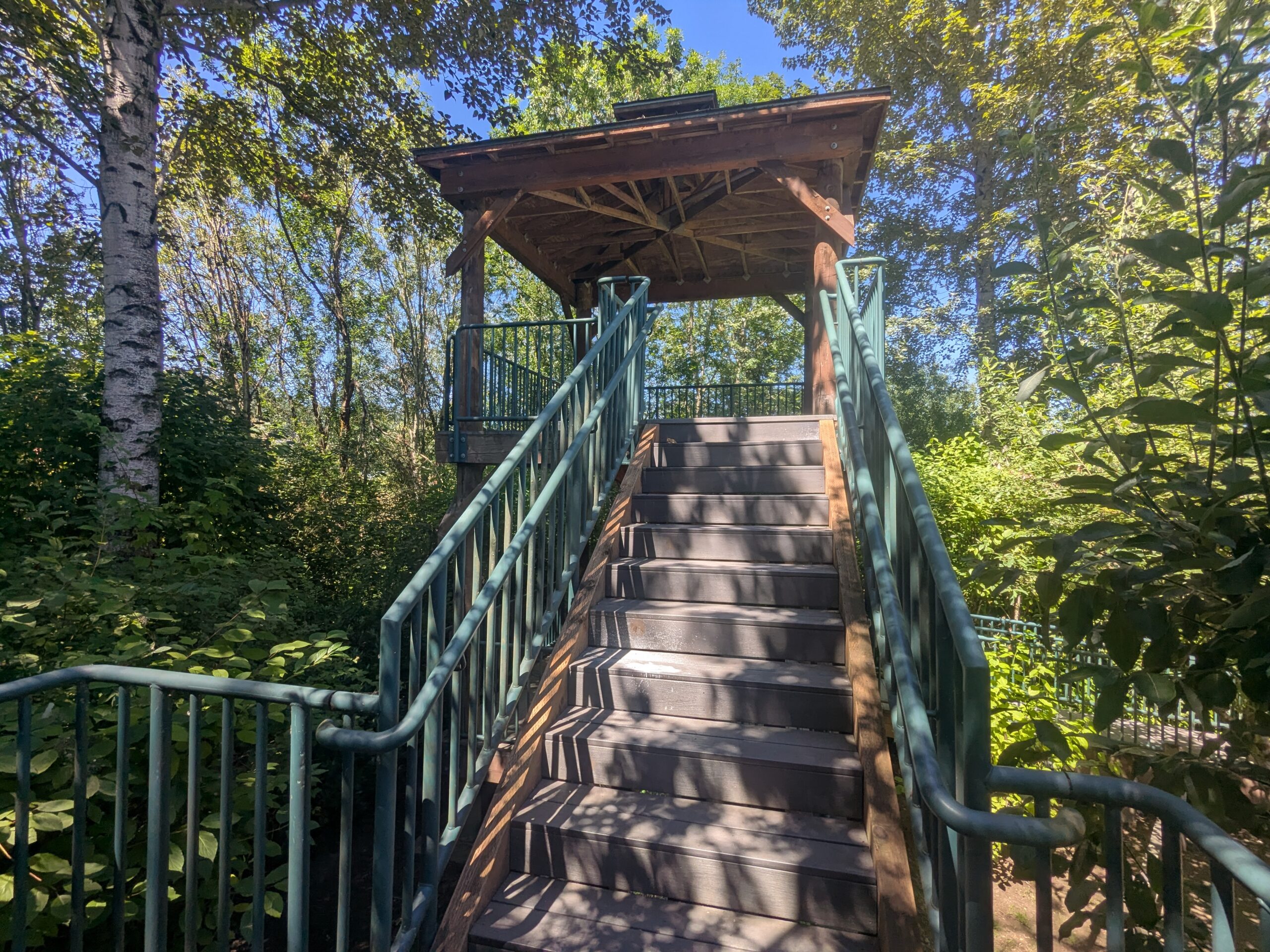
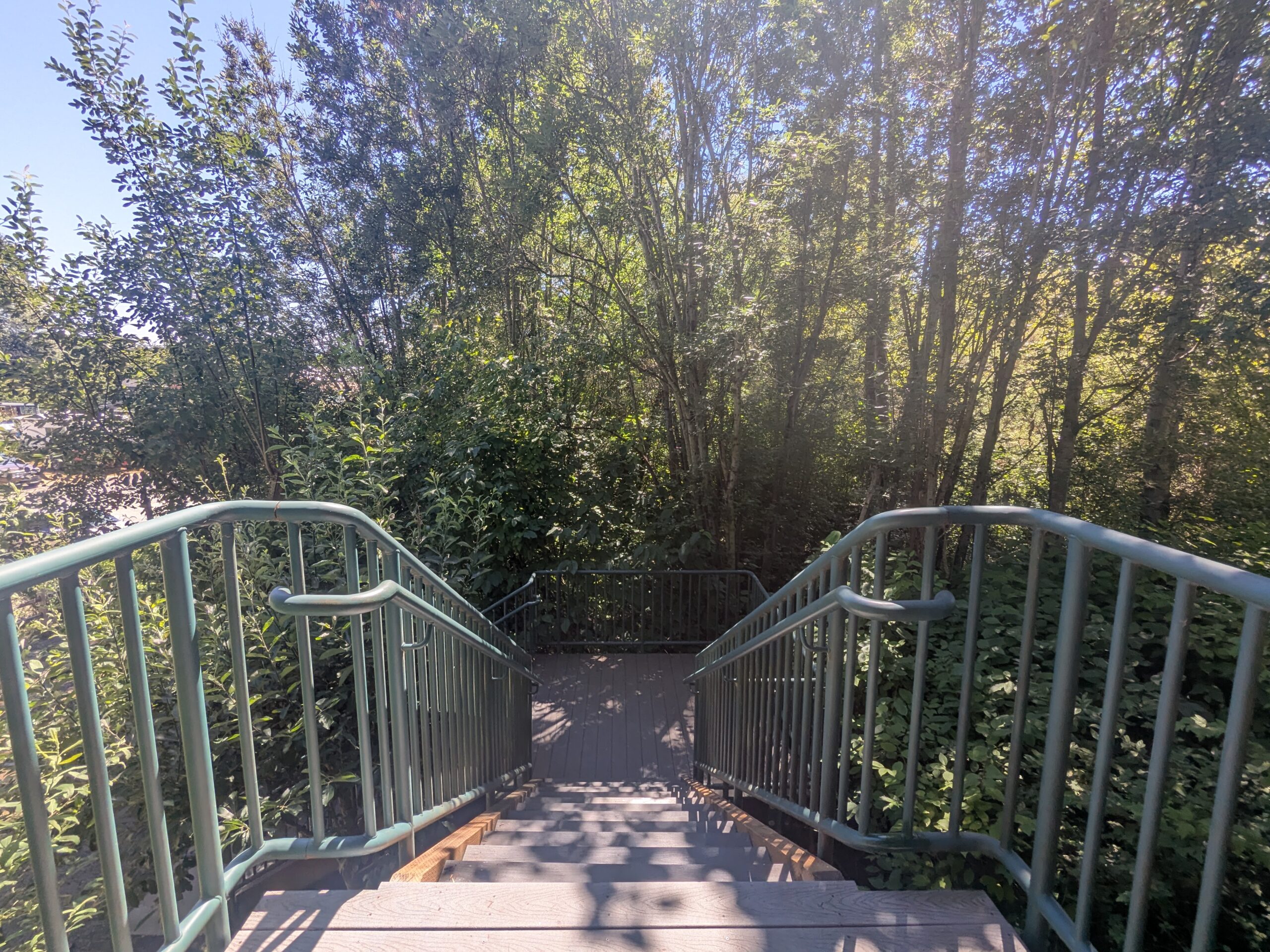
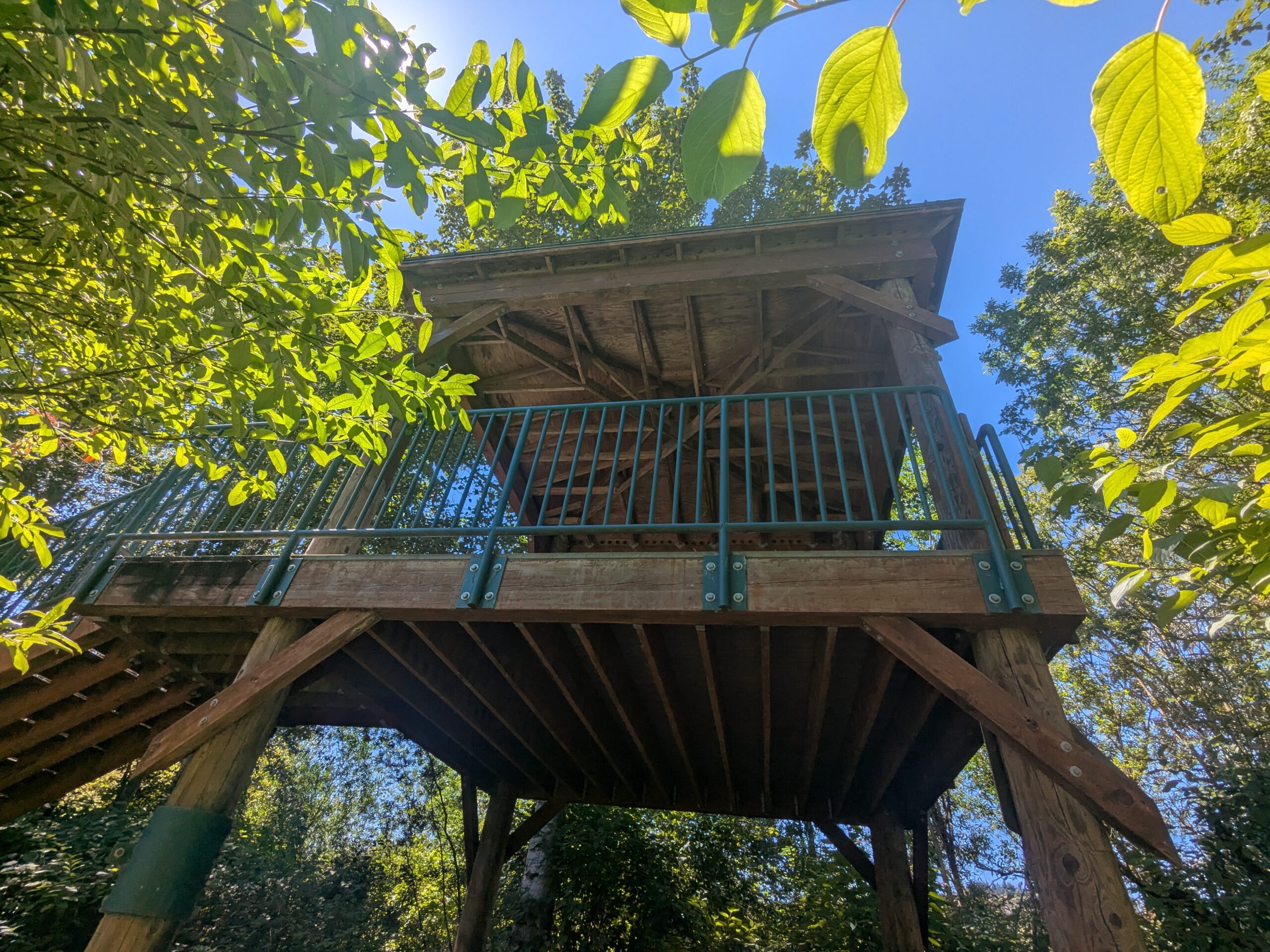
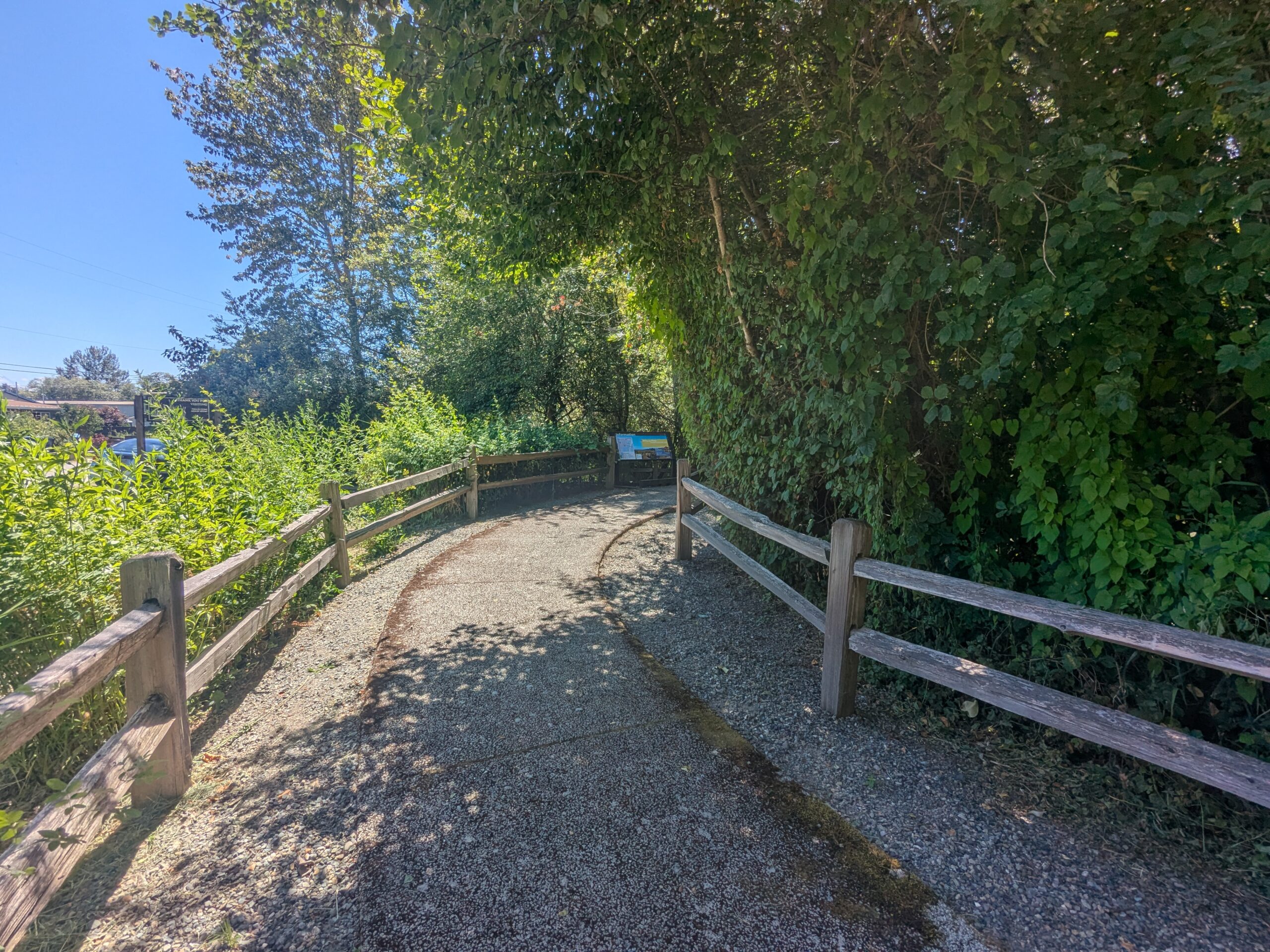
By late 1998 the Port’s estimate of the needed replacement had climbed from 12 acres to about 25. To address the problem, the Port purchased roughly 50 acres of new wetland in Auburn, on a 69-acre parcel assembled under a March 1998 interlocal agreement with the city. Why so much? The Port had already negotiated a 2:1 matching policy in a previous agreement with the City of Auburn.
Citizens sue to prevent mitigation going elsewhere
Citizens Against Sea-Tac Expansion (CASE) sued in King County Superior Court, Cause #98-2-23944-1SEA, arguing that the Port should not be allowed to replace wetlands in Auburn, outside the area where the damage was being done. The court ruled in favor of the Port, saying that it was appropriate given that the Port’s service area was all of King County.
Being a private group, with far less resources than the Port of Seattle, CASE decided to focus their efforts on the larger legal case–intended to stop construction of the Third Runway by denying the entire water permit.
The 10,000 foot rule cuts both ways
In March 2023 the Port sent a letter to the City of Des Moines saying that a stormwater pond in the Des Moines Creek Business Park, city-owned since 2017, was out of FAA compliance. FAA guidance treats any pond holding water past 48 hours as a magnet for hazardous birds. In November 2024 the council approved $124,191 to cover about 32,000 square feet of pond with plastic bird-deterrent balls.
Now it could turn a profit
One last twist. The Port has continued to expand the Auburn site and is now working to convert it to a mitigation bank—a system that lets developers elsewhere buy credits to satisfy their own mitigation requirements. Mitigation banks take years to obtain approval, but when it happens, other parties filling wetlands around the region will pay the Port to maintain the Auburn site. An obligation the Port was forced to meet becomes something it can sell–maybe even to the same airport communities that got nothing.
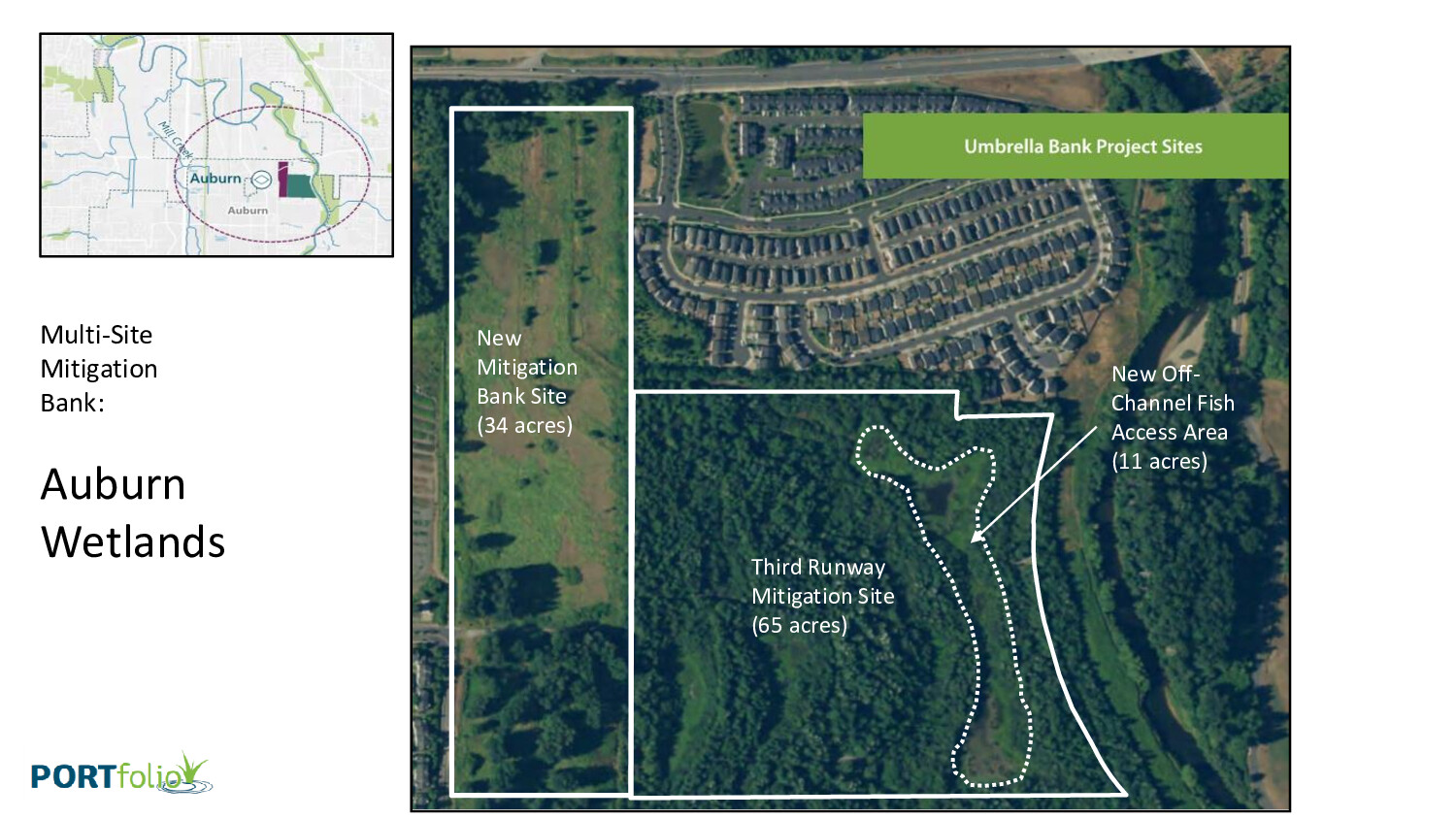
Wetland mitigation and habitat conservation umbrella bank prospectus
Topics
Auburn City Council Rezone 5128
Auburn Wetland brochure Oct 12, 2013
Auburn Site Enhancements 2016 Presentation, Memo
Sources: Port of Seattle v. Pollution Control Hearings Board, 151 Wn.2d 568 (2004); Foster Pepper & Shefelman letter to City of Auburn, Dec. 16, 1998; City of Des Moines, Bird Deterrent Ball Purchase, agenda of Nov. 21, 2024; Port of Seattle Habitat Restoration and Mitigation Bank Program, AAPA San Diego presentation; Port of Seattle Commission memo, CIP #C800760, June 28, 2016FAA AC 150/5200-33B, Hazardous Wildlife Attractants on or Near Airports