The Candidates
33rd State Legislative District
Tina Orwall – State Senator
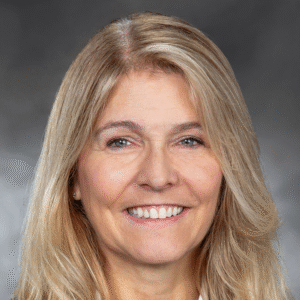
Meet Tina
(via Elect Tina Orwall) Tina Orwall is a dedicated Washingtonian who has made a lifelong commitment to serving her community. From her early years growing up in Oak Harbor and Seattle, to now representing South King County in the Legislature, Tina’s connection to our state runs deep. Throughout her career, Tina has carried a people-first attitude, advocating for the issues that matter most to Washingtonians. Tina graduated from the University of Washington with a degree in psychology and later earned a master’s in Social Work Administration. She committed herself to serving others, first as a clinical social worker advocating for individuals experiencing mental illness and homelessness. Her work with marginalized communities led her to the Washington State Legislature in 2009, where she began fighting for those who too often have their voices ignored. In her role as a legislator, Tina has focused on advocating for the most vulnerable, with a special focus on veterans, women, youth, and survivors of sexual assault. She has fought to improve the justice system for victims of sexual violence, worked on suicide prevention programs, and led efforts to combat sex trafficking and illegal pornography. Tina isn’t afraid to tackle difficult issues that others shy away from, bringing critical attention to the challenges that impact so many Washingtonians. Tina’s background in social work and psychology has made her a staunch advocate for inclusion and collaboration. She understands that real progress comes when we work together to find solutions to our state’s toughest problems. As Senator for District 33, she continues to fight for a safer, more diverse, and more inclusive Washington — a state where everyone has the opportunity to thrive. A wife and mother of two, Tina lives with her family in Des Moines, Washington. She has been an active member of the PTSA and a strong advocate for school levies, demonstrating her commitment to her children’s education. Her daughter is now pursuing a master’s degree in special education at the University of Washington, and her son is training as a commercial electrician. Tina’s dedication to her family reflects her deep belief in the importance of strong communities. Elect Tina Orwall
Kevin Schilling – State Representative Position #1
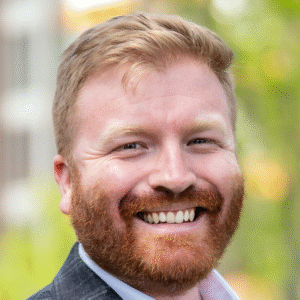
About Kevin
(via Elect Kevin Schilling) Kevin was born alongside his twin sister in Des Moines where he grew up as a 4th generation Washingtonian in a union household (dad was a 35 year SPEEA Boeing engineer). Kevin grew up going to Grace Lutheran Pre School in Des Moines and St. Francis of Assisi in Burien for grade school. Throughout that time, Kevin regularly participated in Des Moines rec league sports and had the same soccer coach for 15 years (shoutout Dan Keller!). After grade school, Kevin attended Aviation High School in the Highline School District. In high school, Kevin participated in Speech & Debate, was student body vice president, and worked throughout high school at local restaurants 909 in Burien and Mick Kelley’s in Kent. He started community college while working full time as a UFCW21 grocery store worker before teaching English in Far Western Nepal. He returned and worked as a delivery specialist at a boatyard selling Cutwater Ranger Tug boats, based in Kent. Kevin then started working for now former Democratic State Representative Kathy Haigh, as well as serving as a session aide to Democratic Governor Jay Inslee. After his first state government stint, Kevin completed his bachelors degree at Washington State University in Pullman where he ran a trivia night, hosted a radio show, worked as a tutor for football players, worked at the Thomas S. Foley Institute for Public Policy and Public Service, and served as a ASWSU student body senator while ultimately graduating Summa Cum Laude as a Top Ten student for both community service and thesis writing. Go Cougs! Not quite done with school yet, Kevin finished a dual masters degree at Columbia University in New York City and the London School of Economics. While at Columbia, Kevin supported organizing graduate student workers (of which he was one) into a union with UAW. The following year, the graduate students successfully organized and got higher pay and better benefits. Kevin’s thesis focused on a timely issue: differences of economic Washington state politics between Democratic and Republican presidents focused on tariffs and oceanic trade. Following graduate school, Kevin returned home to work at St Francis of Assisi as a Pastoral Assistant to Father Hayatsu (his childhood priest). While home, Kevin ran for Burien City Council for the first time and was elected in local elections with close to 63% of the vote. When COVID hit, Kevin joined AmeriCorps to deliver emergency meals to low income families and seniors in Burien, Normandy Park, and SeaTac. He also completed the Senior Executives in State and Local Government program at Harvard Kennedy School. Burien re-elected Kevin in 2023, where he then began serving as Burien Mayor. While on city council, Kevin has focused his efforts on using a treatment-first approach to homelessness, drug addiction, and mental health needs, making it easier to construct housing of all kinds, and getting law enforcement the tools they need to keep Burien safe. Kevin’s legislative priorities also include delivering more services to families whether it be meals and WiFi during the pandemic or rental assistance through ARPA funds, holding government accountable to its spending and project timelines, and passing Burien’s climate action plan, economic development plan, and 20-year comprehensive plan. Kevin serves on the policy board of the Greater Seattle Business Association (the Puget Sound’s LGBTQ chamber of commerce), and in his free time enjoys hanging out with his family, going to comedy shows, reading history books, traveling as much as he can, watching movies, playing video games, eating dim sum, and drinking coffee. Elect Kevin Schilling
Edwin Obras – State Representative Position #1

Meet Edwin Obras
(via Edwin Obras for State Representative – 33rd District) Edwin Obras immigrated to the United States as a child from the Philippines and was the first in his family to graduate from college. He earned a B.A. from the University of Washington and later a Master of Public Administration from Northeastern University, reflecting his strong academic foundation. Professionally, Edwin has over 25 years of experience in the human services field, working for nonprofit organizations in King County and for the City of Seattle. He spent 17 years with Seattle’s Human Services Department, rising to the position of Deputy Division Director, and previously served as the division’s Budget and Policy Director and Contracts Manager. His work in Seattle focused on critical social issues – homelessness, anti-hunger efforts, youth development, community safety, and supporting survivors of domestic violence and sexual assault. Representative Edwin Obras just finished his first session in the Washington State Legislature. He’s a member of the Healthcare & Well-Being Committee, the Labor & Workforce Standards Committee, and the Community Safety, Justice, & Reentry Committee — demonstrating his strong focus on improving quality of life, protecting workers’ rights, and enhancing public safety. In addition to his committee work, Edwin serves as Assistant Majority Whip. In addition to his professional career, Edwin has been deeply involved in community service. He chaired the SeaTac Human Services Advisory Committee from 2016 to 2018, helping guide local human services policy. He also serves on the Board of Directors of the Filipino Community of Seattle and was the board’s president for five years (since 2019). In that role, he has co-chaired a capital campaign to develop affordable housing for families, demonstrating a commitment to improving housing access in his community. Edwin grew up in Seattle’s diverse Beacon Hill neighborhood and has emphasized that his lived experience as a Filipino American informs his public service and advocacy for marginalized communities. He is also a father to a young adult son, who is a graduate of the University of Washington. Edwin Obras for State Representative – 33rd District
Port of Seattle
Ryan Calkins – Commissioner #1

About Commissioner Calkins
(via Port of Seattle) Ryan Calkins was elected to the Port of Seattle Commission in 2017 and re-elected in 2021. Ryan is an Advisor on Offshore Wind and Maritime Infrastructure at the Pacific Northwest National Laboratory. For more than a decade, Ryan ran an import and distribution company in Seattle that was recognized for its industry-leading sustainability initiatives. In 2007, he formed Seattle Microfinance Organization, a nonprofit dedicated to expanding access to capital for entrepreneurs with limited economic resources. Ryan began his career in Central and South America, working for disaster relief and human rights nonprofits. He received his Master of Arts from Yale University in International Relations and his Bachelor of Arts from Willamette University in Religious Studies. Born and raised in Edmonds by a public school teacher and a small business owner, Ryan now lives in Seattle with his wife and three children. Commissioner Calkins focuses on sustainable economic development at the Port of Seattle, working to ensure that the region’s prosperity is shared among all communities. In 2021, Ryan was recognized for his role in launching Maritime High School with the Laschever Marlinspike Award from the Northwest Maritime Center. Ryan balances current needs with a long-term vision for the Port of Seattle, to ensure that one of our region’s most valuable public assets will continue to thrive for generations to come. Port of Seattle Bio Ryan for Port
Hamdi Mohamed – Commissioner #3

About Commissioner Mohamed
(via Port of Seattle) Hamdi Mohamed was elected to the Port of Seattle Commission in November 2021. She made history as the first Somali woman elected to public office in Washington State and the first Black woman elected to the Port of Seattle Commission. In 2024, she served as the first Black Commission President in the Port’s 112-year history. Mohamed’s decision to run for Port Commission stemmed from her long history and connection with the Port. Mohamed’s father was a truck driver, and her mother worked at Seattle–Tacoma International Airport (SEA). Mohamed and her husband currently live near SEA and are both proud University of Washington graduates. In addition to her work at the Port, Mohamed currently serves as Director of the City of Seattle’s Office of Immigrant and Refugee Affairs. Prior to her time at the city she served as policy advisor to King County Executive Dow Constantine and was the Deputy District Director for U.S. Representative Pramila Jayapal, helping small- and medium-size businesses navigate the impacts of new public policies. She also worked for CARE International and the Refugee Women Alliance in roles dedicated to fighting poverty and empowering immigrants. Mohamed’s priorities as Commissioner include: — economic development to make the Port more competitive and create local jobs; — equitable economic advancement for workers and small businesses; — environmental justice by expanding the Port’s role in reducing toxic pollution and promoting renewable energy; and reducing the impact of aircraft noise and pollution on our neighbors. As the only Port Commissioner living in South King County and representing the neighborhoods around the airport, she looks to be a strong voice for the community and lead on cleaner aviation fuels and climate action. Port of Seattle Bio Elect Hamdi
Toshiko Grace Hasegawa – Commissioner #4
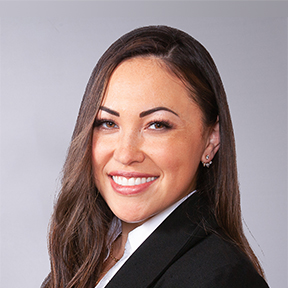
About Commissioner Hasegawa
(via Port of Seattle) Toshiko is a fourth-generation Japanese American and a lifelong resident of the Beacon Hill neighborhood in South Seattle. A daughter of the labor movement and descendant of World War II incarcerees, Toshiko’s passion for public service is fueled by her commitment to civil rights and promoting fairness in government operations. She believes the Port of Seattle holds the key to a robust economy, healthy environment, and thriving communities. She hopes to help the Port be a leader in bringing together stakeholders to build our port economy back to be more inclusive, sustainable, and abundant. Her priorities include addressing supply chain issues, expanding economic opportunities, and reducing pollution. Toshiko was appointed by Governor Jay Inslee as Executive Director of Washington State’s Commission on Asian Pacific American Affairs in 2018. In that capacity, she serves in the Governor’s Subcabinet on Business Diversity, the Disaster Resiliency Workgroup, the Deadly Force Task Force, and other state committees. Hasegawa worked as a staff member for the Office of Law Enforcement Oversight for King County, where she worked to promote transparency and accountability in policing operations. She also worked in the Office of King County Councilmember Jeanne Kohl-Welles, working closely on issues of Human Labor Trafficking. Toshiko holds a Master’s degree from Seattle University and lives in her family home on Beacon Hill with her husband Michael and daughter Keiko Rose. Port of Seattle Bio Hasegawa for Port
Candidate Responses on Key Themes
Our group of grassroots organizations, community residents and leaders met over 4 months to talk about the issues that are most urgent and important to us. Together, we produced 5 key themes: Environmental & Health Justice, Workforce Access and Economic Barriers, Policy and Regional Regulatory Coordination, Community Engagement and Prioritization, and Funding and Sustainability Challenges. We gave the top questions to the Port of Seattle and 33rd Legislative District candidates. These are their answers.
Environmental & Health Justice
How will you protect existing trees or fast-track cooling solutions? How will you report progress and involve community voices in holding you accountable on this issue?
We already live with airport noise and pollution; we don’t need to be on a heat island too! But now the Port is cutting down old trees in our neighborhoods and saying they’ll replant, but it takes decades for new trees to replace lost shade and filter pollution. This makes our streets hotter, worsens air quality, and our families less healthy in neighborhoods already overstressed.
Why This Matters
Areas around airports experience increased severity of heat islands because of large expanses of paving, minimal tree cover, and legacy infrastructure decisions — leading to more heat stress, heat exhaustion, and cardiovascular emergencies. Aircraft operations, vehicle traffic, and minimal tree cover amplify this effect. Higher temperatures exacerbate air pollution (ozone/smog) and worsen underlying respiratory diseases, while also impacting mental health, particularly among medically vulnerable residents. New tree removals threaten to worsen environmental and health burdens, especially in over-exposed BIPOC and low-income neighborhoods. Research shows mature trees are irreplaceable shields against air toxins, noise, and urban heat.
Commissioner Ryan Calkins
In 2024, we authorized the Land Stewardship Plan for the Port of Seattle, one of the most comprehensive strategies for long term preservation of any public agency. It includes five objectives: Objective 1. Establish and maintain an inventory of land stewardship resources Objective 2. Protect and restore healthy and self-sustaining trees, forest, and other habitat Objective 3. Connect and expand existing habitat Objective 4. Offset operational and development impacts to trees, forest, and other habitat Objective 5. Support community partnerships
Commissioner Toshiko Grace Hasegawa
The Port Commission recognizes that tree canopy is an essential part of our ecosystem, climate resiliency, and community health. Although urban development near the airport sometimes requires tree removal for flight safety and regulatory compliance, we’ve acted to minimize impacts and raise standards. We adopted the Land Stewardship Plan and Tree Replacement Standards, developed in consultation with local cities and Forterra, which set the highest benchmarks for responsible tree management. We also took action to permanently protect North SeaTac Park in perpetuity and are working toward transferring stewardship to a non-governmental organization dedicated to environmental conservation by the end of next year. I also support pavement-cooling pilot projects, such as applying light gray, water-based coatings to pavement so it reflects rather than absorbs heat. These innovative, science-based solutions should be scaled where feasible. Accountability includes transparency: the port developed a sustainability dashboard for cruise, and I think it would be appropriate to develop a tree canopy dashboard, which tracks canopy adjustments on Port properties — including plantings, removals, and the status of past, current and future planned actions.
Senator Tina Orwall
It’s critical for our community’s health and safety that we protect our environment and mitigate all forms of pollutants. As a State Representative, I advocated with Senator Karen Keiser for $6 million of the Climate Commitment Act dollars to go to the protection of trees in airport-impacted neighborhoods, as well as putting HEPA filters in impacted families’ homes, among other things. I also advocated for the protection of the North Seatac Park and its greenspace. I also worked on the Healthy Environment for All (HEAL) Act, and this session sponsored SB5652, an environmental justice implementation and community engagement plan, which compels the port to take action. I will continue working with the University of Washington to review, evaluate, and provide reports to the public on progress and implementation.
Mayor Kevin Schilling
I support protecting mature trees and accelerating cooling where airport impacts are most acute. I’ll push to target Climate Commitment Act and Evergreen Communities funds to airport-impacted neighborhoods, require heat-mitigation features in state-funded capital projects, and publish simple progress dashboards so residents can track canopy and cooling investments over time. I’ll work with cities, the Port, and community groups on fast, measurable pilot projects (shade structures, cool surfaces, resilient plantings) and regular public updates.
Representative Edwin Obras
I strongly believe protecting our existing tree canopy and fast-tracking cooling solutions is essential to public health. I’ll push to prioritize funding through the Climate Commitment Act and the Evergreen Communities Act to expand canopy and cooling projects in overburdened areas, including cool pavement, shade structures, cooling centers, and planting fast-growing trees. I will also require agencies to use tools like the Tree Equity Analyzer to make progress transparent and accountable, and codify community partnership standards under the HEAL Act.
Community Decision-Making & Accountability
What steps will you take so that directly impacted residents hold real decision-making power (not just consultation) in Port projects and airport planning? How will you reform StART and the noise complaint hotline so recommendations are publicly tracked and reported back?
Community advisory bodies, such as the Sea-Tac Airport Round Table (StART), and Port noise complaint webform theoretically exist to provide input into Port and airport planning, but community members do not know if or how their input affects actual decisions.
Why This Matters
Many residents living near the airport feel that their voices and concerns are not reflected in Port decisions. Advisory bodies, comment periods, and equity dashboards represent progress but do not fully address entrenched concerns about responsiveness and accountability. Airports depend on active community support. People want proof their input helps shape Port decisions.
Senator Tina Orwall
I secured state funding for the MOV-UP study with a community-based oversight board, funded health impact review studies, asthma interventions, and air quality monitoring stations. HB2103 (with SB 5955) compels agencies to report back on mitigation efforts with third-party monitoring.
Mayor Kevin Schilling
I’ll require public metrics, response timelines, and regular report-backs so people can see how recommendations were incorporated — or why not.
Representative Edwin Obras
I support a public “You Said, We Did” dashboard and community-majority advisory panels on major Port and airport projects.
Commissioner Ryan Calkins
I support opportunities for impacted communities to raise issues through StART, Port meetings, the Highline Forum, and direct correspondence.
Commissioner Toshiko Grace Hasegawa
Engagement must be multi-channeled. Beyond StART, we use the Highline Forum, the Duwamish Valley’s PCAT (community-led), and Beacon Hill Roundtables. We expanded the South King County Community Impact Fund and forums for WMBE/DBE partners.
Workforce Access and Economic Barriers
What will you implement within the next year to remove barriers for workforce entry (trades and white-collar) at the Port? Will you commit to pathways with direct community input, translation/navigator services, and alternative credentialing?
Like everyone, BIPOC and immigrant communities prioritize access to good jobs and economic opportunity.
Why This Matters
Barriers like language access, credentials, and bureaucracy keep qualified people out of Port jobs. Existing supports don’t fully cover trades and white-collar roles.
Senator Tina Orwall
Co-sponsored SB 5041 (UI for striking/locked-out workers). Supports RAPID Fund and apprenticeships via Highline; partners with unions to expand access.
Mayor Kevin Schilling
Back skills-based hiring, recognize equivalent experience/foreign credentials, expand navigator/translation services, and require in-language pathway materials with outcome reporting.
Representative Edwin Obras
Expand navigator/translation services; recognize equivalent experience and foreign credentials; require multilingual hiring outcome reports.
Commissioner Ryan Calkins
Supports K–12 pipelines including Raisbeck Aviation HS and Maritime HS.
Commissioner Toshiko Grace Hasegawa
Advanced pay equity, reduced unnecessary degree barriers, launched ORCA Cards for All and childcare navigation; committed to expanded translation/navigator services and alternative credentialing.
Inclusive Granting & Contracting
Will you commit to an inclusive grant/contracting process with community review, transparent reporting, and new avenues for small orgs (e.g., conversation-based applications)?
For years, small BIPOC-owned businesses have struggled to compete for Port contracts.
Why This Matters
WMBE firms remain underrepresented; barriers include capacity, paperwork, and lack of culturally relevant assistance.
Senator Tina Orwall
Will continue to advocate for inclusion and transparent reporting across institutions.
Mayor Kevin Schilling
Community review of criteria, right-size opportunities, fund culturally competent TA, publish multilingual post-round summaries; set BIPOC/small-business goals.
Representative Edwin Obras
Support community review panels, smaller contract sizes, multilingual public summaries, and public goals tracked with “You Said, We Did” reports.
Commissioner Ryan Calkins
Will explore expanded SME/WMBE opportunities while recognizing labor interests.
Commissioner Toshiko Grace Hasegawa
Launched Equity Spending dashboard; reduced match from 3:1 to 2:1; supports standing community review, clinics, scaled requirements, mentorships, and equity-impact dashboards.
Community Engagement and Prioritization
What steps will you take to prevent displacement, protect affordable housing, and support cultural hubs near airport activity and expansion?
The SR 509 extension brings more freight/traffic; residents face rising costs and shrinking affordable housing.
Why This Matters
Airport expansion yields regional benefits but disproportionate burdens including housing instability and air quality impacts.
Senator Tina Orwall
Worked with SDOT and community to mitigate impacts and costs; long-standing foreclosure prevention and HOA protections; continue partnering with cities, UW, and KC DOH.
Mayor Kevin Schilling
Support rental stabilization/assistance, land banking near transit, grants for cultural hubs; require early input, health-impact review, and mitigation dollars.
Representative Edwin Obras
Designate “cumulative impact zones,” require zero-emission standards, pollution fees, mitigation funds, and ongoing engagement with residents and health experts.
Commissioner Ryan Calkins
Advocates for housing affordability via density, streamlined permitting, and reduced barriers.
Commissioner Toshiko Grace Hasegawa
Prioritize airport-impacted residents in recruitment/contracting; embed project-by-project EJ frameworks aligned with the spirit of the HEAL Act.
Will you support Port–County–CBO partnerships for more vans, multilingual navigators, and joint outreach to expand mobility programs?
Many elders face isolation despite existing services due to language/outreach gaps and rigid boundaries.
Why This Matters
Transportation barriers limit access to care and community life; programs are fragmented and underfunded.
Senator Tina Orwall
Will work with community leaders for culturally responsive solutions and transit access.
Mayor Kevin Schilling
Yes — expand vans, navigators, targeted outreach; pilot boundary/eligibility flex; track usage by language and demographics; fund multi-year.
Representative Edwin Obras
Expand eligibility, ensure multilingual navigation, secure multi-year funding, and require public reporting on reach and waitlists.
Commissioner Ryan Calkins
Yes.
Commissioner Toshiko Grace Hasegawa
Yes — advocate and help initiate partnerships for accessible, multilingual, community-driven programs.
Funding and Sustainability Challenges
What specific changes will you implement to make the Port’s grant process clearer, simpler, and more transparent and accessible?
Small orgs report late notice, unclear processes, and technical rejections.
Why This Matters
Opaque processes exclude under-resourced groups; transparency and TA improve equity and outcomes.
Senator Tina Orwall
Will continue expanding access and community partnership in legislative processes.
Mayor Kevin Schilling
Require clear timelines, translated materials, live help, simplified applications, reviewer diversity, scoring transparency, and post-round summaries.
Representative Edwin Obras
Fund interpreters, translated materials, accessible info sessions; direct TA dollars to trusted CBOs; publish equity outcomes and reviewer diversity.
Commissioner Ryan Calkins
Maintain accountability standards while providing navigation services for community groups.
Commissioner Toshiko Grace Hasegawa
Passed Language Access Plan; expanding community funding; lobbying to reduce match further; supports unified multilingual portal, community-designed processes, appeals, clinics, scaled requirements, mentorships, and diversity dashboards.
How will you ensure funding priorities are co-designed with impacted communities, with clear metrics and multi-year funding?
Communities want clarity on what was achieved and a role in shaping grants.
Why This Matters
Co-designed goals and community-defined success increase impact and trust; participatory approaches improve outcomes.
Senator Tina Orwall
Working with community leaders to identify programs and funding opportunities ahead of session.
Mayor Kevin Schilling
Co-design priorities; offer multi-year “stability” awards; track air/noise improvements, housing stability, and youth/worker placements.
Representative Edwin Obras
Annual listening sessions; reserve funding for first-time/grassroots/culturally rooted orgs; public reports on which ideas were acted on; metrics on displacement, health, and small business strength.
Commissioner Ryan Calkins
Keep programs broad with measurable goals per application.
Commissioner Toshiko Grace Hasegawa
Annual open call to suggest/vote on themes; reserve stability/seed funding for first-time/grassroots orgs; annual check-ins and public updates on changes.
Policy and Regional Regulatory Coordination
Will you commit to monthly public reporting on deportations and clear family notification protocols where legally permitted?
Families are often left without information during deportations.
Why This Matters
Rapid removals fracture trust; transparency and notification provide limited but crucial support.
Senator Tina Orwall
Supports immigrant protections (e.g., Keep Washington Working Act), oversight of detention centers, legal representation funding, and continued legislative work.
Mayor Kevin Schilling
Supports maximizing transparency within state/local limits, aligned with approaches discussed by Port leadership.
Representative Edwin Obras
Supports monthly public reporting and clear notification protocols; broader reforms and transparent equity reporting.
Commissioner Ryan Calkins
Committed to working with credible community partners to support impacted families.
Commissioner Toshiko Grace Hasegawa
Federal agencies control these actions; seeks Congressional oversight model; advancing Welcoming Port Policy; statement available via Port site.
Who do you see as a constituent, and how will you end “passing the buck” on regional harms (e.g., working group with electeds/agencies/community, early input, and public tracking)?
SeaTac Airport benefits the state but overburdens nearby communities; multiple agencies diffuse accountability.
Why This Matters
Growth brings prosperity but heavy localized burdens; coordinated action is needed to address cumulative impacts.
Senator Tina Orwall
Will keep the Port subject to the HEAL Act and work with community leaders on outcomes and inclusive regional policy.
Mayor Kevin Schilling
Supports a public working group spanning state agencies, Port, local governments, labor, and community orgs, with HEAL-aligned dashboards and funding conditions tied to collaboration.
Representative Edwin Obras
Backs a regional working group with public dashboards and tying infrastructure funding to collaborative planning with clear engagement.
Commissioner Ryan Calkins
Constituents include King County residents and broader users; favors strengthening existing coordinating bodies before adding new layers.
Commissioner Toshiko Grace Hasegawa
All King County residents are constituents; supports early community input with public tracking of how feedback is incorporated to ensure transparency and shared accountability.