The New York Times
More airlines are tacking extra fees and surcharges onto already rising ticket prices, hoping to recoup costs as the war in Iran causes fuel costs to surge.
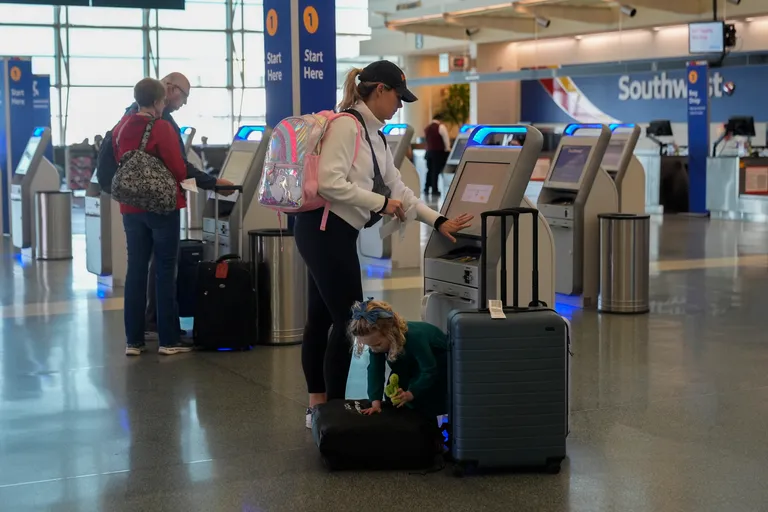
Delta Air Lines announced Tuesday it would start charging $10 more to check a bag on U.S. domestic flights, following similar baggage-fee increases last week by United Airlines and JetBlue.
WestJet, Canada’s second-largest airline, said Tuesday that it would add fuel surcharges of up to 60 Canadian dollars ($43) to some flights, a day after Air Canada, the country’s largest, rolled out CA$50 fuel surcharge for flights to warm weather destinations. Porter Airlines, a smaller Canadian carrier, began adding a temporary fuel surcharge of CA$40 on award flights in late March.
“Fuel is the largest contributor to airline operating costs, and a temporary surcharge helps us manage the recent surge in fuel prices,” WestJet said in a statement, noting that fuel typically accounts for about 20% of an airline’s costs. The carrier also said it would temporarily cut some lower-demand flight routes.
Since the war in Iran began on Feb. 28, U.S. jet fuel costs have climbed more than 87%, to $4.69 a gallon on Monday, according to Argus Media.
“When fuel prices rise, airlines don’t just absorb the hit — they pass it along, often in ways that are less obvious than a higher ticket price,” said Sara Rathner, a travel and credit card expert at the personal finance website NerdWallet. “Bag fees, seat selection costs and new surcharges can quietly inflate the cost of a trip.”
Airfares — both domestic and international — have also jumped since the war started, according to an analysis of economy round-trip tickets by the travel search engine Kayak: On March 30, an average international trip cost $998, compared with $774 on Feb. 23, and a domestic U.S. trip cost $350, compared with $336 on Feb. 23.
Asian carriers have reduced flight schedules and adopted substantial fuel surcharges, such as Cathay Pacific’s $200 extra for select long-haul flights. Japan Airlines is charging up to $164 more for fuel for flights between Japan and North America or Europe. Jet fuel shortages are more pronounced in Asia and other international markets, because of their reliance on Middle Eastern oil, said Robert Mann, an aviation industry consultant and a former airline executive.
Mann cautioned that the extra fees may not be quick to disappear and that generally, fuel surcharges are more expensive than bag fees.
“Higher fares and fees tend to be very sticky once imposed,” he said. “Once airline managers see that travelers will tolerate higher fees and fares, why reduce them?”
People who have yet to book summer travel are likely to see prices only go up, Mann noted.
Travelers may also find they have fewer options. In a recent airline industry report by Deutsche Bank, analysts noted that global airlines have begun trimming less popular routes and cautioned that if jet fuel prices remain persistently high and oil shortages “become more pronounced in Asia and Australia” and spread to Europe, airlines could even cut “their most lucrative long-haul routes.”
“We see that as a risk that increases by the day as long as the Strait of Hormuz remains shut,” the report reads.
This story was originally published at nytimes.com. Read it here.