By Christina Wong, Eric ffitch and Jessica Spiegel April 23, 2025 11:29 AM
In 1988, Washington voters took a historic step by passing Initiative 97, a measure designed to address pollution in their communities. Its approach was simple: tax the wholesale value of hazardous substances and use the revenue to fund cleanup projects in the state. Today, we call on the legislature to honor that intent and not divert dollars for critical environmental cleanup work and toxic pollution reduction to unrelated spending priorities.
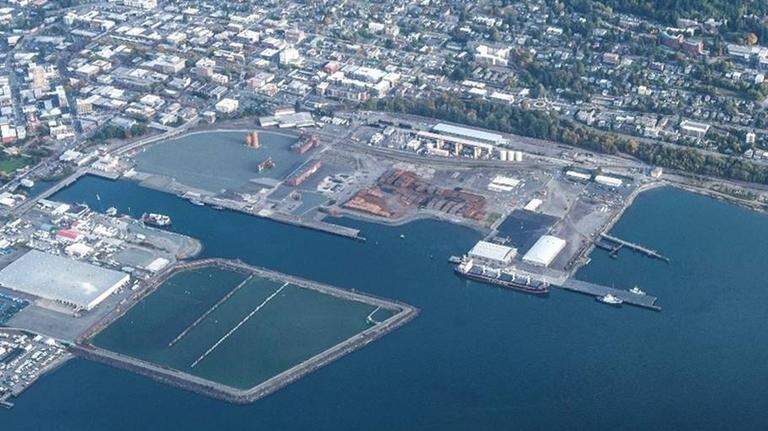
In the decades since, the Model Toxics Control Act (MTCA) has become a national standard for collaborative environmental remediation, cleaning up roughly 7,500 toxic sites around the state. Revenue collected has transformed former mill sites in Everett and Bellingham into vibrant, productive waterfronts. In Seattle, MTCA dollars are helping clean up former WWII airplane manufacturing sites along the Duwamish River, improving community health and enhancing fish and wildlife habitat.
Today, continued cleanup is at risk because the state Senate proposes to raid MTCA funds to plug holes in the budget. This not only is short-sighted, but it is also inefficient. You can find a toxic site in almost every community in Washington: in neighborhoods and parks, near schools and businesses. It doesn’t make sense to slow the cleanup of those places because it’s a tight budget year.
From bustling maritime communities to once-neglected upland greenspaces, MTCA enables the healthy revival of historically contaminated lands and nearby communities. This type of environmental and economic development tool generates jobs, promotes public access to public resources, supports overburdened communities with public participation grants, and raises living standards. MTCA is a critical tool to protect historically overburdened communities to achieve healthy outcomes for all.
The success of MTCA has been so undeniable that even those paying the tax support its continued use for cleanup purposes – uniting an uncommon alliance between local governments, public ports, environmental advocates, community-based organizations, and the petroleum industry.
Yet, there’s been a troubling trend since MTCA’s inception: the legislature has repeatedly transferred money meant for environmental cleanup to other purposes. The State Senate’s current proposed budget continues this practice, transferring $100 million total from MTCA to the state’s general fund. Including $50 million from MTCA’s capital account, which under law is supposed to support remediation and toxic site cleanup projects.
This proposed transfer puts essential environmental cleanup grants at risk. There are 59 projects eligible for MTCA’s “Remedial Action Grants” this year, but only 11 will be funded in the current budget proposal. This grant program has proven to be one of the State’s most powerful economic development tools: with every MTCA dollar matched locally and generating an estimated $32 in business revenue. These projects are in communities across the state, cleaning up and bringing life back into unused and previously contaminated sites. Our budget challenges in Olympia are severe, there is no denying that. But the demand for continued remediation of contaminated sites around the state isn’t going away — with over 7,000 contaminated sites yet to be cleaned up. These expensive and time-consuming projects will not remedy themselves alone.
For decades, public ports across Washington have proactively acquired contaminated property, confident that MTCA would provide the stability and state partnership needed for long-term success. But it’s not just ports that rely on MTCA funding – cities, local businesses, advocacy organizations, community members, housing developers — all rely on MTCA funding to make these projects viable.
Without reliable grant funding, ports and other local governments cannot afford to take on that liability alone. Washington is an environmental leader. MTCA cleanup efforts are among our most successful examples of that leadership. The unique partnership between environmental advocates, the petroleum industry, local governments, and public ports all supporting cleaning up and restoring our communities in this way is a model worth protecting.
We ask the legislature to resist transferring important cleanup funds out of MTCA and recommit to the vision voters supported decades ago — clean, safe, and thriving communities powered by dedicated cleanup dollars.
Christina Wong is vice president of programs for Washington Conservation Action; Eric ffitch is executive director of Washington Public Ports Association; Jessica Spiegel is vice president, Northwest region, for the Washington State Petroleum Association.