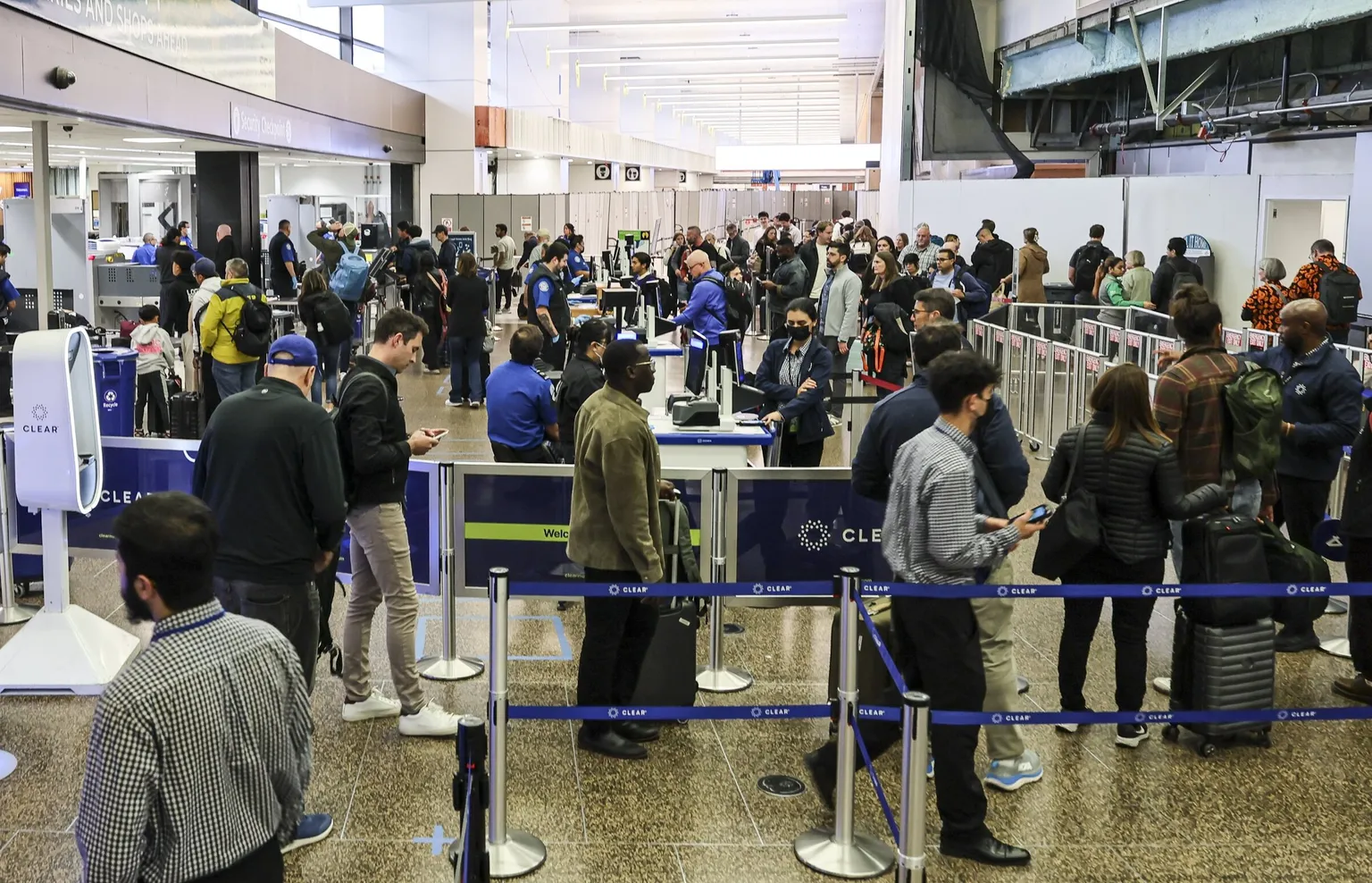
In September 2022, travelers at Seattle-Tacoma International Airport waited over an hour to clear security checkpoints. Lines stretched all the way to the airport’s parking lot.
By the next year, Sea-Tac was, according to one major analytics firm, the third worst “mega” airport in the country.
Fast forward a few years. Sea-Tac still ranks below most of the country’s major airports, coming in as the fourth-worst airport for customer satisfaction in J.D. Power’s 2025 study.
Travelers say it is difficult to move through the airport, and they complain about the hub’s “aged” facilities. Sea-Tac could be more exciting, more modern and less cramped.
The Port of Seattle, the airport’s operator, acknowledges Sea-Tac needs refreshed amenities and more of them, and plans to spend billions upgrading and expanding. But the Port finds itself short on both space and, with Seattle’s six World Cup matches just months away, time.
The airport has seen record demand for flights in and out of the Emerald City. The number of passengers moving through the airport grew from 31 million in 2007 to 52.6 million in 2024, and is expected to serve 53.5 million passengers this year.
Adapting to that huge spike in demand, the Port has embarked on more than 100 projects to try to improve passengers’ experiences. The projects touch nearly every part of the intricate airport operation.
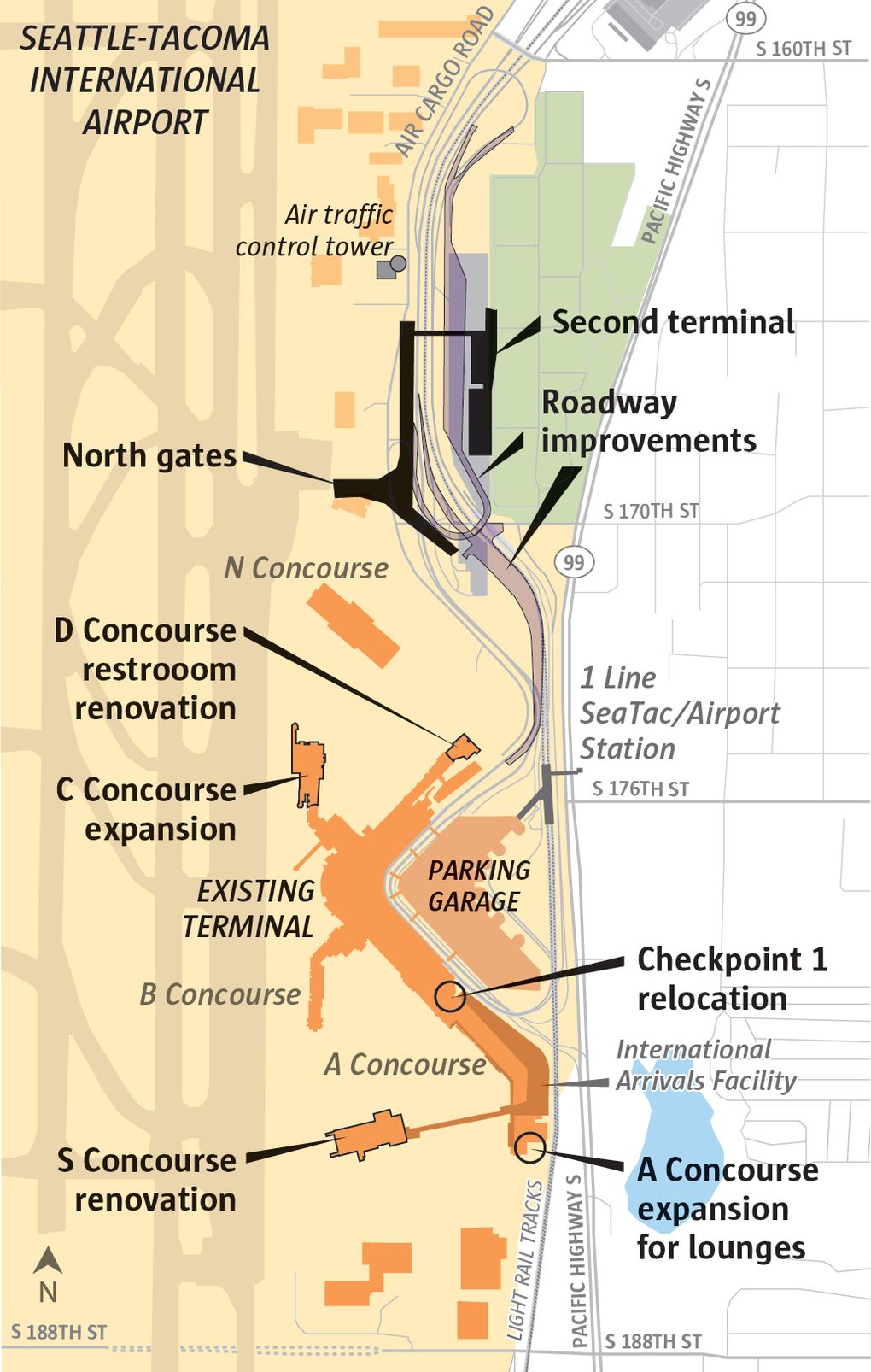
The Port plans to widen roadways to ease car traffic, update taxiways so passengers spend less time in planes waiting for takeoff, replace the aging network of conveyor belts moving baggage around the airport, open new luxury lounges and construct a second terminal with 19 new gates.
Michael Taylor, J.D. Power’s senior managing director for travel, hospitality and retail, says the changes are already working.
He saw improvement in customer satisfaction with the airport’s food, beverage and retail options, which indicates travelers are spending time browsing shops and having a bite, rather than racing from a long security line to the gate.
The Port is making progress, Taylor said, but improving customers’ experience at an airport is “a long and expensive process.”
“It takes several years to revamp an airport the size of Seattle,” he said.
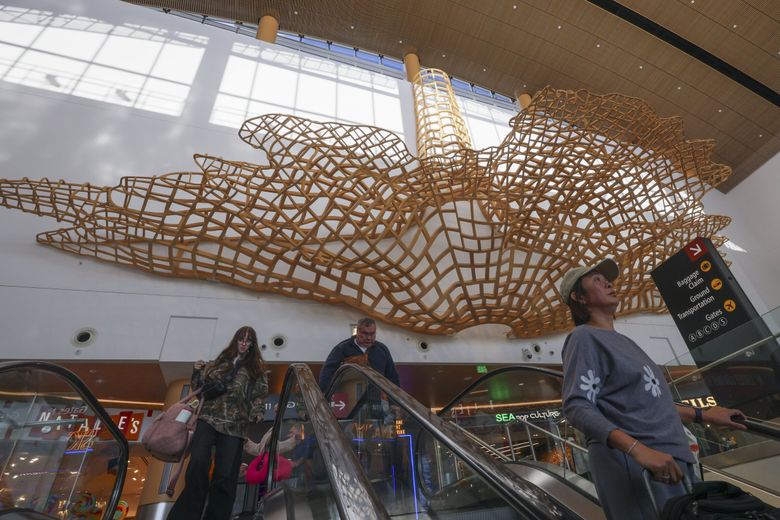
That revamping process also comes with a catch-22. Active construction can make it harder to move through an airport, as operators have to close parts of the facility and travelers notice more equipment or debris from the projects.
So, if it feels like Sea-Tac is always under construction, it’s because it is. The Port has started on two expansion plans that each include dozens of projects.
UpgradeSEA is a five-year, $5 billion group of more than 100 projects to improve travelers’ experience from the curbside to the tarmac. Separately, the Port has outlined a long-term master plan of 31 projects, which includes the second terminal.
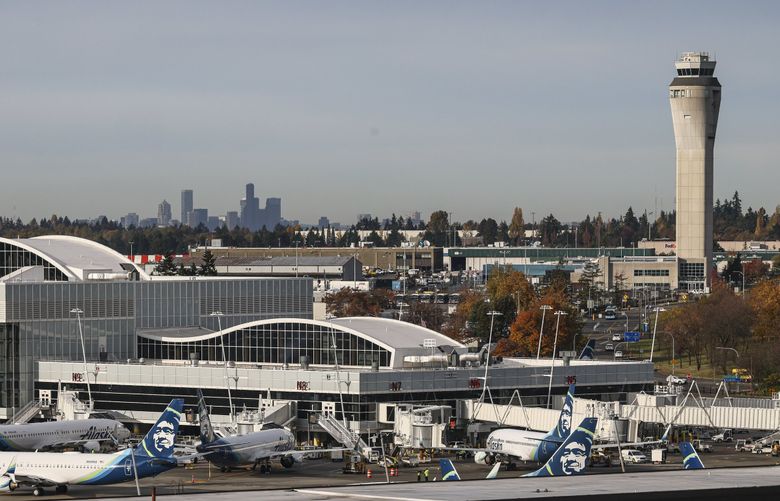
Both plans have the same goal: Prepare the already stretched airport to accommodate more passengers. The Port faces a deadline in June, when Seattle opens its doors to host some FIFA Men’s World Cup matches.
Sea-Tac is “one of the most, if not the most, constrained major airport in the country,” said Arif Ghouse, the airport’s chief operating officer and the interim managing director for the Port’s aviation division. “We cannot further expand, which means that we have to accommodate all future growth in our current footprint.”
Knowing that Sea-Tac was nearing its limits, Washington officials considered sites for a second airport, but those plans fell apart in 2023 after a swell of opposition from the shortlisted communities.
The expansion plans at Sea-Tac have similarly sparked concern from neighbors, who say increased demand has led to harmful levels of noise and pollution as hundreds of planes fly overhead each day.
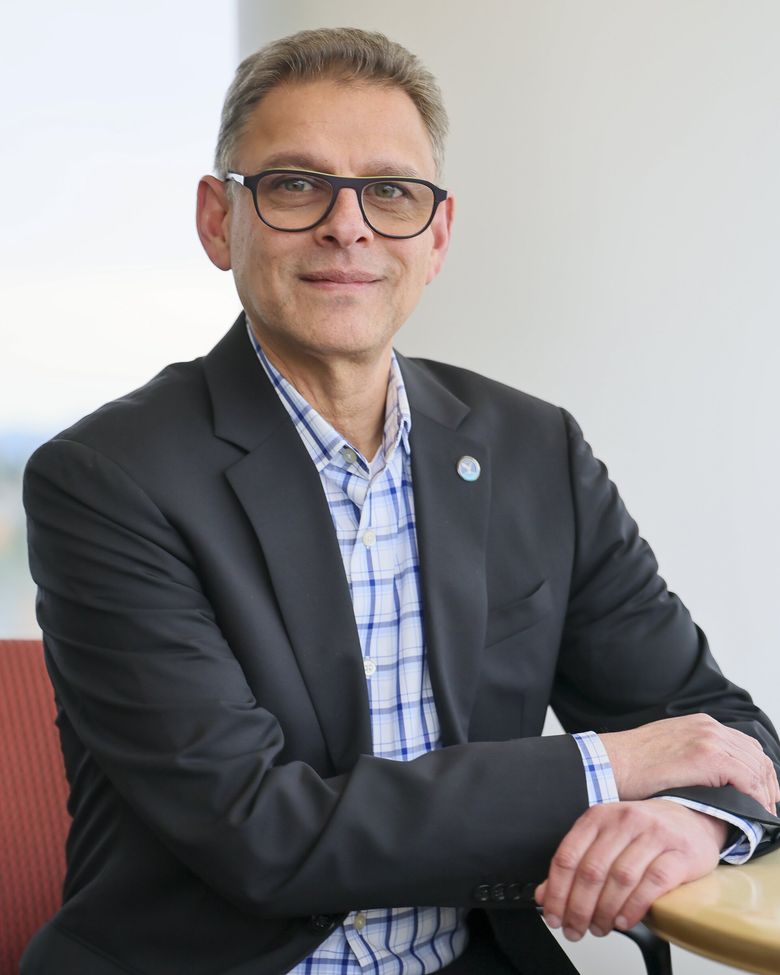
Ghouse argues that increased demand and air traffic is coming whether or not the Port completes its project checklist. The Port legally can’t limit air traffic, he said, and airlines will continue to find ways to reach more passengers, whether that’s flying larger planes or adding more routes.
The Port must invest in new projects at Sea-Tac, Ghouse said, or travelers will face massive traffic jams, flight delays and a crowded airport.
“Given how small we are, and the number of people we’re processing, it means that we’re pretty efficient in our small-but-mighty footprint,” Ghouse said. “However, one person’s efficiency is another person’s terrible airport experience.”
Inside the new C Concourse
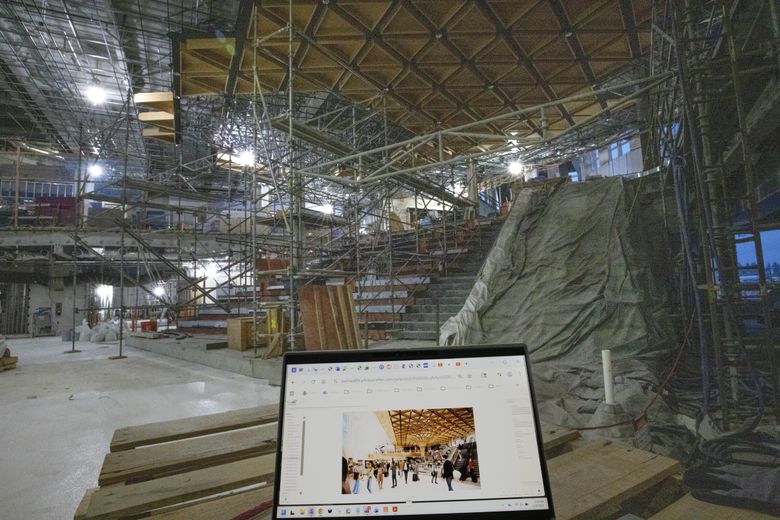
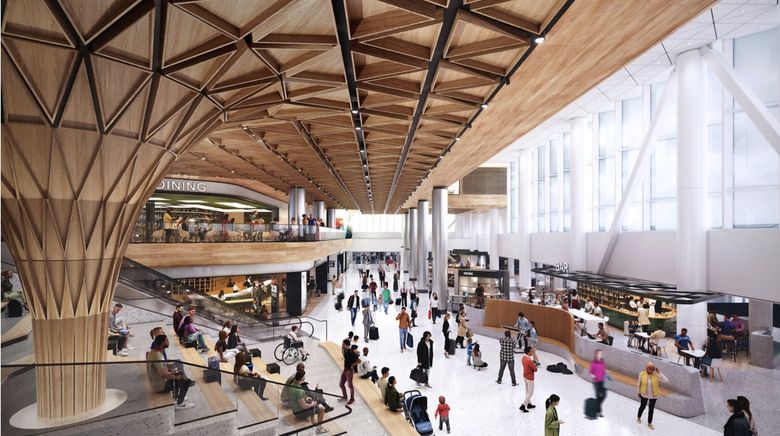
Instead of building out, then, the Port is building up, said Janet Sheerer, a capital program leader with the Port of Seattle.
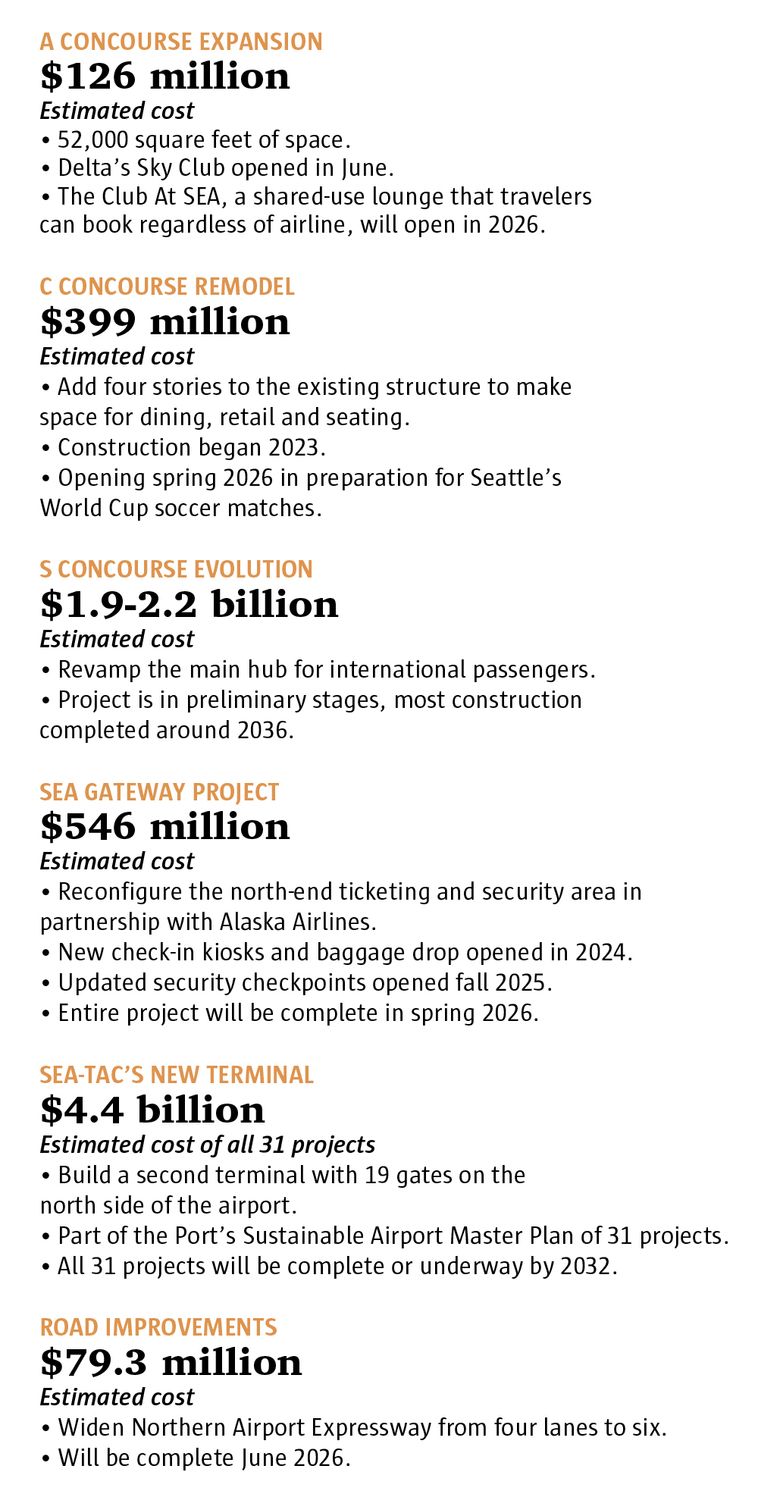
Sheerer leads the team behind Sea-Tac’s C Concourse renovation, a $399 million project that will add four stories to the existing structure. With 226,530 square feet of space, the new concourse will offer about 1 ½ times the space of an average Costco.
Its centerpiece will be the “Tree at C,” a meeting point designed to look like a towering tree made of hemlock panels and equipped with bleacher-style seating below its canopy. With a stage in the works, too, visitors can expect live music.
Sheerer referred to the new space as “a connection point.” It links two of the airport’s main groups of gates, Concourse C and Concourse D.
The team is reusing 66% of the old building, said Rich Whealan, part of the design team with the Miller Hull Partnership architecture firm. The area used to house baggage operations, Transportation Security Administration offices and retail.
The renovated space will welcome 10 dining and retail options, including national chains Chili’s Grill & Bar and Buffalo Wild Wings GO. Local eateries like Great State Burger, Olympia Coffee and Nanny’s: A Northwest BBQ Joint will also set up shop.
“We have a lot of small businesses that we’re opening up, but they’re bringing in really dynamic concepts,” said Khalia Moore, assistant director of aviation commercial management, on the floor of the construction site.
Other additions to the building include a nursing room, a pet relief area, a sensory room and a prayer and meditation room.
Travelers will soon be able to step outside for a breath of fresh air — tinged with jet fuel — on the new lookout: a viewing platform that surveys the airfield. During a recent visit, raindrops pounded against its glass panels as planes took off into the darkened sky.
More than 100 ‘active’ projects
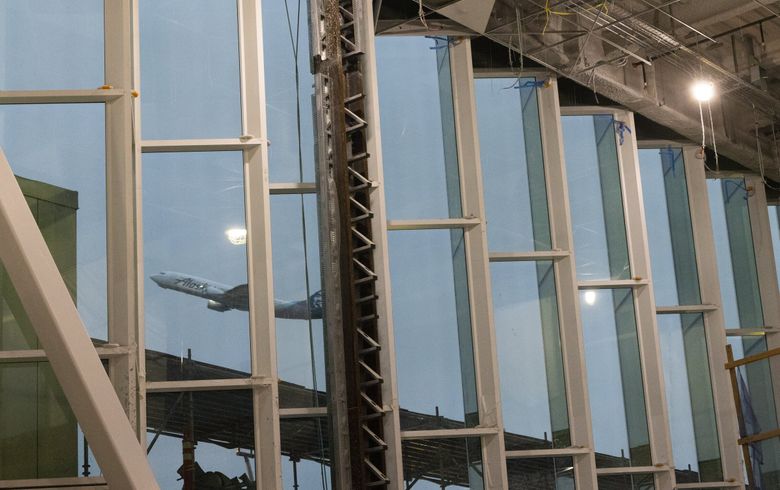
The Port declined to share a specific opening date for the remodeled C Concourse but said it is gunning to finish the project in time for the city’s first FIFA Men’s World Cup match on June 15.
“We are really, truly racing against FIFA,” Sheerer said. “The cool thing is that we actually set our completion date before that was a glimmer in anybody’s eye, … and it worked out.”
The Port expects three major projects from UpgradeSEA to be complete by World Cup kickoff: the C Concourse; an update to ticketing and security at the north end of the terminal called the SEA Gateway Project; and adding two southbound lanes to the Northern Airport Expressway, which connects Highway 518 to the airport.
Without that roads project, the Port warned, airport traffic would get so backed up it could reach Interstate 5.
This year, the Port completed some big-ticket items on the UpgradeSEA checklist:
- Relocating security checkpoint 1 from the ticketing level to a floor below, near baggage claim, to allow more space for travelers and baggage;
- Reopening the newly renovated security checkpoint 6;
- Setting up an automated parking guidance system to help drivers easily find an open spot in the eight-story garage;
- Restroom upgrades in concourses B, C and D.
UpgradeSEA’s milestones also include an upgrade to the N Concourse completed in 2021 and a new International Arrivals Facility that opened in 2022.
The “rolling” five-year plan includes 120 projects, according to the Port. As of December, it had 110 active projects and expected to complete 75% of those in the next two years.
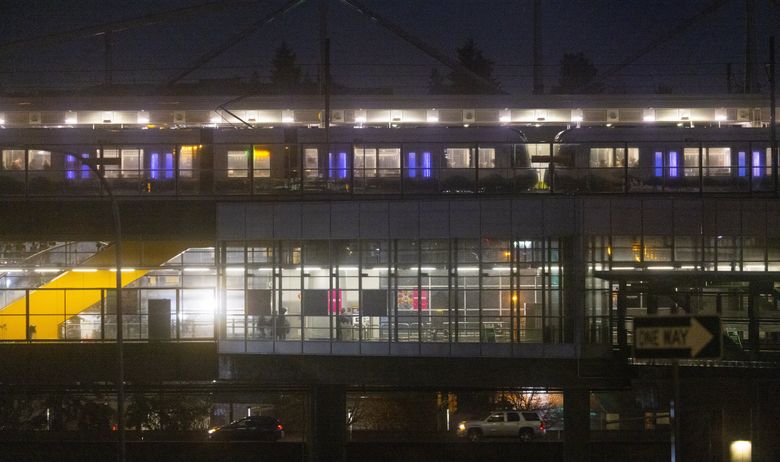
After the World Cup, the airport will turn to upgrading the S Concourse, the main hub for international passengers. It deliberately waited to start construction there until after the summer surge because it will have to close parts of the concourse during the upgrade.
Port of Seattle spokesperson Perry Cooper said construction crews will section off one-quarter of the S Concourse at a time to keep the area operating as smoothly as possible.
Meanwhile, underground, the airport is making progress on a $1 billion plan to update the conveyor systems carrying baggage between check-in kiosks, airplanes and the baggage claim area. The Port is entering the third and final phase next year.
Construction for that project began in 2017 and is expected to finish in the last quarter of 2029.
Another list of ‘near-term’ ventures
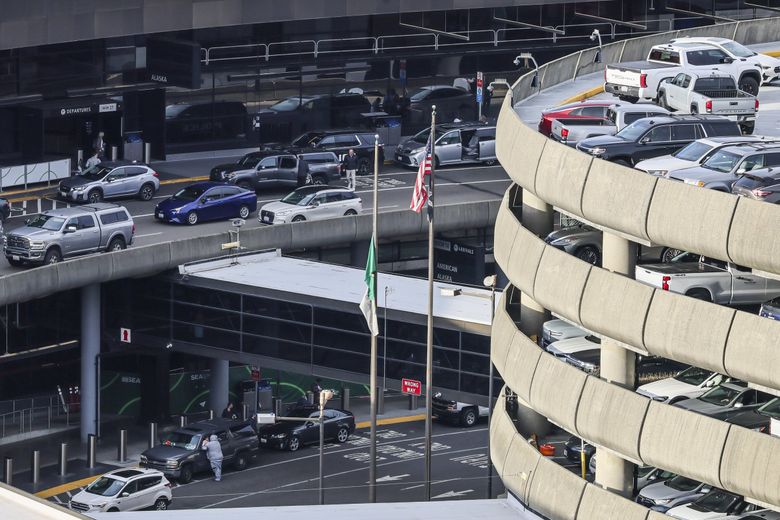
Separately, the Port is working on yet another set of projects in its Sustainable Airport Master Plan, another avenue to help the airport meet future demand.
The Port carved out 31 “near-term” projects to tackle first, including a second terminal with room for up to 19 new gates, extended taxiways, new cargo warehouses, a parking lot for airport employees and a fuel storage facility.
In September, the Federal Aviation Administration cleared the way for those projects to move forward when it determined in an environmental review the plans would not have a significant impact on the community. The state will now conduct its own environmental review, led by the Port, and then the elected Port Commission will vote on each project.
In November, the cities of Burien, Des Moines and SeaTac filed a petition for judicial review of the FAA’s decision, arguing the regulator’s assessment did not “adequately consider” environmental impacts of the proposed projects. Vashon Island Fair Skies, a nonprofit that has worked for years to address noise and pollution concerns from planes flying over its community, filed a separate petition to review the FAA’s finding.
“While there is a clear need to address increasing efficiency, capacity and safety of airport operations, the Cities take very seriously the protection of their residents’ health and well-being,” officials from Burien, Des Moines and SeaTac wrote in a joint statement this month. “This action is meant to ensure that the public’s health and safety are protected.”
The FAA said it does not comment on pending litigation. The Port said the 31 projects would “improve the efficiency and safety of SEA, access to SEA and support facilities for the airlines and SEA.”
The projects in the Port’s Sustainable Airport Master Plan and UpgradeSEA are not funded by tax dollars.
The funds instead come from bonds, grants or the Port’s Airport Development Fund, which puts revenue from the airport’s parking garages, concessions and other businesses back into the airport.
The Port of Seattle’s budget for 2026 to 2030, which it approved in November, allocates $3.75 billion in capital spending for the aviation division over the next five years. It expects to spend $847 million in 2026.
Correction: An earlier version of this story misstated the number of World Cup matches Seattle will host.