The Airport Communities Podcast
In our last episode (Mailbag #2), we took a variety of questions we tend to get on a regular basis. This gives us an opportunity to mention that although each episode stands on its own, we encourage people to listen/watch in order, because the concepts build on each one another. The material has many layers, people want to make an impact (no pun intended), and there is a strong tendency to cherry-pick. There’s no way to do that with airports.
Banking
Today’s topic adds one more layer: banking–the industry practice of scheduling flights in daily clusters . The ones most people think of as organic demand–like grocery stores or traffic ‘rush hours’.
Not. At. All.
The mechanics are beyond the scope of this episode, but what matters for today is that it is yet another item that is never discussed. But it should be because it concerns public health, which means it’s something that can be negotiated. In fact, it should be a far easier discussion because unlike flight paths, it is not the province of the FAA.
This gets to the core of The Casino.
Noise is just as much about when as where. How many events should you be subjected to in any situation, how should they be spread out over time, how much time should you have between events in order to have some sort of recovery.
For 50 years, we’ve undervalued aircraft noise using A-Weighting which only considers impacts on hearing intelligibility–never applicable to airport communities. Insincere from the beginning.
Then there is the constant obsession with flight paths–where the flights go.
But public health is about exposure. Individual events, the impact of each event, how much time it takes the body to recover.
Many people now object to any kind of fireworks now–even if they’re only once a year. Banking effectively clusters many noise events within short periods of time four times a day.
Why is it that never discussed? Why is an expansion of quiet periods never discussed? Why does it always go back to flight paths? Why is sound insulation so constantly dismissed?
It is because we aren’t taking noise seriously as public health. And the industry knows it.
Kids have always worn some form of padding to participate in many sports. But today, parents are increasingly aware that it’s not about individual impacts—it’s about cumulative effects. How many events should any player be subjected to? Within each game? Between games? Over a career? How much time is needed to recover within each time period?
The risks have not changed. Our willingness to tolerate them–and thus properly mitigate them has.
As with aviation pollution, we have a great deal of evidence now that the cumulative effects of noise are real. But we have not gotten anywhere near to understanding the mechanisms. Until we get that research, it’s easy to be dismissive of sound insulation, even though the benefits are profound.
We should be promoting sound insulation aggressively—not only because the products are better now, but also because unless we make clear that every improvement is important, we’re signaling to decision makers that our concerns about noise are still back in the age of the ’70s.
You and your city have to understand that this is negotiation, where you retain ongoing expertise to make residents aware of all the options out there, not only the ones the industry finds convenient.
There will always be large numbers of people near the airport who cannot move and will never obtain benefits from changes in flight paths. By advocating for them first, we demonstrate our sincere interest in public health. And ironically, that is what will move the discussion on changing flight paths.
We’ve had it backwards.
Topics
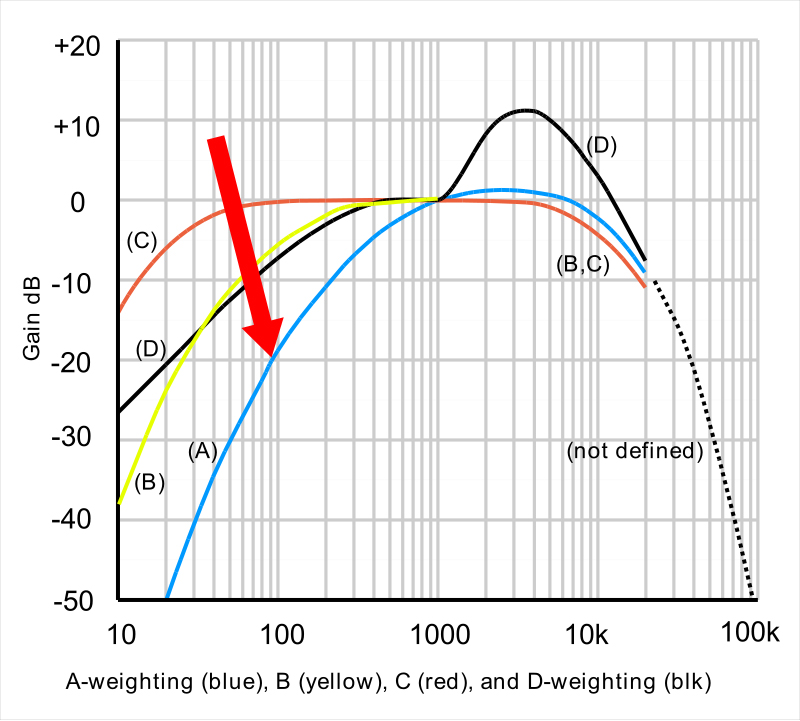
- A-Weighted
- How Do Airlines Schedule Flights At Hubs?
- The Thunderword – Citizens make noise over jets — 1983
To learn how you can make a difference, read our STNI: 2026 Legislative Agenda and:
- STNI.info/subscribe
- Video feed
- Find us on all the best podcasts, including Apple and Spotify, or subscribe via SSAppleSpotifyYoutube