 By
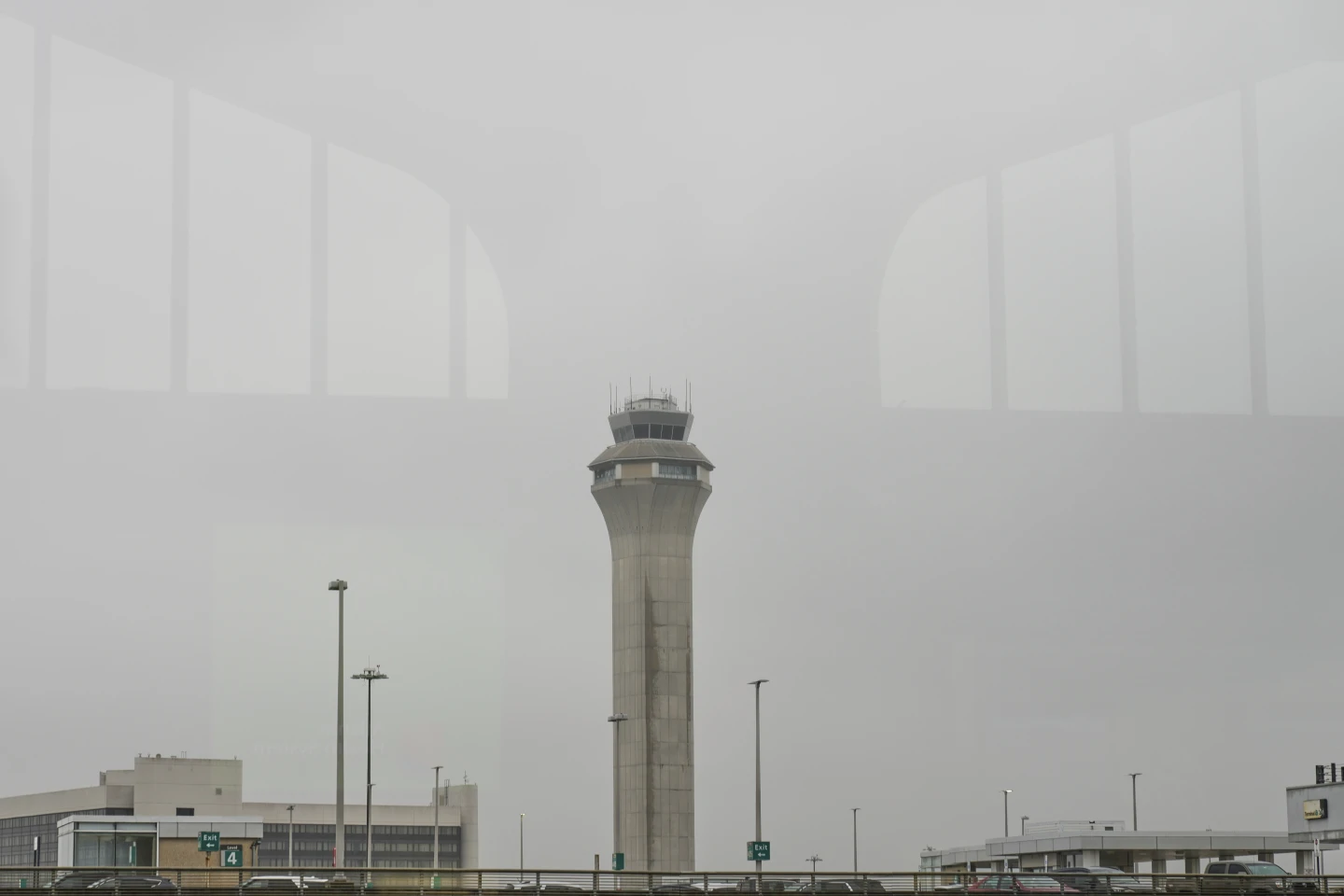
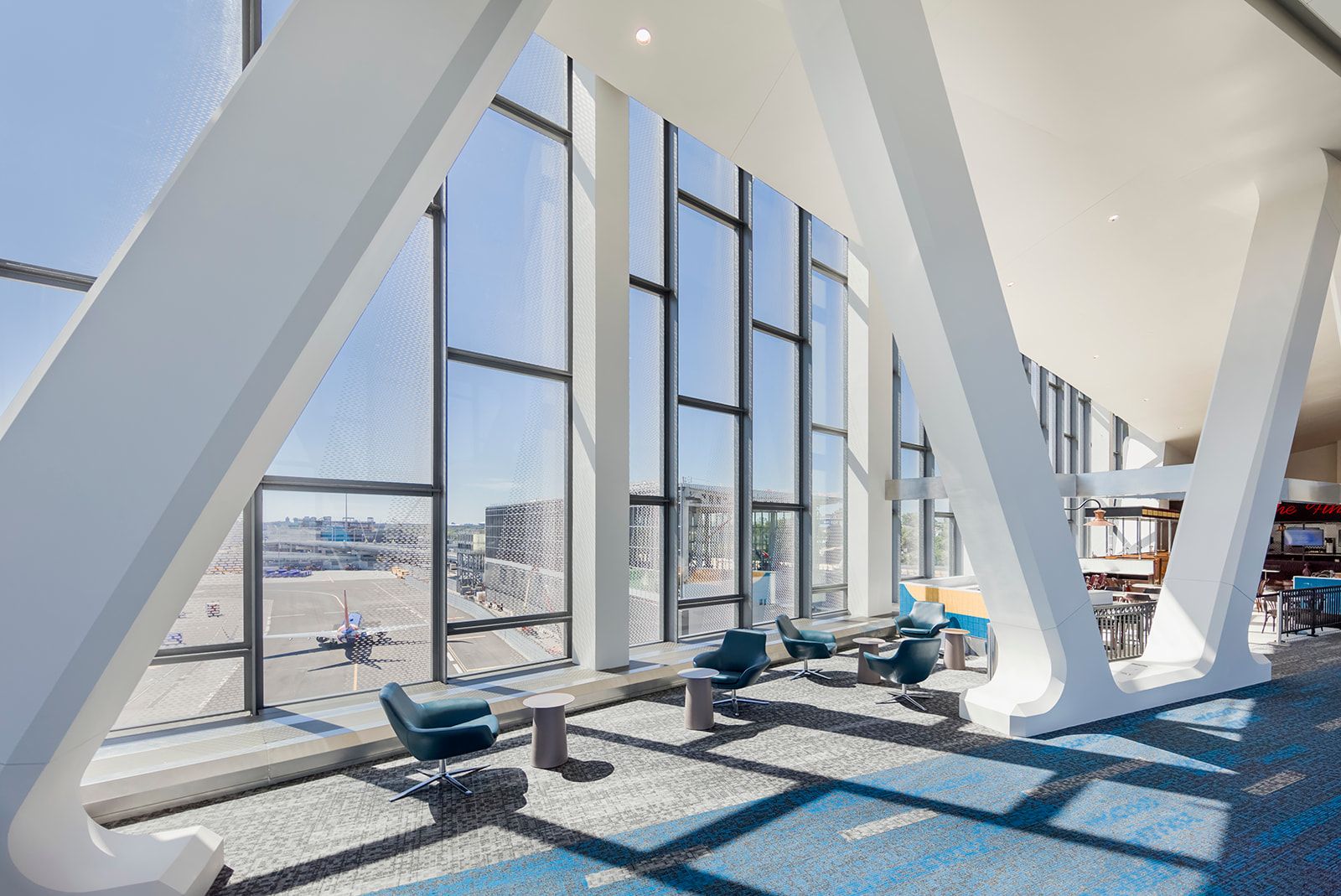
By After over a week of brutal delays and other incidents at Newark Liberty International Airport (EWR), airlines and aviation regulators have decided to meet to plan additional flight cutbacks at the airport to prevent further incidents from arising. According to Bloomberg, these private discussions are an immediate response to multiple incidents in which radar systems broke down at the airport over the past week, leaving air traffic controllers blind.
Newark Liberty International Airport
IATA/ICAO CodeEWR/KEWR
CountryUnited States
CEOJames Gill
TerminalsTerminal A | Terminal B | Terminal C
The plan to reevaluate the airport’s capacity control systems currently on the table would push carriers to voluntarily reduce the number of flights they operate in and out of the facility for a limited period. This would, in some capacity, help reduce the congestion at the airport and give the Federal Aviation Administration (FAA) the time it needs to improve air traffic control (ATC) systems. The Department of Transportation is expected to schedule these discussions with airline leaders over the next few weeks.
A Deeper Look At What Happened
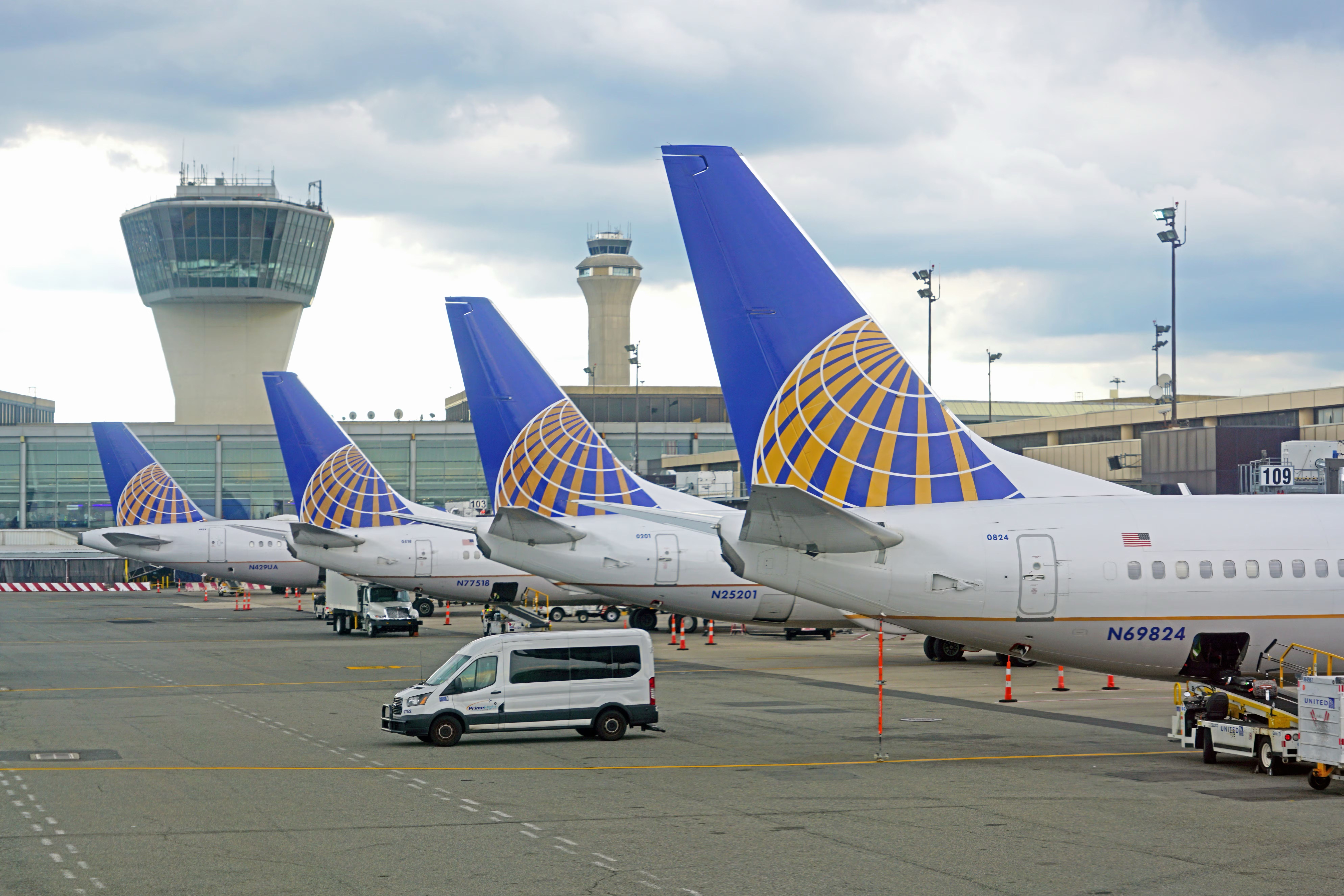
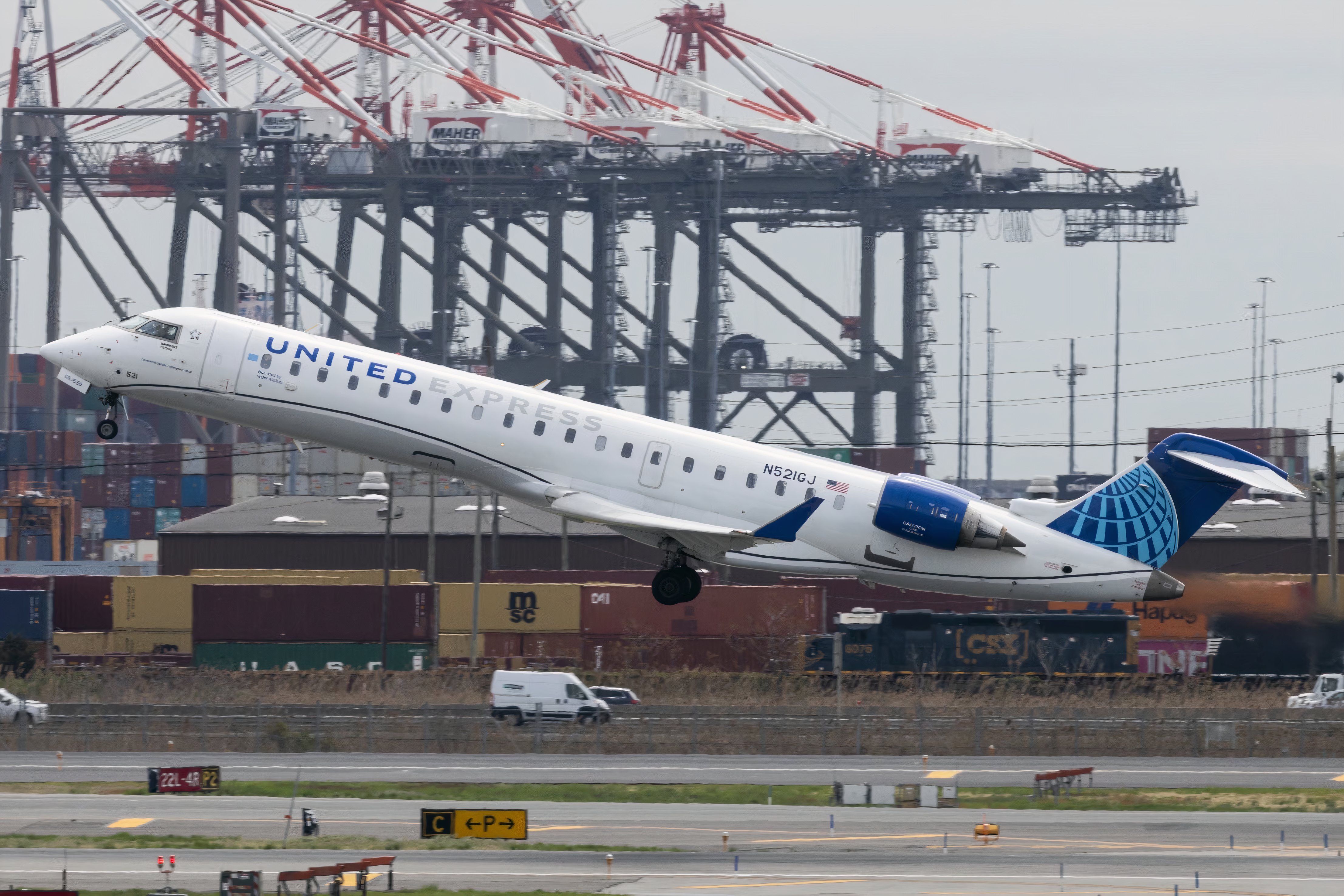 Photo: Kevin Hackert | Shutterstock
The urgency for this kind of meeting and negotiation was created by a second air traffic control-related incident that took place on Friday, which involved controllers guiding aircraft in and out of Newark Airport losing communications and radar displays for around 60–90 seconds. A similar situation arose on April 28, and neither of these incidents resulted in injuries or accidents. United Airlines has been quick to help address concerns regarding the matter, with CEO Scott Kirby issuing the following statement:
“We do our part to maintain safety as well. As you all know, our pilots have thousands of hours of flight experience and supplement that with regular simulator training – we also have procedures that our pilots follow to re-establish communication if controllers lose radio contact to navigate the airplane safely to its destination.”
The goals of these planned discussions include reducing the rate of daily aircraft operations at the facility. Regulators are looking to reduce flights to the point that they can be easily handled by the air traffic control facility in Philadelphia, which helps manage Newark’s traffic.
It appears that the situation at Newark has grown so dire that not even controllers at the airport’s overflow ATC facility in Philadelphia can adequately manage traffic. Reports of controllers using outdated technology have also been a key part of the issue.
What Has United Airlines Said Regarding The Matter?
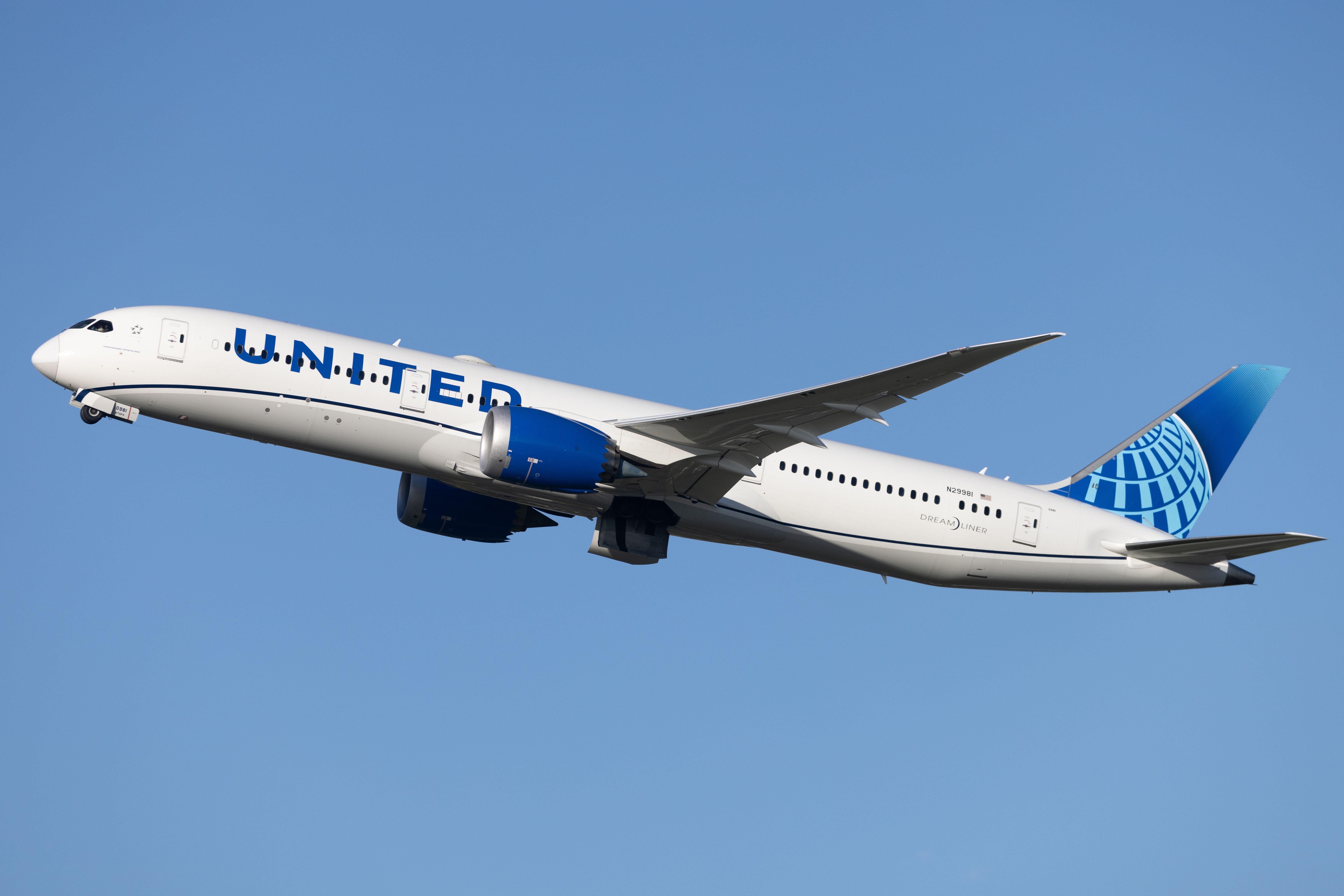 Photo: Kevin Hackert | Shutterstock
In addition to several safety-related comments, United Airlines CEO Scott Kirby was quick to fault the FAA for the situation arising. In a statement, he argued that the FAA has allotted more flights to Newark than the airport is capable of reliably supporting, something which helped cause the current situation.
Kirby called for authorities to limit flights to just 48 per hour while the runway’s construction was underway. He later added that flight levels should not exceed 77 per hour under normal conditions and that flight levels could sometimes exceed 80.
This latest request follows an operational breakdown last week, which left hundreds of flights delayed and dozens canceled. Delays at New York Area airports tend to ripple across the country, wreaking havoc for passengers not even flying to the region.
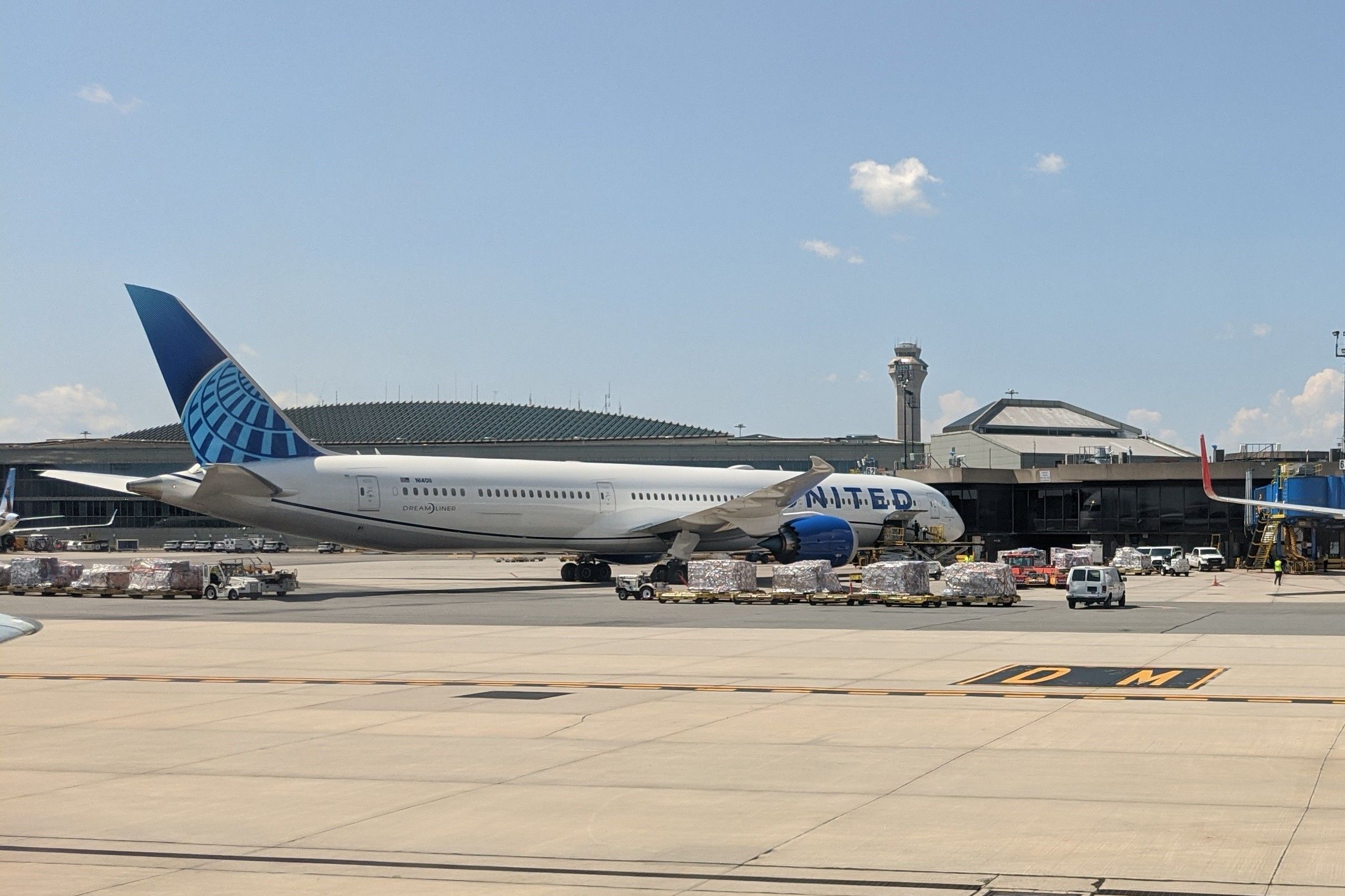
Related
13 Routes: United Airlines’ Most Canceled Flights Since Its Newark Meltdown
These are the routes that have been affected the most.
What Can Be Done To Solve This Issue?

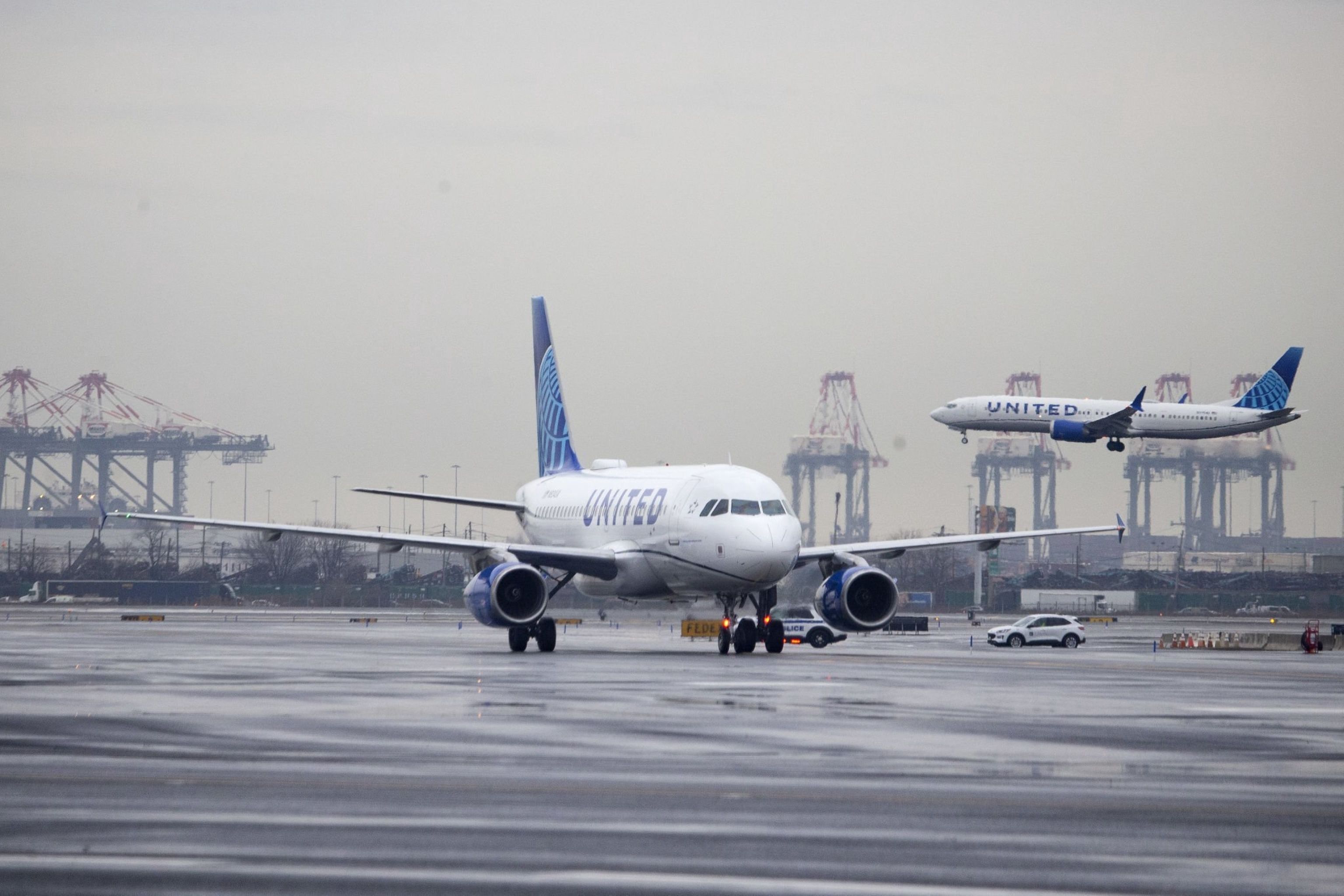
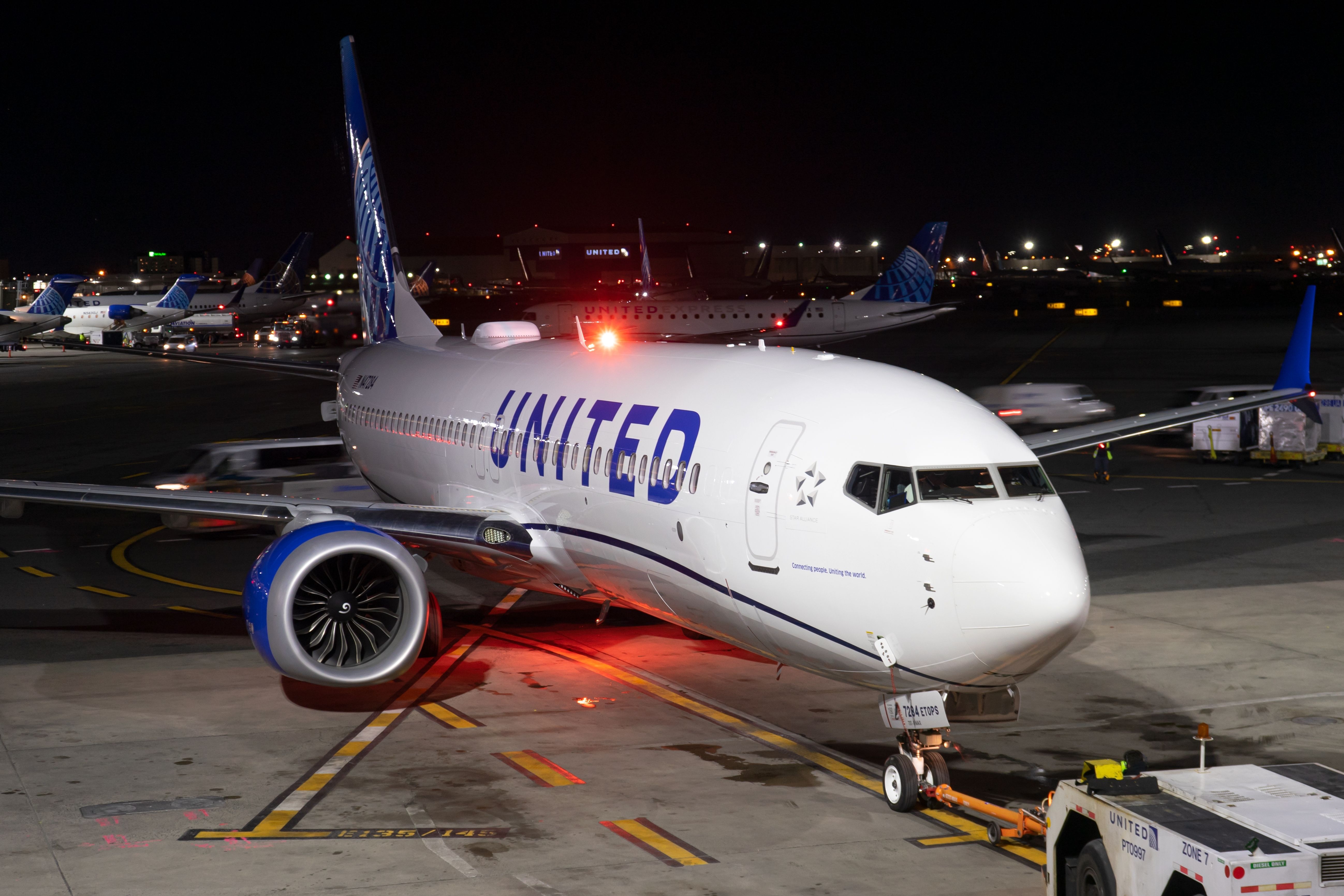
While other airlines have been quick to comment on the situation, United Airlines is by far the most vocal. This only makes sense, considering that the carrier has a massive hub at the airport.
United has argued that Newark needs to be returned to slot-controlled status, which is interesting for a carrier seeking growth and expansion. However, the airline has been quick to relay that safety remains its principal priority and that the modernization of Newark’s ATC systems cannot be compromised.
The airline has noted that it will be upgrading its fleet to accommodate more passengers per flight on average, something that would help it manage slot restrictions at airports like Newark. Investors have been quick to place their confidence in United’s response capabilities, with shares trading up around 6% over the past week.
Related
The Importance Of Deicing
13 Routes: United Airlines’ Most Canceled Flights Since Its Newark Meltdown
Newark ATC Suffers Yet Another Outage As Radar Screens Went Black Overnight
Sign in to your Simple Flying account
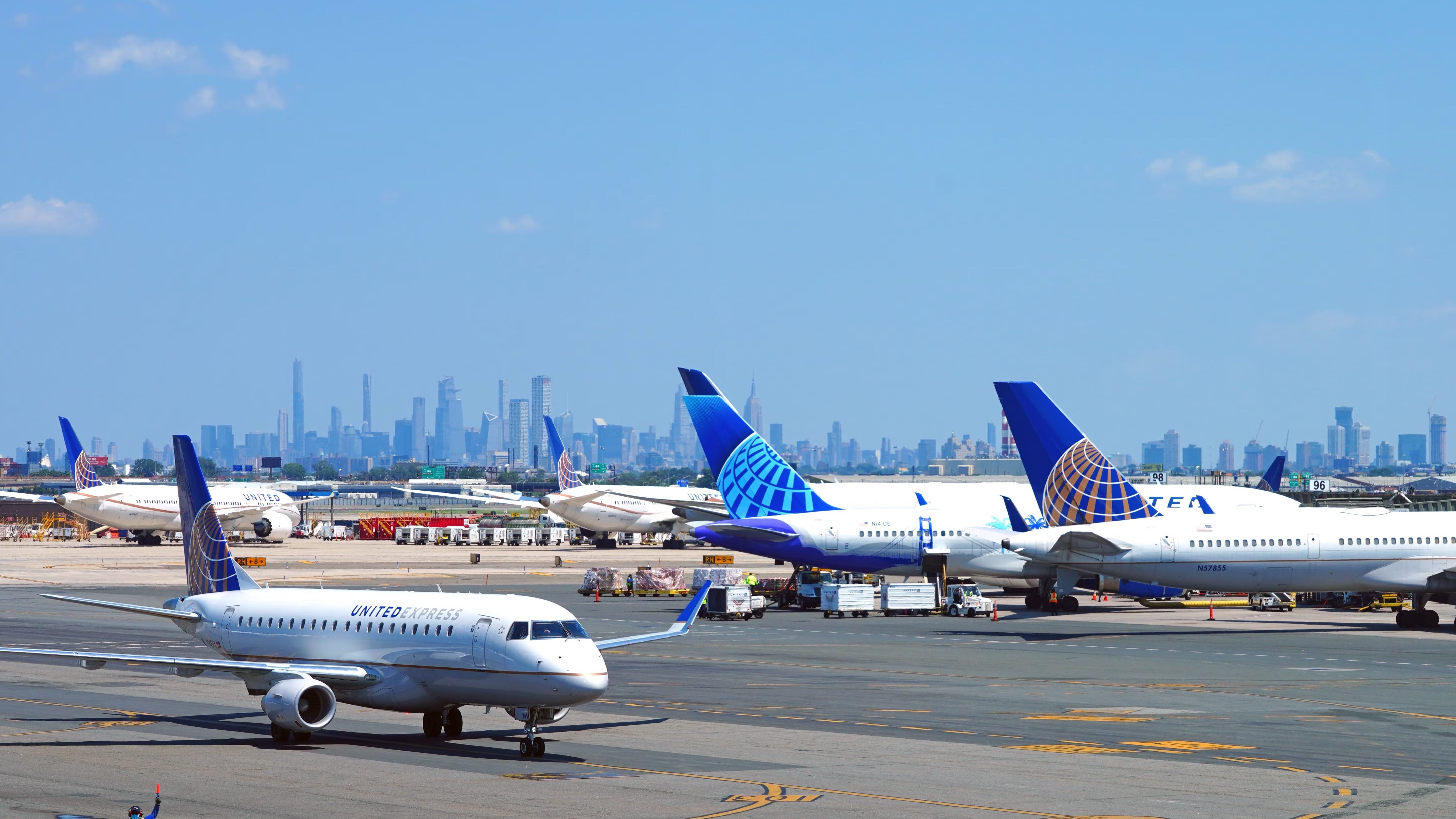 Photo: EQRoy | Shutterstock