Article Summary:

Listen to this article 6 min
At a desk facing a laptop at the Boeing Co.’s offices in Renton, Sheila Remes plays with numbers. She toggles her cursor, and a fictional airline’s carbon-cutting efforts go negative. Then Remes changes the energy source mix and the numbers creep back toward zero emissions.
The jet maker’s vice president of environmental sustainability was demonstrating a new data visualization tool Boeing developed.
Released following its first sustainability forum in Seattle in May, Cascade lays out some of the policy and technological advancements being explored to help aviation reach its net zero targets by 2050.
The industry won key victories in recent weeks, including Washington state legislation that will help it compete against other states, and industries like ground transportation, for scarce biofuels.
Remes recently sat down with the Business Journal to discuss the forum’s findings and what’s giving her optimism for the future.
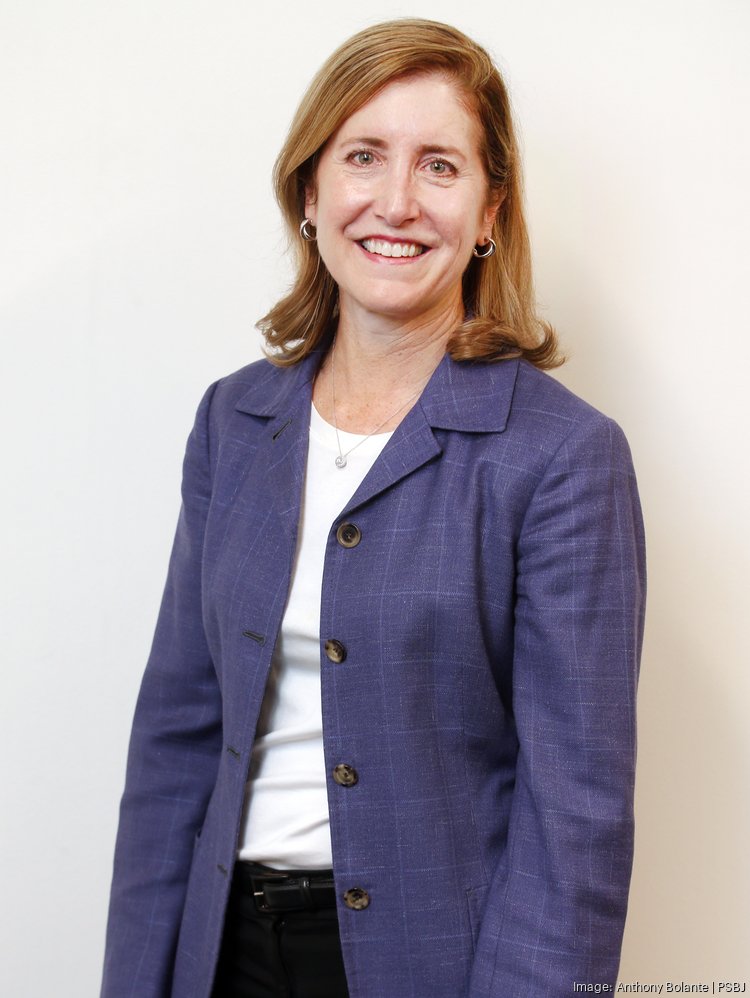
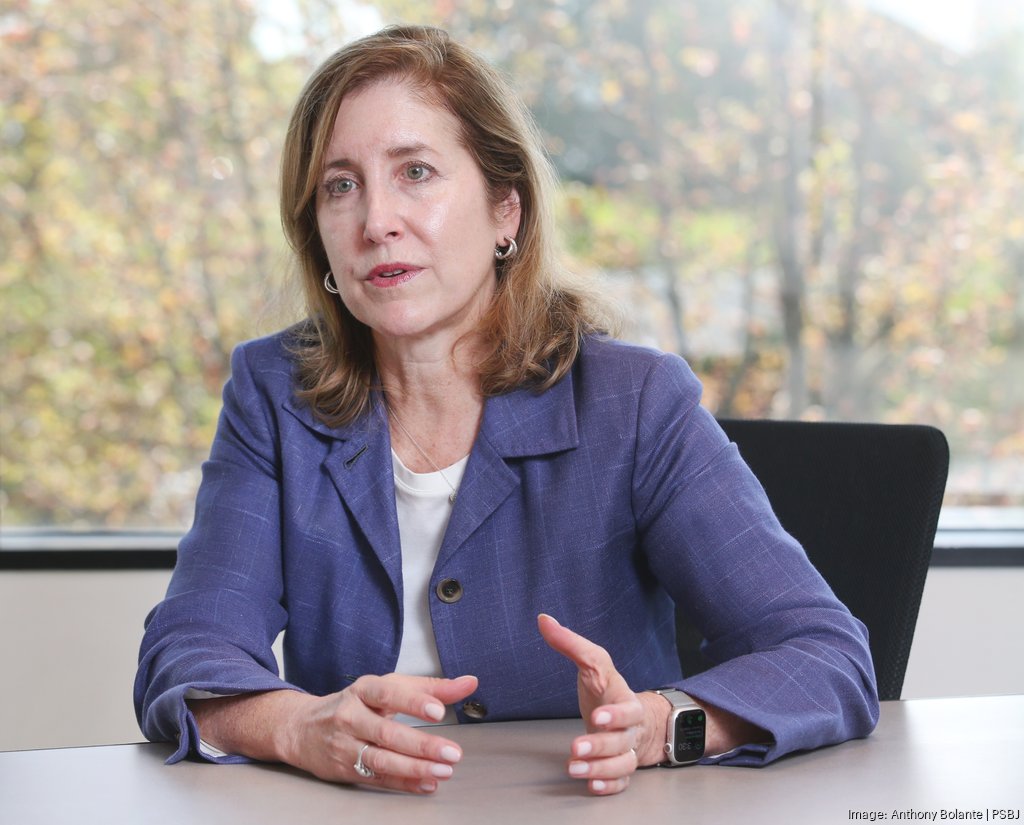
Sheila Remes said in college she started in engineering, wanting to go into medicine. Now she’s Boeing vice president for sustainability.
About Sheila Remes
Position: Vice president of environmental sustainability
Previous roles:
- Boeing: vice president of strategy for Boeing Commercial Airlines; managing director of sales strategy
- United Airlines: market champion
- America West Airlines: engineer
Board positions:
- World Affairs Council of Seattle
- International Aviation Women’s Association
Day in the life:
- 6 a.m.: Up for coffee before European calls
- 7:30 a.m.: To Boeing offices for meetings
- Noon: Clear out emails
- 3 p.m.: Work on projects with team after the East Coast shuts down
- 6 p.m.: Head home for a workout on the Peloton
- End the evening with a walk with podcasts and the dogolicy groups, and this tool helps us pull together all of these entities and help them collectively see the facts and data, the truth in science and what types of solutions can help with decarbonization. To see it on the same page, understand the assumptions, understand where people are coming from — the tool was a great resource to be able to engage in those dialogues.
What has emerged since the rollout?
It just highlighted our priority. If we can scale the SAF (sustainable aviation fuel) industry, if we can catalyze it, you can make a big difference in life cycle emissions reductions. When you can’t see the data behind the scenarios, you don’t understand what you’re making an assumption around. We have to care about all of it — not just fuel but the grid is also an important part of decarbonization.
What are the next steps for Boeing to get to its goal of 100% SAF compatibility on its planes?
Airplanes delivered in 2030 will continue to be in service till 2050, so we need to understand the impact of 100% sustainable fuels on the systems inside the airplane. We brought together all of the suppliers that have pieces that touch the fuel, and we have worked on a process with them to collectively understand what will impact their systems and what might need to change. We put together a jet reference fluid. That’s one tool and they’ll do some testing. You can have a 1% blend all the way up to 100%, and the airplane needs to work across that entire spectrum.
What did you take away from the sustainability conference?
The big takeaway was what those groups individually would need in order to scale SAF. The airlines want it. The financiers say they’re financing things in cleantech and climate. The energy companies all say they can do it. So why isn’t it happening? We unlocked a few of those demand signals that are required to de-risk the financing.
It was a good dialogue with the various airline leaders talking about the carbon price. Each part of the world has a unique dynamic, but they all recognize that the cost of carbon is going to be a key component of their economics. The blenders tax credit (in the Inflation Reduction Act), the passage of (SB 5447), which also had policy associated with permitting, that’s a game changer for scaling SAF. A big piece of the puzzle was done here in Washington state.
When you were early in your career, where did you see it going?
I sometimes call myself the accidental tourist. I started in engineering wanting to go into medicine. Sustainability wasn’t on the list. We spent a lot of time on solar cells, so it’s interesting to look back on how hopeful everything was. Working at the airlines … was an extremely fun job right out of school. I got to see the world and make things happen really fast with gigantic machines.
What’s the one thing in your work that’s not getting enough attention?
The whole life cycle starts with the design. The circularity requirements we can do as an industry — we recycle titanium, we recycle aluminum, to minimize the new materials we use — and I think there’s more to be done. It’s not the emissions piece, but it’s a significant part of our footprint we need to think about.
What energizes you?
The more I learn, the more I realize you don’t get to make such a huge transition as an industry all the time. It touches biodiversity, it touches industries across the board. Whether it’s Microsoft or Amazon or Dow Chemical, we’re talking to all of those, because we don’t have the luxury of working apart.
What do you see as the biggest opportunity of the next five years?
It’s getting things to move fast enough. You’ve got a lot of different interests trying to make sure their issue gets addressed. The opportunity is that if we do this, we get to hold on to everything that the world has created over the last 100 years. Making the transition as fast as possible is the opportunity.
Radio Cherry Bomb — it’s a podcast about cooking, and they have female chefs that talk about how they came to what they’re doing. This American Life. And one I’m excited about is Forever Ago.
This interview was edited for length and clarity.